
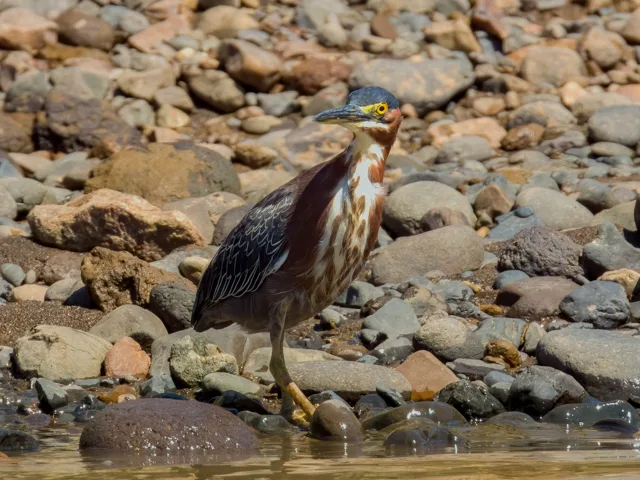
In wildlife photography, the quality of a photograph is often measured by the closeness of the connection—a sharp eye, a dramatic behavior, or an intimate portrait. Yet, the pursuit of proximity is fraught with ethical peril. The cardinal rule of the craft is that the welfare of the subject always takes precedence over the quality of the image. For wildlife, proximity often equals stress, disruption of foraging, or even abandonment of a nest.
The solution lies in mastering the blind spot—the art of being present without being perceived as a threat. In the U.S., where ethical guidelines are strict and wildlife disturbance can be illegal, photographers rely on techniques honed by naturalists and hunters: patience, camouflage, and the strategic use of blinds and hides. This approach transforms the photographer from an active intruder into a passive observer, allowing for genuine, intimate moments to unfold naturally.

The Philosophy of the Blind Spot: Minimizing Impact
Ethical wildlife photography is built upon the foundation of minimizing the animal's awareness of your presence. The goal is not just to be unseen, but to prevent the animal from altering its natural behavior—known as "habituation"—or being displaced from its feeding area.
1. Understanding the Baseline
Before setting up, the photographer must establish a "baseline behavior" for the subject. Is the bird foraging, preening, or actively guarding a territory? If the bird stops its natural activity, raises its head, or takes flight immediately upon your arrival, you are too close and must retreat. The only truly ethical shot is one where the subject is completely unbothered.
2. The Golden Rule of Approach
Avoid direct, rapid, or linear approaches, as these are universally interpreted as predatory by wildlife. Instead, use these techniques:
- Walk Slow, Stop Often: Move extremely slowly, pausing for several minutes before advancing again.
- Use Natural Cover: Always put natural objects—trees, bushes, rocks—between yourself and the subject.
- The Zig-Zag: Approach in a series of arcs or diagonals rather than a straight line.
The Strategic Advantage: Deploying the Blind
The use of a blind, or hide, is the single most effective technique for achieving photographic intimacy without disturbing the subject. A blind is any structure that conceals the photographer, allowing them to remain in one spot for hours, letting the wildlife habituate to the structure rather than the human inside.
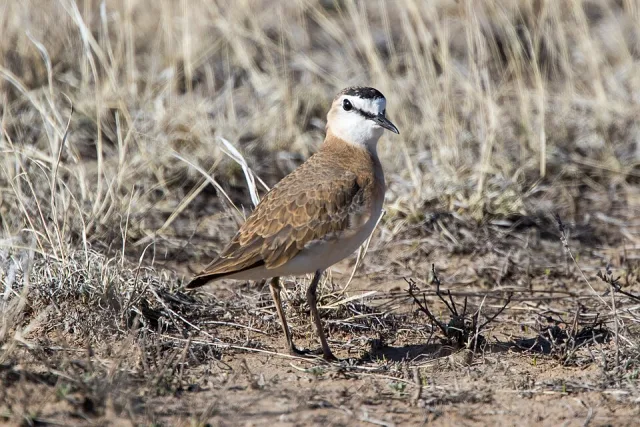
3. The Stationary Blind (The Long Game)
This is the traditional, most effective method, suitable for targeting specific, reliably visited locations (like a watering hole, a feeding tree, or a raptor perch).
- Setup: Stationary blinds can range from a simple, pop-up tent blind made of camouflage fabric to elaborate, permanent wooden structures often found on U.S. National Wildlife Refuges.
- Placement: The key is to set the blind up well in advance of the shoot—ideally hours or even days before the photographer occupies it—allowing the wildlife to become accustomed to its presence.
- The Wait: The photographer enters the blind before dawn and must often remain motionless for five or six hours. This requires patience, warm gear, and minimizing movement, sound, and scent. The result is often the best possible intimacy, as the animals return to their natural behaviors, sometimes feeding just feet from the lens.
4. The Vehicle Blind (The Mobile Hide)
In many western states and grasslands, the vehicle itself is the best blind, particularly for observing large mammals and open-country birds.
- Why It Works: Wildlife, especially near roads in areas like Yellowstone or national grassland, often perceives vehicles as non-threatening features of the landscape.
- Technique: Never exit the vehicle if the animal is within range. The photographer should shoot from a lowered window, resting the lens on a beanbag or car door mount. The shape and outline of the human figure stepping out of the car instantly breaks the illusion and often spooks the subject.
- Target Species: This is the ideal technique for photographing Bison, Pronghorn, Prairie Dogs, and open-country birds like Ferruginous Hawks or Meadowlarks.

5. The Ground Blind (The Low Profile)
When pursuing ground-dwelling birds or small mammals in dense underbrush, a simple ground blind or camouflage sheet is effective.
- Technique: The photographer lies flat (or uses a low chair) and covers themselves completely with a camouflage net or ghillie blanket. The lens barrel is covered with camo tape and extended slightly through the netting.
- Advantage: This low profile minimizes the human shape and offers an eye-level perspective, creating a more dramatic and engaging final image.
Technical Keys to the Blind Spot
Once inside the blind, the photographer's technical setup must be flawless to ensure the fleeting moment isn't missed.
6. Preparation and Gear Management
- Pre-Focus and Pre-Set: Always set exposure, focus mode (AF-C or continuous), and ISO before the subject arrives. Sound is amplified in a blind, so minimize clicks and camera movement.
- Tripod Stability: A sturdy tripod or gimbal is essential. The camera must remain absolutely still, especially when shooting through a narrow opening or when resting the lens on the edge of the blind's window.
- Silent Shooting: Use the camera’s electronic or silent shutter mode, if available. The mechanical click of a standard DSLR shutter can easily alert or flush a sensitive bird, such as a skittish shorebird or a small songbird.

7. Understanding the Angle of Light
Shooting from a static blind means the photographer cannot chase the light.
- Morning Light: Set up the blind on the west side of the subject area to capture the golden, warm morning light hitting the subject from the east.
- Evening Light: Move the blind to the east side to capture the soft, directional evening light. This planning is critical, as moving the blind while the subject is present is a major disturbance.
A Note on Ethics and Law in the U.S.
Photographers operating in the U.S. must be acutely aware of legal restrictions, particularly the Migratory Bird Treaty Act (MBTA).
- MBTA Restrictions: The MBTA prohibits the take (killing, pursuing, hunting, shooting, capturing, wounding, or attempting any of these acts) of most native bird species without a permit. Disturbing a bird to the point of causing it to abandon its nest or territory is considered "pursuit" or "take" and is a serious violation.
- Baiting: The use of bait (e.g., live mice for owls, non-natural food for songbirds) to lure an animal into a photographic opportunity is widely considered unethical and is illegal in many national parks and refuges.
Mastering the blind spot is the ultimate test of a wildlife photographer's commitment to ethics and craft. It requires accepting that the best image is not guaranteed, but that the genuine, undisturbed moment—captured from a position of respect and silence—is infinitely more valuable. By becoming a part of the landscape rather than an intruder, the photographer earns the right to witness and document the intimate beauty of the wild.
A great alternative to getting close to wildlife is to review your camera gear. Read our review of Canon and Nikon gear.
