
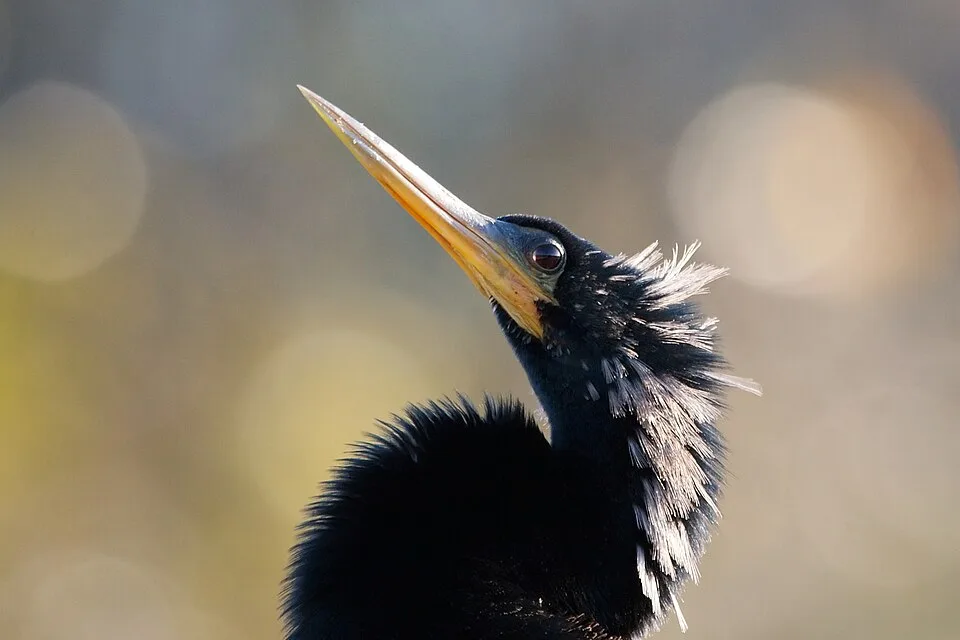
From the misty peaks of the Blue Ridge to the lush, sprawling wetlands of its coastal plain, Georgia offers an exceptionally rich and varied landscape for birdwatching enthusiasts. Situated along a major migratory flyway, the state's diverse habitats—including mountains, forests, swamps, and coastlines—support a stunning array of avian life, with approximately 347 species recorded at some point during the year. Whether you are a seasoned ornithologist or a curious beginner, Georgia presents countless opportunities to witness remarkable birds in their natural environments.

This article will guide you through some of the state's most vital birding locations, showcasing the unique ecosystems that attract a mix of year-round residents and seasonal visitors. We'll explore destinations ranging from the colossal Okefenokee National Wildlife Refuge, the vast "Land of Trembling Earth" that hosts over 200 bird species including wading birds and the threatened wood stork, to more localized gems like Oxbow Meadows Environmental Learning Center, a critical stopover for migratory species and home to a dedicated birding trail. Get ready to grab your binoculars and discover why Georgia is truly a birder's paradise.
Harris Neck NWR
Harris Neck National Wildlife Refuge (NWR) is a 2,762-acre gem located on the coastal peninsula of Harris Neck in McIntosh County, Georgia, approximately 30 miles southwest of Savannah. Established in 1962, the refuge's diverse geography is a patchwork of crucial coastal habitats, including extensive saltwater marsh and tidal creeks on its eastern and western boundaries, along with six man-made freshwater ponds in the interior.
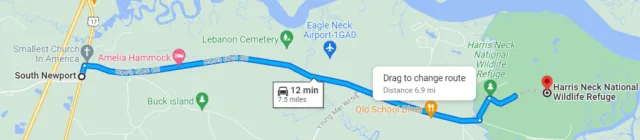
This mix is further broken up by mixed deciduous forests, managed grasslands, and open fields—relics of its history as a World War II-era Army Airfield. This variety of ecosystems, characteristic of the Georgia lowcountry, ensures a constant turnover of species, making it a productive birding spot year-round. Public access is primarily via a four-mile paved Wildlife Drive and over 15 miles of trails, allowing birders to easily traverse the various habitat types.
As one of the key sites on the Colonial Coast Birding Trail, Harris Neck NWR provides outstanding birdwatching opportunities, having recorded nearly 240 different bird species. The refuge is most famous for its large wading bird rookery at Woody Pond, which is the largest nesting colony for the threatened Wood Stork in the state. From late February through summer, visitors flock to view Wood Storks, Great Egrets, Snowy Egrets, and White Ibis nesting in the swamps.

In the winter, the refuge transforms into a haven for thousands of wintering waterfowl, including various species of dabbling and diving ducks that congregate in the freshwater ponds. Additionally, the maritime forest and scrub habitats are ideal for spotting colorful summer residents like the Painted Bunting, while raptors like Bald Eagles, Northern Harriers, and various hawks are frequently seen hunting over the open fields and marshlands throughout the year.
Target Birds
Wood Stork
Anhinga
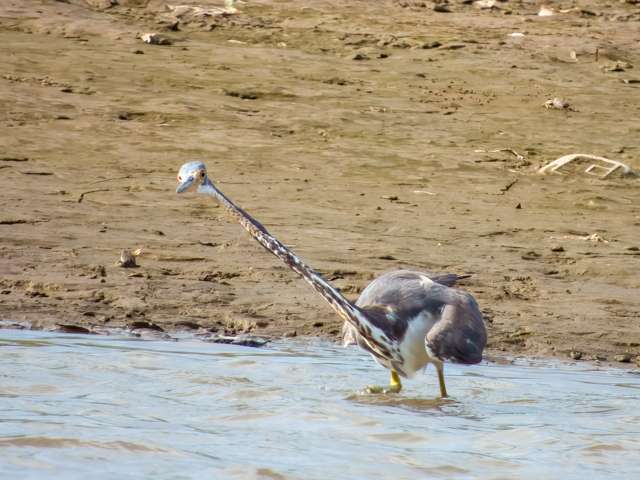
Tricolored Heron
Mississippi Kite
Clapper Rail
- Northern Bobwhite
Global Hotspots: The 10 Best Bird Watching Locations in the World
The U.S. Fish and Wildlife Service has a webpage for the NWR has really good information about any issues in the park including closures.
Okefenokee National Wildlife Refuge
The Okefenokee National Wildlife Refuge, established in 1937, protects approximately 402,000 acres of the vast Okefenokee Swamp, which is the largest blackwater wetland ecosystem in North America. Located in the southeastern corner of Georgia—with a portion extending into Florida—the refuge is a huge, freshwater-filled, saucer-shaped depression, often referred to as the "Land of the Trembling Earth" due to its floating peat mats.
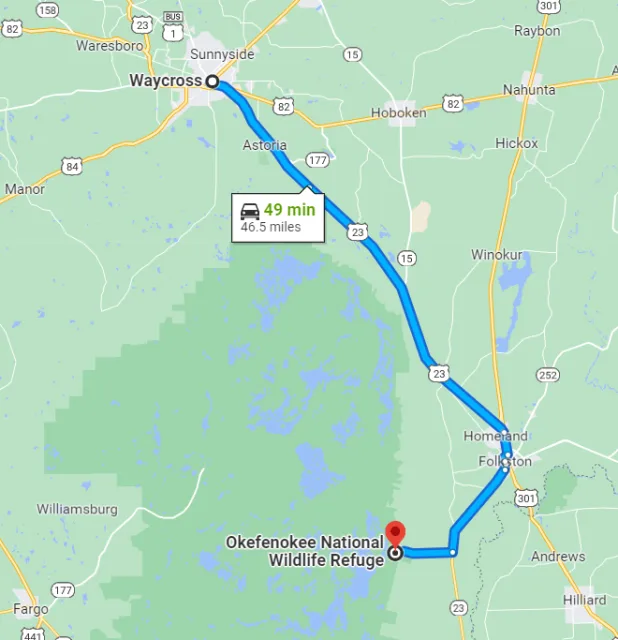
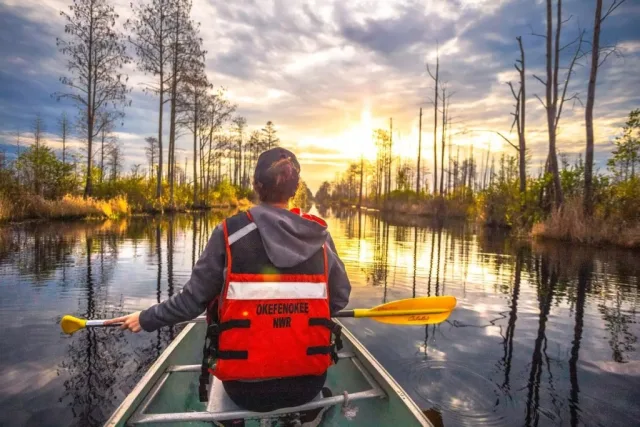
The geography is a complex mosaic of habitats, including open wet prairies, thick cypress swamps draped with Spanish moss, shrub-scrub areas, deep lakes, and forested islands. The swamp is the headwaters for two major rivers: the Suwannee, flowing to the Gulf of Mexico, and the St. Marys, draining to the Atlantic Ocean. Access points, such as the Suwannee Canal Recreation Area near Folkston, offer opportunities for birders to explore this unique ecosystem via boardwalks, trails, and canoeing on the tannic, slow-moving waterways.
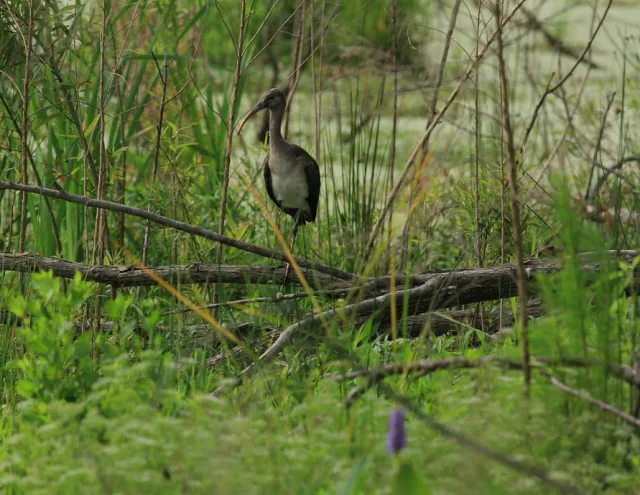
The refuge is a premier birding destination on the Colonial Coast Birding Trail, providing habitat for over 230 recorded species. Birdwatching here is especially rewarding for observing wading birds that thrive in the open prairies, with common sightings including the Great Egret, Anhinga, Ibis, and the year-round resident Sandhill Crane.
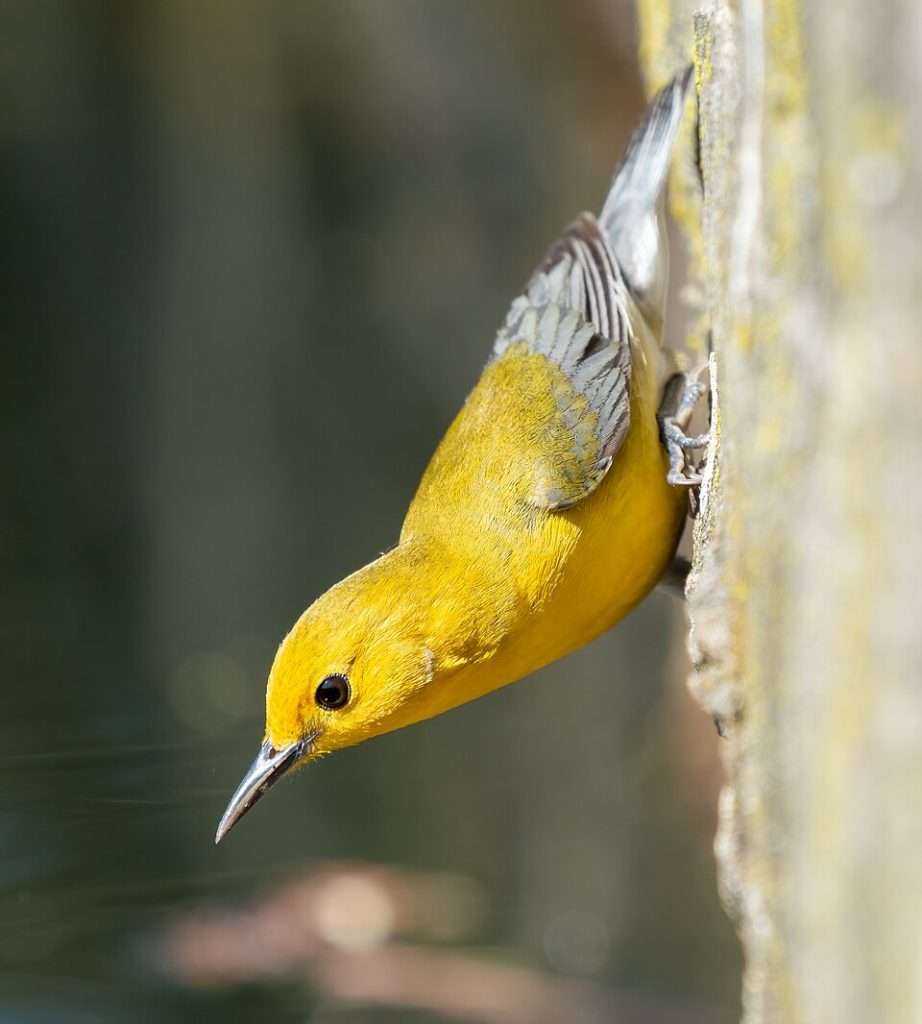
Canoe trails offer unparalleled views of swamp specialties like the colorful Prothonotary Warbler and Northern Parula nesting along the cypress-lined runs. Additionally, the upland pine forests near the perimeter are critical habitat for the federally threatened Red-cockaded Woodpecker (look for the white-banded cavity trees), while winter brings significant numbers of waterfowl, including Wood Ducks and various teal, to the wet prairies. The sheer size and inaccessibility of much of the wilderness ensure an unforgettable opportunity to observe a healthy, diverse, and often secretive avian population.

Target Birds
Green Heron
Swallow-tailed Kite
Barred Owl
Prothonotary Warbler
American Bittern
Yellow-bellied Sapsucker
- Swallow-tailed Kite
The USFWS webpage for the NWR has background on the park and what visitor's might see there.
Cumberland Island National Seashore
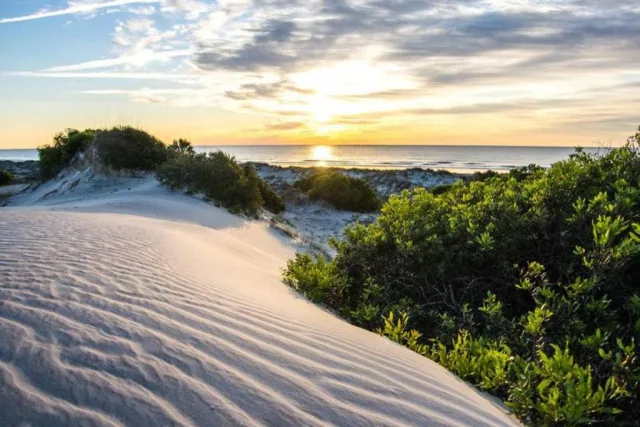
Cumberland Island National Seashore, the largest and southernmost of Georgia's Sea Islands, is an exceptionally wild and geographically diverse location, accessible only by ferry from St. Marys. Spanning nearly 18 miles long, its geography is a pristine mosaic of coastal ecosystems, dominated by 17 miles of undeveloped, white-sand beaches and towering dunes on its Atlantic-facing eastern edge.
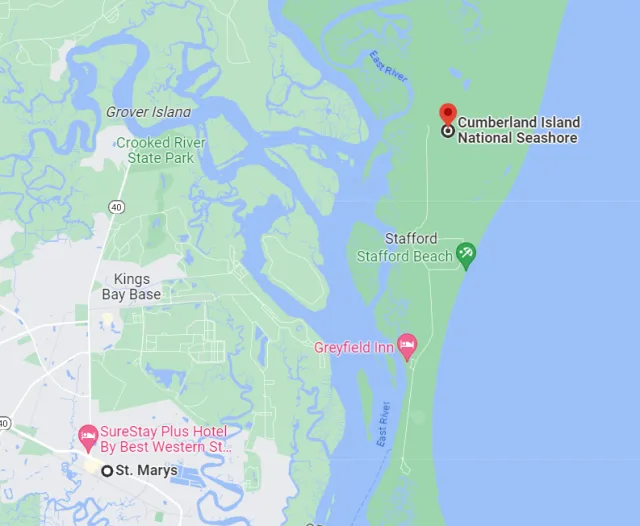
Inland, the island boasts extensive, lush maritime forests of live oaks draped in Spanish moss, freshwater ponds and swamps, and nearly 17,000 acres of sprawling salt marsh and tidal creeks along its western side. This vast, largely protected wilderness, which includes over 9,800 acres of designated federal wilderness, provides a critical, undisturbed habitat crucial for both resident and migratory wildlife along the Atlantic Flyway.
Designated as an Important Bird Area (IBA), Cumberland Island National Seashore is a crucial stopover and nesting ground, with over 322 bird species having been recorded. Birdwatching opportunities are excellent year-round, but spring and fall migrations are particularly rewarding for spotting numerous songbirds, including a variety of warblers.

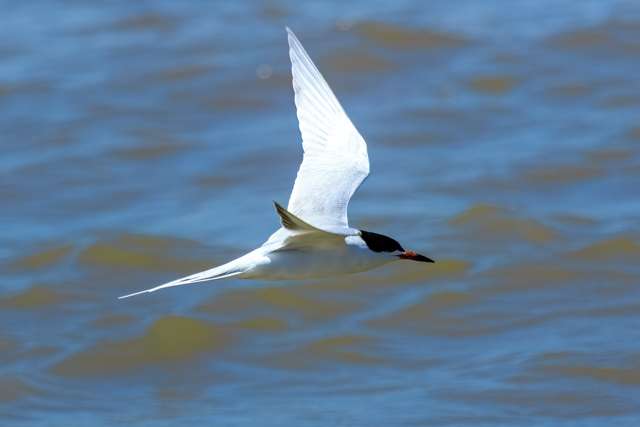
The island is one of the best places in Georgia to observe federally listed species; for example, shorebirds like the Piping Plover may be spotted on the beaches in winter, while Least Terns typically nest on the north end. The diverse habitats also support various raptors, numerous wading birds like Wood Storks, herons, and egrets around the freshwater ponds and marsh edges, and the brilliant Painted Bunting during the summer months in the maritime thickets.
Target Birds
Black Scoter
Gray Plover
Forster's and Royal Tern
Summer Tanager
Piping Plover
Marbled Godwit
The National Park Service has details for visitors arriving by boat at the island.
Chattahoochee Bend State Park
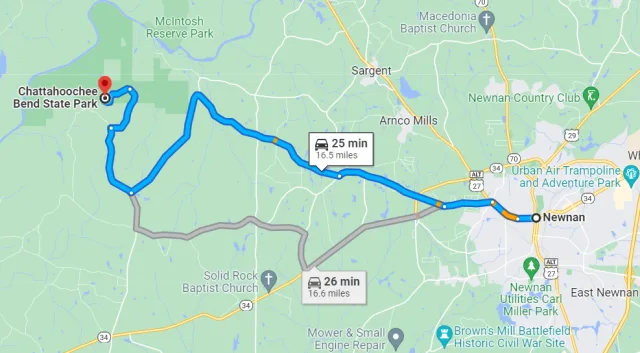
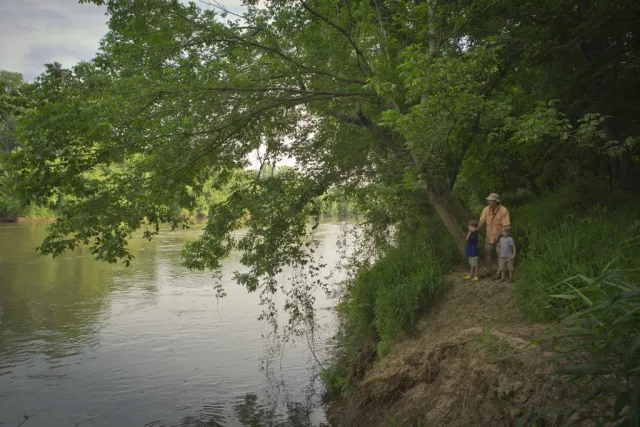
Chattahoochee Bend State Park, located in northwest Coweta County near the town of Newnan, is a vast, 2,910-acre wilderness tract that represents one of Georgia's newest and largest state parks. The park's geography is defined by its prime location in a graceful horseshoe bend of the Chattahoochee River, protecting approximately five miles of river frontage.
This riverine environment includes significant portions of river bottom forest and its associated floodplains. Moving away from the water, the terrain shifts into classic uplands featuring a mosaic of mixed deciduous and pine forests, with some open, grassy clearings. A network of over 12 miles of hiking trails, including the Riverside Trail, and a two-story observation tower offer visitors varied vantage points to explore the diverse habitats, which range from riparian zones to higher, drier forest ridges.
The park's diverse ecology along the Chattahoochee River corridor makes it a significant area for birdwatching, particularly during the spring and fall migrations as species follow the river system. The abundance of old growth and dead trees, or "snags," within the park's forests provides essential habitat for cavity-nesting birds, including several species of woodpeckers.
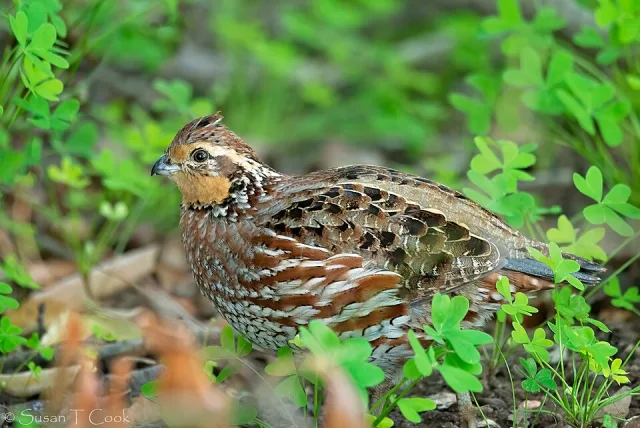
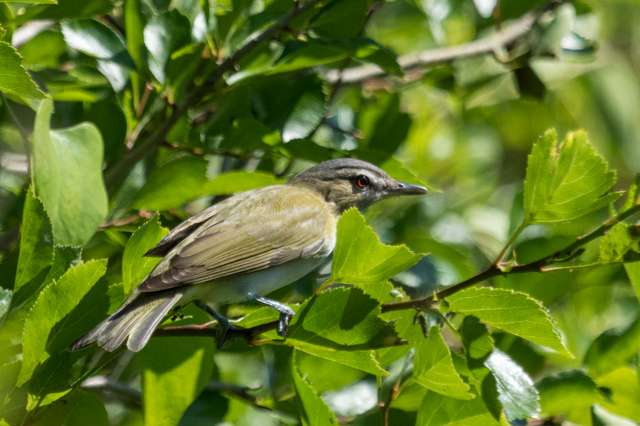
Notably, the park is home to a thriving population of the increasingly rare Red-headed Woodpecker, which favors its open woodlands. Birders can also look for residents like the Northern Cardinal, Carolina Chickadee, and various thrushes and vireos in the forest canopy, while the river's edge and open areas attract species like the Eastern Whip-poor-will and Northern Bobwhite. The park's commitment to conservation, including prescribed burns and maintaining standing deadwood, helps sustain these unique birding opportunities.
Target Birds
Brown-headed Nuthatch
Pine Warbler
Fish Crow
White-eyed and Red-eyed Vireo
Swainson's Thrush
Broad-wing Hawk
The local shire website has really nice information about the park, its facilities and camping there.
Phinizy Swamp Nature Park
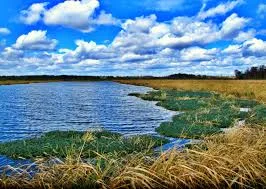
Phinizy Swamp Nature Park is a remarkable 1,100-acre urban oasis located just minutes from downtown Augusta, Georgia, nestled in the floodplain of the Savannah River. The park's geography is defined by its extensive, restored wetland ecosystem, which includes vast riverine marshland, bottomland hardwood forests dominated by bald cypress draped in Spanish moss, and several man-made water features known as the wetland cells.
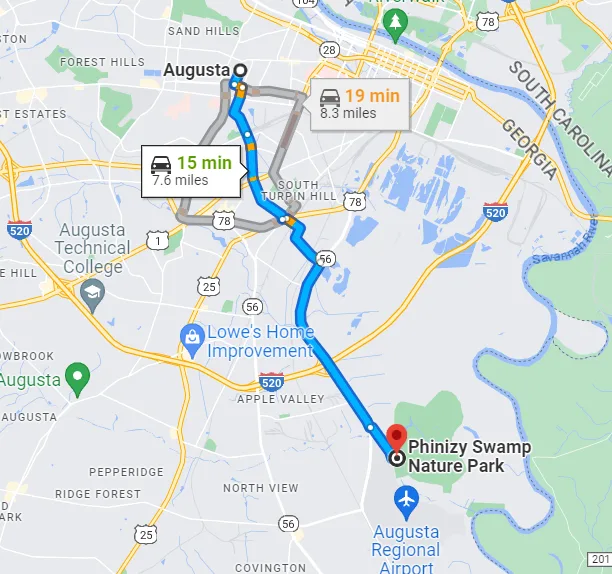
These cells serve a unique and vital function as a tertiary treatment stage for the city's wastewater, demonstrating a successful model of ecological engineering and conservation. Over 14 miles of accessible trails, including boardwalks and elevated berms, allow visitors to explore this diverse habitat, providing excellent vantage points over the water and through the cypress-tupelo swamp without disturbing the fragile environment.
As an Important Bird Area (IBA), Phinizy Swamp Nature Park is a premier destination for birdwatchers, boasting a species list of over 240 birds. The park’s diverse aquatic habitats, created by the constructed wetlands and ponds, attract a wide variety of wading birds and waterfowl. Birders frequently encounter Great Blue Herons, Great Egrets, Wood Ducks, and various species of teal, especially during the winter migration.
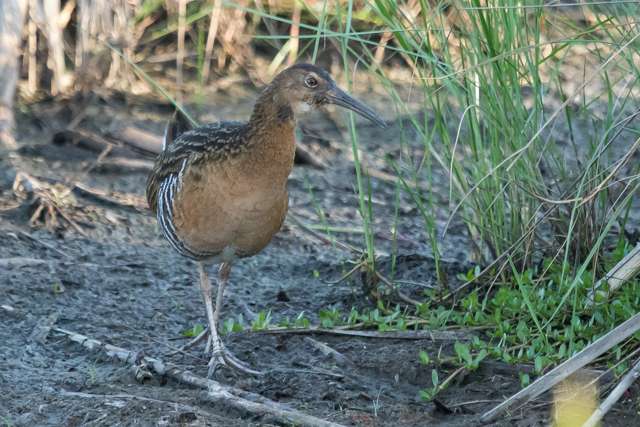
The swamp is also a reliable spot to observe raptors like Red-shouldered Hawks and nesting Ospreys on the prominent Windshear Tower. Furthermore, the dense riparian forests along Butler Creek offer refuge for numerous songbirds and are a prime location for spotting the elusive King Rail and seasonal rarities like the Black-bellied Whistling-Ducks and various warblers during migration. The accessibility and richness of the park make it an ideal place for both casual and dedicated birding throughout the year.
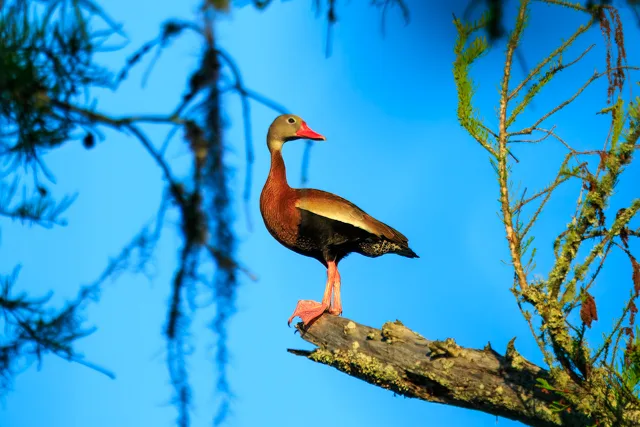
Target Birds
Black-bellied Whistling Duck
Pied-billed Grebe
Least Bittern
Red-shouldered Hawk
Painted Bunting
The Phinizy Center for Water Sciences is a great resource for visitors wanting to learn more about the preservation of this unique area.
Fort Pulaski NM
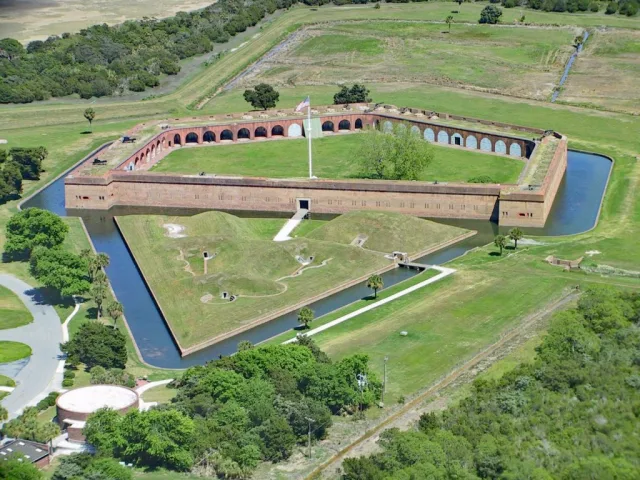
Fort Pulaski National Monument, a significant historical site, is situated on Cockspur Island at the mouth of the Savannah River in Coastal Georgia, near Tybee Island. The monument, spanning over 5,600 acres, is largely comprised of low-lying tidal salt marshes and mudflats that fringe the higher ground of Cockspur and the adjacent McQueens Island.
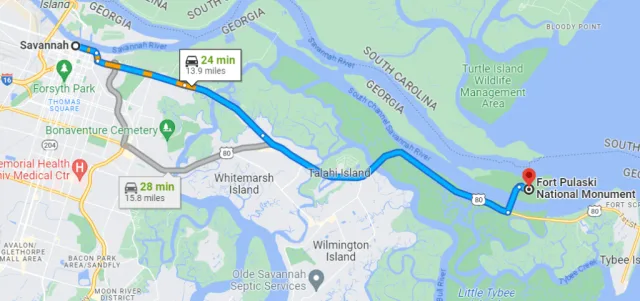
This geography is defined by the constant flow of estuarine waters, creating a nutrient-rich environment for wildlife. The core of the park features the massive 19th-century masonry fort, surrounded by managed upland habitats like maritime forest, scrub, and open fields, which contrast sharply with the expansive marsh. This diverse landscape of river, mudflat, marsh, and woodland serves as a crucial stopover and year-round residence for numerous avian species.
As a highlight on the Colonial Coast Birding Trail, Fort Pulaski offers exceptional and diverse birdwatching opportunities, with around 200 species recorded within its boundaries. The vast salt marshes are a prime location for spotting wading birds like Great Egrets, White Ibis, and various herons throughout the year.
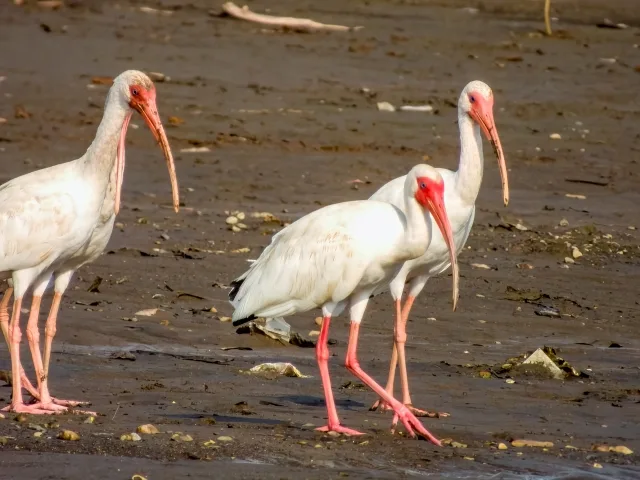
The marshlands also provide year-round habitat for secretive species such as the Clapper Rail, Marsh Wren, and Seaside Sparrow. Seasonal viewing is particularly rewarding; the forested edges and thickets on Cockspur Island are key to finding colorful migratory songbirds—including the sought-after Painted Bunting—during spring and fall. Additionally, the shoreline and exposed mudflats (especially at low tide) attract various shorebirds and waterfowl in the winter, while raptors like Osprey and Bald Eagles are frequently seen hunting over the river and marsh.
Target Birds
Short-billed Dowitcher
Brown Pelican
Great Crested Flycatcher
Osprey
Chimney Swift
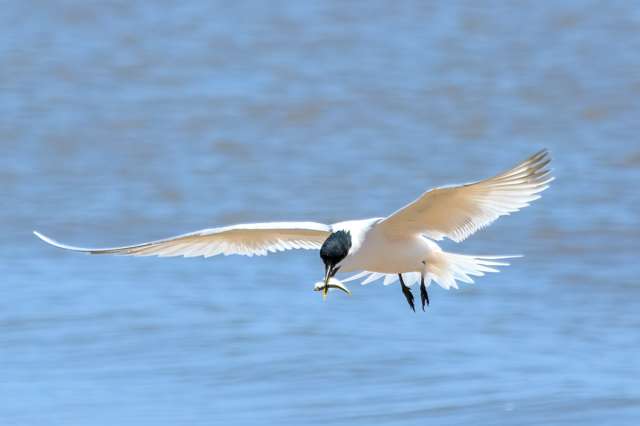
Sandwich Tern
The National Park Service webpage includes information about the history of the monument as well as advice for outdoor activities.
Oxbow Meadows
Oxbow Meadows Environmental Learning Center is an easily accessible urban nature retreat located in Columbus, Georgia, situated near the southern end of the city’s RiverWalk trail along the Chattahoochee River Valley. As an educational outreach facility of Columbus State University, its primary geographic feature is the surrounding hardwood wetland ecosystem typical of the West Central Georgia ecoregion.
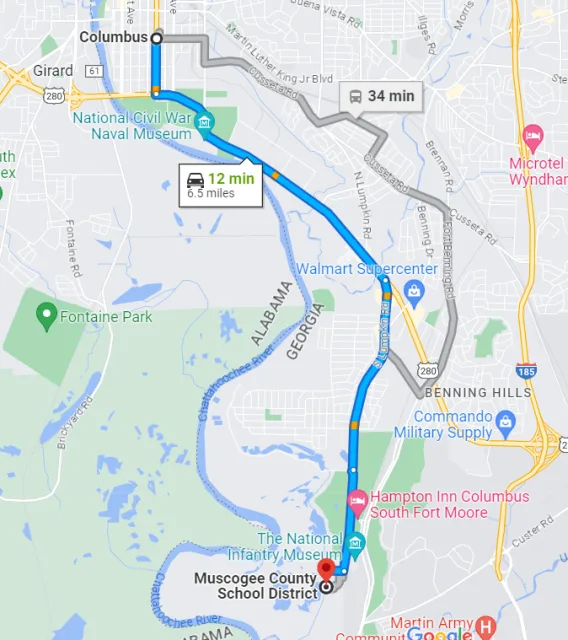
The property is a tapestry of habitats, including wetlands, forested uplands, ponds, a stream habitat, and a pollinator garden, all contributing to a rich local biodiversity. The center features two trail systems: a paved trail that connects to the RiverWalk, and natural, unpaved off-road trails, providing easy access to varied terrain for all visitors, even those in a bustling metropolitan area.
Oxbow Meadows is a recognized "top hotspot" for birding in the region, boasting a recorded species count of over 250 birds throughout the year. Its mosaic of wetlands and forest patches makes it an increasingly important stopover site for migratory birds, attracting both inland and coastal species during the spring (late February to early March) and fall (early September through October) migratory spikes.

The center recently expanded its offerings with the Walt & Frank Chambers Birding Trail, adding 2.5 miles of dedicated paths for birdwatching. Key sightings range from native species like the Double-crested Cormorant and Bald Eagle to more sought-after species, with occasional appearances by the Western Kingbird and the spectacular Swallow-tailed Kite, cementing its status as a vital location for both novice and experienced birdwatchers in the Chattahoochee Valley.

Target Birds
Little Blue Heron
Belted Kingifisher
Painted Bunting
Summer Tanager
Anhinga
- Hooded Warbler
Columbus State University has details about the Environmental Learning Center and the educational programs they offer about the area.

Altamaha WMA
The Altamaha Wildlife Management Area (WMA) is a massive conservation area encompassing approximately 30,000 acres on the Altamaha River Delta, near the coastal town of Darien in McIntosh County. Its location on Georgia's Atlantic coast places it squarely within the Atlantic Flyway, making it a critical hub for migratory birds.
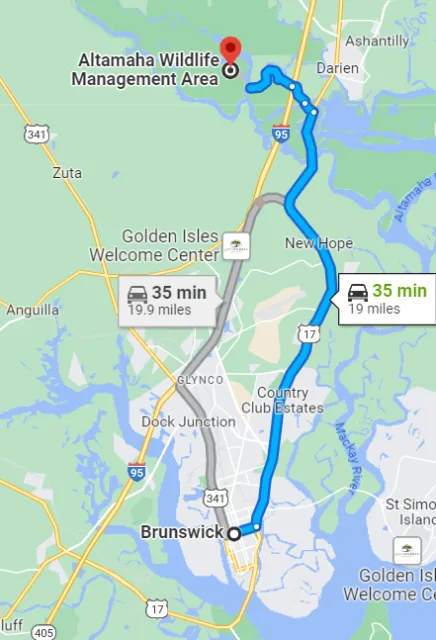
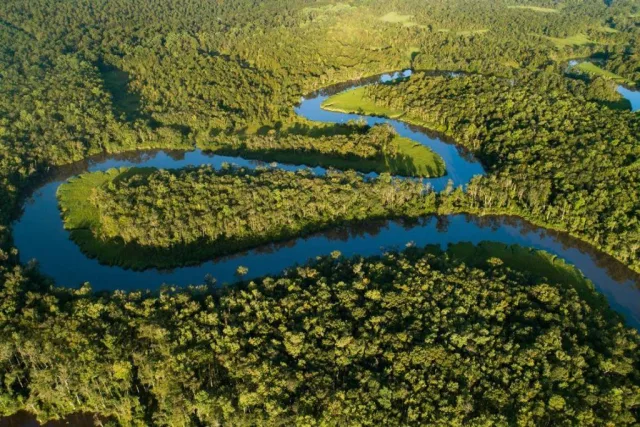
Geographically, the WMA is defined by the broad, low-lying river flood plain of the mighty Altamaha River, the largest free-flowing river on the East Coast. The area's diverse makeup includes around 3,154 acres of managed waterfowl impoundments (old, diked rice fields), along with vast stretches of bottomland hardwoods, cypress-tupelo swamps, tidal creeks, and small areas of open marsh and pine savanna. This complex mosaic of freshwater and brackish habitats, spread across islands like Butler and Champney, provides an optimal environment for wetland-dependent wildlife.
The sheer size and varied habitats of the Altamaha WMA translate into some of the best birdwatching opportunities in Georgia for wetland and waterfowl species. The area's primary focus on managing the impoundments for wintering waterfowl attracts thousands of ducks between fall and spring, including notable species like Black Ducks, Northern Pintails, and various species of Teal and Shovelers.
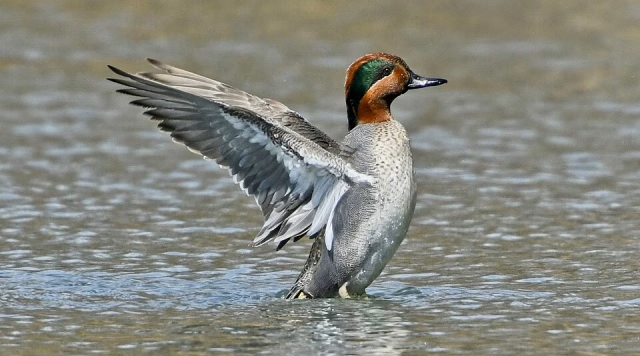
Beyond ducks, birders frequently spot a wide array of wading birds, such as the threatened Wood Stork, White Ibis, Glossy Ibis, and Great and Snowy Egrets. The forested and open areas are also productive, providing habitat for raptors like the Bald Eagle and migratory songbirds, including the vibrant Painted Bunting. Visitor facilities often include elevated viewing platforms and nature trails, especially on Champney Island, allowing birders excellent vantage points to observe the rich avian life.
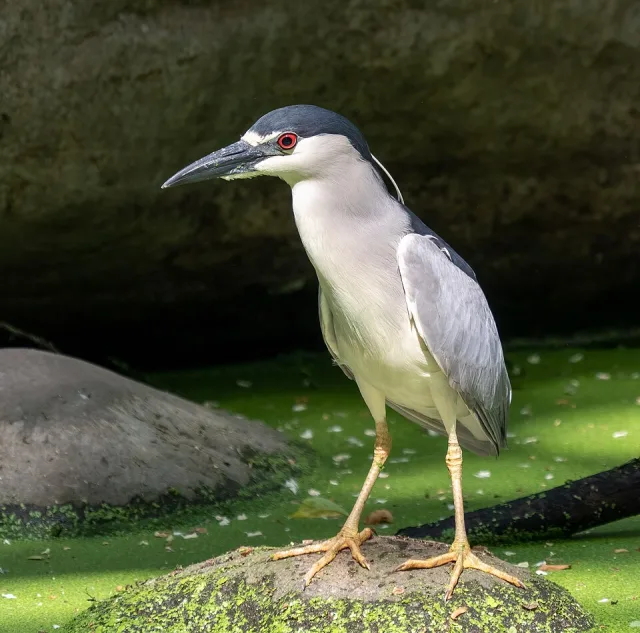
Target Birds
Mottled Duck
Black-necked Stilt
Black-crowned Night Heron
King Rail
Roseate Spoonbill
- Prairie Warbler
Georgia Birding Trails has access information as well as the bird species that may be seen there.
Sapelo Island
Sapelo Island, the fourth largest of Georgia's barrier islands, is a state-managed ecological and historical sanctuary located in McIntosh County on the central Georgia coast. Accessible only by a passenger ferry from the mainland, this isolation has preserved its diverse and largely pristine geography. The island's 16,500 acres are defined by the Atlantic Ocean to the east, providing miles of unspoiled sandy beach, and an expansive western flank dominated by the tidal rivers and vast salt marshes of the Sapelo Island National Estuarine Research Reserve.
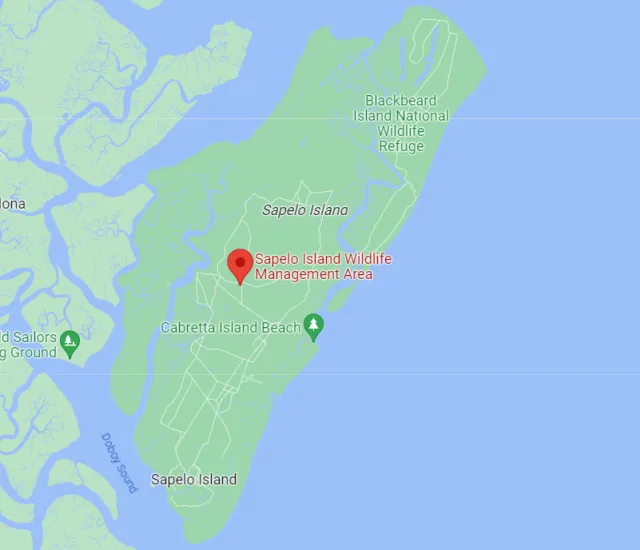
The interior features significant habitats, including maritime forests characterized by live oak hammocks and pine stands, as well as freshwater sloughs. This protected and varied landscape makes Sapelo Island a vital, largely intact stopover and breeding ground along the Atlantic Flyway.
The excellent preservation of Sapelo Island's ecosystems creates exceptional birdwatching opportunities year-round, particularly during the spring and fall migrations. The tidal flats and extensive salt marsh provide vital feeding and resting habitat for numerous shorebirds and wading birds, such as various sandpipers, oystercatchers, Great Blue Herons, and Snowy Egrets.
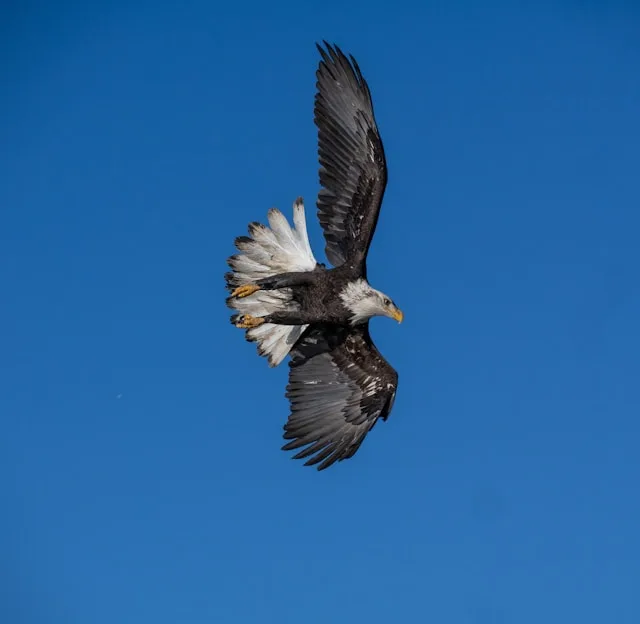
The dense maritime forests offer critical cover for neotropical migrants and are one of the best places in the state to spot the beautifully colored Painted Bunting during the summer breeding season. Sapelo is also home to a unique introduced population of the Plain Chachalaca—a species found nowhere else in the United States outside of Texas. Additionally, raptors like Bald Eagles and various hawks are frequent sights soaring above the marsh and forests, confirming Sapelo Island's status as a top birding destination.

Target Birds
Royal Tern
Northern Parula
Sanderling
Whimbrel
Willet
Red-headed Woodpecker
Sapelo Island Birdhouses has access and lodging information specifically for bird watchers.
Jekyll Island
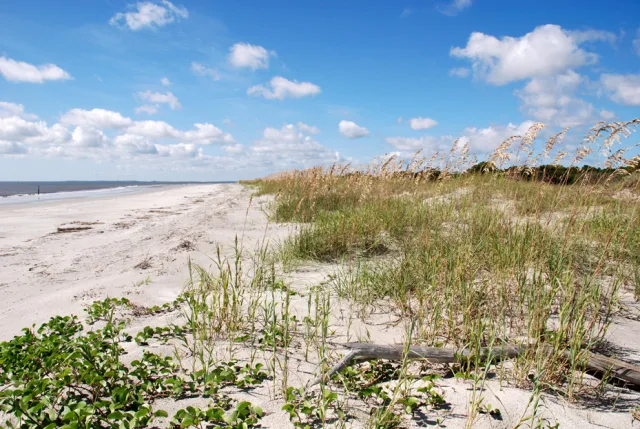
Jekyll Island is a prominent barrier island on the coast of Glynn County, Georgia, renowned as one of the state's four "Golden Isles" accessible by car via a causeway. Its geography is a classic example of a barrier island ecosystem, defined by 10 miles of Atlantic Ocean beach on its eastern side, gradually transitioning to extensive salt marshes and tidal creeks along the western shore, facing Jekyll Creek.
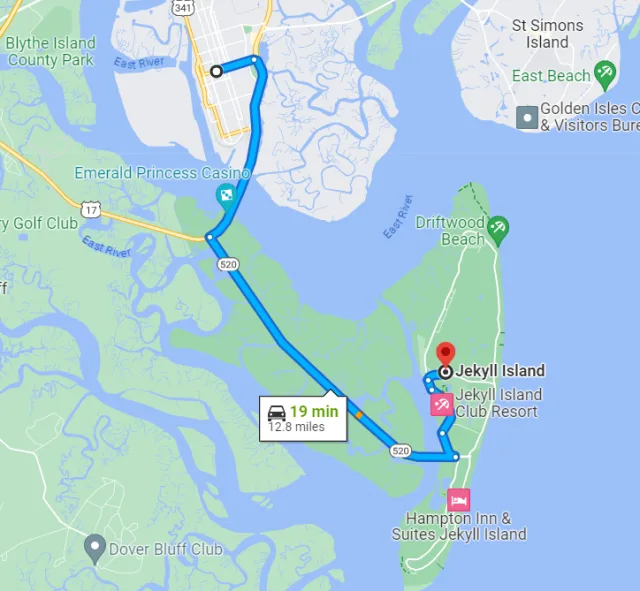
The island's interior is dominated by a mature maritime forest, primarily composed of live oak, magnolia, palmetto, and scrub oak, providing deep, protected habitat. The island measures only about seven miles long and one and a half miles wide, with a large portion of its 5,700 acres designated for conservation and limited development, ensuring that the natural environment remains pristine. This diverse mix of ocean, marsh, and forest creates a perfect ecological corridor for a vast range of avian life.
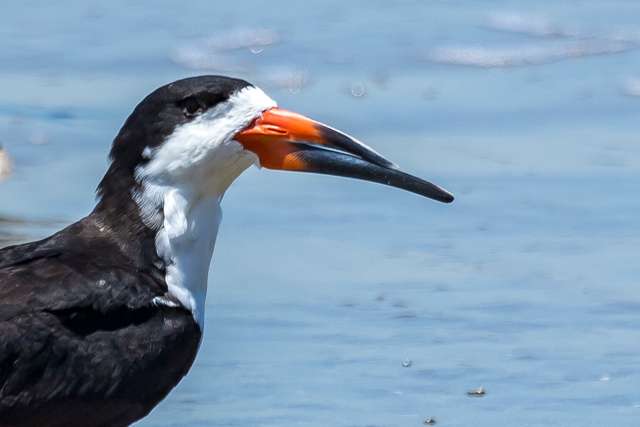
As a key stop on the Colonial Coast Birding Trail, Jekyll Island is a highly productive birdwatching destination, with over 300 documented species. The varying habitats offer year-round viewing opportunities. The beaches, particularly at the iconic Driftwood Beach and the South End Beach near St. Andrews Park, attract large congregations of shorebirds and seabirds, including Red Knots, Whimbrels, Black Skimmers, American Oystercatchers, and nesting Wilson's Plovers in the spring and summer.
The marshlands, easily viewed from platforms along the Jekyll Island Causeway and Horton Pond, are excellent for seeing wading birds like Roseate Spoonbills, herons, egrets, and elusive marsh sparrows (Saltmarsh and Nelson's Sparrows) during high tides. Furthermore, the island's maritime forests, accessible via over 20 miles of flat bike trails, are a critical haven for numerous migratory songbirds, including colorful warblers, Painted Buntings, and Northern Parulas, particularly during the spring and fall migrations.
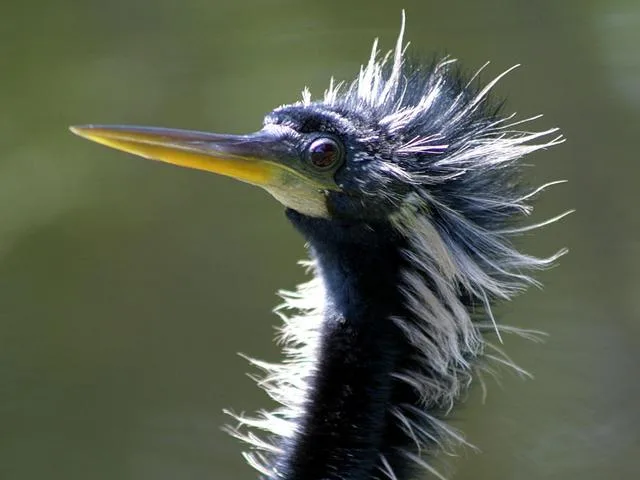
Target Birds
Least and Semipalmated Sandpiper
Roseate Spoonbill
Anhinga
Wilson's Plover
Black Skimmer
- Common Nighthawk
The Jekyll Island website has good details about where to bird across the island.
Wrapping Up
Georgia truly stands as a premier destination for birdwatchers across the spectrum of skill and interest. From the vast, primeval wilderness of the Okefenokee National Wildlife Refuge, offering an unparalleled glimpse into a prehistoric swamp ecosystem, to the critical migratory stopovers and nesting colonies found at Harris Neck NWR and Jekyll Island's diverse coastal habitats, the state provides a magnificent tapestry of avian life. The preservation of these crucial ecosystems—be they the freshwater swamps, saltwater marshes, maritime forests, or mountain woodlands—ensures that Georgia will continue to play a vital role in the health of the Atlantic Flyway.
The commitment of organizations like Oxbow Meadows and the National Wildlife Refuge system to conservation and environmental education makes these birding experiences accessible and deeply enriching. Whether you seek the spectacle of nesting Wood Storks, the brilliant flash of a Painted Bunting, or the thrill of tracking a rare warbler during migration, Georgia offers an enduring and rewarding quest. Grab your field guide, plan your route along the Colonial Coast Birding Trail, and prepare to be captivated by the remarkable avian diversity that defines the Peach State. The next sighting is waiting.
Coast to Coast Birding Road Trips You Can Do in a Long Weekend
