
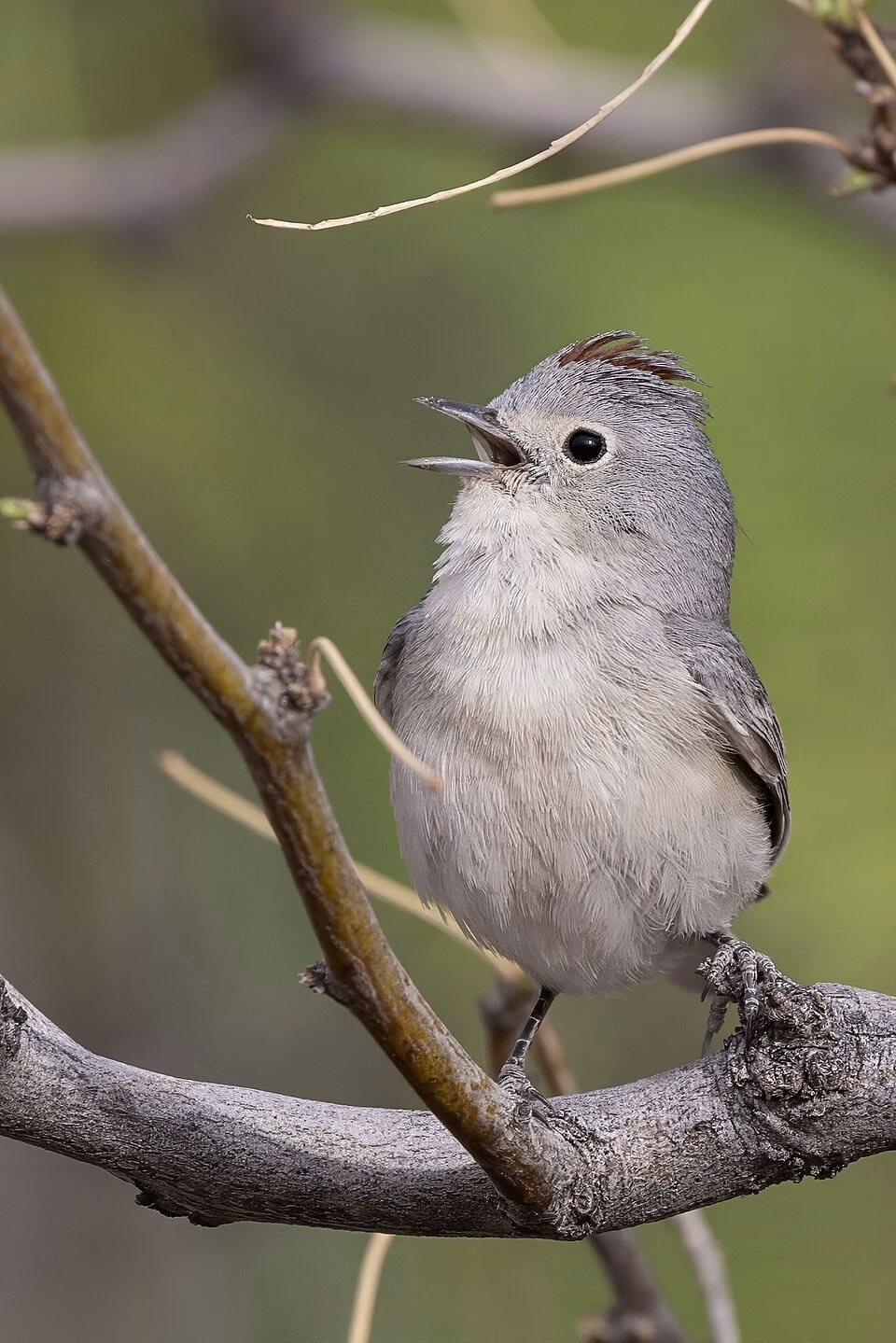
If your social media feeds have recently shifted from hyper-edited lifestyle vlogs to cinematic, slow-paced clips of Tufted Titmice, Great Blue Herons, and misty morning trails, you are not alone.
There is a quiet revolution happening in the outdoor space. Recent data highlights a massive cultural shift: nearly three-quarters of a million Gen Z participants have actively stepped into the birdwatching community. On TikTok and Instagram, hashtags like #BirdTok and #MindfulBirding are pulling in millions of views.
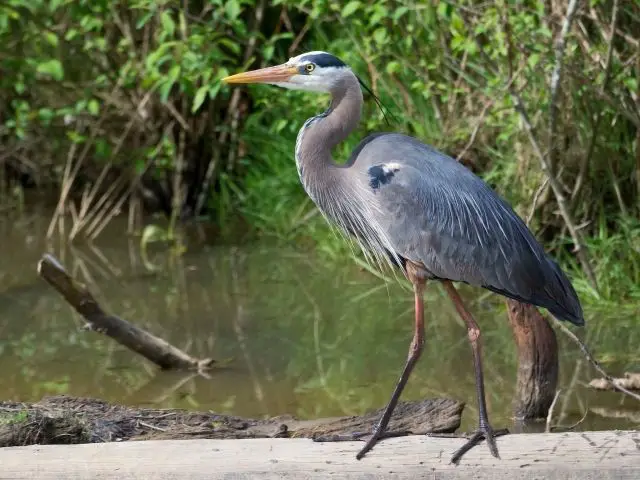
But this isn't your grandparents’ birdwatching. The younger generation isn't interested in ticking off species lists in rigid, gatekept hierarchies or sitting stationary in a lawn chair for six hours. Instead, they are rebranding wildlife observation as the ultimate form of "nature therapy"—using it to combat corporate burnout, heal academic anxiety, and reclaim their focus from the endless scroll.
If you are looking to trade digital noise for the peace of the woods, here is why birding is the exact mental health "glow-up" you need this spring, along with the new rules of digital field ethics.
1. The Science of "Birding as Medicine"

We live in a world designed to fragment our attention. Between Slack notifications, algorithmic feeds, and the constant pressure to optimize every hour of our lives, our brains are in a perpetual state of high alert.
Enter Attention Restoration Theory (ART). Behavioral scientists have long known that nature provides a type of sensory input called "soft fascination." Unlike a flashing smartphone screen, which demands direct, draining intellectual focus, watching a bird forage in the understory allows your brain's executive functioning system to go offline and rest.
Why Wildlife Observation Beats a Standard Walk
A standard walk is great, but it often leaves your mind free to ruminate on your to-do list. Birding introduces a sensory anchor. To find a bird, you have to:
De-center your vision and scan for subtle, micro-movements in the leaves.
Isolate specific acoustic frequencies (like the sharp chip of a migrating warbler).
Slow your physical pace to avoid startling wildlife.
The Avian Blueprint: Understanding a Bird's External Anatomy
This forced mindfulness acts as a circuit breaker for anxiety. You cannot worry about an upcoming performance review while actively trying to figure out if that flash of yellow in an elm tree is a Goldfinch or a Yellow Warbler.

2. The New Field Code: The Ethics of "Digital Quietness"
As birding intersects with the creator economy, a major debate is happening across community spaces regarding digital ethics. In the past, spotting a rare bird meant telling a local phone tree. Today, a single viral video with a geotag can send hundreds of people rushing to a fragile habitat, stressing the animal and destroying local vegetation.
If you are sharing your nature journey online, practicing digital quietness is the ultimate flex for protecting the wildlife you love.
3 Rules for Ethical Nature Content
| The Old Way | The Mindful Way | Why It Matters |
| Geotagging exact coordinates on social media or public maps. | Vague regional tagging (e.g., "Southeast Michigan" or just the State Park name). | Prevents overcrowding and protects nesting sites of sensitive species like owls and ground-nesters. |
| Using audio playback (looping bird calls on your phone) to lure a bird out for a closer photo. | Patient observation. Waiting quietly and letting the bird dictate the interaction. | Audio playback tricks birds into thinking a rival has entered their territory, wasting vital energy they need for migration and breeding. |
| Pushing physical boundaries to get the perfect close-up macro shot on a phone. | Using optical zoom or cropping the frame later to maintain physical distance. | Encroaching on a bird’s comfort zone can cause them to abandon nests or burn calories fleeing human presence. |
3. How to Start Your Mindful Birding Journey (Minus the Gatekeeping)
You do not need an expensive Gore-Tex shell, a $1,000 spotting scope, or a degree in avian taxonomy to call yourself a birder. Spaces like the Feminist Bird Club and Flock Together have completely rewritten the rules, proving that birding belongs to everyone, everywhere.
Start on Your Patio or Local Park: Some of the most dramatic wildlife interactions happen in ordinary urban green spaces. Look for pocket parks, community gardens, or retention ponds.
Lean on Free Tech: Download the Merlin Bird ID app (developed by the Cornell Lab of Ornithology). Its "Sound ID" feature acts like Shazam for the woods, listening to the environment in real-time and identifying the species singing around you. It is the perfect training tool for tuning your ears to the canopy.
Focus on Behavior, Not Just Names: Don't stress if you can't tell five different species of sparrow apart right away. Instead, watch the story of the bird. What is it eating? How is it interacting with its mate? Is it collecting nesting material?
Join the Discussion: How has stepping outside and unplugging helped you navigate burnout this season? What was the first bird that made you stop, look up, and completely forget about your phone? Let’s talk about it in the comments below!
