
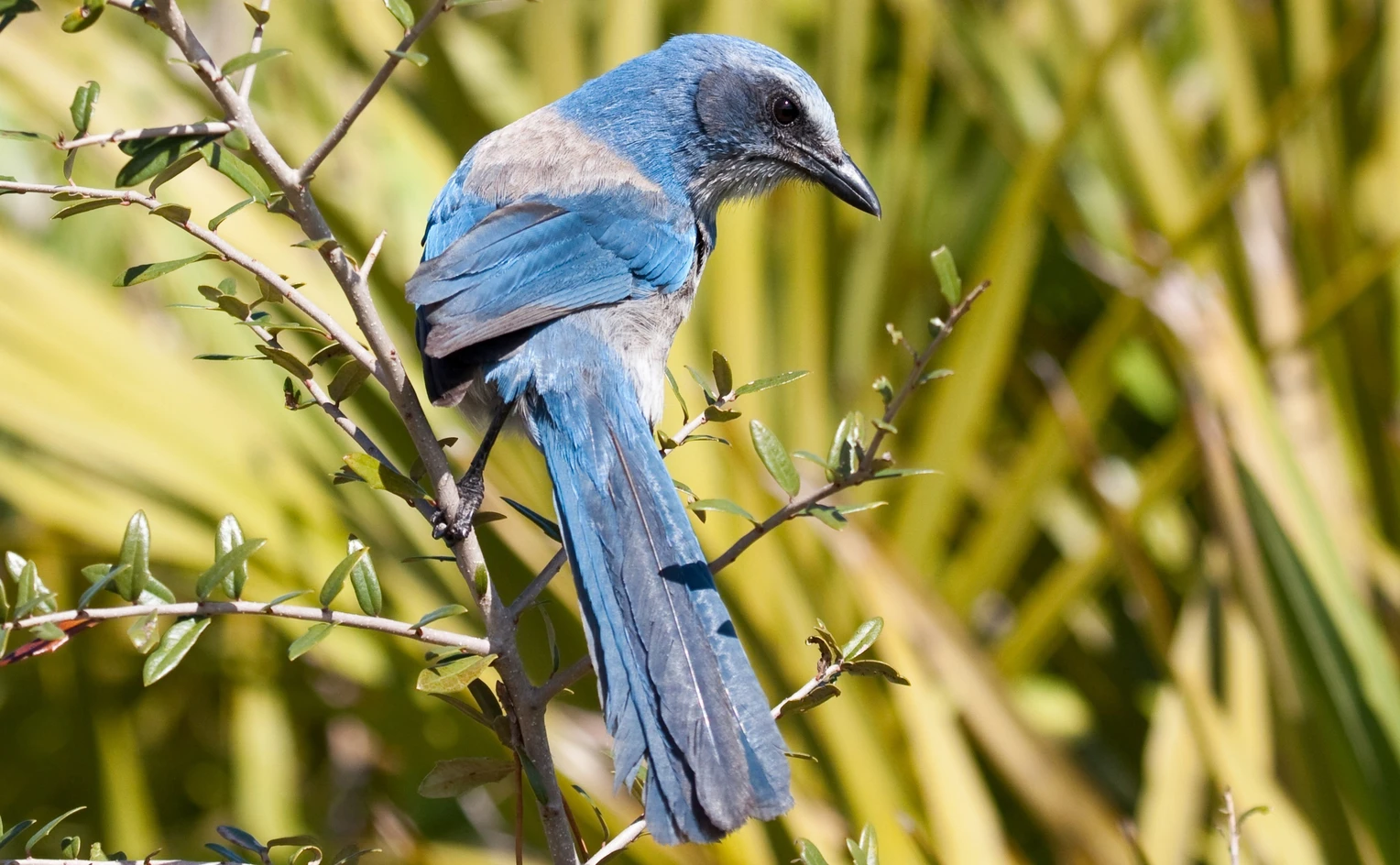
Florida, the Sunshine State, is a global hotspot for birdwatching, a true ornithological paradise where the convergence of subtropical climate, vast coastlines, and unique wetlands creates an environment unmatched in avian biodiversity. Serving as a crucial gateway on the Atlantic Flyway, Florida hosts over 500 documented bird species, ranging from brilliant tropical residents to a stunning array of migratory waterfowl, raptors, and shorebirds.
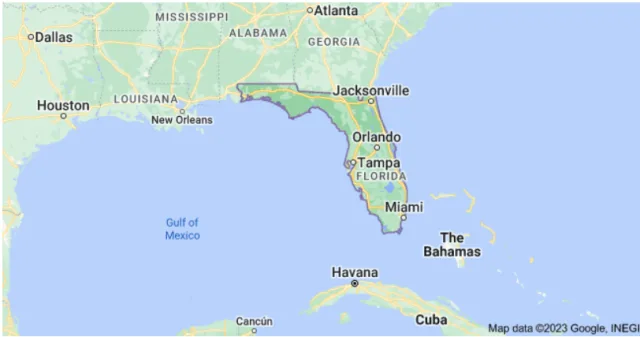
At the heart of this avian abundance lies the legendary Everglades National Park, a sprawling river of grass that is an essential breeding and foraging ground for massive colonies of wading birds like the Roseate Spoonbill and the Wood Stork. Equally vital, and holding a revered place in conservation history, is Pelican Island National Wildlife Refuge—America's very first National Wildlife Refuge, established in 1903 to protect nesting colonies of Brown Pelicans and other significant coastal species. This article will take you on a journey through these iconic Florida birding destinations, revealing why the peninsula is a must-visit for anyone seeking a glimpse of America's most spectacular and colorful birdlife.
St. Marks National Wildlife Refuge
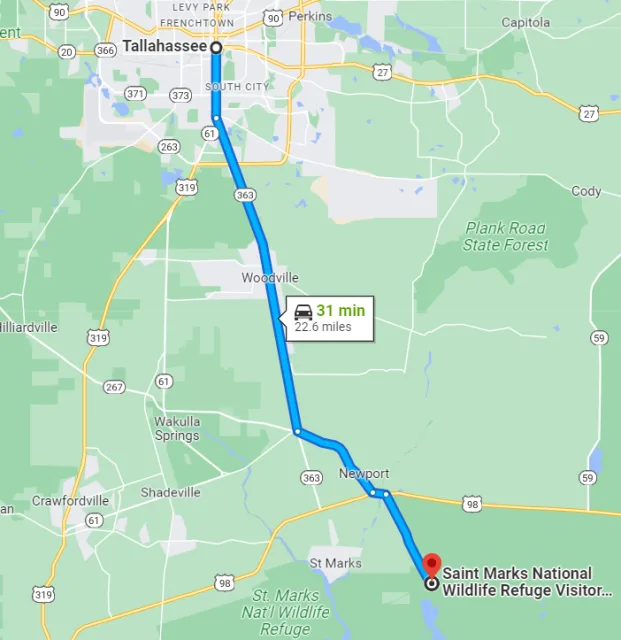
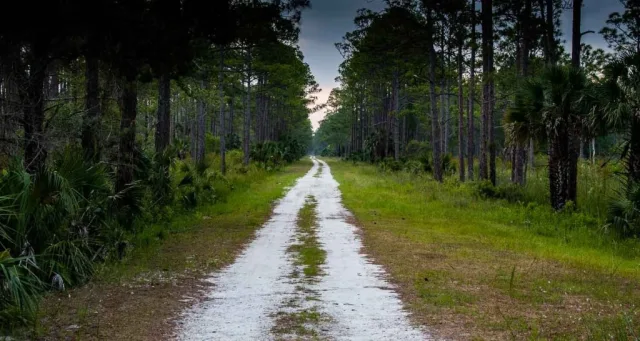
The St. Marks National Wildlife Refuge, one of the oldest refuges in the U.S. National Wildlife Refuge System, is a vast and ecologically critical area located along the Gulf Coast of Florida's "Big Bend" or Panhandle region, roughly 25 miles south of Tallahassee. Encompassing over 83,000 acres, its geography is a rich mix of saltwater marshes, tidal creeks, estuaries of seven North Florida rivers, freshwater impoundments, hardwood swamps, and long stretches of pine flatwoods and uplands.
This diverse tapestry of habitats, which also includes a significant portion of Apalachee Bay and the historic St. Marks Lighthouse, makes it a critical nexus for coastal and inland species. The refuge was established in 1931 specifically to provide vital wintering habitat for migratory birds, underscoring its historical importance as a stop on the Atlantic Flyway.
The sheer variety of ecosystems at St. Marks translates into exceptional birdwatching opportunities year-round, with over 300 species recorded. As a premier destination on the Great Florida Birding Trail, the refuge is celebrated for its seasonal waterfowl abundance, particularly from November through December, when the managed freshwater pools (like the Lighthouse and Mounds Pools) teem with species like Canvasback, Redhead, and American Black Ducks.

Fall and spring are peak migration seasons, bringing in a massive flux of songbirds, including warblers and flycatchers, and a spectacle of shorebirds feeding on the exposed mudflats. Rarer resident birds like the federally protected Red-cockaded Woodpecker can be sought in the pine forests, while the marshes and impoundments are reliably home to wading birds such as the Roseate Spoonbill, White Ibis, and wintering raptors like the Northern Harrier and Bald Eagle.

Target Birds
American Flamingo
Clapper Rail
Black Skimmer
Tricolored Heron
Reddish Egret
Brown-headed Nuthatch
Northern Parula
The U.S. Fish and Wildlife Service has a great page about the refuge with information for visitors, summer camps and current events.
J.N. "Ding" Darling National Wildlife Refuge
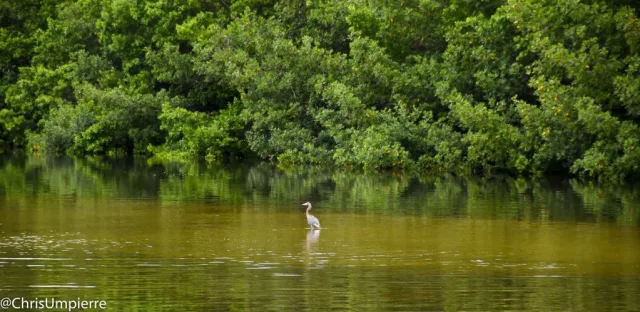
The J.N. "Ding" Darling National Wildlife Refuge is an internationally renowned birding destination located on the subtropical barrier island of Sanibel, off the southwest coast of Florida in the Gulf of Mexico. Its geography is defined by a vast, intricate network of estuarine ecosystems. Crucially, the refuge is part of the largest undeveloped mangrove ecosystem in the United States, featuring a mix of red, black, and white mangroves that line tidal flats, submerged seagrass beds, and cordgrass marshes.
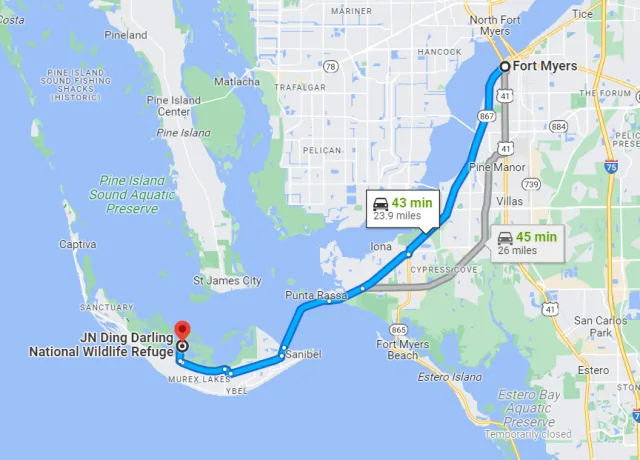
This protected environment, comprising over 6,400 acres, also includes artificial impoundments and the separate Bailey Tract, which offers interior freshwater marsh and upland habitat, creating a critical blend of saltwater and freshwater zones that sustains diverse wildlife populations.
This rich and varied geography makes "Ding" Darling a spectacle for birders, especially during the peak winter migration months when over 245 bird species can be found. The refuge is world-famous for its dazzling displays of wading birds that feed in the shallow tidal pools and mudflats.
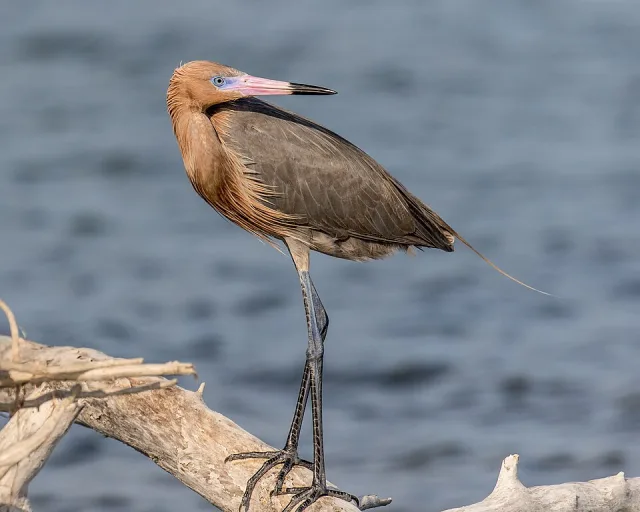
Key sightings include the iconic Roseate Spoonbill, with its vibrant pink plumage, along with abundant numbers of Wood Storks, White Ibis, and various herons and egrets (like the Reddish Egret). Access is provided primarily by the 4-mile, one-way Wildlife Drive—which can be explored by car, bike, or on foot—and a system of walking trails and paddling launches that allow visitors to delve deep into this spectacular coastal wilderness.
Target Birds
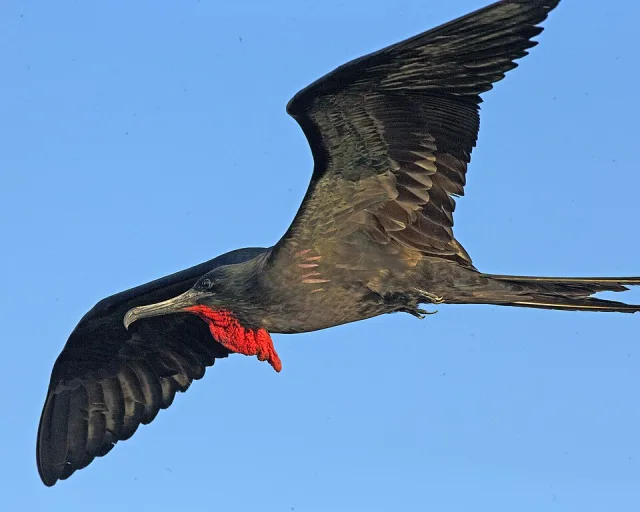
Magnificent Frigatebird
Anhinga
Green Heron
Reddish Egret
Mangrove Cuckoo
Black-throated Blue Warbler
The USFWS has up to date notices about accessibility to the park.
Hobe Sound National Wildlife Refuge
Hobe Sound National Wildlife Refuge, officially named the Nathaniel P. Reed Hobe Sound National Wildlife Refuge, is an ecological treasure located on Florida's southeastern coast in Martin County, nestled between the towns of Jupiter and Stuart. The refuge's unique geography is split into two distinct tracts by the Indian River Lagoon, a biodiverse estuary.
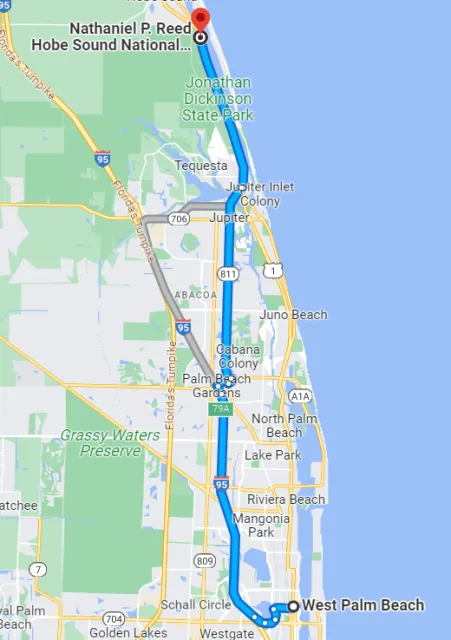
The Jupiter Island Tract boasts $3.5$ miles of pristine, undeveloped Atlantic Ocean beach—the longest stretch of its kind in Southeast Florida—characterized by coastal dunes and strands. The Mainland Tract contains one of the region's few remaining expanses of the rare Florida sand pine scrub habitat, along with tropical hardwood hammocks and nearly 10 miles of mangrove communities bordering the lagoon. This sharp division between barrier island, estuary, and mainland scrub creates an exceptional, concentrated tapestry of ecosystems.
This diverse geographical mix makes Hobe Sound NWR a year-round haven for birdwatchers and a recognized hotspot on the Great Florida Birding Trail. The coastal beach is vital for shorebirds, offering sightings of species like the Wilson's Plover during nesting season, and attracting winter visitors such as loons and the spectacular Northern Gannet offshore. On the mainland, trails wind through the fragile sand pine scrub, where birders can look for specialized scrub species.
Meanwhile, the mangrove-lined shores of the Indian River Lagoon are crucial for wading birds like the Yellow-crowned Night Heron, and provide excellent perching and fishing opportunities for raptors, including Osprey and Bald Eagles. During migration, the hardwood hammocks serve as critical stopovers, drawing a variety of colorful Warblers to rest and forage before or after their long overwater journeys.

Target Birds
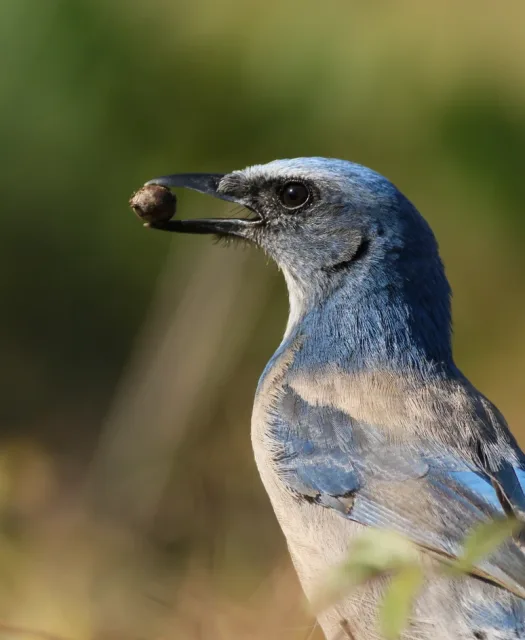
Florida Scrub-Jay
Fish Crow
Common Ground Dove
Short-tailed Hawk
Red-cockaded Woodpecker
Chuck-will's-widow
The USFWS website has information like beach closures and volunteer area cleanups.
Key West National Wildlife Refuge
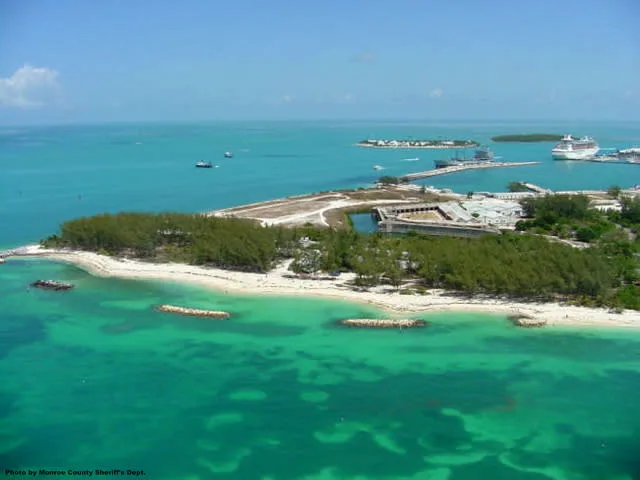
The Key West National Wildlife Refuge (NWR) is a sprawling, federally protected area encompassing nearly 190,000 acres of open water and islands situated west of Key West and extending to the Marquesas Keys. Established in 1908 by President Theodore Roosevelt to combat the rampant plume hunting trade, the refuge is primarily a marine environment, with only about 2,000 acres of land above sea level spread across 26 keys.
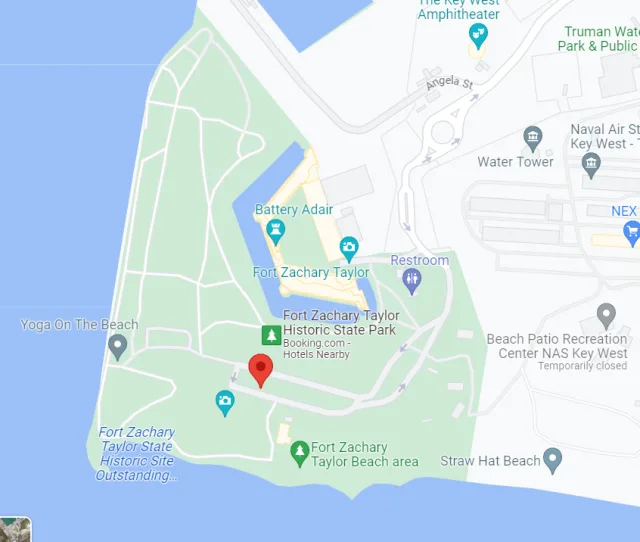
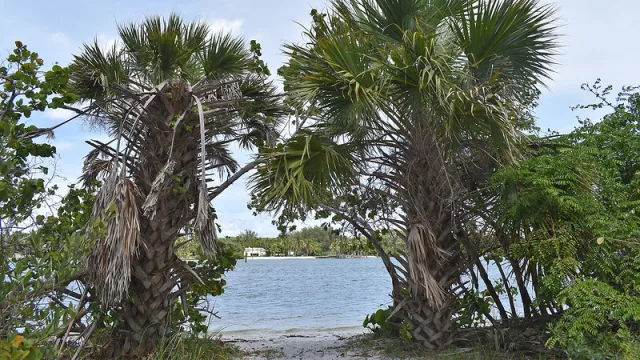
Its geography is dominated by extensive shallow saltwater flats, vibrant seagrass beds, and the crucial dense, looping root systems of mangrove islands. These islands also feature low-lying coastal berm hammocks, as well as a few precious sandy beaches and dunes. Importantly, the islands are uninhabited and designated as part of the Florida Keys Wilderness, accessible only by boat, ensuring minimal human disturbance to the fragile ecosystems.
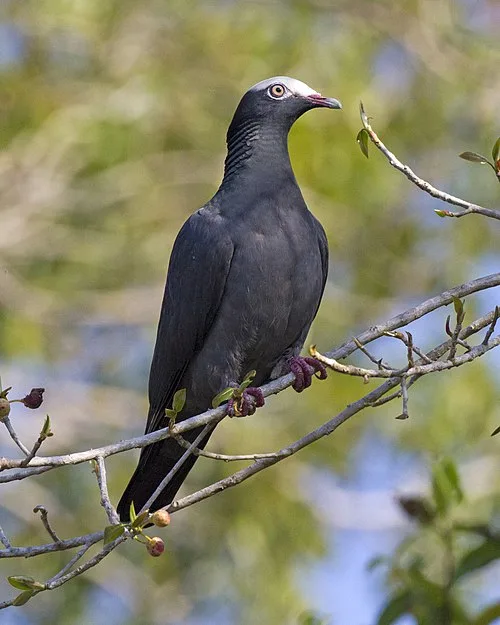
This remote, protected geography makes the Key West NWR an absolute haven for over 250 species of birds, particularly colonial nesting birds, wading birds, and migratory seabirds. The abundance of mangrove forests provides vital, raccoon-free nesting and roosting sites for species like Ospreys, White-crowned Pigeons, and the Magnificent Frigatebird, which can often be seen soaring overhead. The vast, shallow sand flats surrounding the islands are essential foraging grounds, attracting large numbers of Great White Herons and Great Blue Herons, along with shorebirds like the federally listed Piping Plover.
Visitors taking boat or kayak tours have exceptional opportunities for wildlife observation and photography, getting close views of these species in their natural, protected habitat, especially during the fall and spring migrations when the number of transient raptors and songbirds swells dramatically.
Target Birds
White-crowned Pigeon
Blackburnian and Blackpoll Warbler
Roseate Tern
Gray-cheeked Thrush
Fork-tailed Flycatcher
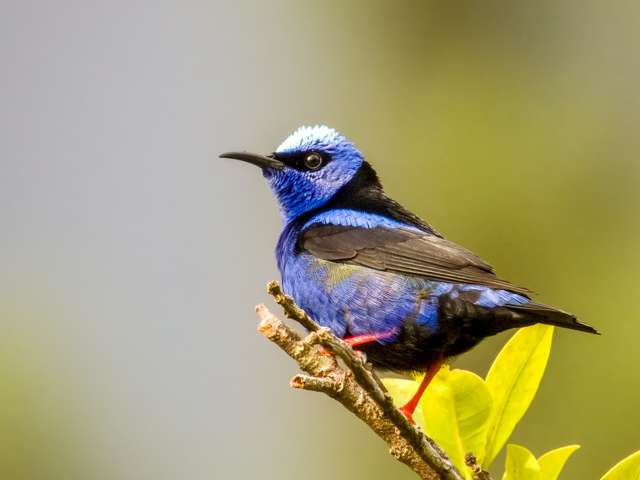
Red-legged Honeycreeper
The Florida Birding Trail has a lovely description of the area as well as other details.
The Avian Rainbow: Understanding the Science and Splendor of Multi-Colored Birds
Pelican Island National Wildlife Refuge
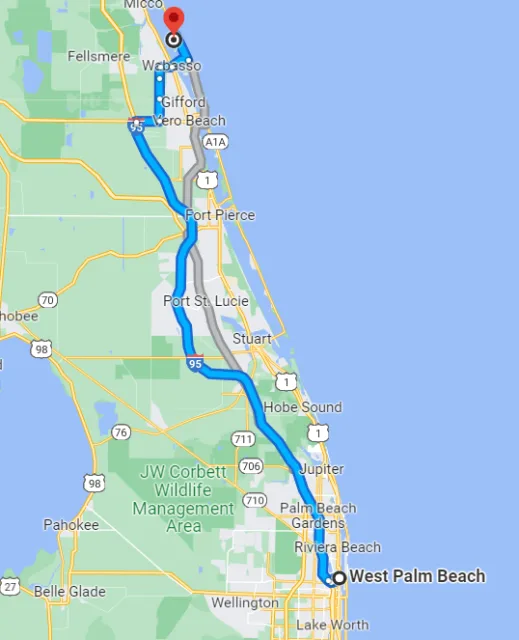
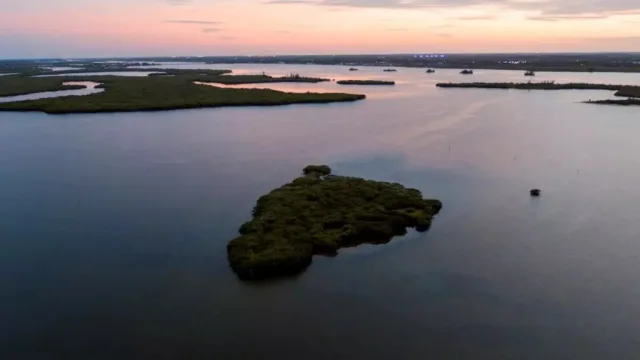
Pelican Island National Wildlife Refuge is situated on Florida's central eastern coast near the town of Sebastian, Florida. This historically significant location is famous for being America's very first National Wildlife Refuge, established in 1903 by President Theodore Roosevelt. Its geography is defined by its position within the vast and biologically diverse Indian River Lagoon, which is a brackish estuarine system that acts as a transition zone between Florida's temperate and subtropical climates.
The refuge encompasses the original Pelican Island—a small, mangrove-fringed island that is closed to the public—and over 5,400 acres of protected surrounding waters, salt marshes, and managed uplands. The mixture of mangrove forests, tidal mudflats, and open lagoon waters creates a rich, interconnected environment that sustains a complex web of life.
The birdwatching opportunities at Pelican Island NWR are exceptional, especially during the nesting season and the winter months. The main attraction is the Brown Pelican rookery on the island proper, where hundreds of these iconic birds nest alongside other species like Wood Storks, Anhingas, and various egrets and herons (including Great Blue Herons and Snowy Egrets). While the island itself is protected, visitors can enjoy outstanding views from the mainland via the Centennial Trail, which features an elevated, accessible observation tower overlooking the famous rookery.
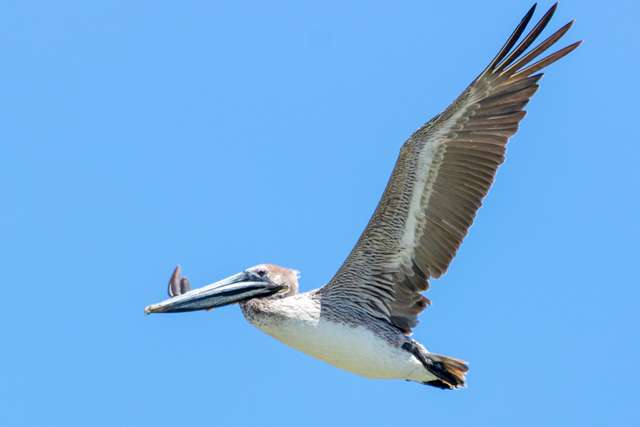
Additionally, the surrounding refuge lands offer trails through salt marsh and mangrove habitats, providing chances to see wintering American White Pelicans, migratory waterfowl like Blue-winged Teal, and coastal raptors such as Osprey. The refuge's crucial location on the Atlantic Flyway ensures that over 130 bird species utilize the area for feeding, resting, and nesting, making it a powerful testament to conservation.
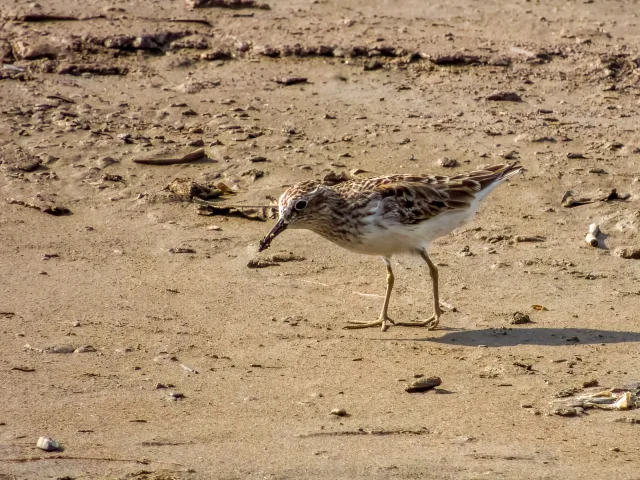
Target Birds
Wood Stork
Glossy Ibis
Sandhill Crane
Mottled Duck
American White Pelican
Western Sandpiper
The USFWS has details of tram tours as well as other information.
Everglades National Park
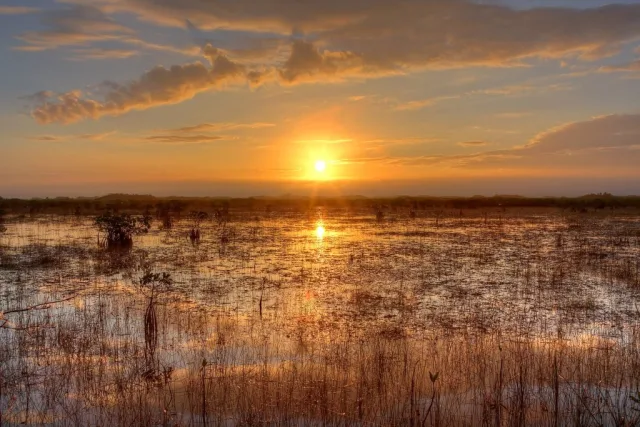
Everglades National Park, located at the southern tip of the Florida peninsula, is an expansive and globally unique subtropical wilderness covering over 1.5 million acres. Its geography is famously defined by its hydrology—it is a slow-moving, shallow, freshwater river of sawgrass marsh, often referred to as the "River of Grass," flowing imperceptibly from Lake Okeechobee southwestward toward Florida Bay.
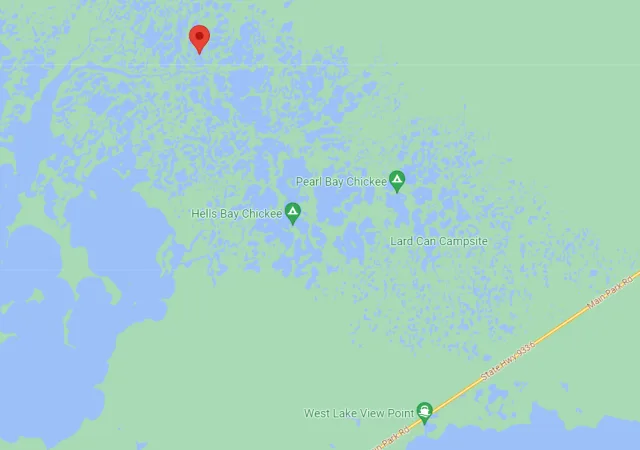
This vast, flat landscape, underlain by a porous limestone bedrock, includes a complex tapestry of nine major interdependent ecosystems. These range from the extensive freshwater sloughs and marl prairies dominated by sawgrass, to tropical hardwood hammocks (tree islands), cypress swamps, and the largest contiguous stand of mangrove forests in the Western Hemisphere, where the freshwater meets the marine and estuarine zones of the coast.
This immense and diverse habitat makes the Everglades the single most important breeding ground for tropical wading birds in North America. Birdwatching here is spectacular, particularly during the dry season (roughly November to April), when receding water levels concentrate fish and other prey, bringing huge flocks of birds closer to viewing areas.
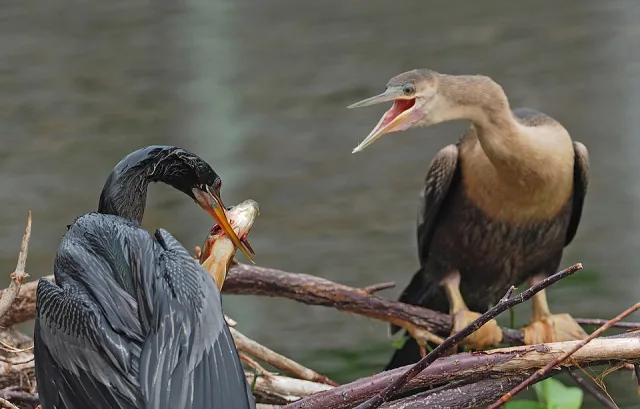
Visitors regularly encounter the park's iconic species: the vibrant Roseate Spoonbill, the endangered Wood Stork, and a host of herons and egrets, including the Great Egret, Snowy Egret, and Tricolored Heron. Specialized raptors like the Snail Kite, which feeds almost exclusively on the invasive apple snail, are also a major draw. Key birding hot spots include the Anhinga Trail for close-up views of wading birds and Anhingas, the Shark Valley observation tower for sweeping marsh vistas, and the Flamingo area for coastal species and Mangrove Cuckoos.

Target Birds
American Avocet
White-tailed Hawk
Eastern Screech-Owl
Limpkin
Snail Kite
American Flamingo
The Everglades NP website has a ton of details about accessing the park and even a link to an app.
Anastasia State Park
Anastasia State Park, covering over 1,600 acres, is located on a peninsula on Anastasia Island, directly across Matanzas Bay from the historic city of St. Augustine, Florida. Its coastal geography is a captivating mix of pristine, unspoiled beaches, ancient sand dunes, and a globally rare maritime hammock forest that provides deep, shaded cover.
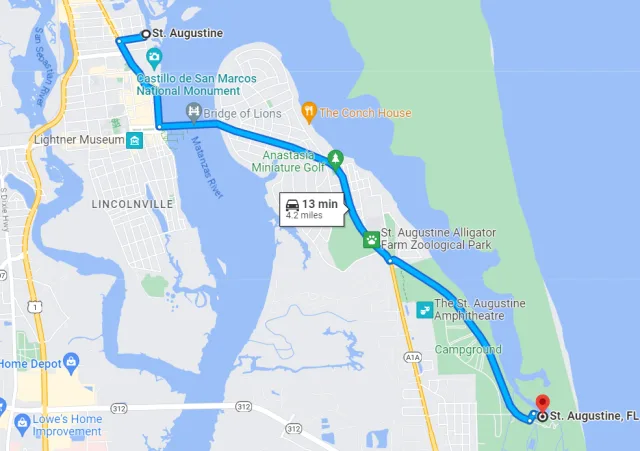
Crucially for wildlife, the park features an extensive tidal salt marsh along a portion of Salt Run, the inlet that separates the park from the mainland. This blend of marine, estuarine, and upland habitats creates a miniature ecosystem that is remarkably diverse and ecologically critical, making it a designated site on the Great Florida Birding and Wildlife Trail.
The rich tapestry of habitats at Anastasia State Park translates into a year-round paradise for birdwatchers, boasting a checklist of over 200 species. The salt marsh and tidal flats are foraging grounds for magnificent wading birds, where birders can spot the brilliant pink of Roseate Spoonbills, Wood Storks, and various herons and egrets, including the tricolored heron.

The park's four miles of protected beach and coquina-sand dunes are essential for coastal species, hosting nesting colonies of imperiled birds like Least Terns and Black Skimmers during the summer. Furthermore, the maritime hammock and upland scrub act as a crucial refuge for migratory songbirds like Painted Buntings and various warblers during the spring and fall, offering concentrated birding opportunities along the park's winding nature trails.
Target Birds
Wilson's Plover
Sanderling
Black Skimmer
Painted Bunting
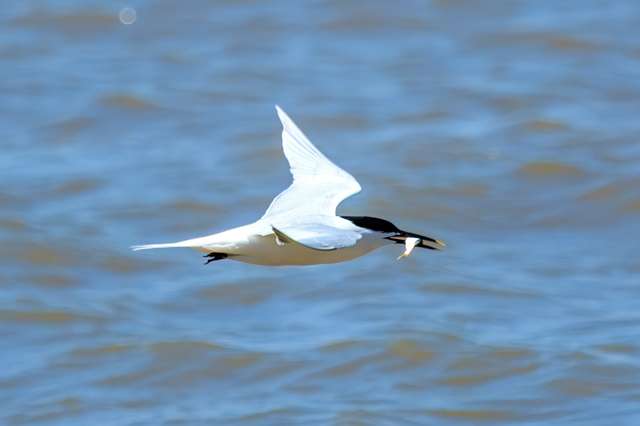
Sandwich Tern
- Green Heron
The Florida State Parks website has a lot of information about the habitats and bird species to be seen here.
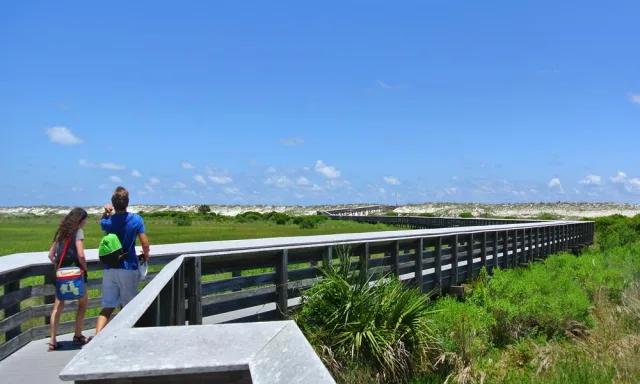
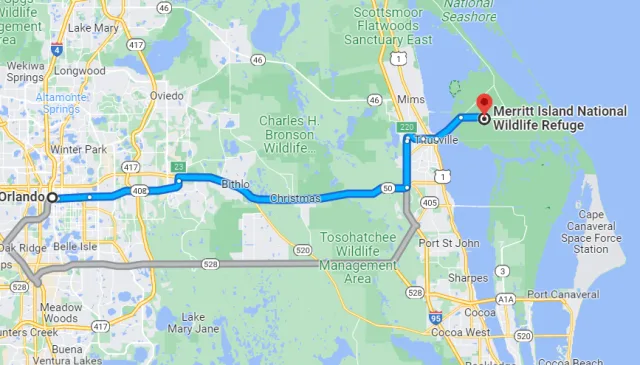
Merritt Island National Wildlife Refuge
Merritt Island National Wildlife Refuge (NWR) is a sprawling, 140,000-acre sanctuary located on Florida's Atlantic Coast, directly overlaid with the grounds of the Kennedy Space Center near Titusville. This unique geography, on Florida's largest barrier island, positions it between the Atlantic Ocean, the Mosquito Lagoon, and the Indian River Lagoon, which is one of the most biodiverse estuarine systems in North America.
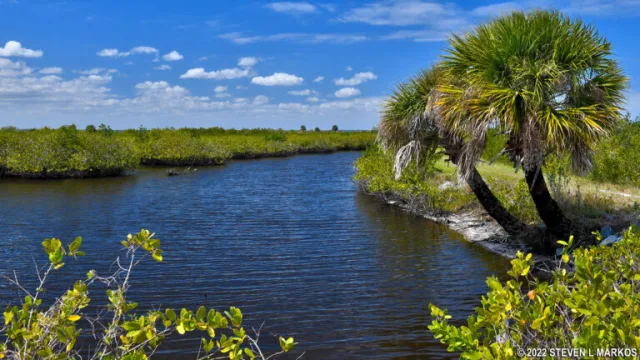
The refuge’s landscape is a complex patchwork of habitats, including expansive saltwater marshes, managed freshwater impoundments, coastal dunes, pine flatwoods, and hardwood hammocks. This incredible diversity is due in part to the refuge's location at the transition zone between subtropical and temperate climate zones, making it a critical ecological area and a vital stop on the Atlantic Flyway migration corridor.
The consequence of this rich geography is one of the premier birdwatching destinations in the United States, with over 350 recorded species. The shallow impoundments and marshes are especially productive, attracting huge numbers of wading birds like the Roseate Spoonbill and various species of herons and egrets, as well as dense concentrations of wintering waterfowl, including Northern Pintail and Blue-winged Teal.
The seven-mile, one-way Black Point Wildlife Drive is world-renowned for providing excellent, close-up, car-based viewing of these wetland species. Furthermore, the refuge is an essential place to spot the endangered, Florida-endemic Florida Scrub-Jay in the scrub ridge habitats, and the area serves as a major breeding ground for species like the Brown Pelican and Bald Eagle, ensuring rewarding birding year-round.

Target Birds
Black-necked Stilt
Red-shouldered Hawk
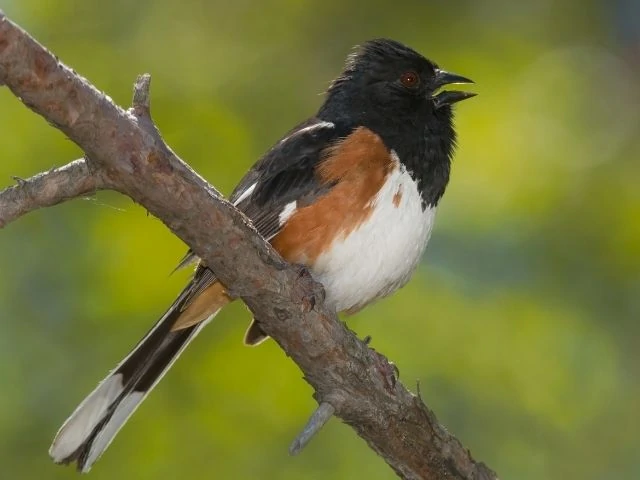
Eastern Towhee
Northern Harrier
Blackpoll, Pine and Palm Warbler
- Sandhill Crane
The USFWS has information about the refuge including the purchasing of passes.
Kissimmee Prairie Preserve State Park
Kissimmee Prairie Preserve State Park, located in Okeechobee County in central Florida, offers a stark contrast to the state’s typical coastal and marsh environments. Situated at the headwaters of the Everglades, this 58,000-acre park protects one of the largest and last remaining tracts of the Florida dry prairie—a unique, immense grassland ecosystem once common across the state.
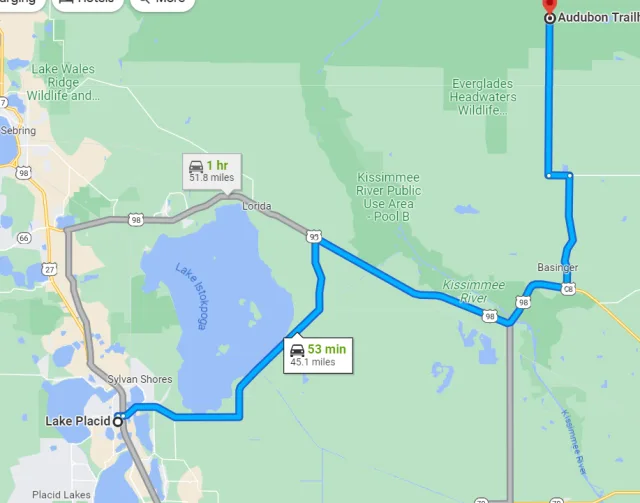
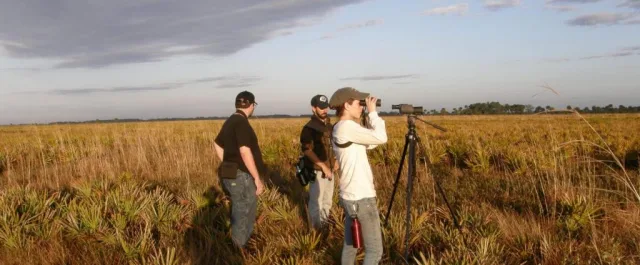
The geography is characterized by sweeping, flat plains dotted with wetlands, freshwater marshes, and islands of oak and sabal palm hammocks. This remote, open landscape, crisscrossed by over 100 miles of multi-use trails, is so removed from urban centers that it was designated Florida's first Dark Sky Park, underscoring its wild and unspoiled nature, which is critical for its resident wildlife.
The birdwatching at Kissimmee Prairie is exceptional, particularly for species tied to the endangered dry prairie habitat. It is considered a premier location for spotting rare and endemic birds, most notably the Florida Grasshopper Sparrow, one of North America's most endangered birds, which relies entirely on this specific grassland environment for survival.
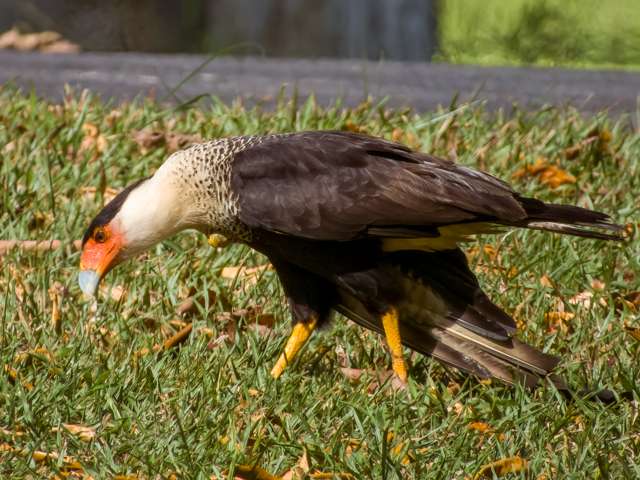
Other resident specialties include the distinctive Crested Caracara, often seen perched on fence posts or flying low over the fields, and the comical, ground-dwelling Florida Burrowing Owl. The park’s diverse habitats also host migratory raptors like the Swallow-tailed Kite in the spring, and a variety of sparrows, making it a year-round destination for dedicated birders who seek out Florida's unique inland avian life.

Target Birds
Northern Bobwhite
Little Blue Heron
Louisiana Waterthrush
Bachman's and Grasshopper
- Limpkin
Florida State Parks has information about the wildlife and night sky reserves.
Wrapping Up
From the vast, iconic wetlands of the Everglades National Park, teeming with storks and herons, to the historic shores of Pelican Island National Wildlife Refuge, the birthplace of American wildlife conservation, and the unique dry expanse of Kissimmee Prairie Preserve State Park, Florida truly offers a birding experience for every season and interest. Its diverse ecosystems—coastal, swamp, pineland, and prairie—are not just beautiful landscapes but are essential havens along the Atlantic and Gulf migratory flyways, ensuring hundreds of species rely on the state for survival.
The sheer variety, from the colorful flash of the Roseate Spoonbill to the endangered serenity of the Florida Grasshopper Sparrow, underscores the importance of Florida's conserved lands. As you plan your next trip, remember that whether you seek a life bird on the Great Florida Birding and Wildlife Trail or simply a peaceful moment with a local wading bird, the Sunshine State is ready to reward your patience with unparalleled avian spectacle. The adventure is limitless, and the next incredible sighting is just a trail, boardwalk, or boat ride away.
