
There may be no period in a bird’s life more dramatic—or more precarious—than the first 72 hours after hatching. Whether the chicks emerge helpless and featherless like most songbirds, or stand ready to run within hours like quail or ducks, the earliest days are shaped by biology, habitat, and parental strategy. For birdwatchers, understanding this window brings a deeper appreciation of the life-and-death challenges that take place inside nests across the United States every spring.
Below is a look at what happens in those critical early days, with examples from some of America’s most familiar and fascinating species.
Altricial vs. Precocial: Two Very Different Starts
Bird species fall broadly into two developmental categories:
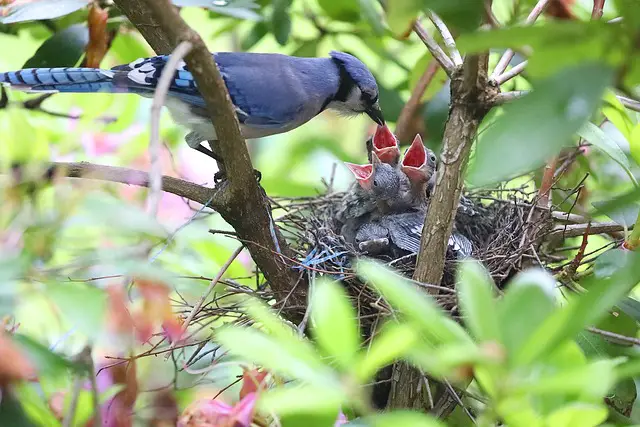
Altricial chicks hatch blind, featherless, immobile, and entirely dependent on parents for warmth and food.
Examples: American Robin, Northern Cardinal, Blue Jay, Red-tailed Hawk.
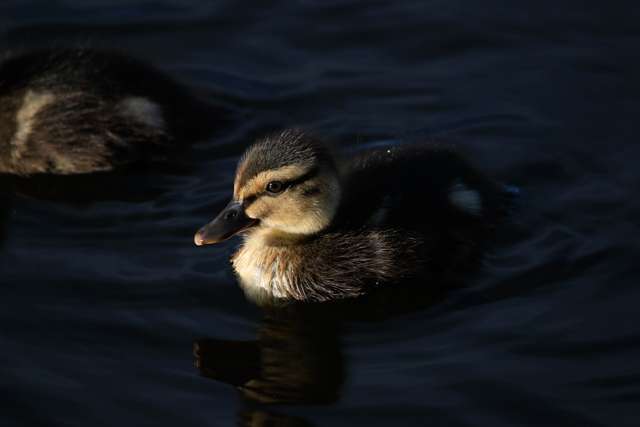
Precocial chicks hatch with downy feathers, open eyes, and the ability to walk or swim almost immediately.
Examples: Mallard Duck, American Avocet, Killdeer, California Quail.
These differences shape every moment of a young bird’s first days.
The First 24 Hours: Vulnerability Defined
Altricial Birds: The Naked Nestlings
For species like the American Robin, the first 24 hours are a period of near-total helplessness. Robin chicks hatch weighing about 5 grams—barely the weight of a paperclip. They cannot regulate their body temperature, so the female broods them almost continuously.
Within the first few hours:
The adults eat the shell fragments to reclaim calcium.
Chicks begin gaping—opening their mouths wide to signal hunger.
Parents feed soft, easily digestible items: small caterpillars, earthworms, or regurgitated insects.
At this stage, the chicks’ digestive systems are active but delicate. Robins typically deliver food every 10–15 minutes, meaning parents may make hundreds of trips a day.
Example: Eastern Bluebird
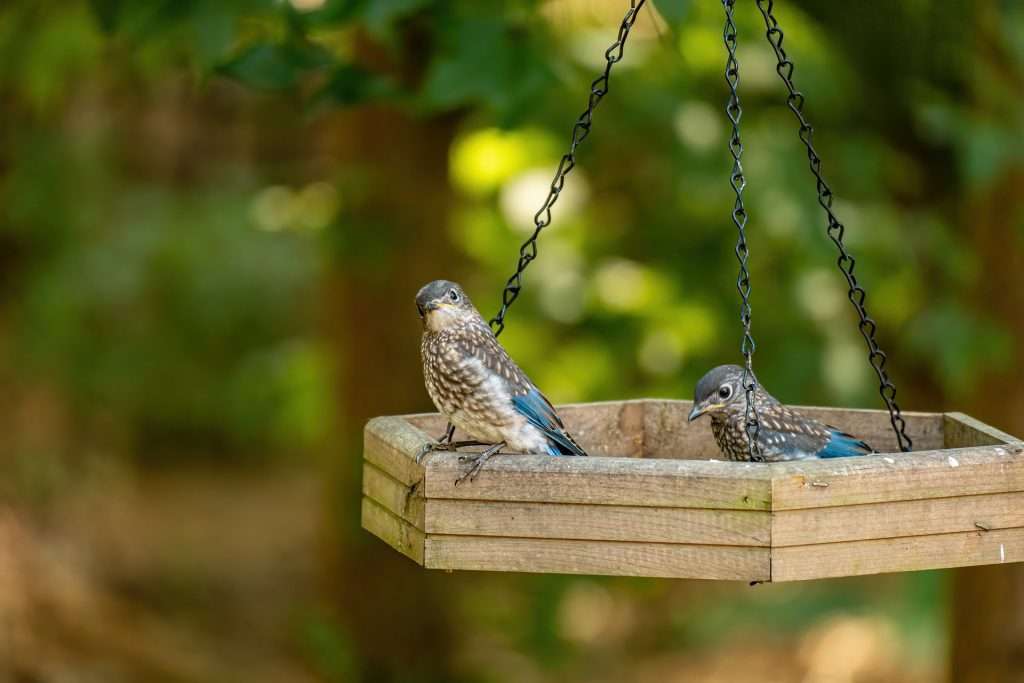
Bluebird chicks are even more fragile. If exposed to cold rain or sudden temperature drops—common in spring in states like Tennessee or Ohio—chicks can chill within minutes. Because of their vulnerability, bluebird parents keep the brood almost constantly warm.
Precocial Birds: Born Ready
In contrast, a Mallard Duckling hatches ready to join the world.
Within a few hours:
Ducklings dry out and fluff into their soft yellow-and-brown down.
They imprint on their mother’s movements and calls.
They leave the nest—usually within 12–24 hours—to find water.
While they can feed themselves, they still rely on the hen for protection and guidance. They follow her to wetlands, ponds, and flooded fields where they peck at invertebrates and aquatic vegetation.
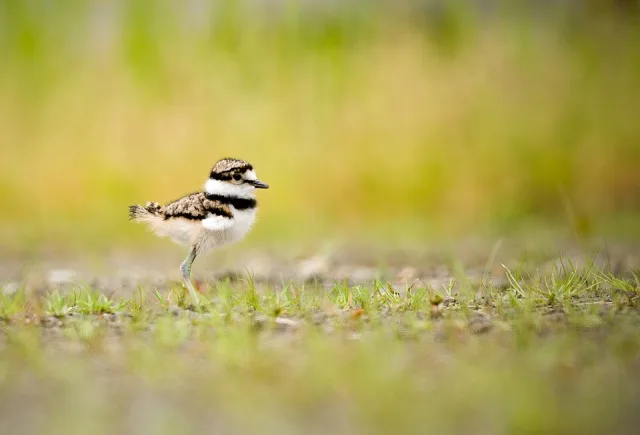
Example: Killdeer
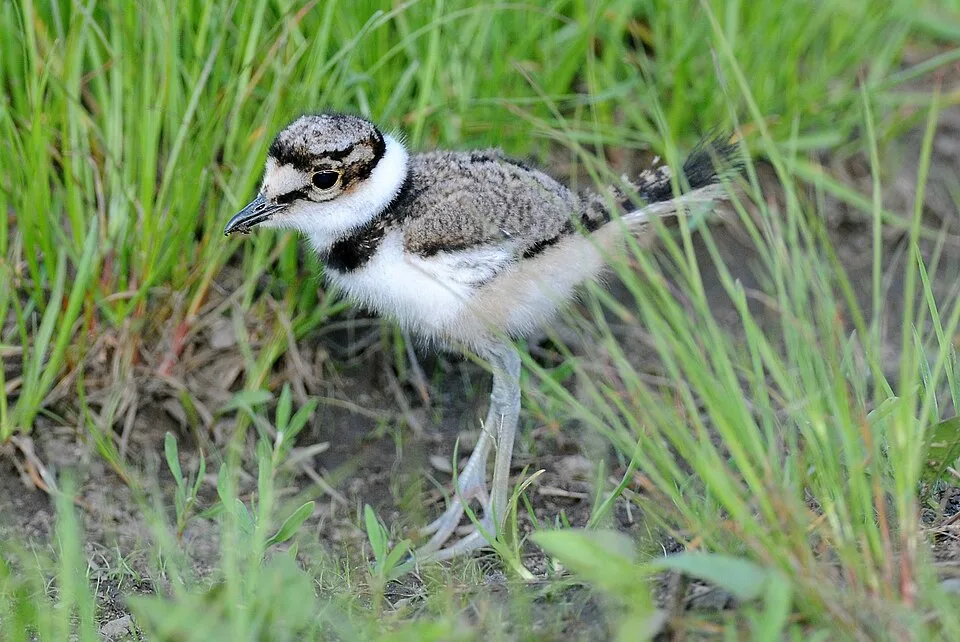
Killdeer, a widespread U.S. shorebird, often nest in open gravel areas—including parking lots and rooftops. Their chicks start running within hours of hatching. Because they must feed themselves immediately, their survival depends on camouflage and staying close to their parents. The adults perform their famous “broken-wing display” to distract predators in these early hours.
Days 2–3: Growth, Coordination, & Intense Feeding
Altricial Birds: Massive Growth Begins
In species like the Northern Cardinal, growth accelerates at an astonishing rate. Within three days, a chick may double or triple its hatch weight.

Major developments include:
Pin feathers beginning to appear along the wings and spine.
Stronger begging behavior, with louder calls.
Improved coordination as the chicks lift their heads and shuffle in the nest.
Parents removing fecal sacs to keep the nest clean.
Example: Red-tailed Hawk
As altricial raptors, young Red-tailed Hawks hatch covered in white down and remain almost motionless in the first day. By Day 3, they can sit upright, beg loudly, and accept larger prey items—though still torn into tiny strips by the parents. Because nests are high and exposed, warmth is critical, and the female broods the chicks almost constantly.
Precocial Birds: Exploring the World
By Day 2 or 3, precocial chicks are already learning the landscape.
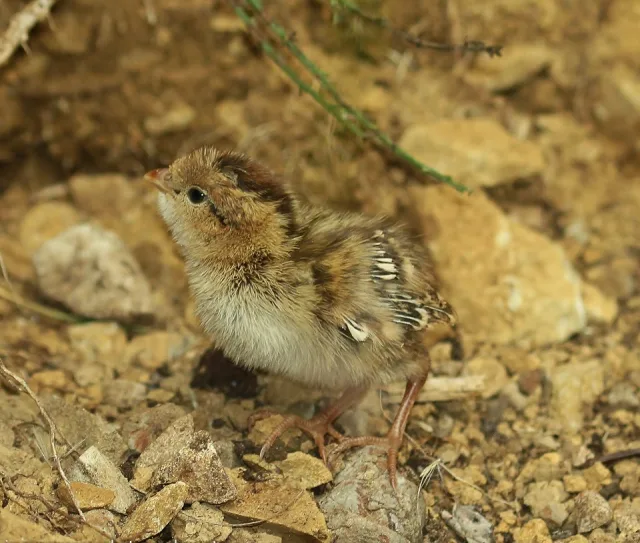
Example: California Quail
California Quail chicks (common in western states) forage as a coordinated family group. By Day 3:
They chase insects, seeds, and small berries.
The male (the “sentinel”) often takes watch from a high perch.
The brood’s mobility protects them from predators, but storms, cold snaps, and dehydration remain major threats.
Example: American Avocet
Avocet chicks, abundant in saline lakes of Utah, Nevada, and California, begin wading and swimming almost immediately after hatching. By Day 2 or 3, they are already catching brine flies or picking crustaceans from shallow water. The parents guard aggressively, often driving off gulls or ravens.
The Role of the Parents: Survival Depends on Strategy
The first few days highlight distinct survival strategies:
1. Warmth & Shelter
Altricial species must brood constantly. A robin or chickadee chick left uncovered for more than a few minutes on a cold day may not survive.
2. Food Delivery
Songbird parents spend nearly all daylight hours foraging.
A pair of chickadees may deliver food more than 1,000 times per day.
3. Protection
Precocial species depend on mobility and parental vigilance.
Killdeer parents may fake injury dozens of times each day to lure predators away.
4. Nest Sanitation
Many altricial species remove fecal sacs so the nest does not attract predators such as raccoons, snakes, or jays.
Species Case Studies from Across the U.S.
– American Robin (East, Midwest, West)
Extremely vulnerable at hatch; parents must regulate temperature and feed constantly. By Day 3 they lift their heads and beg vigorously.
– Black-capped Chickadee (Northeast & Upper Midwest)
Hatch naked and blind; by Day 3 they already show early pin feathers. Chickadees are among the fastest-growing small songbirds in North America.
– Osprey (Coastal U.S. & Inland Lakes)
Hatchlings rely entirely on the female while the male brings fish. Asynchronous hatching means older chicks often dominate early feedings.
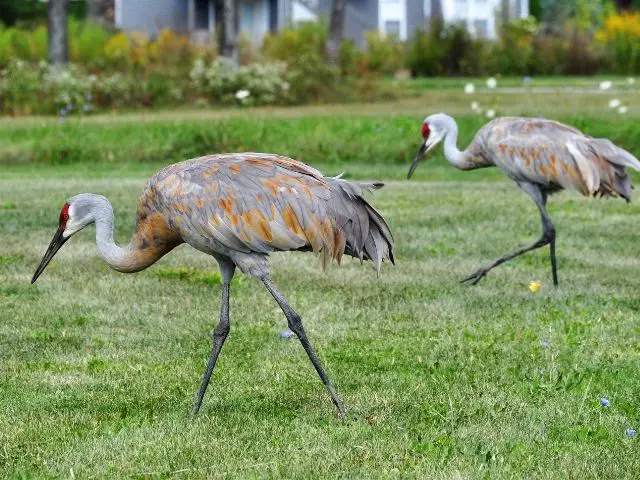
– Sandhill Cranes (Great Plains to Florida)
One of the most precocial birds in North America. Chicks walk within hours, swim on Day 2, and forage alongside parents almost immediately.
– Mallard (Nationwide)
Ducklings leave the nest early, often in long lines behind the hen. Survival depends heavily on habitat quality and avoiding predators such as snapping turtles, gulls, and mink.
Why These Early Days Matter
For birders, knowing what happens in these first days adds depth to field observations:
Seeing a robin feeding tiny chicks? You’re witnessing some of the highest-intensity parental care in the bird world.
Watching a Killdeer family run across a parking lot? Those striped cotton-ball chicks may be only hours old.
Spotting a line of ducklings on a pond? Their first day likely involved a long journey from a hidden upland nest.
This short, fragile period shapes the rest of a bird’s life. And for many species, especially migratory songbirds, the first three days are when mortality risk is highest.
Understanding these moments helps birdwatchers appreciate the extraordinary effort and strategy behind every successful brood.
