
Across the sprawling urban landscapes and even venturing into rural areas of the United States, a ubiquitous feathered presence often goes unnoticed or is simply dismissed as part of the backdrop. Pigeons, European Starlings, and House Sparrows—common, prolific, and seemingly harmless—are in fact an unseen ecological invasion. While individually they may seem innocuous, their collective impact as feral non-native species poses significant and often detrimental threats to native bird populations, delicate ecosystems, and even human infrastructure and health.
Defining the Invaders: A Brief History
To understand the problem, we must first understand the birds themselves.
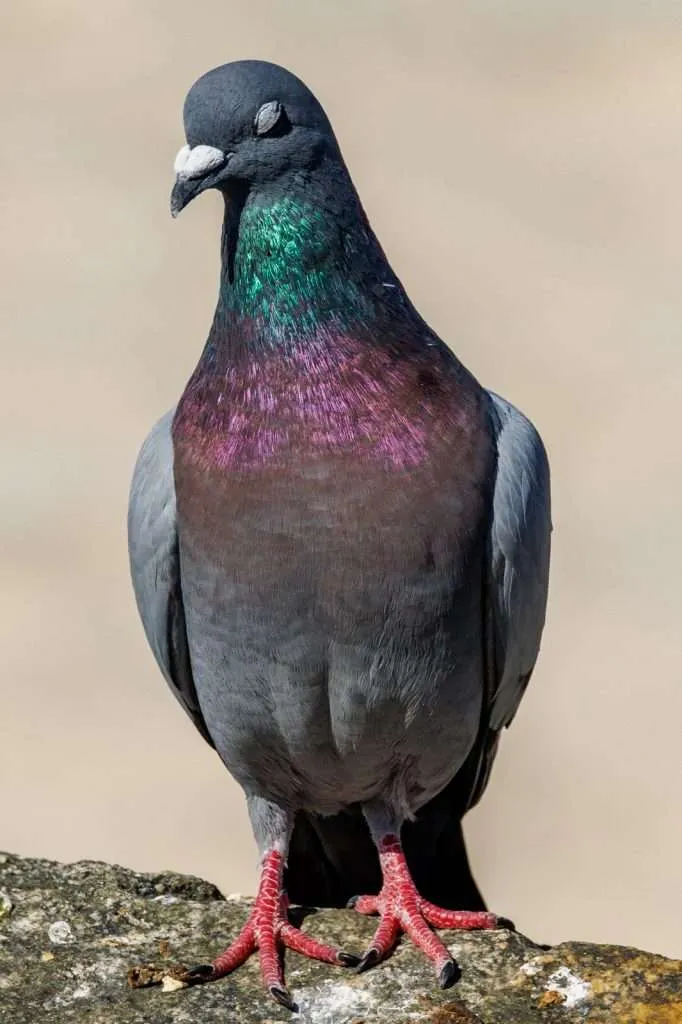
1. The Rock Pigeon (Columba livia)
Origin: Europe, North Africa, and Asia.
Arrival in the U.S.: Brought to North America by European colonists in the early 17th century as a domesticated bird for food and messaging. Many escaped or were released, quickly establishing feral populations.
Why they thrive: Highly adaptable, omnivorous (scavengers), prolific breeders, and comfortable nesting on human structures.
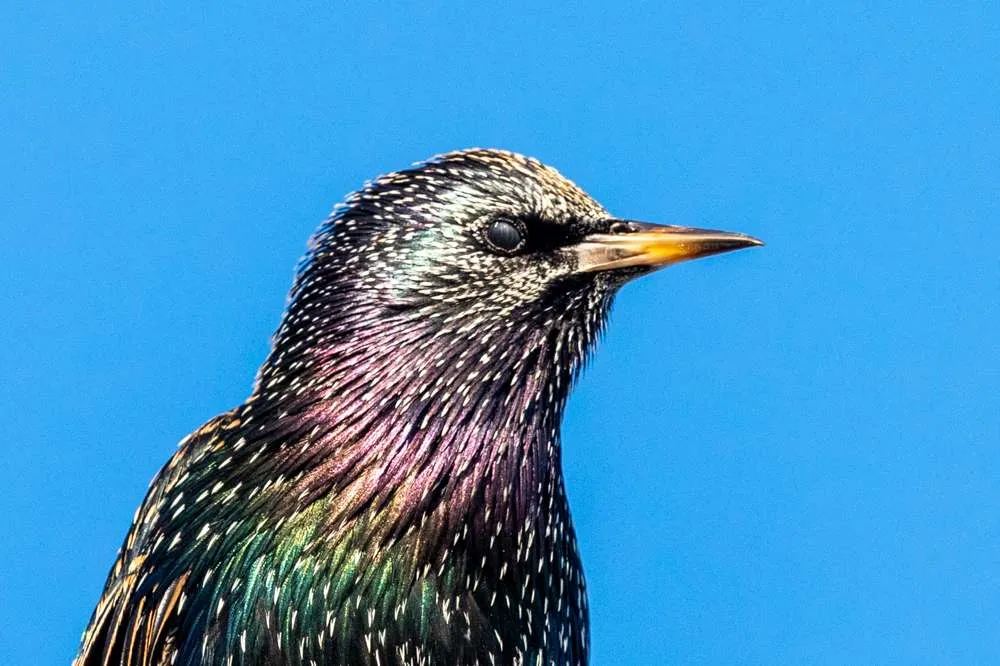
2. The European Starling (Sturnus vulgaris)

Origin: Europe and Asia.
Arrival in the U.S.: A classic cautionary tale of misguided introduction. In 1890-1891, around 100 starlings were intentionally released in New York City's Central Park by an admirer of Shakespeare, with the goal of introducing all birds mentioned in his works.
Why they thrive: Extremely aggressive, intelligent, adaptable, and breed rapidly. Their population exploded across the continent.
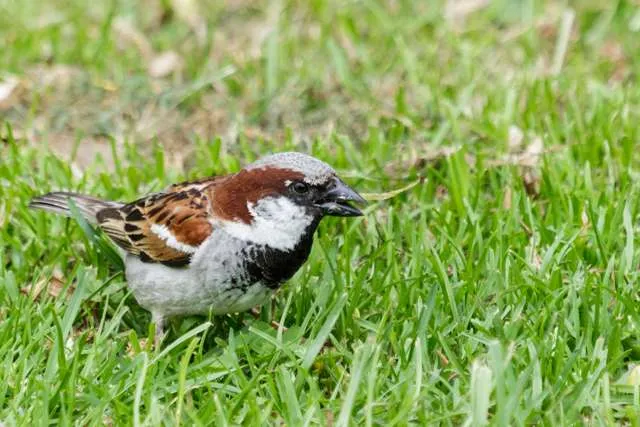
3. The House Sparrow (Passer domesticus)
Origin: Europe, Asia, and North Africa.
Arrival in the U.S.: Like pigeons, they were intentionally introduced in the mid-19th century (first documented successful introduction in Brooklyn, 1851) by early settlers who desired familiar birds and hoped they would control insect pests.
Why they thrive: Highly adaptable to human environments, opportunistic feeders, aggressive, and prolific breeders.
These three species share common traits that have allowed them to become incredibly successful invaders: high reproductive rates, broad diets, adaptability to human-altered landscapes, and a willingness to aggressively compete for resources.
The Ecological Toll: Direct and Indirect Harm to Native Birds
The primary concern with these feral species is their detrimental impact on native bird populations, often leading to declines in species that are already struggling with habitat loss.
1. Nest Site Competition
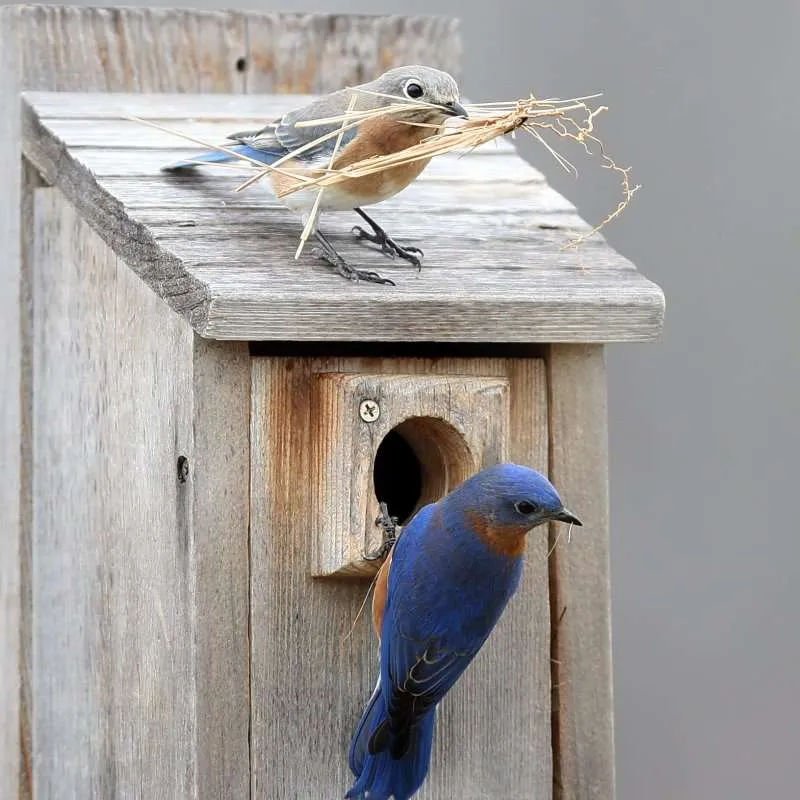
This is perhaps the most direct and devastating impact, particularly from European Starlings and House Sparrows. Both species are cavity nesters, meaning they utilize holes in trees, nest boxes, and crevices. This puts them in direct competition with a wide array of beloved native cavity-nesting birds, including:
- Eastern Bluebirds: Starlings are notorious for evicting bluebirds from nest boxes, often destroying their eggs or killing young.
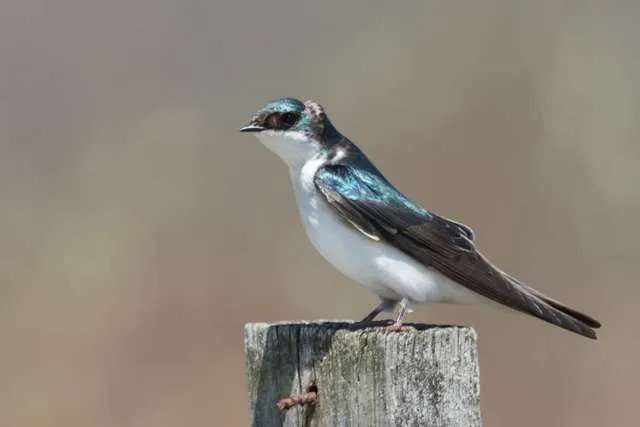
- Tree Swallows: Another victim of starling and sparrow aggression.
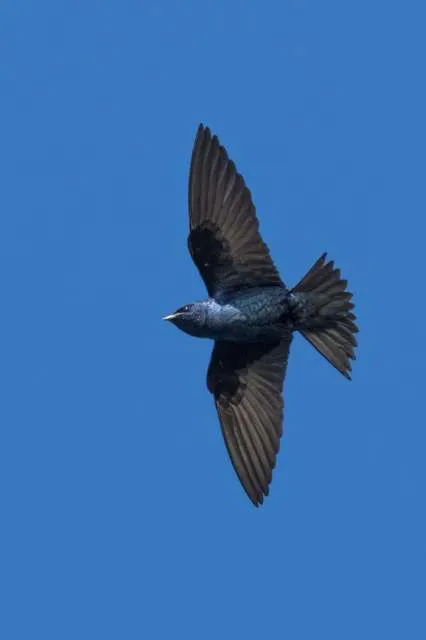
- Purple Martins: Whole colonies of martins can be displaced by aggressive starlings.
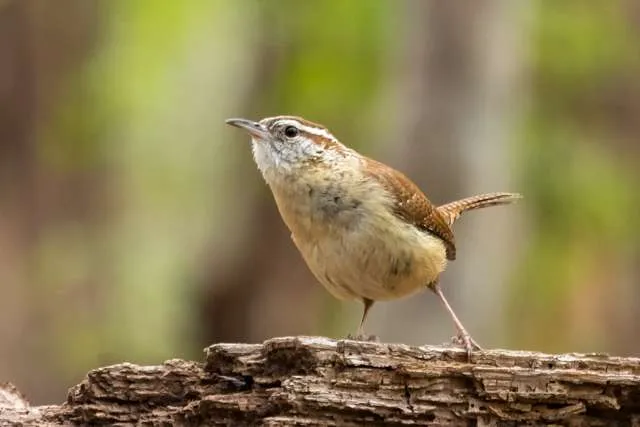
- Nuthatches, Woodpeckers (especially smaller species), and Wrens: These species also face intense competition for limited nesting sites.
Starlings, being larger and more aggressive than many native cavity nesters, often claim nest sites early in the season, preventing native birds from breeding. House Sparrows also aggressively take over nest boxes, sometimes building their messy nests directly on top of native bird nests, trapping and killing the occupants.
2. Food Competition
While pigeons are primarily scavengers in urban areas, starlings and sparrows are more direct competitors for natural food sources, especially insects and seeds. In areas where native birds rely on specific food resources, large flocks of non-native birds can deplete these resources, particularly during critical breeding or migration periods.
3. Aggression and Harassment
Beyond nest site takeover, starlings and sparrows are highly aggressive. They will harass native birds at feeders, water sources, and even in nesting territories, driving them away and denying them access to essential resources.
4. Disease Transmission
While all birds can carry diseases, large, dense populations of feral birds can act as reservoirs and vectors for various pathogens. Pigeons, for instance, are known to carry diseases like Salmonella, E. coli, and histoplasmosis, which can affect other bird species and, in some cases, humans. Although direct transmission leading to widespread native bird mortality is less documented than competition, the potential risk is present in areas of high population density.
Environmental and Economic Impacts Beyond Birds
The harm caused by these feral species extends beyond direct ecological competition, impacting broader environmental health and human infrastructure.
1. Agricultural Damage
European Starlings, in particular, are a significant agricultural pest. They form massive flocks that can decimate fruit crops (cherries, grapes, blueberries), grain fields, and livestock feed. The economic losses for farmers due to starling depredation are substantial, often leading to costly control measures. Pigeons can also damage crops, particularly grains and sprouting vegetables.
2. Urban and Infrastructure Damage
- Fouling: The sheer volume of droppings from large flocks of pigeons and starlings creates a significant mess. This guano is acidic and can corrode buildings, statues, bridges, and vehicles.
- Health Hazards: Bird droppings can harbor fungi, bacteria, and parasites. Beyond the diseases mentioned earlier, accumulated droppings pose a risk for diseases like cryptococcosis (from pigeon droppings) and histoplasmosis (from starling and pigeon droppings), which can cause respiratory illnesses in humans.
- Blockages: Nests built by pigeons and sparrows in vents, gutters, and machinery can cause blockages, fire hazards, and equipment malfunction.
- Noise Pollution: Large roosts of starlings can create significant noise pollution, especially in urban settings.
3. Ecosystem Alteration
While less dramatic than a chemical spill, the sustained presence of these invaders can subtly alter local ecosystems. By changing the dynamics of food webs and resource availability, they can inadvertently contribute to shifts in plant communities (through seed dispersal of invasive plants) and insect populations.
The Challenge of Management
Managing these pervasive species is a complex and ongoing challenge.
- Legal Status: Pigeons, European Starlings, and House Sparrows are not protected by the Migratory Bird Treaty Act (MBTA) in the U.S. This means that, unlike native birds, their nests, eggs, and individuals can be removed or humanely controlled without federal permits.
- Control Methods: Control often involves a combination of methods:
- Habitat Modification: Removing food sources, blocking nesting sites on buildings.
- Exclusion: Netting and spikes to prevent roosting and nesting.
- Trapping and Removal: Used in specific areas to reduce populations.
- Acoustic Deterrents: Used to disperse flocks, though birds often habituate to these.
- Public Education: Discouraging intentional feeding of pigeons and sparrows, which exacerbates population growth.
The sheer numbers and adaptability of these birds mean that complete eradication is unrealistic. Instead, management focuses on reducing their impact in critical areas, particularly those important for native bird conservation.
A Call to Action for Native Bird Conservation
The story of the European Starling and House Sparrow serves as a powerful reminder of the profound consequences of introducing non-native species into new environments. For the pigeon, it highlights how even a seemingly benign introduction can lead to unintended ecological consequences.
For bird enthusiasts, homeowners, and conservationists, understanding this issue is crucial. Simple actions like protecting native bird nesting sites (e.g., using starling-resistant hole restrictors on bluebird boxes, discouraging sparrows from nesting in eaves), planting native vegetation to support native insects and birds, and avoiding the feeding of these invasive species can make a difference.
The challenge posed by these feral birds is a testament to the interconnectedness of ecosystems. By recognizing the unseen invasion and taking informed action, we can better protect the vibrant tapestry of native birdlife that defines America's natural heritage.
We Love Birds, But Not on Our Porch: Finding the Right Balance with Bird Repellents
