

For centuries, the feathers of North American birds were viewed primarily as a resource—a commodity to be harvested, traded, and utilized. From the intricate adornments of indigenous cultures to the mass-market demands of European fashion and the essential tool of the scholar, bird feathers played a profound, often overlooked, role in the social and economic history of the United States. Today, our relationship with these avian marvels has undergone a revolutionary shift. Where once we hunted them for their plumage, we now zealously protect them, recognizing that the true value of a feather lies not in its utility, but in the bird's life—a transition that underscores a fundamental change in how Americans view nature.
The Old Uses: A History of Exploitation
The historical demand for feathers across the U.S. and globally fell into several distinct, often destructive, categories.
The Quill Pen: The Tool of Enlightenment
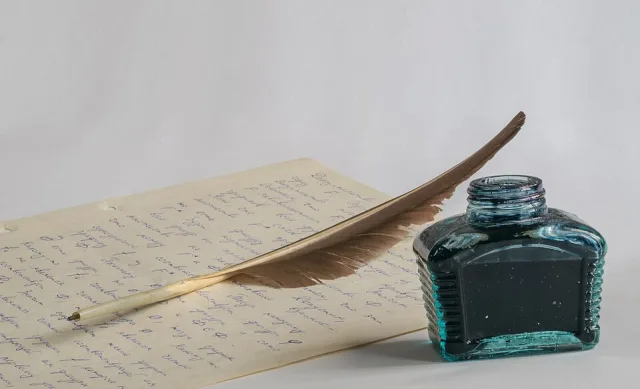
Perhaps the most enduring non-decorative use of the feather was as the quill pen. For over a thousand years, dating back to before the founding of the colonies, quills were the dominant instrument for writing.
- Source: The preferred quills came from the five outer primary flight feathers of large birds, with goose and swan feathers being the most prized due to their stiffness and the size of the hollow shaft (calamus). Turkey, raven, and crow feathers were also used.
- Preparation: The feather end was cured and hardened, then carefully cut, or "quilled," to a precise point. The natural curvature of the feather helped hold ink and allowed the writer's hand to flow smoothly across the parchment.
- Significance: From the Declaration of Independence to the letters of frontier settlers, the quill was the essential tool that powered the written word. This demand, however, relied on the large-scale domestication and occasional wild harvesting of waterfowl.
Adornment and Status: The Feather Trade
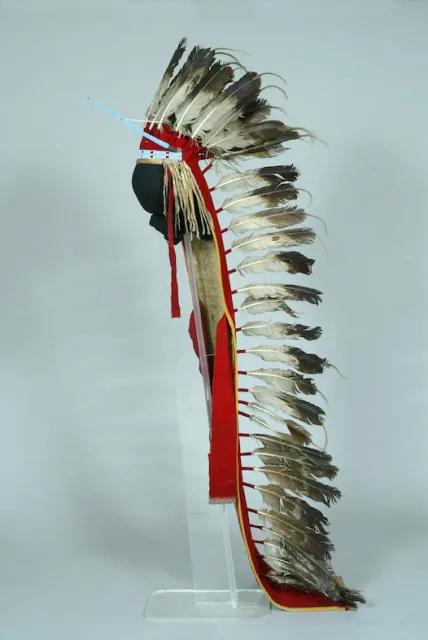
Feathers were intrinsically tied to social status and identity, both in Indigenous traditions and in the later waves of European fashion.
- Indigenous Uses: Native American tribes held feathers, particularly those of eagles, hawks, and large game birds, in the highest regard. Feathers were symbols of honor, bravery, and spiritual connection. Eagle feathers, for example, were often gifted for acts of valor and were used in sacred ceremonies, headdresses, and weaponry. This was a sustainable practice governed by tradition and reverence, where only certain people could use certain feathers. The Bald and Golden Eagle Protection Act today continues to recognize this cultural importance, granting permits to Native Americans for the possession of eagle feathers for traditional religious purposes.
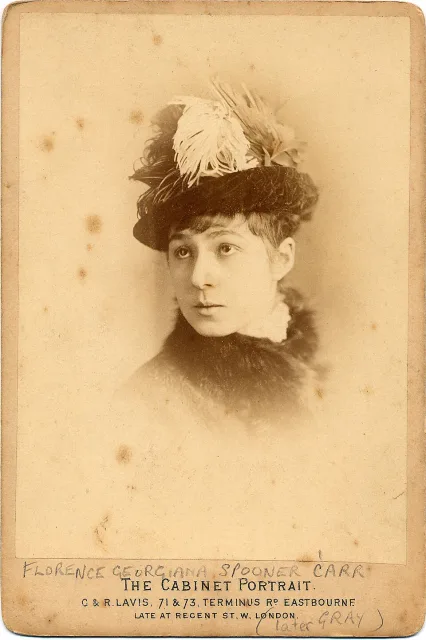
- Millinery Madness (1880–1910): The greatest single driver of feather destruction was the late 19th-century demand for millinery (women's hats). The fashion centers of New York, Boston, and London fueled an insatiable global market where hats were often adorned with entire wings, heads, or even full, stuffed birds.

- Victims: The market targeted species with the most spectacular plumage, nearly driving several to extinction. Egrets were massacred for their delicate white nuptial plumes ("aigrettes") during the breeding season. Other highly sought-after species included flamingos, pelicans, terns, and various species of seabirds and songbirds.
- The Price of Fashion: The trade was brutally efficient and destructive. Hunters often killed nesting adults, leaving chicks to starve, decimating entire colonies in a single season. By the early 1900s, plumes were often worth more than their weight in gold.
Utility and Sporting Goods
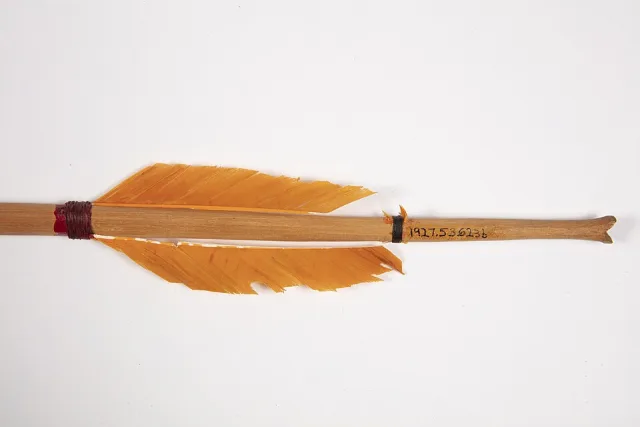
Beyond the aesthetic, feathers were used for practical purposes:
- Fletching: The tail feathers of turkeys, geese, and eagles were essential for fletching arrows, providing the stability needed for accurate flight.
- Bedding and Clothing: The soft, downy feathers of waterfowl were harvested for down—used as insulation in bedding, jackets, and sleeping bags.
The Turning Point: Conservation and Legislation
The carnage of the millinery trade ultimately sparked one of the most significant conservation movements in U.S. history.
- The Audubon Movement: Concerned citizens, led by women who were appalled by the destruction, formed organizations that would become the National Audubon Society. Their activism and public outcry were key to legislative reform.
- The Lacey Act (1900): This act was a pivotal first step, making it a federal crime to transport illegally harvested wildlife across state lines, effectively beginning the dismantling of the feather trade supply chain.
- The Migratory Bird Treaty Act (MBTA) of 1918: This landmark treaty between the U.S., Great Britain (on behalf of Canada), and later Mexico, Japan, and Russia, made it illegal to hunt, capture, kill, or sell nearly all native migratory birds, their eggs, nests, or feathers. The MBTA fundamentally redefined the bird: it was no longer property to be exploited, but a public trust to be protected. The act effectively ended the commercial feather trade in the United States.
The Modern View: Why Watching Trumps Harvesting

The legacy of the MBTA is not just legal; it is cultural. The modern American perspective views birds as an intrinsic, invaluable part of the ecosystem, offering a richer form of enjoyment than any manufactured product.
The Joy of Birdwatching
The single feather of an egret, once a tragic bonnet ornament, is now infinitely more valuable when seen attached to a living, foraging bird. The explosion of birdwatching—now a favorite pastime for tens of millions of Americans—demonstrates this shift.
- Ecological Insight: Watching birds provides a direct connection to nature's complex dynamics. We learn about migration, habitat health, and the effects of climate change. Every successful sighting—from the shimmering magenta of an Anna's Hummingbird to the magnificent glide of a protected Bald Eagle—is a moment of appreciation for a recovered resource.
- Economic Benefit: Protecting birds now drives a multi-billion dollar eco-tourism industry in the U.S., far surpassing the ephemeral economic value of the 19th-century feather trade. Rural communities benefit from birders visiting National Wildlife Refuges and state parks.
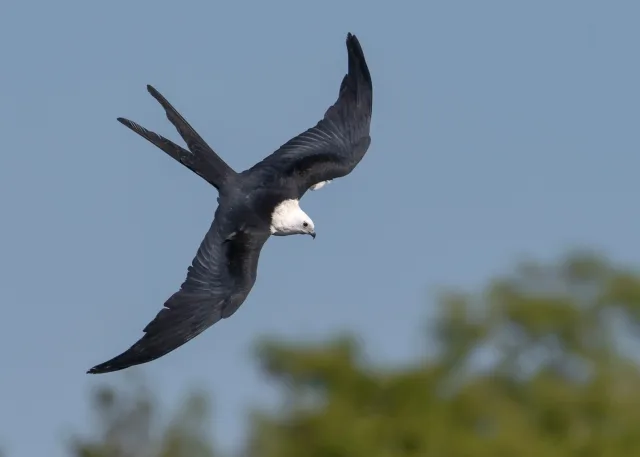
- Aesthetic and Ethical Satisfaction: There is a deep, ethical satisfaction in knowing that the magnificent plumage we enjoy through binoculars and photography belongs entirely to the bird itself. The brilliance of a Painted Bunting or the dramatic tail of a Swallow-tailed Kite is best preserved in its natural state .
Protecting the Entire Bird
The focus is now on the whole organism and its role in the environment. Scientists track birds not to capture them, but to study their migratory patterns through banding and telemetry. Conservation efforts now prioritize the protection of vast, complex habitats like the Prairie Potholes, the Klamath Basin, and the Appalachian forests, recognizing that a bird’s survival depends on the entire ecosystem, not just its feathers.
The feather—once a consumable asset—is now an object of reverence. Finding a shed feather on the forest floor is a permissible, precious souvenir, a tangible link to a protected wild creature. This transformation, from the bloody commerce of the plume hunters to the quiet, shared thrill of a field guide and a pair of binoculars, represents one of America's greatest conservation achievements: understanding that the bird itself is the greatest jewel.
Backyard Birding for Beginners: The 30-Day Starter Challenge
