
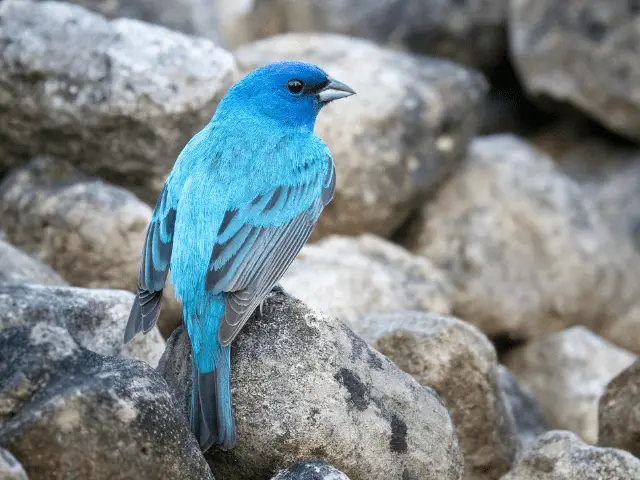
For the dedicated birder, there is no word that stirs the adrenaline quite like "fallout." It sounds like something out of a weather report or a specialized military maneuver, but in the world of ornithology, a fallout is one of nature’s most breathtaking and high-stakes spectacles. It is the moment when the curtain between the migratory highway and the earth below suddenly vanishes, depositing thousands of exhausted, jewel-toned travelers into a single concentrated area.

If you have ever stood in a coastal woodlot and seen dozens of Indigo Buntings dripping from the branches like blue ornaments, or watched a single bush hold five different species of warbler, you have witnessed a fallout. But what causes this phenomenon, and why does it remain the "Holy Grail" for bird watchers across the United States?
What is a Fallout?
In the simplest terms, a fallout occurs when migrating birds are forced to land prematurely due to severe weather conditions. Most North American songbirds are nocturnal migrants; they use the cover of darkness and the cool night air to travel hundreds or even thousands of miles.
A fallout happens when these birds, often mid-flight over a large body of water or a vast stretch of inhospitable terrain, encounter a strong "north wind" or a sudden cold front accompanied by rain. The birds, already pushing their physiological limits, find themselves flying into a literal wall of wind. Exhausted and unable to maintain their heading, they "fall out" of the sky at the first available patch of land to seek shelter and food.
The Geography of the Spectacle: Where It Happens
While a fallout can theoretically happen anywhere, they are most famous along the Gulf Coast of the United States during the spring migration (late March through early May).
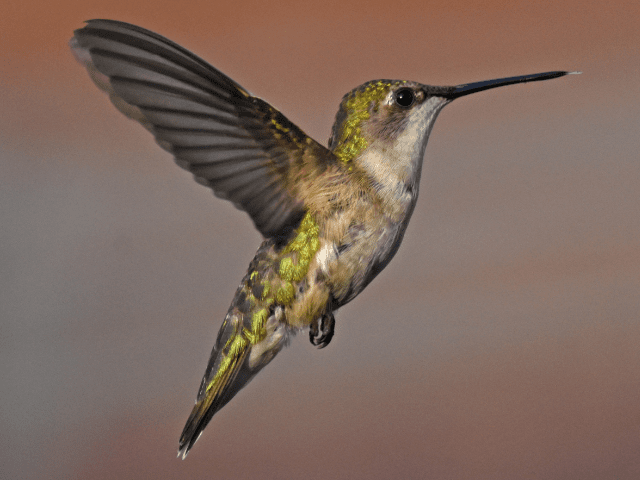
Each year, millions of birds—from the tiny Ruby-throated Hummingbird to the robust Rose-breasted Grosbeak—embark on a non-stop, 18-to-24-hour flight across the Gulf of Mexico from the Yucatán Peninsula. It is a grueling 600-mile journey. If these birds hit a northern headwind or a thunderstorm as they approach the U.S. coast, they don't have the fuel reserves to fly further inland to their preferred habitats. Instead, they pile into the first "cheniers" (oak mottes) and coastal islands they see.
Virginia – Birding the Blue Ridge: Raptors, Warblers & Vistas
Legendary Fallout Spots:
High Island, Texas: Perhaps the most famous birding destination in the world during a spring fallout. The oak sanctuaries here can become absolutely saturated with color.
Dauphin Island, Alabama: A critical first landfall for birds crossing the Gulf.
Dry Tortugas, Florida: A remote cluster of islands where tired migrants often huddle in the shade of Fort Jefferson.
The Magee Marsh, Ohio: While inland, the southern shore of Lake Erie acts as a secondary "coastline" in the spring, where birds pause before crossing the great lake.
The Species of the Fallout
A fallout is defined by its diversity. It is one of the few times a birder can see a "rainbow" of species that usually occupy different niches of the forest.
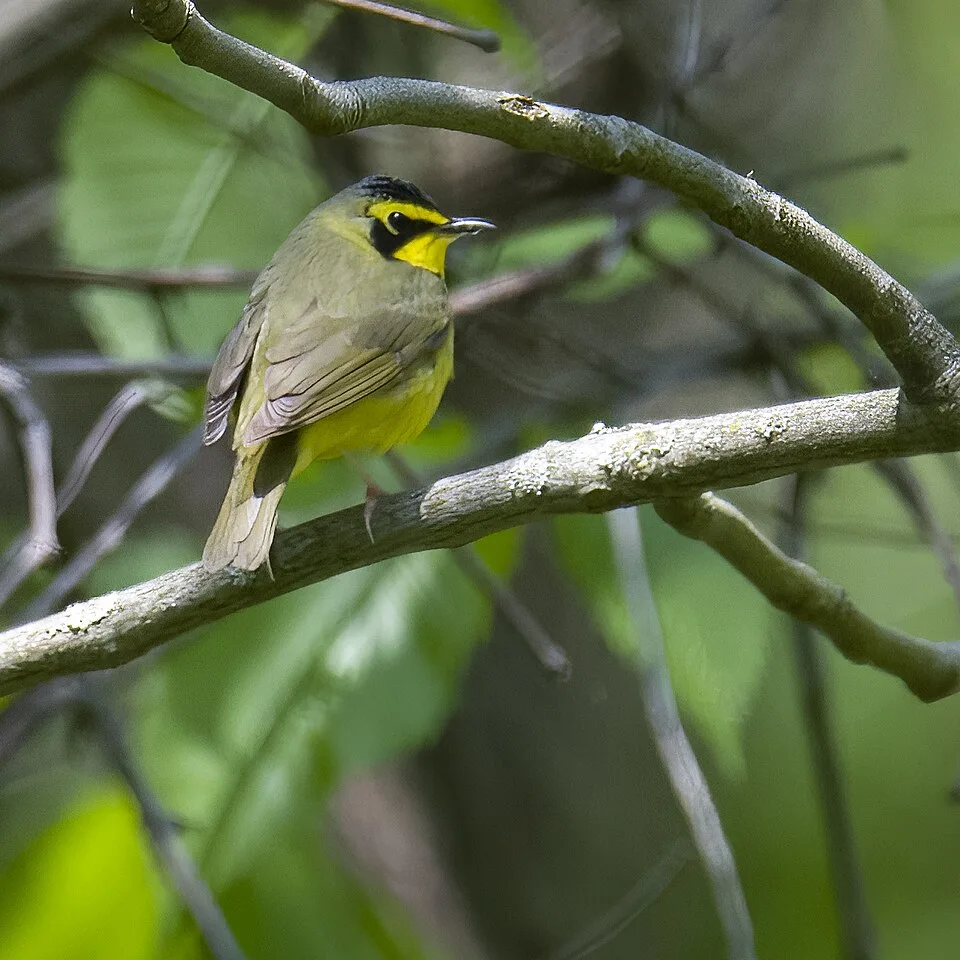
The stars of the show are almost always the New World Warblers. In a single fallout event, it is possible to see the fiery throat of a Blackburnian Warbler, the brilliant yellow "mask" of a Kentucky Warbler, and the striking blue-and-white patterns of a Cerulean Warbler all in the same tree. Joining them are the Scarlet Tanagers, whose blood-red plumage seems impossibly bright against the green spring leaves, and the Great Crested Flycatcher, recognizable by its lemon-yellow belly and soulful whistle.
Ground-dwelling birds also join the fray. The Ovenbird and the Northern Waterthrush can be seen hopping along forest floors, desperately searching for insects to replenish the fat stores they burned over the ocean.
Famous Instances and the Birder’s Experience

One of the most legendary fallouts in recent memory occurred in April 2013 along the Texas coast. A massive cold front collided with a peak wave of trans-Gulf migrants. The result was staggering; birders reported "carpets" of Dickcissels and Summer Tanagers on the ground. Trees were so heavily laden with birds that branches appeared to be moving.
In such moments, the birds often lose their typical shyness. Because they are in "survival mode," they are focused entirely on resting and feeding. It is not uncommon for a Hooded Warbler to land just a few feet from a human observer, or for a Prothonotary Warbler to forage at eye level, oblivious to the clicking of cameras.
The Dark Side of the Fallout
1. Physical Exhaustion
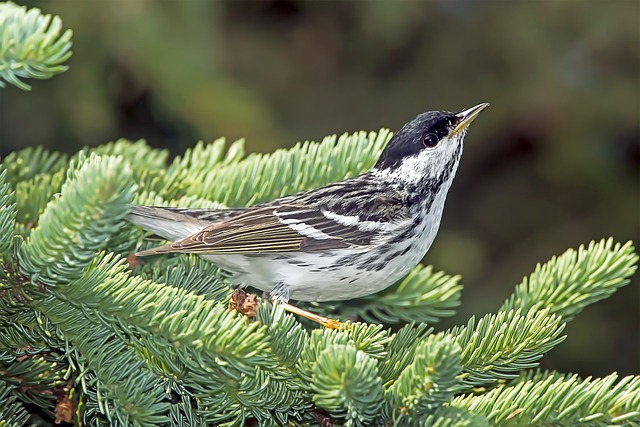
Most of these birds, like the Blackpoll Warbler or the Indigo Bunting, have just completed a grueling non-stop flight across the Gulf of Mexico. Under normal conditions, they arrive with just enough fat reserves to reach inland forests. During a fallout, they have fought against "north winds" and rain that have pushed them to the absolute limit of their endurance. They often land so exhausted that they are unable to fly even a few feet to escape a predator.
2. Lack of Resources

Fallouts often happen in coastal "cheniers" or small islands like the Dry Tortugas. These areas can suddenly become overwhelmed by thousands of birds competing for the same limited food sources.
Starvation: Insects may be scarce during the cold fronts that cause fallouts, leaving birds like the Northern Waterthrush unable to refuel.
Dehydration: Fresh water is often at a premium in these coastal "stopover" spots.
3. Exposure and Predation
When birds "fall out" of the sky, they often land in suboptimal habitats where they are highly visible.
Predators: Hawks and outdoor cats take advantage of the grounded, weary travelers.
Human Disturbance: Well-meaning birders can accidentally stress the birds. If a Scarlet Tanager has to fly away from a photographer, it is burning calories it literally does not have to spare.
4. Mortality Rates

The sad truth is that many birds don't make it to land. For every Prothonotary Warbler you see resting on a coastal branch during a fallout, many others may have succumbed to the storm over the open ocean.
How to Help During a Fallout
If you live in a coastal area or find yourself in a fallout zone, you can act as a lifeline for these birds:
Keep Cats Indoors: This is the single most effective way to prevent unnecessary deaths during migration peaks.
Turn Off Lights: Bright lights can disorient nocturnal migrants, causing them to collide with windows or waste energy circling buildings.
Provide Water: A simple birdbath or a "drip" system can provide the hydration needed for a Kentucky Warbler or Hooded Warbler to recover.
Give Space: Observe from a distance. If the bird changes its behavior because of your presence, you are too close.
Conclusion
A fallout is a reminder of the incredible, invisible journeys happening above our heads every night. It turns a quiet coastal town into a vibrant, living museum of biodiversity. When you stand in the middle of a fallout, seeing a Chestnut-sided Warbler that was in the tropics just 48 hours ago, you aren't just looking at a bird—you are looking at a miracle of navigation and grit.
Check the weather maps for those north winds and "blue northers" this spring. If the timing is right, the sky just might fall. Enjoy but remember these birds are in danger.

