

Birds don't just migrate randomly; they follow predictable routes that offer reliable food, water, and shelter. These "superhighways" are the four major flyways of North America.
- The Atlantic Flyway runs along the East Coast from Canada to the Caribbean and South America. Coastal and inland habitats along this route are crucial for a wide variety of species.
- The Mississippi Flyway follows the mighty Mississippi River and its tributaries, serving as a critical path for birds traveling between the central U.S. and Central/South America.
- The Central Flyway traverses the Great Plains, from the Arctic to the Gulf of Mexico, guiding countless species of waterfowl and cranes.
- The Pacific Flyway hugs the West Coast, with birds migrating from Alaska and Canada down to Central and South America.
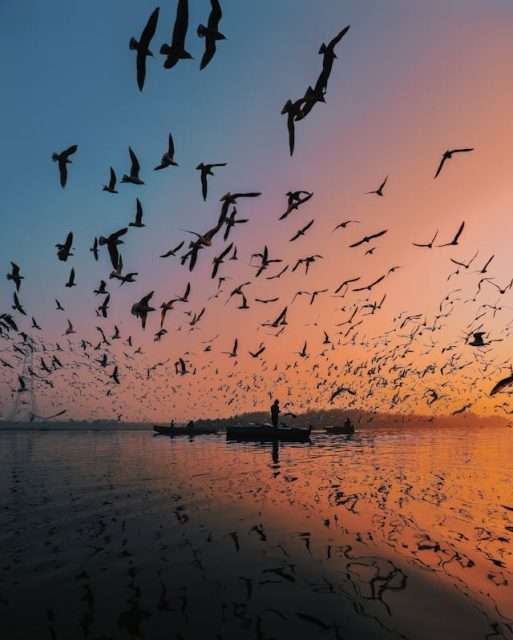
East Coast Hotspots: Raptors, Shorebirds, and Songbirds Galore
The East Coast is a powerhouse for fall birding, offering a mix of coastal and mountainous habitats that concentrate migrants.
Cape May, New Jersey
Known as the "raptor capital of North America," Cape May is an essential stop on the Atlantic Flyway. As the peninsula narrows, it funnels thousands of migrating hawks, eagles, and falcons to its tip before they cross the Delaware Bay. The Cape May Bird Observatory and Cape May Point State Park are prime viewing spots. Look for kettles of Broad-winged Hawks and impressive flights of Peregrine Falcons and Merlins. Beyond raptors, the area is a mecca for songbirds, with over 30 species of warblers, vireos, and thrushes passing through its famous "migrant traps."
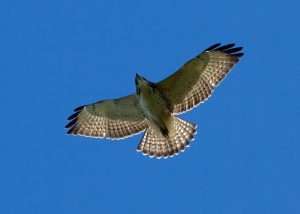
Hawk Mountain Sanctuary, Pennsylvania
Situated along the Kittatinny Ridge on the Appalachian Flyway, Hawk Mountain is the world's first sanctuary for raptors. The sanctuary provides breathtaking, up-close views of birds of prey as they soar past at eye level. Here, you can witness the sheer volume of migration, with thousands of Broad-winged Hawks, Sharp-shinned Hawks, and American Kestrels riding the updrafts. The sanctuary's dedicated hawk counters provide real-time updates, making it a highly educational and thrilling experience.
Blackwater National Wildlife Refuge, Maryland
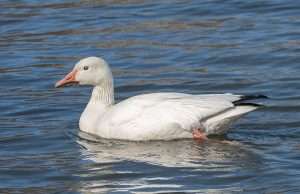
This refuge on Maryland's Eastern Shore is a crucial stop for waterfowl and wading birds. In the fall, the marshlands and tidal estuaries fill with thousands of ducks and geese, including Snow Geese and Tundra Swans. It's also an excellent place to see Bald Eagles, which are year-round residents but are joined by others during migration.
Midwest & Central U.S.: The Heart of the Flyways
The Central and Mississippi Flyways are teeming with life during the fall, especially for waterfowl and cranes.
Magee Marsh Wildlife Area, Ohio
Though famous for its spring warbler migration, Magee Marsh on the shores of Lake Erie is also a great fall destination. Dubbed the "Warbler Capital of the World," this area sees a steady stream of colorful songbirds. The accessible boardwalk allows for close-up views of birds like the Blackpoll Warbler, Bay-breasted Warbler, and Swainson's Thrush as they fatten up before their long over-water flights.
Bosque del Apache National Wildlife Refuge, New Mexico
While the peak of the Sandhill Crane migration is later in the year (November-December), the early fall still offers fantastic opportunities. Bosque del Apache is a spectacle of massive flocks of Sandhill Cranes and Snow Geese arriving and departing from the refuge's wetlands at dawn and dusk. The sight and sound of thousands of birds taking flight against a backdrop of mountains is an unforgettable experience.
Find out about vagrant species in the U.S. this year.
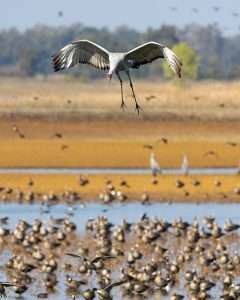
Cheyenne Bottoms Wildlife Area, Kansas
As the largest wetland in the interior U.S., Cheyenne Bottoms is a vital stopover for shorebirds and waterfowl on the Central Flyway. Over half of the global population of some shorebird species, such as the Buff-breasted Sandpiper, pass through here. It's a great spot to see a massive diversity of ducks, geese, and cranes.
West Coast & Southwest: Seabirds, Hummingbirds, and Desert Gems
The Pacific Flyway and the unique habitats of the Southwest create a different, but equally exciting, migration experience.
Point Reyes National Seashore, California
Located north of San Francisco, Point Reyes is a coastal haven on the Pacific Flyway. The diverse habitats—from coastal scrub and forests to beaches and mudflats—attract a wide range of birds. Fall migration brings a surge of shorebirds, waterfowl, and seabirds. Pelagic birding trips are a popular way to see oceanic species like shearwaters and jaegers. It's also a great location for seeing a variety of sparrows and raptors.
Lower Rio Grande Valley, Texas
This subtropical region is a true birder's paradise, where species from the eastern, western, and neotropical realms converge. The Rio Grande Valley is at the southern end of the Central Flyway and is the first U.S. stop for many northbound migrants and the last for southbound birds. Fall migration brings an incredible variety of species, including many that are rare or absent elsewhere in the U.S., such as the Green Jay and Altamira Oriole. The area's many wildlife refuges and state parks are critical for these birds.
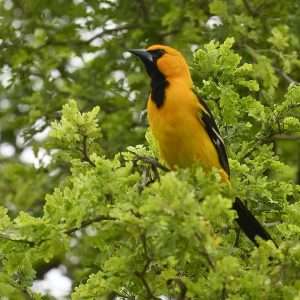
Southeastern Arizona: The Sky Islands
Arizona's "Sky Islands"—isolated mountain ranges surrounded by desert—create unique habitats that are a hotspot for diversity. The region's fall migration is a mix of southbound songbirds and hummingbirds. Southeastern Arizona is particularly famous for its spectacular diversity of hummingbirds, with species like the Broad-billed Hummingbird and Rufous Hummingbird moving through. The lush canyons and riparian areas are also excellent for spotting a variety of warblers and flycatchers.
Fall Migration Best Practices
To make the most of your birding trip, remember these tips:
- Timing is everything: While fall migration spans from August to November, the peak can vary. Early fall (late August to September) is best for many songbirds and hummingbirds, while raptors and waterfowl peak later (October to November).
- Go where the food is: Birds need to refuel. Focus on areas with abundant food sources like berry-producing shrubs and trees, or habitats with a high density of insects.
- Check the weather: A cold front with a north wind is a classic signal for a major push of migratory birds.
- Be prepared: Bring your binoculars, a field guide, and plenty of water. Plan your visit to national parks or wildlife refuges, as they often have the best resources and knowledgeable staff.
- Respect the birds: Always maintain a safe distance and avoid disturbing the wildlife. Remember, these birds are on an epic journey, and their well-being is paramount.
Do birds like woodpeckers migrate? Find out here.
