
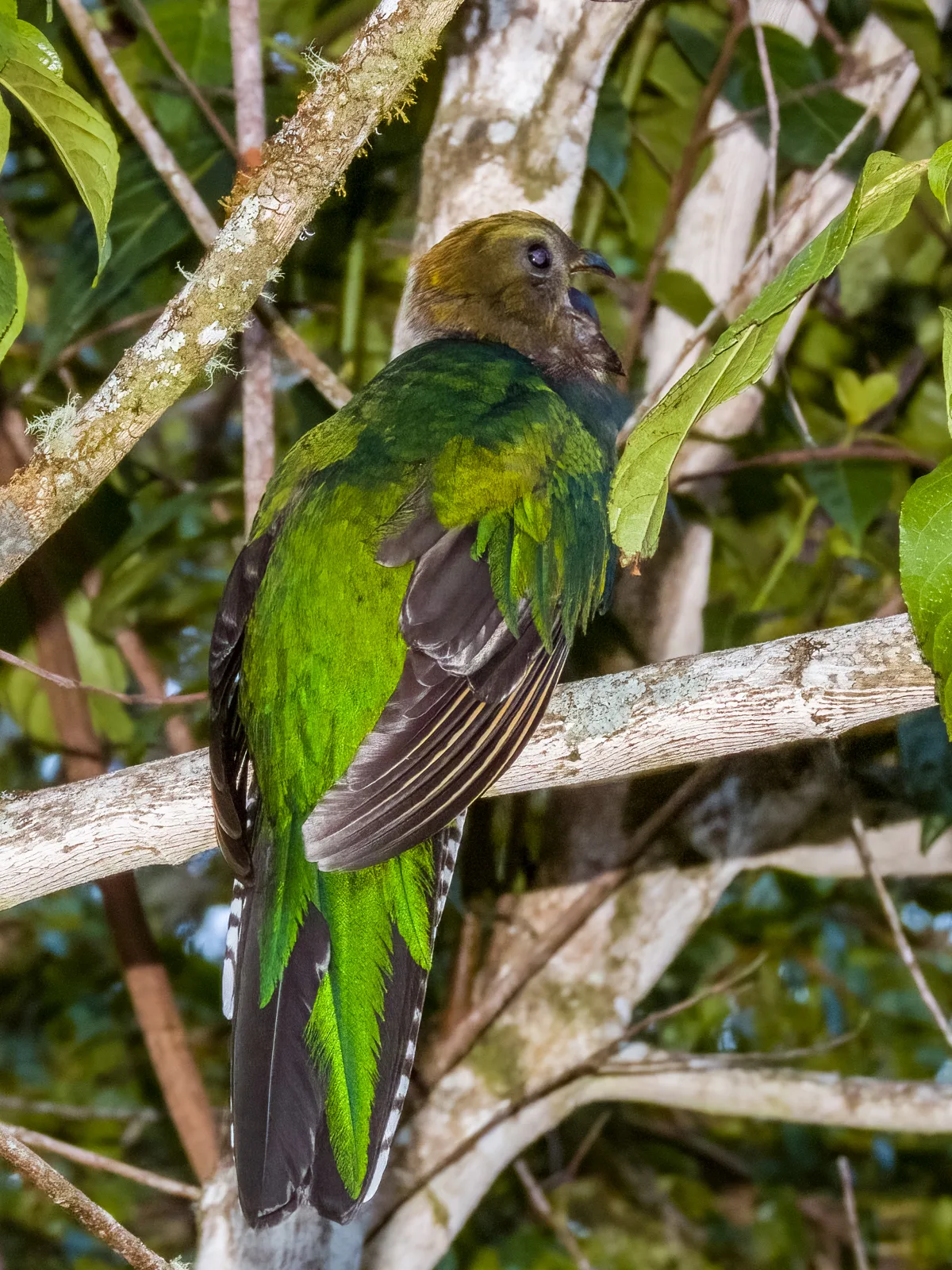
Panama—the narrow isthmus connecting two continents—is not just a global shipping thoroughfare; it is a critical biological bridge. This geographical funnel ensures that Panama, despite its small size (comparable to South Carolina), hosts over 1,000 species of birds, making it Central America's most species-dense and arguably most accessible birding destination.
To plan a successful trip, focus on three distinct geographic zones, each offering a unique set of target species and habitats.
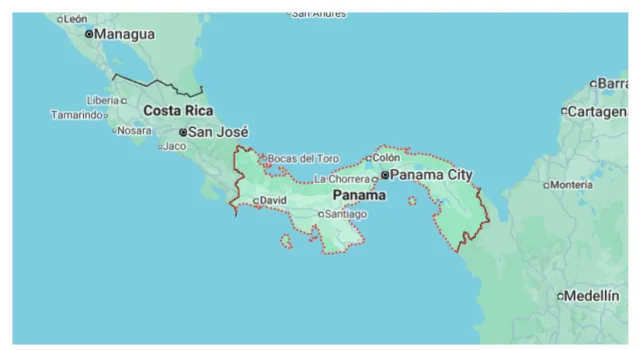
1. Central Zone: The Accessible Canal Watershed (Lowland Rainforest)
This is the essential starting point for any Panamanian birding trip. The areas around the Panama Canal—Soberanía National Park and its periphery—offer spectacular lowland rainforest birding less than an hour from Panama City.
| Hotspot | Target Birds | Birding Focus |
| Pipeline Road | Blue Cotinga, Ocellated Antbird, Rufous-vented Ground-Cuckoo, five species of Trogons (e.g., Slaty-tailed). | The world-famous trail known for its sheer diversity and army ant swarms, which attract specialized antbirds. |
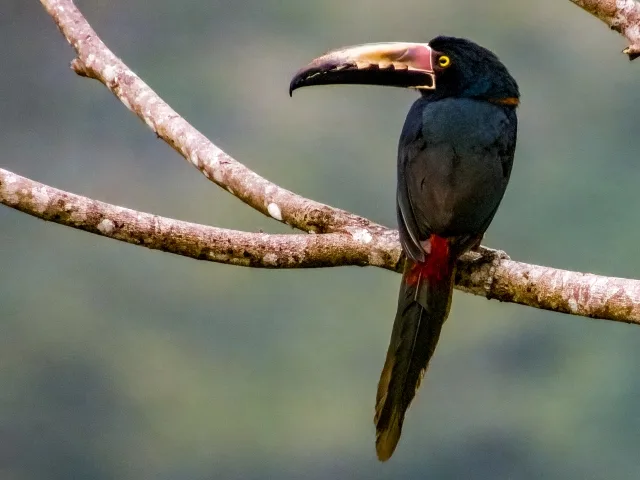
| Canopy Tower / Lodge | Green Shrike-Vireo, Keel-billed Toucan, Collared Aracari. | Eye-level canopy birding from a converted radar station; fantastic dawn chorus viewing. |
| Summit Ponds | Rufescent Tiger Heron, White-throated Crake, Boat-billed Heron. | Wetland species, especially at dawn and dusk. |
| Metropolitan Nature Park | Lance-tailed Manakin, Rosy Thrush-Tanager. | A productive rainforest patch inside Panama City limits for urban birding. |
Recommended Stay: 3-4 days in the Gamboa/Canopy Lodge area.
The Ghost of the Understory: Unveiling the Enigmatic Rufous-vented Ground-Cuckoo
2. Western Zone: The Chiriquí Highlands (Cloud Forest)
A short flight or a long drive west from the Canal Zone takes you to the cooler, mist-shrouded slopes of the Talamanca mountains near the Costa Rican border (Boquete and Volcán Barú). This region is mandatory for highland specialties.
| Hotspot | Target Birds | Birding Focus |
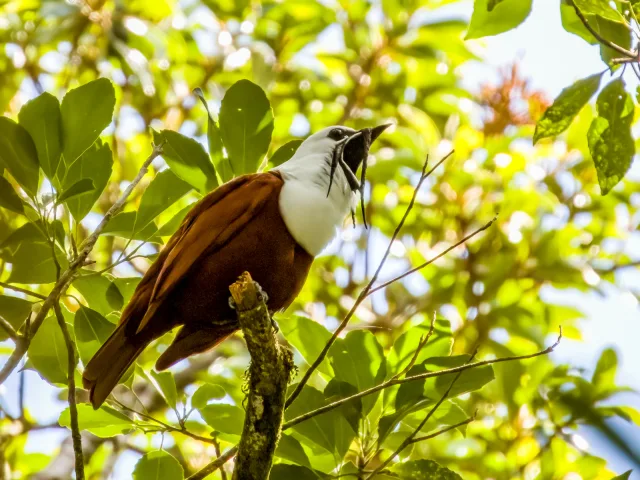
| Los Quetzales Trail | Resplendent Quetzal, Three-wattled Bellbird, Wrenthrush. | Searching for the Quetzal requires pre-dawn starts in the mossy cloud forest. Listen for the Bellbird's loud, anvil-like call. |
| Volcán Barú | Fiery-throated Hummingbird, Volcano Hummingbird, Black Guan. | High-altitude specialties found above 3,000 meters, often requiring a 4x4 or specialized tour. |
| Fortuna Forest Reserve | Bare-necked Umbrellabird, Black-and-yellow Tanager, Lattice-tailed Trogon. | Unique habitats influenced by both Pacific and Caribbean moisture. |
Recommended Stay: 3 days in the Boquete/Volcán area.
3. Eastern Zone: The Untamed Darién (The Final Frontier)
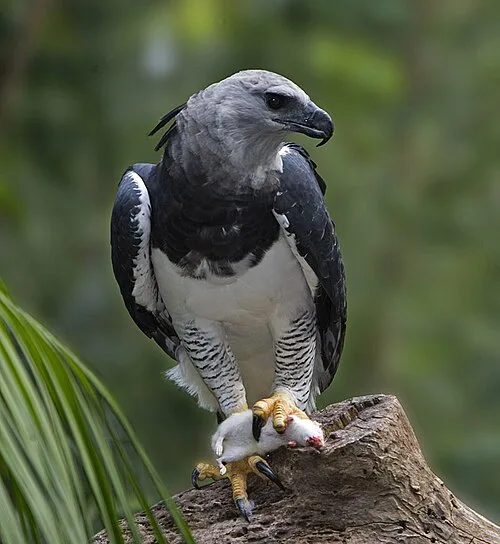
For the intrepid birder and those seeking highly specialized and endemic South American species, the remote Darién province is the goal. This area is challenging but highly rewarding.
| Hotspot | Target Birds | Birding Focus |
| Darién National Park | Harpy Eagle (Panama's national bird), Great Green Macaw, Sooty-headed Tyrannulet. | Deep jungle birding; often requires specialized multi-day tours, boat travel, and may involve stays in indigenous communities. |
| Cerro Pirre / Cana | Beautiful Treerunner (endemic), Pirre Warbler, Dusky-backed Jacamar. | Targeted endemic species restricted to the mountains and lowlands near the Colombian border. |
Recommended Stay: 4-5 days via an organized tour into the Darién or Tortí area.
Essential Planning Tips for Your Trip
Best Time to Visit: The dry season (December to April) offers the most pleasant conditions, with sunny days and easier trail access. However, birding is excellent year-round.
The Power of the Guide: In the dense Neotropical forest, a local, experienced guide is invaluable. They possess encyclopedic knowledge of bird calls and subtle movements, dramatically boosting your species count. Always book certified local guides.
Essential Gear: Bring high-quality binoculars, a spotting scope (highly recommended for canopy birding), light-colored, quick-drying clothing, and serious insect repellent. A digital camera is essential for documentation.
Logistics: Due to its infrastructure, flying between the Central Zone (Panama City) and the Western Zone (David) is easy and saves considerable driving time, allowing more time for actual birding.
Panama offers a truly world-class birding circuit that is both accessible and staggeringly diverse. By structuring your trip around these three distinct zones, you can ensure a massive species list and an unforgettable journey across this vital biological corridor.
