

In the world of birding, a "mega-rarity" is more than just a rare bird; it is a seismic event that can cause hundreds of people to drop their weekend plans, book last-minute flights, and stand in a freezing field for hours just for a glimpse of a four-ounce traveler. This spring, that event arrived in the form of a European Robin (Erithacus rubecula).
While the American Robin is a large, tall-standing member of the thrush family, the European Robin—the "Robin Redbreast" of British folklore—is a tiny, round flycatcher that belongs on the other side of the Atlantic. Its appearance in the United States this year has become the most talked-about sighting of 2026, sparking a conversation about avian navigation, climate shifts, and the sheer grit of migratory birds.
The Discovery: A Backyard Surprise
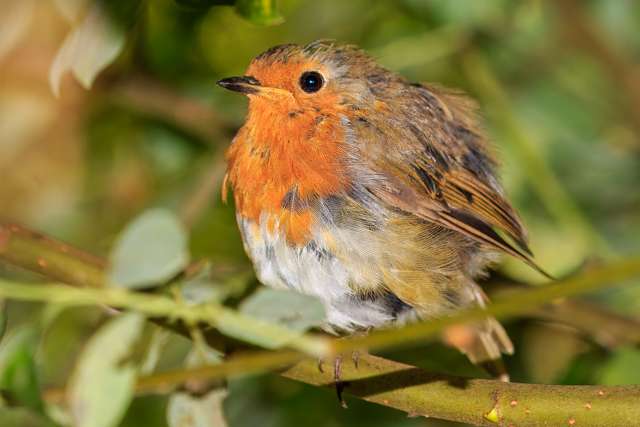
The sighting began like so many great birding stories: with a confused homeowner and a cell phone camera. In a quiet suburb in Pennsylvania, a resident noticed a bird at their feeder that looked like a "shrunken, rounder version" of the local robins.
When the photo hit local birding forums, the reaction was instantaneous. This wasn't a mutation or a strange fledgling; it was a bonafide European Robin. Within hours, the American Birding Association (ABA) Rare Bird Alerts were lit up, and the first "chasers" began arriving from as far away as Texas and California.
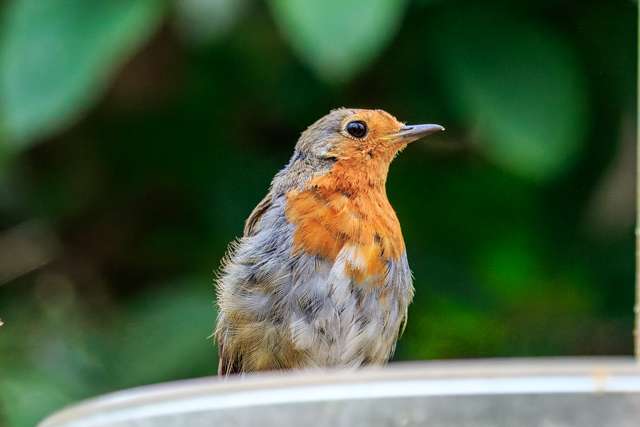
Note on Identification: To an American audience, the name "Robin" is often synonymous with the orange-breasted bird that heralds spring. However, the European Robin is much smaller, with a bright orange-red face and breast bordered by a bluish-gray "halo" on the neck. It has large, dark eyes and a much more delicate, inquisitive posture.
How Did It Get Here? The Three Theories
A bird that usually spends its time in the gardens of London or the forests of Scandinavia shouldn't be in the Mid-Atlantic. Experts are currently debating three potential paths for this "vagrant" visitor:
The North Atlantic Leap: The most likely natural path involves the bird traveling from Europe to Iceland, then Greenland, and finally down the coast of Labrador and New England. A strong weather system—common in the early spring of 2026—can push these tiny birds off their intended course and across the ocean.
Ship-Assisted Passage: It is possible the robin landed on a transatlantic cargo ship or container vessel to rest during a storm. These "hitchhikers" are common in the birding world, as the ships provide a floating island that allows land birds to survive a crossing they could never achieve on their own.
The "Reverse Migration" Glitch: Some birds possess a genetic glitch in their internal compass, causing them to fly 180 degrees in the wrong direction. While rare, this "vagrancy" is what keeps birding exciting and occasionally introduces new genetics to distant lands.
The "European Robin" vs. The "American Robin"

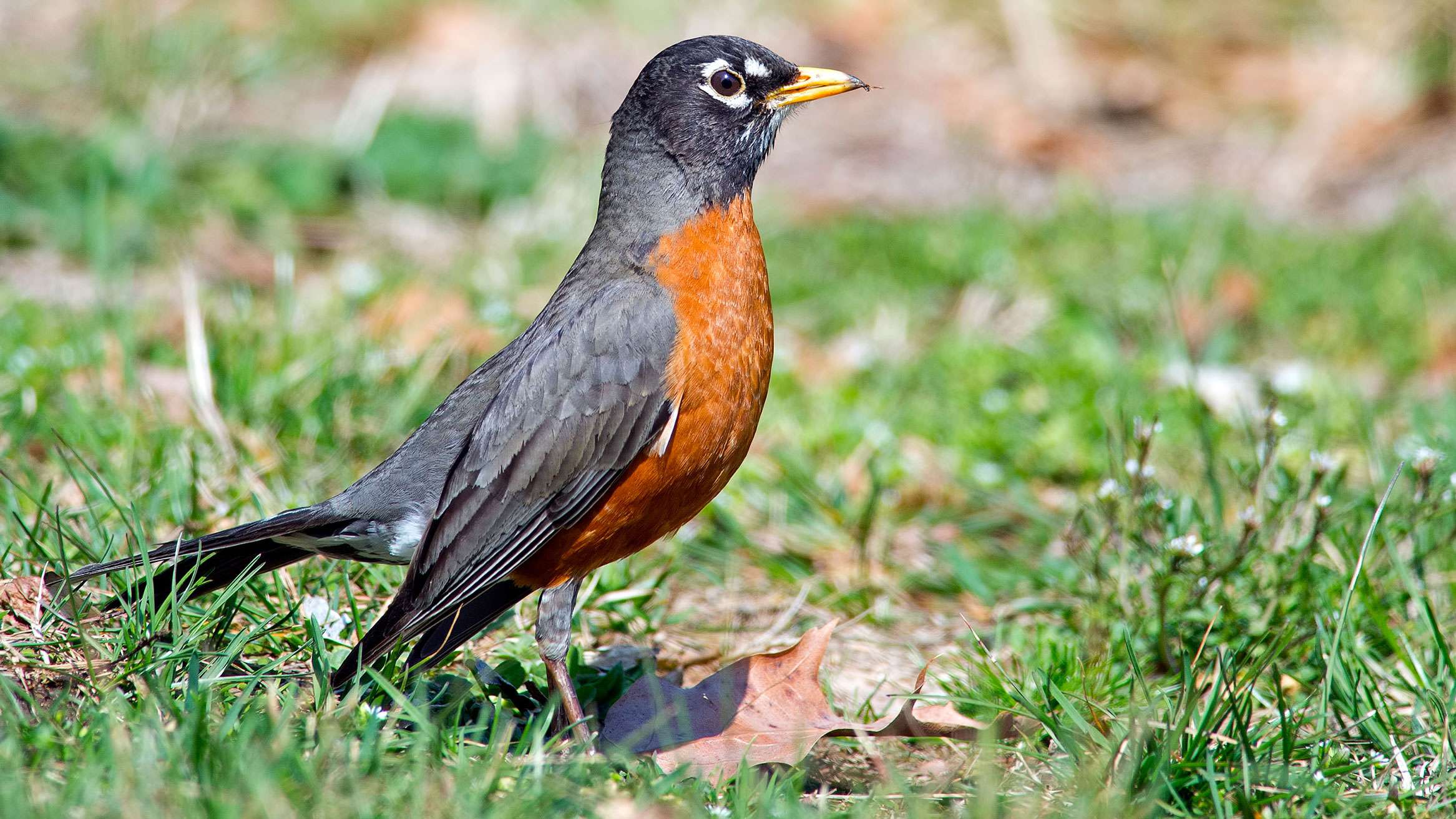
The arrival of this visitor has led to a flurry of Google searches comparing the two namesakes. While they share a name, they are not closely related.
| Feature | European Robin | American Robin |
| Family | Old World Flycatcher (Muscicapidae) | Thrush (Turdidae) |
| Size | 5.5 inches (Tiny/Round) | 10 inches (Large/Upright) |
| Face | Orange extends over the face/eyes. | Black/Gray head with white eye-ring. |
| Behavior | Highly territorial; solitary. | Social; often found in large flocks. |
The Cultural Impact: A Symbol of Hope
Beyond the scientific data, the European Robin has captured the public imagination. In Europe, the bird is a symbol of Christmas and resilience. In the U.S., its appearance during a particularly turbulent spring has been seen by many as a "small wonder"—a reminder of the interconnectedness of our global ecosystems.
The sighting has also boosted local economies. Small towns near the sighting location have seen "birder booms," with hotels and cafes filling up with binocular-clad tourists. It is a perfect example of "Avitourism," where the presence of a single rare bird can generate thousands of dollars for a local community in a matter of days.
If You Go: Ethics of the "Chase"
If you are planning to head out to see the European Robin (or any rare vagrant), remember the ABA Code of Birding Ethics:
Keep Your Distance: Use a spotting scope or binoculars. Do not flush the bird or use "playback" (recorded calls) to get it to move.
Respect Property: Many rarities show up in residential backyards. Always stay on public roads or designated viewing areas unless you have explicit permission from the homeowner.
Quiet, Please: Rare birds are often under significant stress from their long journey. Keep noise to a minimum to allow the bird to forage and rest.
The European Robin’s visit to the States is a fleeting gift. Whether it eventually finds its way back north or settles into its new American neighborhood, it has left an indelible mark on the 2026 birding season. It reminds us to keep our feeders full and our eyes open—you never know who might stop by for a snack after a 3,000-mile detour.
