

Balancing Technology, Observation, and Avian Welfare
In the modern age of birdwatching, a quiet revolution has taken place, one that fits neatly in our pockets. The rise of smartphone apps featuring vast libraries of bird songs and calls has made identifying and locating avian species easier than ever before. But this technological convenience has a dark side, sparking a contentious ethical debate among birders, scientists, and conservationists.
The question at the heart of the matter is simple yet profound: Is it ethical to use bird call apps to attract birds in the wild?
The allure of using these apps is undeniable. For a new birder, the ability to play a recording and have a secretive, skulking species pop out of the bushes is a thrill. It transforms a frustrating search into a moment of pure magic, providing a close-up view of a bird that might otherwise remain a disembodied song in the canopy.
For seasoned birders, these apps can be a powerful tool for confirming the identity of a rare or difficult-to-spot species, or for conducting a quick survey of a new area. The argument in favor is one of accessibility and education. By making birding more engaging and less intimidating, these apps can inspire a new generation of enthusiasts, who, in turn, may become passionate advocates for bird conservation. This is the "gateway drug" argument: a little technological nudge can lead to a lifelong love of nature and a commitment to protecting it.
The Case Against
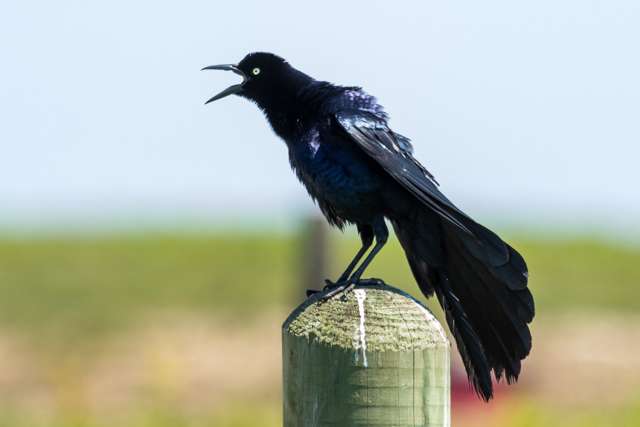
However, the opposition to this practice is rooted in a deep respect for the welfare of the birds themselves. At its core, using playback to attract a bird is a form of manipulation. When a male bird hears the song of a rival broadcast from a hidden speaker, its natural response is to defend its territory. It expends valuable energy to investigate a threat that doesn't exist.
This is particularly problematic during the crucial breeding season, when male birds are already under immense pressure to establish and defend their territories, attract a mate, and find enough food to support a nest. Repeated playback can disrupt these critical activities, potentially leading to a male losing status with his mate or rivals, or even abandoning his nest.
Furthermore, the act of luring a bird out of hiding can expose it to danger. A bird that is preoccupied with defending its territory is a bird that is less aware of its surroundings. It may fly into the open, making itself an easy target for a waiting predator like a hawk or a feral cat. The constant stress and energy expenditure, while seemingly minor in a single instance, can accumulate over time, especially in heavily birded areas.
For birds in these "hotspots," the experience is akin to living in a state of perpetual, low-grade warfare, constantly responding to phantom rivals. While a single encounter may not seem to cause significant harm, the cumulative impact of dozens of birders using playback in the same location can be a serious concern.
Read about what bill shapes and sizes tell us about birds.

Research
The ethical dilemma is complicated by a lack of definitive, large-scale scientific data on the long-term effects of audio playback on bird populations. While individual studies have shown varied responses—some birds habituate to the sounds and stop responding, while others show elevated stress hormones or behavioral changes—a comprehensive understanding of the cumulative, species-specific, and ecosystem-wide impacts remains elusive. This uncertainty is a key part of the ethical debate. In the absence of clear evidence that the practice is harmless, many argue for a precautionary principle: when in doubt, prioritize the well-being of the birds.
Official Advice
This is the stance adopted by many conservation organizations, including the American Birding Association (ABA), whose Code of Birding Ethics is a widely respected guide for responsible behavior. The ABA's guidelines explicitly advise birders to "limit the use of recordings and other methods of attracting birds, and never use such methods in heavily birded areas or for attracting any species that is Threatened, Endangered, of Special Concern, or is rare in your local area." This statement highlights a crucial distinction: the risk is not uniform. Playing the call of a common, widespread songbird in a remote, private location is a very different proposition than using playback for a rare, endangered, or sensitive species in a popular public park.
The proliferation of bird call apps has also created a cultural shift in the birding community. It has moved the focus from patient, quiet observation to a more transactional, "get the shot" mentality. The goal becomes less about experiencing the bird in its natural state and more about "bagging" a species for a checklist or a photograph. This emphasis on instant gratification can detract from the deeper rewards of birding, which often come from the quiet moments of stillness, the patient waiting, and the slow unraveling of a bird's natural behavior.
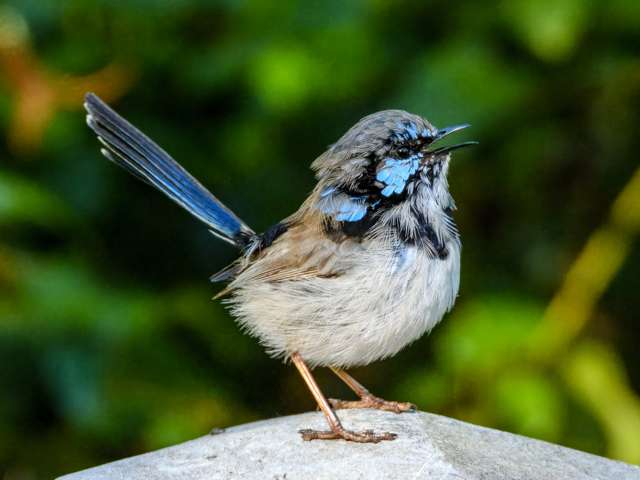
A birder who relies on an app to see a bird may miss the subtle clues—the flick of a tail, the rustle of a leaf—that a bird is nearby. They may also miss the opportunity to learn a bird's natural vocalizations by ear, a skill that is a cornerstone of true birding mastery.
The ethical use of this technology, therefore, is not a simple yes or no question. It's about a mindful approach, a self-awareness that acknowledges the power of the tool and the potential for harm. It's about recognizing that birding is not a competitive sport with a leaderboard, but an act of stewardship and a privilege to witness the wild world.
Ultimately, the best approach is to reframe the use of these tools not as a primary means of attraction, but as a last resort, a tool for identification or education rather than a trick to lure a bird out. If a birder has a brief glimpse of a bird they can't quite identify, playing a short, low-volume snippet of a call to confirm its identity might be acceptable. If the bird responds and reveals itself, a responsible birder should then immediately turn off the sound and enjoy the sighting, without further manipulation. The key is brevity and restraint. A one-second burst is a far cry from a continuous loop.
For the new birder, the best practice is to first rely on other methods: a good pair of binoculars, a field guide, and most importantly, patience. Spend time learning the songs and calls by listening to recordings at home or on a long drive, but resist the urge to use them as an active lure in the field. Let the birds be your teachers, not your performers.
Wrapping Up
In conclusion, the ethical landscape of using bird call apps is complex, but the guiding principle should always be the welfare of the birds. The powerful allure of technology should not override the fundamental respect for the wild animals we seek to observe. While the tool itself is not inherently bad, its misuse can be. The solution is not a total ban, but a call for mindful, moderate use. Using playback should be an exception, not the rule. A single, short, low-volume burst to confirm a difficult identification, particularly for a common species in an uncrowded area, may be acceptable. However, for rare or sensitive birds, in heavily trafficked locations, or during breeding season, the answer is clear: put the phone away. The most ethical and rewarding way to bird is to embrace the art of patient observation, allowing the birds to share their world on their own terms.
Check out our guide for bird watching beginners.
