
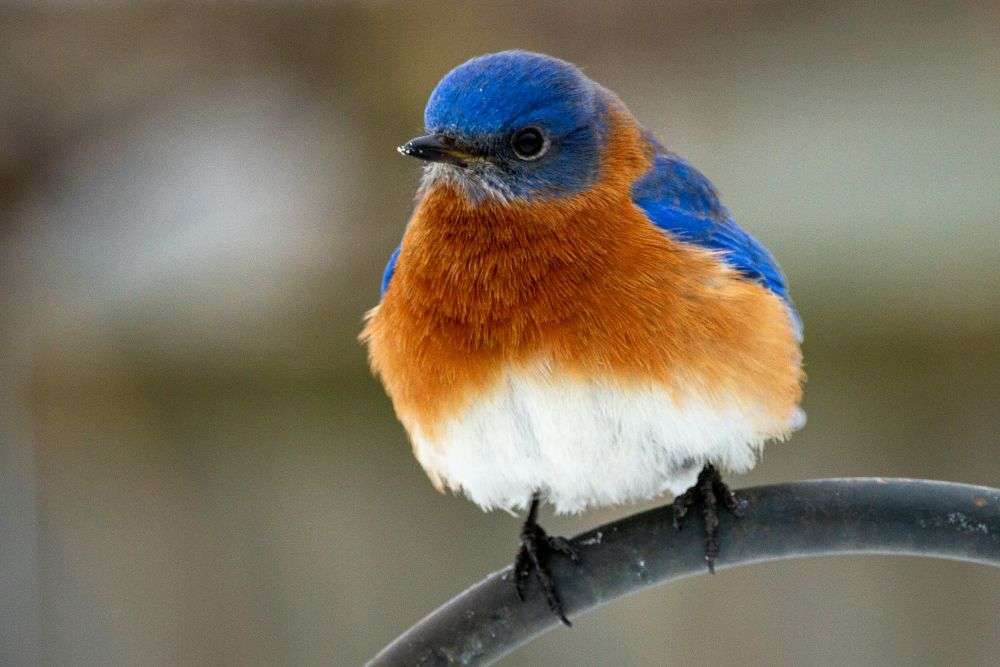
The Eastern Bluebird (Sialia sialis) is one of North America's most cherished songbirds, a beacon of springtime and a symbol of natural renewal. With its brilliant azure back, rusty breast, and pure white belly, the male is a dazzling spectacle. Once a common sight across the rural landscape, this small thrush faced a severe population crisis in the 20th century. Its subsequent recovery, driven almost entirely by dedicated conservation efforts, makes the bluebird’s story one of the great triumphs of citizen science and backyard stewardship.
Found throughout the eastern United States, south-central Canada, and into Mexico, the Eastern Bluebird is a bird of open woodlands, orchards, and fields. It prefers scattered trees with sparse ground cover, avoiding dense forests. Understanding the bluebird involves appreciating its unique biology, its reliance on specific nesting conditions, and the profound impact human actions—both harmful and helpful—have had on its survival.
Biology and Behavior: The Thrushes in Blue
The Eastern Bluebird is not a finch, as its common name might suggest, but a member of the thrush family (Turdidae), which also includes the American Robin. Like its thrush relatives, it has a soft, sweet voice and feeds heavily on ground-level insects and berries.
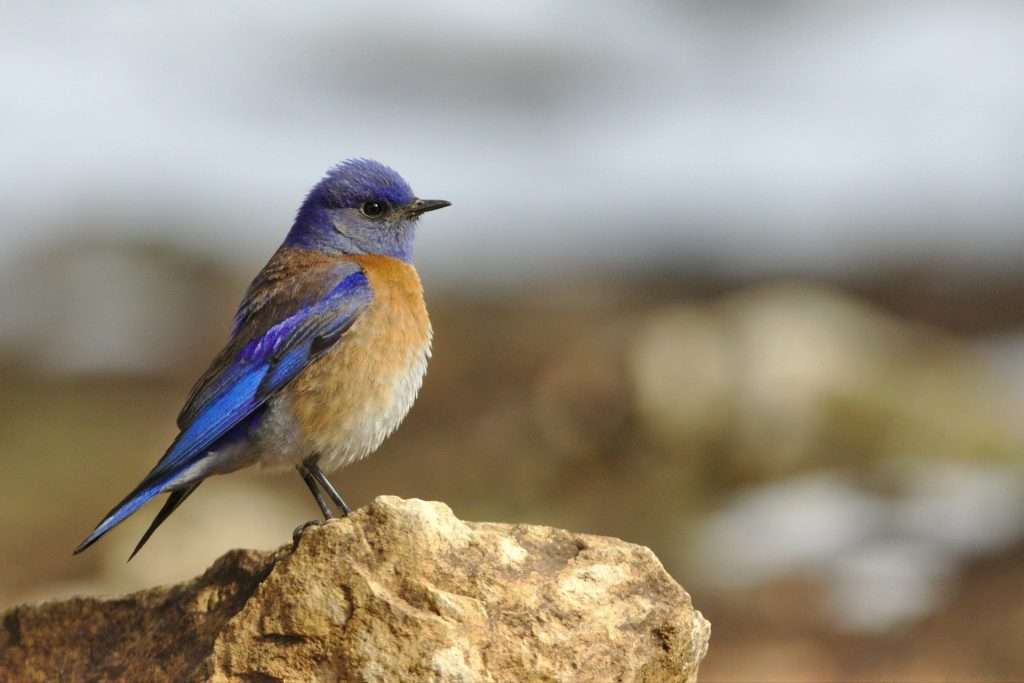
Appearance and Plumage
The bluebird’s signature color is not derived from blue pigment but from the structure of its feathers. The melanin granules in the feather barbs scatter only blue light, a phenomenon known as structural color.
- Male: The breeding male is unmistakable: bright blue over the head, back, and wings, with a warm, rusty-red breast and flanks, and a clean white abdomen.
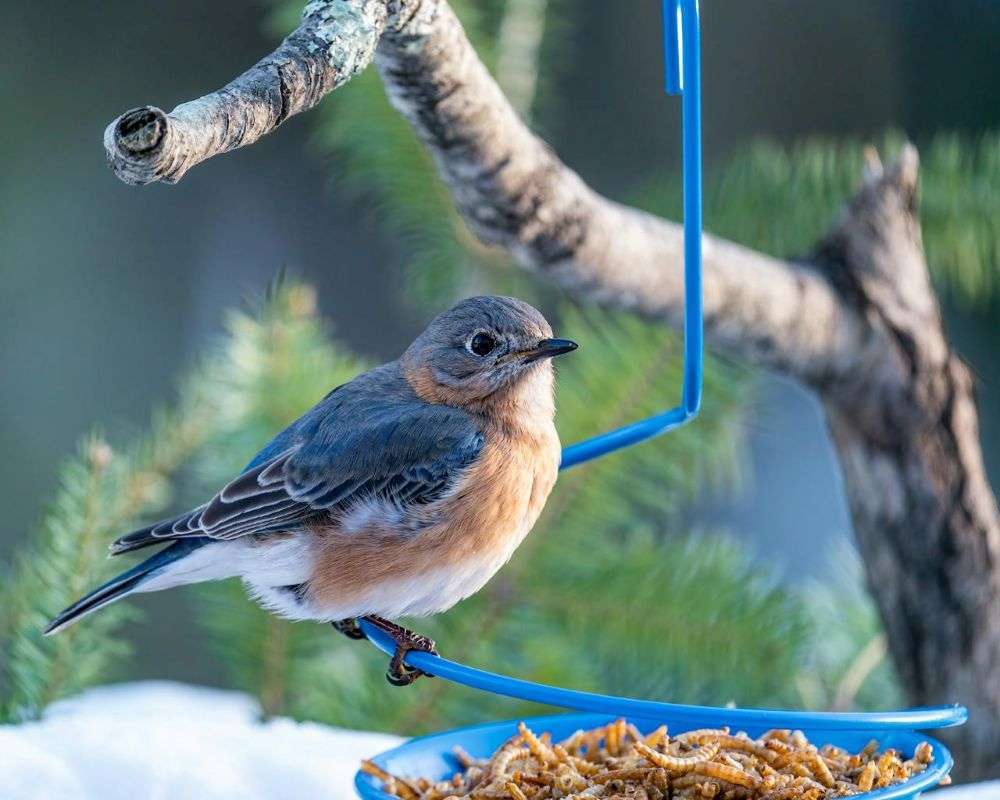
- Female: The female is much duller, with a muted blue-gray back, a paler, almost orange-brown breast, and prominent blue only on the wings and tail. This subdued coloring is a key evolutionary trait, offering camouflage while she incubates the eggs.
- Juvenile: Young bluebirds are spotted, much like young robins, which betrays their identity as true thrushes.
Diet and Foraging
Unlike many songbirds that rely solely on seeds, the bluebird is a primary insectivore during the warmer months. It is a perch-and-pounce hunter, sitting on a low perch (like a fence post or telephone wire) and swooping down to grab insects, such as grasshoppers, crickets, and beetles, off the ground.

In the late fall and winter, when insects are scarce, its diet shifts almost entirely to wild berries and small fruits (known as frugivory). Species like dogwood, sumac, wild grapes, and hackberry become vital for survival, often determining whether a population remains resident or migrates south.
Vocalizations
The bluebird’s song is a soft, melodic series of three or four warbling notes, often described as a "sweet-sweet-tweedle-dee" call. Its contact call is a low-pitched, dry trill, often heard as pairs communicate while foraging.
The Defining Challenge: The Cavity Crisis
The greatest vulnerability of the Eastern Bluebird lies in its nesting requirements. The species is an obligate secondary cavity nester, meaning it must use pre-existing holes—it cannot excavate its own nest cavity from solid wood.

Historically, bluebirds relied on natural cavities in dead trees (snags) or abandoned nest holes made by primary excavators, such as certain species of woodpeckers. This dependency led to a catastrophic decline driven by two major factors in the 20th century:
- Habitat Loss: The shift to modern, large-scale agriculture and forestry led to the widespread practice of removing snags and dead trees for lumber and "clean" farming, drastically reducing available nest sites.
- Interspecies Competition: The introduction and successful establishment of the more aggressive, non-native House Sparrow (Passer domesticus) and European Starling (Sturnus vulgaris) proved disastrous. These two species, also cavity nesters, breed earlier, often aggressively usurp bluebird nests, and are known to kill adult bluebirds.
By the 1970s, bluebird populations had plummeted by an estimated 70%, and the species had vanished from many parts of its historical range.
Conservation Success: The Rise of the Bluebird Trail
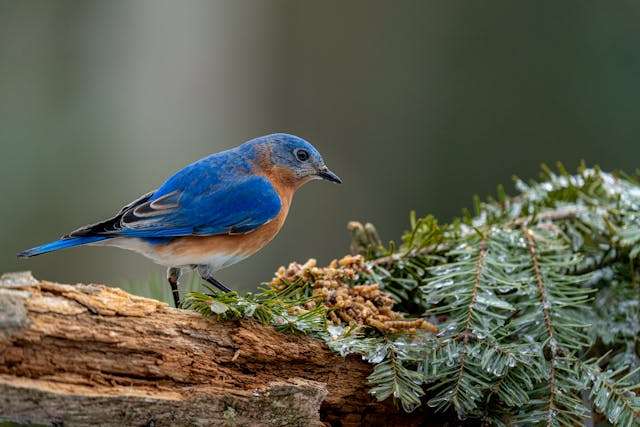
The near-extinction of the bluebird galvanized one of the most successful and widespread conservation efforts in North American history: the establishment of Bluebird Trails.
The Nest Box Solution
The key to the bluebird's recovery was the realization that its decline was a housing shortage, not a food shortage. Millions of specialized bluebird nest boxes were designed, built, and deployed by bird enthusiasts, homeowners, and conservation groups across the continent.
These boxes are built to a very precise specification:
- Entrance Hole: The hole is precisely inches in diameter. This size allows the bluebird to enter but is small enough to exclude the larger, non-native European Starling.
- Placement: Boxes are typically mounted on metal poles (to deter climbing predators like raccoons and snakes) in open areas, often facing away from the prevailing wind.
- Monitoring: The establishment of organized "Bluebird Trails"—routes of boxes monitored weekly—allowed volunteers to manage competition, remove competing sparrow nests, and gather valuable data on reproduction.
A Triumphant Comeback
Thanks to these decades of concerted effort, the bluebird made a stunning recovery.
- By 2005, the Eastern Bluebird was removed from the list of species of conservation concern in most states and is now a common sight in its preferred habitats.
- The species' population is now considered stable and is even expanding its range in some areas. The bluebird recovery stands as a definitive, ongoing example of the positive impact that focused, grassroots citizen science can have on wildlife conservation.
A Symbol of Hope
Today, the Eastern Bluebird is a familiar and welcome sight. They are often seen in family groups after the summer breeding season, with parents continuing to feed their spotted, fledgling young. Their dependence on human-provided nest boxes underscores a continuing ecological partnership.
For the American birder, the bluebird is a feathered embodiment of hope. It reminds us that environmental damage can be reversed, and that simple, direct conservation efforts—like providing a safe home—can resurrect a species. Its flash of blue against the bare branches of a late winter day is the promise that spring, and the renewal of the natural world, is just around the corner.
