

For birders in the U.S., the choice between the Atlantic and Pacific Coasts often feels like a fundamental divide. Both offer unique migratory spectacles, endemic species, and world-class habitats, but they achieve their avian richness through vastly different ecological mechanics. As we head into 2026, the question remains: Which coast offers the superior birding experience?
The answer, inevitably, depends on what you seek. Are you after sheer volume and diversity of warblers in a concentrated area, or are you chasing endemic specialties and spectacular seabirds? By examining the defining features of each coastline, we can help you choose the trip that best suits your birding style.
The Atlantic Coast: The Migration Funnel and Eastern Endemics
The Atlantic Coast is defined by the Atlantic Flyway, one of the busiest migratory corridors in the world. Its birding appeal lies in three key factors: the migratory bottleneck, the presence of extensive coastal wetlands, and its unique suite of eastern woodland species.
Bottlenecks and Fallout
The Atlantic Coast’s geography, particularly the jutting peninsulas of places like Cape May, New Jersey, and the Outer Banks, North Carolina, acts as a natural funnel. Migrating birds flying south are squeezed onto these narrow land masses as they prepare for or avoid flying over the open ocean.
The Spectacle: This creates the famous "fallout" phenomenon in the spring. Exhausted birds, pushed to the coast by unfavorable weather systems, drop en masse into coastal thickets. This allows birders to see dozens of species of warblers (like the Black-throated Blue and Blackburnian), vireos, and thrushes in a single location and often at eye-level.
Best Time: Late April through mid-May (Spring Migration) and September through October (Fall Migration).
Key Habitats: Salt marshes, maritime forests, and coastal dunes.
Wetland and Shorebird Dominance
The eastern seaboard is home to vast, protected estuarine systems and salt marshes—critical feeding and nesting grounds.
Specialties: The East Coast is generally considered superior for observing a large diversity of wading birds (like the Tricolored Heron and Glossy Ibis), and it holds the major concentration of endangered species like the Piping Plover on its beaches. It also boasts several East Coast specialties, including the distinctive Saltmarsh Sparrow and large wintering flocks of eiders and scoters.

East Coast Hotspot Example: Magee Marsh, Ohio (Honorary Mention)
While technically on the Great Lakes, the area around Magee Marsh exemplifies the Eastern Flyway experience, hosting the "Biggest Week in American Birding," where hundreds of warblers concentrate before crossing Lake Erie.
The Pacific Coast: Endemics, Pelagics, and Western Specialties
The Pacific Coast offers a fundamentally different, and often more rugged, birding experience. It is characterized by dramatic mountains meeting the sea, leading to stark habitat changes over short distances, producing a rich diversity of coastal, pelagic, and montane species.
The Influence of the Mountains and Endemics
Unlike the generally flatter Atlantic plains, the Pacific Coast’s geography—with the Coastal Ranges and the Sierra Nevada running parallel to the sea—creates distinct ecological zones that produce numerous regional endemics.
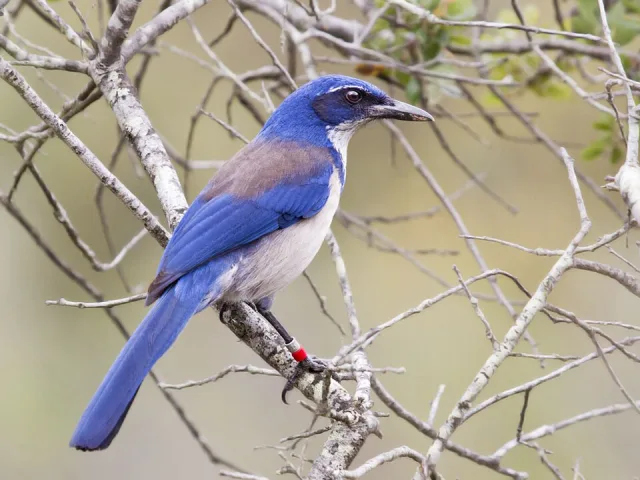
The Spectacle: Birders can move quickly from the coastal fog and redwood forests to high-elevation chaparral and desert slopes in just a few hours. This allows for targeting localized species like the California Condor (in limited areas), the Island Scrub-Jay (on Santa Cruz Island), and the Wrentit, which are found nowhere else in the U.S.
Best Time: Year-round, but spring (April-May) is great for montane breeding birds, and winter is best for sea ducks and gulls.
Key Habitats: Chaparral, redwood/fir forests, and rocky shorelines.
Pelagic Prowess
For birders interested in open ocean species, the Pacific Coast is arguably unmatched. The deep-water canyons and cold, nutrient-rich currents (like the California Current) support enormous marine life and attract deep-sea birds close to the shore.
Specialties: The Pacific Coast is superior for viewing alcids (like Murres and Puffins), shearwaters, and petrels. Pelagic trips out of places like Monterey Bay, California, offer reliable sightings of species like the Ashy Storm-Petrel and various Albatrosses, making it the premier location for this specialized type of birding.
West Coast Hotspot Example: Monterey Bay, California
A hub for both coastal and pelagic birding, the deep-water canyons here attract a world-class concentration of marine mammals and seabirds year-round.
East vs. West: The Final Verdict
Choosing the "better" coast ultimately comes down to your birding personality:
| Feature | Atlantic Coast (East) | Pacific Coast (West) |
| Migratory Spectacle | Superior. Funnels produce huge "fallouts" of warblers and songbirds. | Good, but more spread out and less dramatic concentration. |
| Seabirds (Pelagics) | Good, but typically further offshore. | Superior. Deep-water canyons bring a higher diversity of species closer to shore. |
| Variety of Specialties | Focus on Eastern songbirds, vireos, and unique marsh dwellers. | Focus on Endemic species (Condor, Wrentit, coastal alcids) and Western warblers. |
| Ease of Access | High concentration of prime spots (Cape May, Gulf Coast) near population centers. | Requires more driving/hiking to move between very distinct habitats. |
| Rarities (Vagrants) | Excellent. The coast is a major "trap" for European vagrants and storm-driven birds. | Excellent, particularly for Asian vagrants that cross the Bering Strait and follow the coast south. |
The Atlantic Coast is ideal if you are a beginning or intermediate birder looking to build a large life list quickly, or if you specialize in warblers and eastern songbirds.
The Pacific Coast is ideal if you are an advanced birder looking to find unique endemic specialties, focus on seabirds, or appreciate the rapid changes in avian communities across varied terrain.
In 2026, both coasts promise exceptional birding, but the East will give you concentrated quantity and the magic of fallout, while the West will reward you with specialized quality and spectacular marine vistas.
Coast to Coast Birding Road Trips You Can Do in a Long Weekend
