
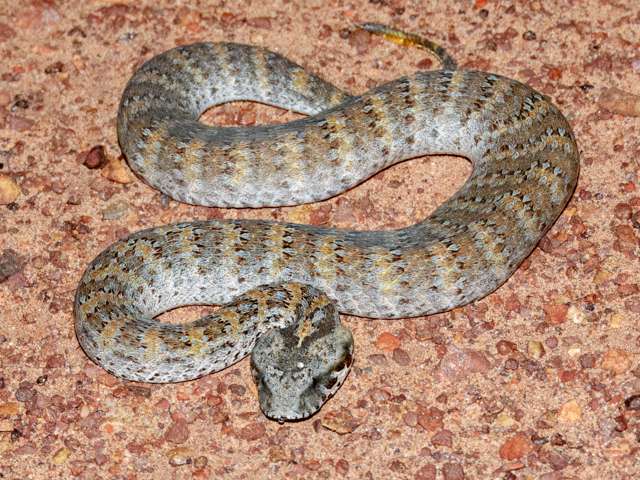
Lots of birds are carnivorous birds that primarily feed on small mammals, birds, reptiles, and insects. But do they eat snakes?
Generally, the answer to this question will depend on its environment; after all, they do consume a wide range of prey. Plus, not every bird species eat snakes. But several species have been known to eat snakes when they find them.
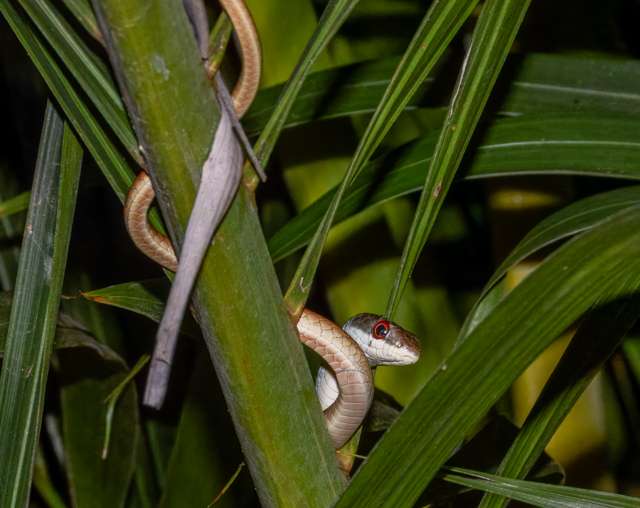
Do Birds Eat Snakes?
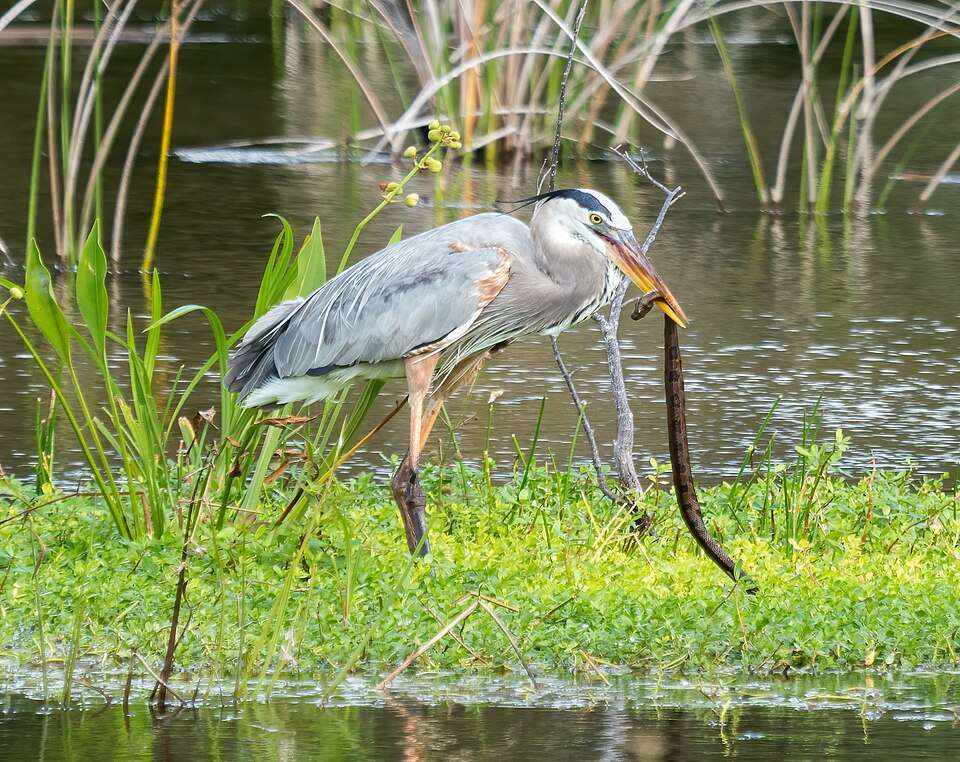
Yes, birds are known to prey on snakes. Hawks are raptors, which are birds of prey that have sharp talons and beaks specifically adapted for hunting and capturing other animals. While their diet primarily consists of small mammals and birds, they are also known to hunt snakes and eat them. Herons and egrets are waterbirds that eat anything from frogs to snakes.
Hawks and herons have excellent eyesight, which allows them to spot snakes from a distance.
Once they have located their prey, hawks will swoop down from the sky and use their sharp beaks and talons to grasp and kill the snake. They may also use their beak to deliver a quick and lethal bite to the head or neck. Herons are more stealthy but will also deliver a final killer stroke.
It's worth noting that not all species of hawks or heron will prey on a snake, as their diet can vary depending on their habitat and the availability of other food sources.
Bird Species That Eat Snakes
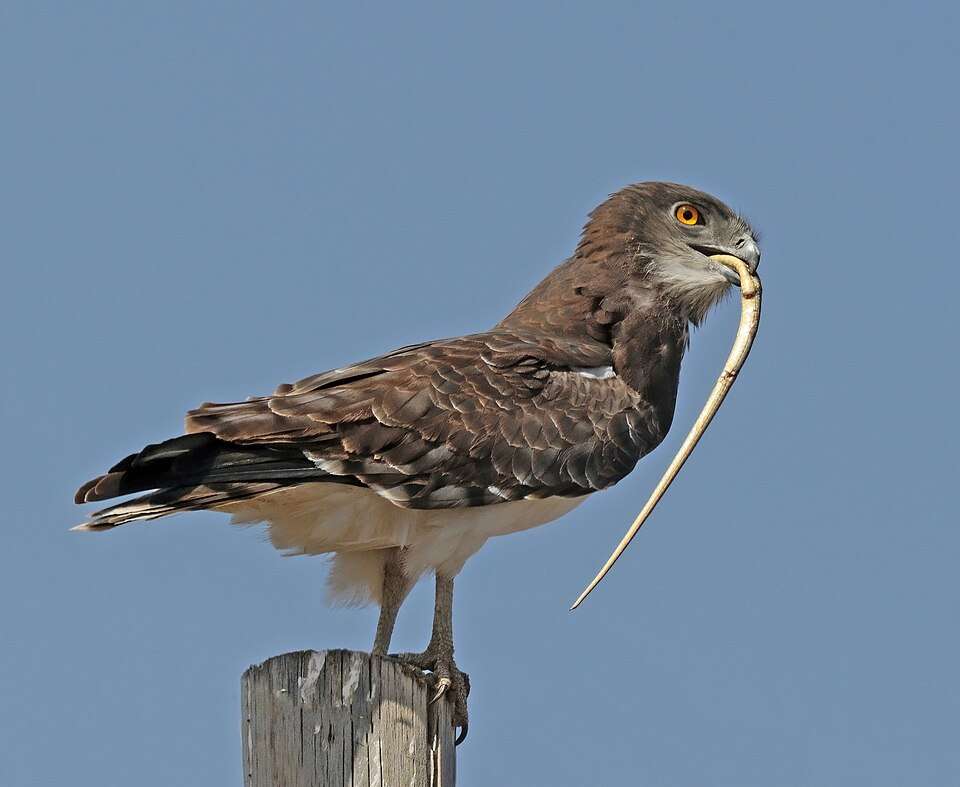
Several bird species are known to eat snakes. Here are a few examples:
Red-tailed Hawk: Red-tailed Hawks are large hawks found throughout North America. Red-tailed Hawks are opportunistic hunters and have been observed capturing and consuming snakes.
Great Horned Owls: As powerful nocturnal hunters, great horned owls prey on a wide range of animals, including snakes. They use their silent flight and sharp talons to catch snakes unaware in the dark.
Greater Roadrunners: Famous for their speed and agility, roadrunners are well-known for their snake-hunting abilities. They hunt on foot and are even known to take on venomous rattlesnakes, which they kill by smashing the snake's head against a rock.
Eagles: Both Bald Eagles and Golden Eagles will prey on snakes, especially when they are found in open areas.
Herons and Egrets: These wading birds, with their long legs and sharp beaks, will eat smaller water snakes they encounter in wetlands.
Crested Caracaras: Found in the southern U.S., these birds are opportunistic and will hunt snakes on the ground, often striking quickly at the snake's neck to immobilize it.

Snake Species That Birds Eat
U.S. birds that eat snakes are opportunistic and will prey on a variety of species, from common, non-venomous snakes to dangerous, venomous ones. The specific type of snake a bird eats often depends on the bird's size, its hunting strategy, and the availability of prey in its habitat.
Here are some examples of snake species that birds in the U.S. are known to eat:
Rattlesnakes: The Greater Roadrunner is famously known for its ability to hunt and kill rattlesnakes, using its speed and agility to avoid the snake's fangs. Red-tailed Hawks also prey on rattlesnakes, using a clever "matador" move to distract the snake and then crushing its head with their powerful talons.
Bullsnakes (also known as Gopher snakes): These are a common prey item for Red-tailed Hawks, which can take on and kill snakes of considerable size.
Garter snakes: These smaller, non-venomous snakes are a food source for a variety of birds. For instance, Bald Eagles, which are primarily fish eaters, have been observed feeding on garter snakes.
Rat snakes and Gopher snakes: Great Horned Owls, known for their silent flight and powerful talons, are known to prey on these types of snakes.
Water snakes: Wading birds like herons and egrets will occasionally eat smaller water snakes they find in wetland environments.
Cottonmouths: Great Horned Owls are also known to prey on venomous snakes, such as cottonmouths.
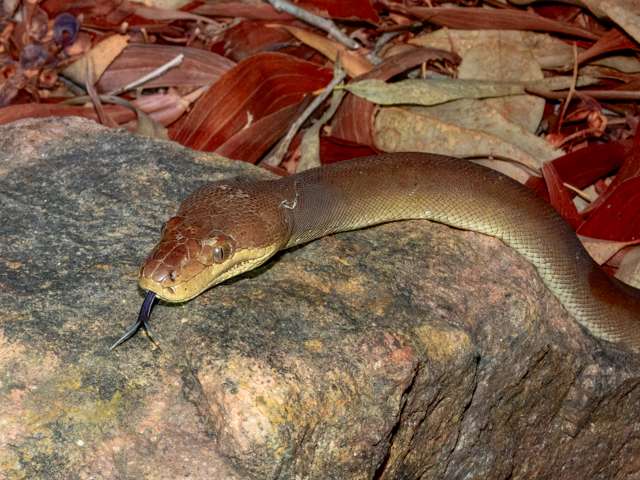
How Birds Catch and Eat Venomous Snakes
Birds employ several techniques to catch and eat snakes, utilizing their sharp talons and beaks without worrying about snake venom or snake bites. Here's a general overview of how birds catch and consume snakes:
Hunting: Hawks typically hunt from an elevated perch, such as a tree branch or utility pole, scanning the ground for potential prey. They have excellent eyesight, allowing them to spot snakes from a distance. Waterbirds like herons, on the other hand, wait patiently and stalk their prey in water or marshlands.
Dive and capture: Once a hawk spots a snake, it may dive swiftly and silently toward its target. This maneuver is known as a stoop. Hawks can reach impressive speeds during their descent. They use their talons to grab and immobilize the snake. Once herons are focused on their prey, they will stab it with their long sharp bill.
Subduing the snake: After capturing the snake, the hawk may use its sharp talons to hold the snake firmly, preventing it from escaping or retaliating. Some hawks may also use their beak to further control the snake's movements and prevent bites. Fortunately, some snakes die after being attacked. Herons will shake and bash the impaled snake until it is subdued or dead.
Transporting and consumption: Hawks often transport their prey to a safe feeding location, such as a tree branch or a secluded area. They may carry the snake in their talons while flying or hop along the ground if the snake is not too large. Once in a secure spot, the hawk will begin to consume the snake. Herons and hawks are known for eating snakes using their beak and swallowing them whole.
Defense against poisonous snakes: When hunting venomous snakes, such as rattlesnakes, all birds need to be cautious. They often target the head to minimize the risk of being bitten. Additionally, hawks may have developed strategies to immobilize or disable poisonous creatures before consuming them.
Reasons Why Venomous Snakes Can’t Constrict Birds
Generally, snakes never look up when looking for predators; therefore, they’re usually surprised when birds grab them.
If it’s not killed while being attacked, then it’s carried mid-air where they’re helpless. After all, they do need the ground to constrict their muscles and mount an attack.
So when taken by surprise, they have little to no chance of winning a battle against a hawk or heron.
Frequently Asked Questions
Do birds consume large snakes?
Hawks have been known to consume about 4 feet long snakes. In some rare cases, some huge hawks can attack an even bigger snake and carry it to a safer place and consume it. Herons are in more danger of being bitten and so are more likely to take smaller, less dangerous snakes.
Can hawks consume cobras?
Even though they can consume just about anything including small snakes. But they do stay away from certain snakes, like cobras. Unlike most snake species, cobras are highly poisonous creatures that can attain a maximum length of 6 feet.
Are venomous snakes dangerous to birds?
Venomous snakes can be dangerous to birds if they manage to bite the birds. However, it's worth noting that hawks have adaptations and behaviors that help minimize the risk of being bitten by snakes.
Wrapping Up
Birds eat a wide range of animals, including snakes. Some bird species like the Red-tailed Hawk may prefer to eat rodents, but they never turn away from small to medium-sized snakes.
Fortunately, birds don’t consume all snake species, and this includes some poisonous ones like King Snakes and cobras. But they have to be very careful when dealing with poisonous snakes, which can easily bite and kill them.
If you want to know more weird stuff about birds, read our article about knees!
Do Birds Have Knees?
