
If you’ve ever watched a hummingbird zip right past a standard pedestal birdbath without stopping, you’re not alone. A reader recently reached out with a sentiment shared by many backyard birders:
"The Nova is not available anymore. And the Stokes is inferior because one is unable to clean the reservoir... I wish someone would design a decent birdbath for hummers! ... People are searching for decent birdbaths. They are all alike at the moment and few offer the shallow water that small birds require."
This frustration highlights a major design gap in commercial garden products. Standard birdbaths are built for songbirds like robins, blue jays, and cardinals, who like water 1 to 2 inches deep. But for a hummingbird—weighing roughly the same as a single penny—a 2-inch deep basin is effectively an ocean.
The Ideal Hummingbird Water Feature: 3 Mandatory Rules
To attract hummingbirds (and beneficial garden pollinators like native bees), a water feature must meet three strict conditions:
Ultra-Shallow Depth (Under 0.25 inches): Hummingbirds need a wet surface or a paper-thin trickle, not a pool. Water deeper than a quarter-inch is a serious hazard.
Active Water Movement: Hummingbirds are drawn to movement, light refraction, and the sound of trickling or bubbling water. They rarely visit stagnant water.
Easy-to-Clean Design: Nectar is sticky, and birds track pollen and debris into water features. Inverted-reservoir models and complex plastic shapes trap algae in tight crevices where brushes can't reach. Water bowls must be scrubbable with a standard brush in under 30 seconds.
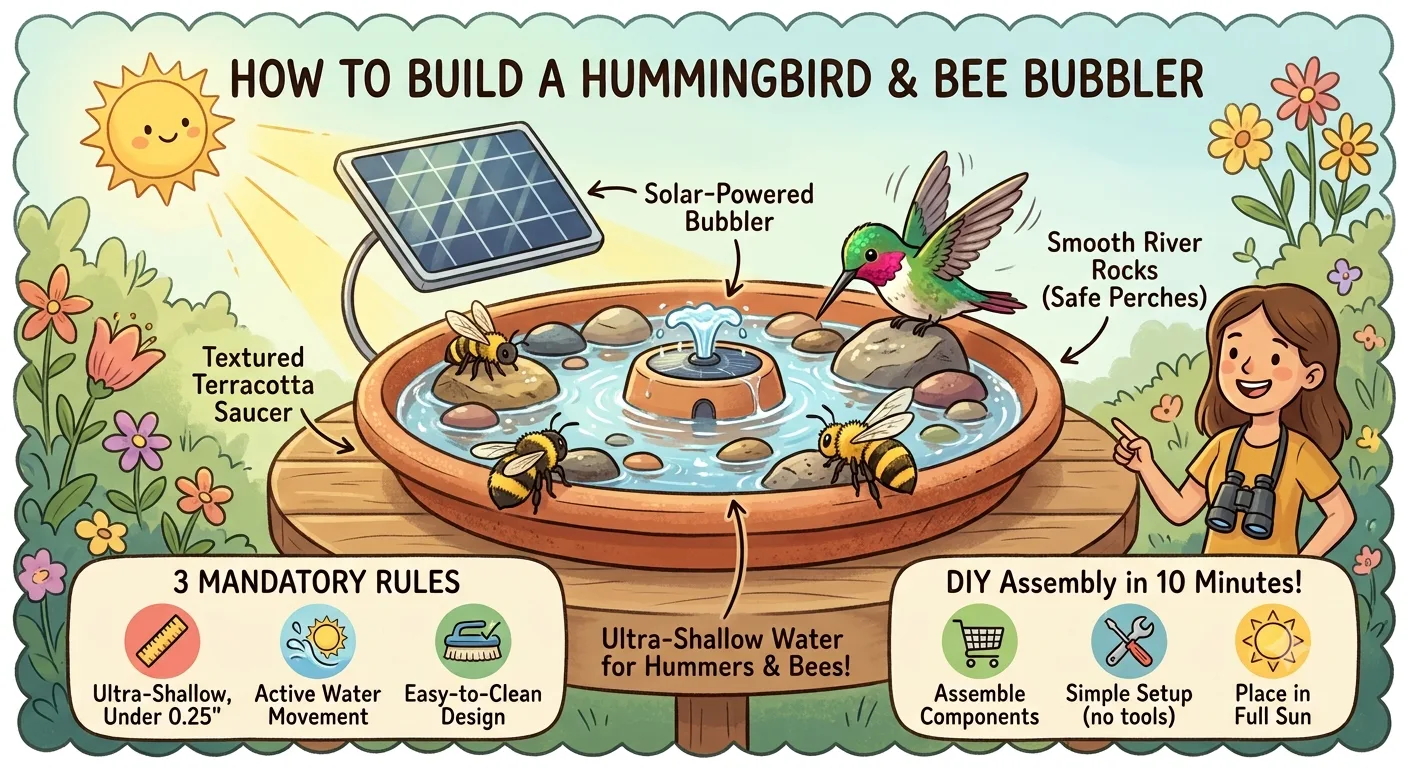
The DIY Solution: How to Build a Hummingbird Bubbler in 10 Minutes
Because commercial manufacturers rarely get the balance of shallow depth, flow rate, and cleanability right, the absolute best hummingbird baths are often home-assembled using readily available parts.
What You Need
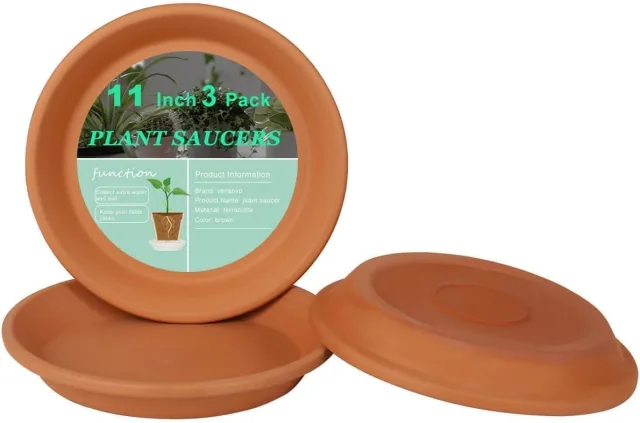
A Wide, Wide Terracotta or Ceramic Saucer
A 10-inch minimum plant saucer gives you a smooth, wide surface that’s easy to scrub.
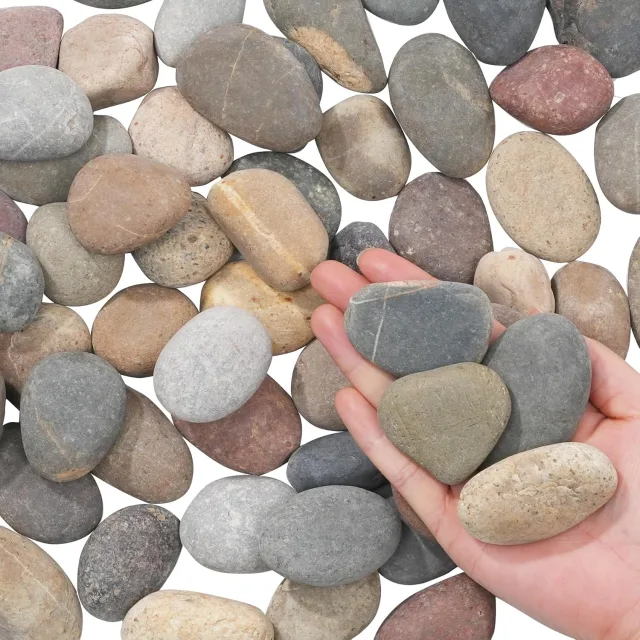
Natural rocks give hummingbirds and bees safe footholds so they can land and cling without slipping.
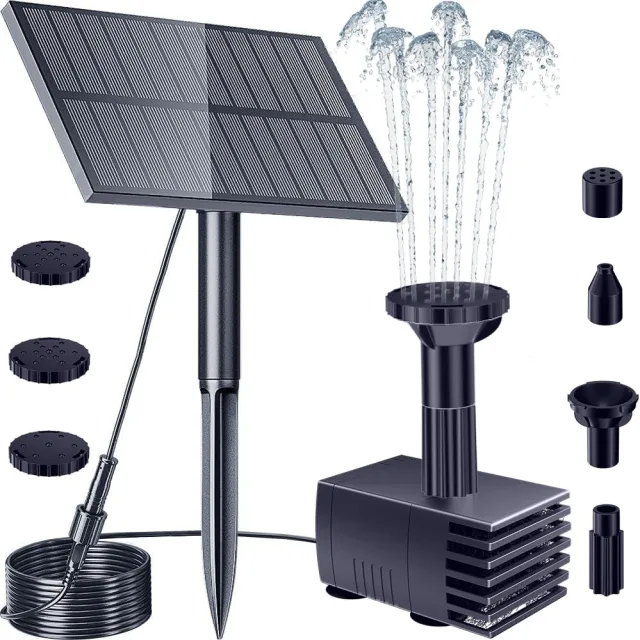
Choose a small solar-powered pump that bubbles up from the center rather than spraying water high into the air (high spray leads to rapid water evaporation).
Assembly Steps:
Place the Pump: Set the solar bubbler in the center of the saucer.
Build Up the Perches: Surround the pump with smooth river stones. Stack them so that the tops of the highest rocks sit just above or level with the water line.
Fill with Water: Fill the saucer so the water level sits at roughly 0.1 to 0.25 inches deep over the tops of the lower rocks.
Position in Full Sun: Place the setup in a sunny spot near garden foliage or a perch branch. The pump will bubble water over the rocks, allowing hummingbirds to land on the exposed stone edges and flutter against the cascading water.
Pro Tip for Maintenance
Avoid using soap or chemical cleaners on birdbaths. Because a shallow ceramic dish has no hidden reservoirs or inverted tubes, a quick scrub with a stiff brush and a 9:1 water-to-white-vinegar solution once or twice a week is all it takes to keep algae away and your local hummingbirds healthy.
Good luck!
