

Bird watching is a rewarding hobby, but it often tests a birder's patience and observational skills. While some species are unmistakable, the American landscape is home to several pairs and groups of birds that are frustratingly similar, forcing birders to look beyond color and focus on subtle structural details, calls, and behavior. Getting these identifications right is a hallmark of an advanced birder.
This article focuses on five groups of easily confused birds found across the United States, offering concrete tips to help you confidently distinguish between these avian doppelgängers.
1. The Red-Tailed Hawks: The Immense Variation Riddle

The Red-tailed Hawk (Buteo jamaicensis) is the most common raptor in North America, but its identification is one of the most frequent challenges for new birders. The problem lies not in confusion with other species, but with the immense variation within the Red-tail itself, which has numerous regional subspecies and dark/light morphs.
| The Challenge | The Confusing Look-Alike |
|---|---|
| Light-Morph Adult | Other Buteo hawks (like the Red-shouldered Hawk) |
| Dark-Morph Adult | Harlan's Hawk or various Rough-legged Hawks |
| Immature Red-tail | Any other juvenile Buteo hawk |
Tips for Correct Identification
- The Belly Band is Key: The most reliable field mark for a Red-tailed Hawk (in light morphs) is the dark band of streaks across its lower belly . Even if the bird is high overhead, this "belt" pattern is often visible against the white underside and is virtually absent in most other common Buteo species.
- The Wing Edge: Look for the dark patagial marks (dark comma-shaped spots) on the leading edge of the underwing, close to the body. This is a crucial feature for identifying all Red-tailed Hawks in flight.
- Tail Color: The namesake red tail is only visible in adults (two years old and older). Juvenile Red-tails have a thinner, grayish-brown, finely banded tail, which is the exact feature that leads to confusion with other juvenile hawks.

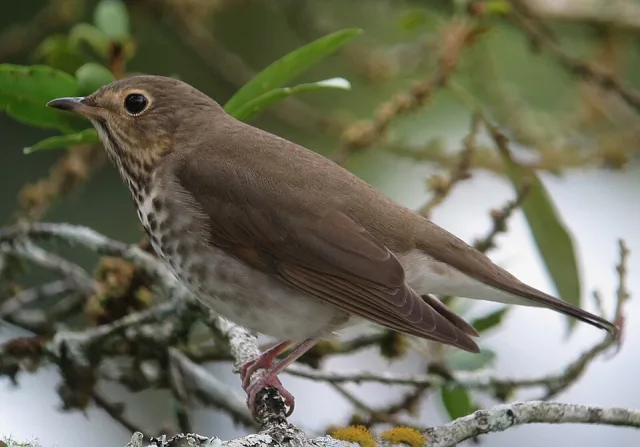
2. The Thrushes: Hermit vs. Swainson's
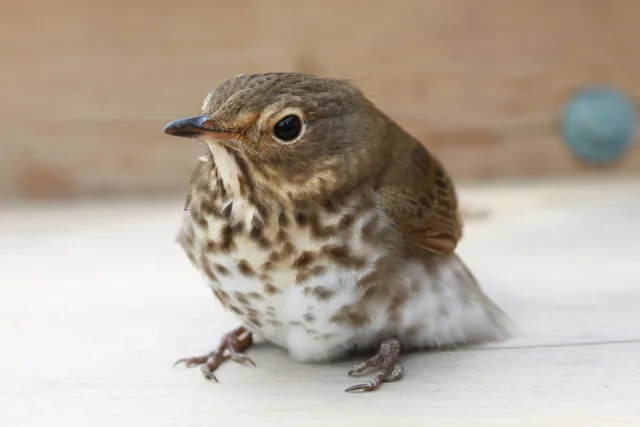
The Hermit Thrush (Catharus guttatus) and Swainson's Thrush (Catharus ustulatus) are two of the four primary spotted thrushes in the U.S., infamous for their plain brown plumage and often secretive habits. Both are medium-sized songbirds that share similar forest habitats, but differ crucially in migration timing and range.
| The Challenge | The Subtle Difference |
|---|---|
| Plumage | Both have brown backs and spotted chests. |
| Size/Shape | Extremely similar small-thrush structure. |
Tips for Correct Identification
- Eye and Face: This is the best visual clue.
- Hermit Thrush: Has a distinct, conspicuous white eye-ring that is completely broken (or separated) at the rear, and an overall warm, reddish-brown tail that contrasts with its olive-brown back.
- Swainson's Thrush: Has a full, buffy, but indistinct eye-ring that looks like "spectacles" wrapping around its eye. Its breast spots are usually concentrated on a buff-colored throat and the back and tail are a uniform olive-brown (no contrast).
- Behavior: The Hermit Thrush is famous for constantly flicking its tail upward and slowly bringing it down, a behavior rarely displayed by the Swainson's Thrush.
- Voice: The Swainson's Thrush song is ascending, spiraling, and flute-like, often described as a coil of sound. The Hermit Thrush song is more measured, often starting with a clear, sustained note before breaking into a series of phrases.
3. Empidonax Flycatchers: The "Empie" Crisis
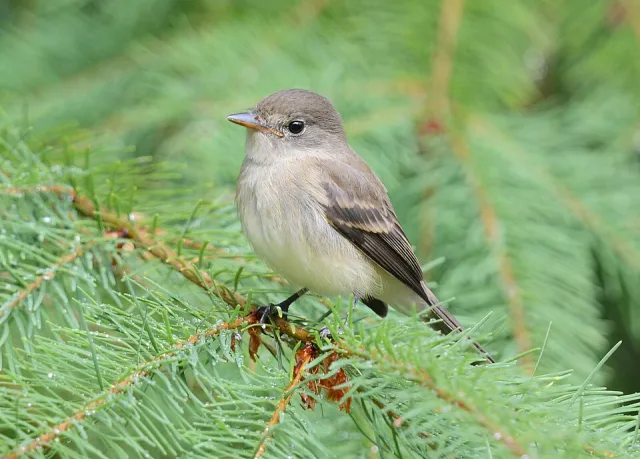
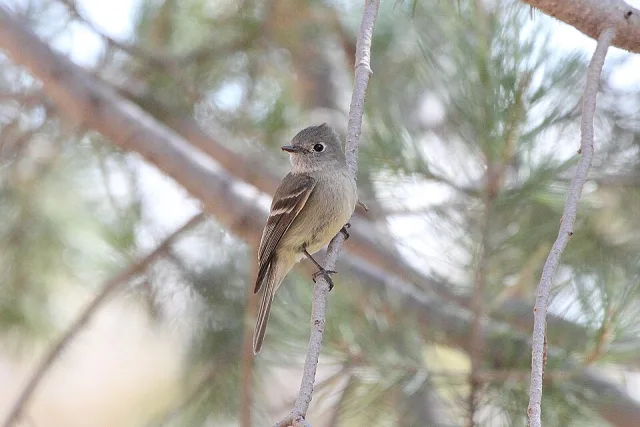
The Empidonax flycatchers (often shortened to "Empies") are perhaps the most notorious identification challenge in North American birding. This genus includes species like the Willow, Alder, Least, and Hammond's Flycatchers. They are all small, olive-green/gray birds with similar white wing bars and eye-rings. Even expert birders often avoid a visual-only identification, I know I certainly do!

| The Challenge | The Necessary Expertise |
|---|---|
| Visual Appearance | Virtually identical without extremely clear views. |
| Habitat | Overlapping breeding and migration habitats. |
Tips for Correct Identification (Sound is King!)
- Call and Song: Always rely on voice first. Willow and Alder Flycatchers, for instance, are virtually indistinguishable visually but have vastly different songs. The Alder sings wee-BE-o, while the Willow sings FITZ-bew.
- Primary Projection: If you must use sight, look at the primary projection (how far the wing tips extend past the tertiary feathers when perched).
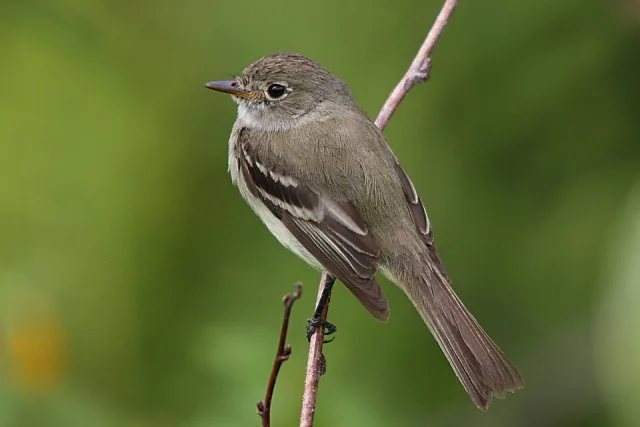
- Long primary projection (wings extending far down the tail) suggests longer-distance migrants like Hammond's or Dusky Flycatchers.
- Short primary projection (wings just meeting the tail) suggests shorter-distance migrants like Least or Willow Flycatchers.
- Bill Size: The Least Flycatcher is the only one with a noticeably small bill for its group, and the Willow Flycatcher is at the other extreme with a noticeably broad, long bill.
4. The White-Headed Gulls: Herring vs. Thayer's/Iceland
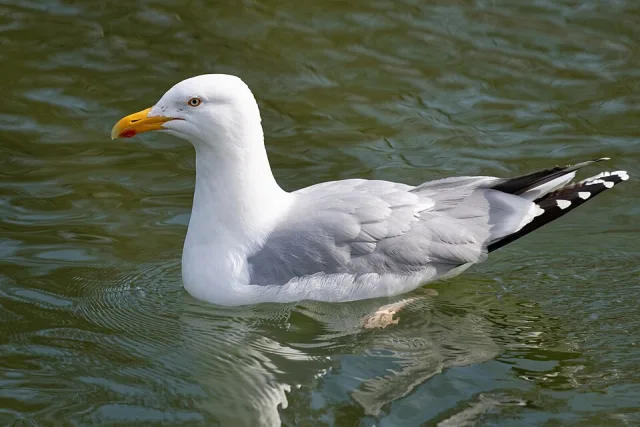
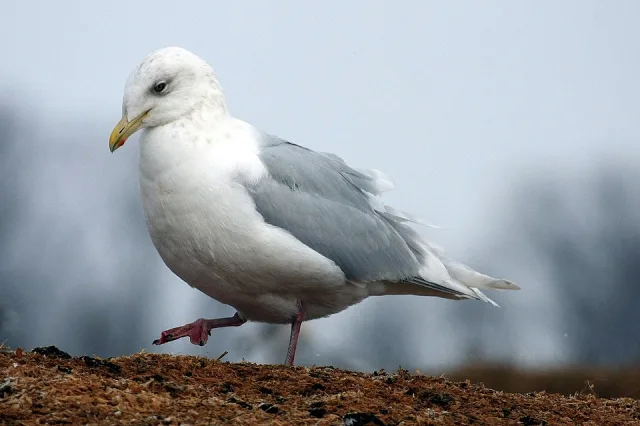
Gulls are complex, requiring birders to master four different plumages (juvenile, first-winter, second-winter, and adult). Within the large, white-headed group, two species cause enormous confusion, particularly in the winter when the Iceland Gull (Larus glaucoides) and its close relative, Thayer's Gull (often now lumped with Iceland), arrive from the Arctic, looking deceptively like a smaller, paler Herring Gull (Larus smithsonianus).
| The Challenge | The Subtle Differences in the Arctic Visitors |
|---|---|
| Herring Gull (Adult) | Iceland/Thayer's Gull (Adult) |
| Herring Gull (Juvenile) | Iceland/Thayer's Gull (Juvenile) |
Tips for Correct Identification
- The Wingtip Pattern (Adults): This is the definitive mark for adult gulls.
- Herring Gull: Has a prominent, black wingtip pattern.
- Iceland/Thayer's Gull: Has pale-gray or whitish wingtips, often making the wings appear uniformly pale when soaring. Iceland Gulls are often called "white-winged gulls" for this reason.
- Structure and Size: Iceland Gulls are noticeably smaller and rounder-headed than the massive Herring Gull, often described as having a "pigeon head" or a gentle facial expression. The Iceland Gull also has a shorter, finer bill.
- Juvenile Plumage: Juvenile Iceland Gulls are often paler and less solidly chocolate-brown than juvenile Herring Gulls, appearing "patchy" or "streaked" brown. Crucially, the Iceland Gull juvenile's outer primary feathers are often paler or white-tipped compared to the Herring Gull's solidly dark primaries.
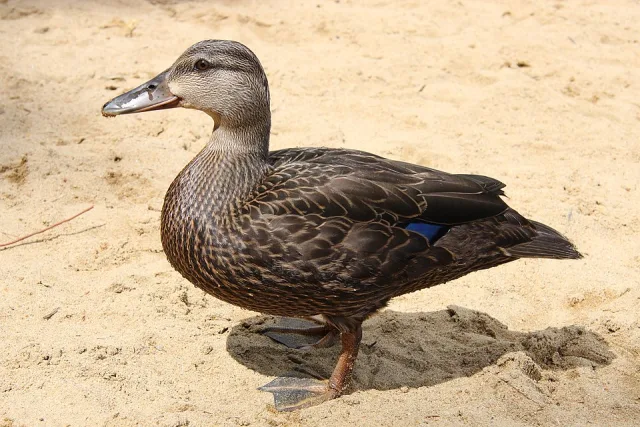
5. The Brown Waterfowl: Mallard Females vs. American Black Duck
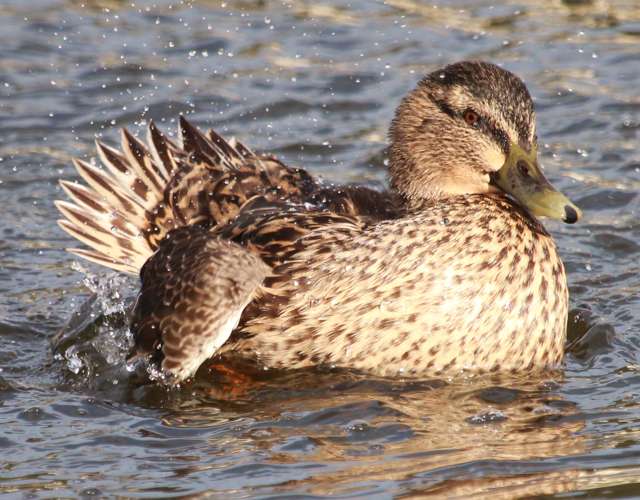
The American Black Duck (Anas rubripes) is a classic case of misidentification with the much more common female Mallard (Anas platyrhynchos). Both are dabbling ducks found in similar wetland and coastal habitats, and the female Mallard is, of course, a brown duck.
| The Challenge | The Subtle Color Differences |
|---|---|
| Female Mallard | American Black Duck (both sexes) |
| Habitat | Often share marshes and ponds. |
Tips for Correct Identification
- Head and Neck Color: This is the most reliable visual difference.
- Female Mallard: Has a distinct pattern of dark brown lines running through the eyes and across the crown, providing contrast against a paler neck and cheek.
- American Black Duck: The entire head, neck, and body are a uniform dark sooty-brown. The contrast is limited to the yellowish bill against the dark head.
- Speculum (Wing Patch): Look at the colored patch on the secondary wing feathers, often visible when the bird flaps its wings.
- Female Mallard: Has a bright, iridescent blue speculum, bordered with white on the front and back.
- American Black Duck: Has an iridescent speculum that is purplish-blue to violet, but the white border is thin or absent entirely, making the patch look darker and less conspicuous.
- Bill Color: The American Black Duck has a plain yellowish-orange bill (even the female), while the female Mallard has a duller, mottled orange and brown bill.
By focusing on these often-overlooked details—a small bill, a particular wing pattern, or a specific behavior—you can begin to unravel the mysteries of North America’s most baffling avian pairs and elevate your birding skills to an expert level.
