
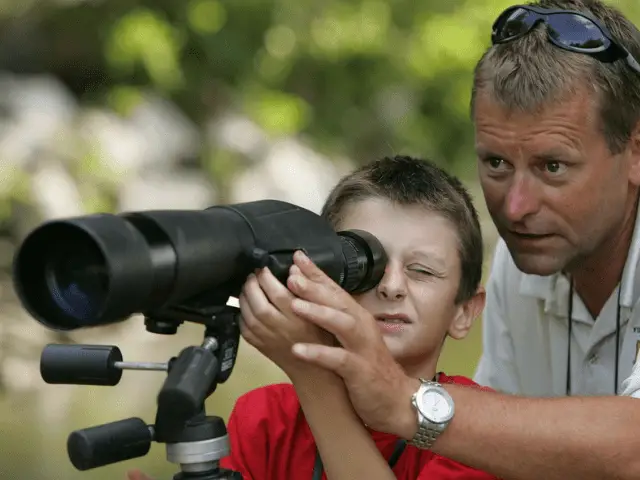
Every birder who has spent a warm morning navigating the river bottoms of South Carolina, the cypress swamps of Louisiana, or the piney woods of East Texas knows the heartbreak. You spot a rare Swainson’s Warbler flitting through dense rivercane, or pick out a Swallow-tailed Kite perched atop a distant bald cypress. You slide your tripod into position, lean into your spotting scope, and look through a milky, impenetrable wall of condensation. Your optic has fogged, and by the time you clear it off, the bird has vanished into the canopy.
Scope fogging is one of the most persistent technical challenges for North American birdwatchers working in high-dew-point environments. Understanding why your gear fogs—and adopting a disciplined field workflow—can mean the difference between adding a target species to your life list and staring at a blurred glass element.

The Physics of Optics Fogging
To prevent scope fogging, you must first understand what causes it. Fog occurs when glass cooled below the dew point of the surrounding air comes into contact with moisture-laden atmosphere. Water vapor rapidly condenses into microscopic water droplets across the glass surface.
In optics, there are two distinct types of fogging:
External Fogging: Moisture accumulating on the outside surfaces of the objective lens or eyepiece. This is manageable in the field with proper technique and environmental management.
Internal Fogging: Moisture trapped inside the scope barrel itself, condensing on internal glass elements. This indicates that the optic's internal waterproof O-ring seal has compromised and its dry nitrogen or argon gas purging has escaped. Internal fogging cannot be wiped away in the field and requires professional factory servicing.
Pre-Field Preparation: Thermal Equilibrium
The vast majority of external fogging occurs when optics are moved directly from an air-conditioned environment into hot, saturated outdoor air. If your scope spends the night in a 68°F hotel room or vehicle interior, its metal housing and dense glass elements become thoroughly chilled. When brought out into an 85°F Southern morning with 90% relative humidity, condensation blankets every cold exposed surface within seconds.
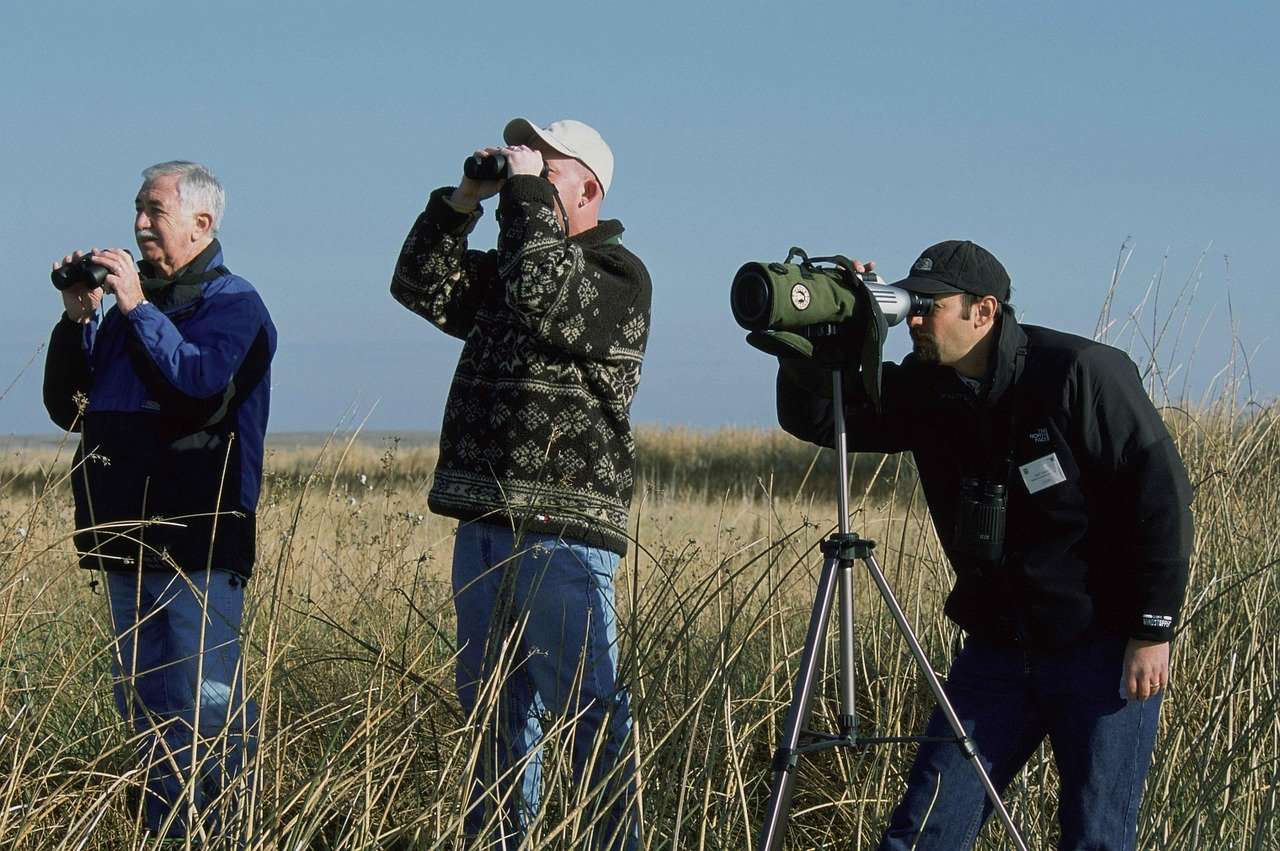
The Golden Rule of Thermal Equilibrium
Never bring a cold scope straight into warm, humid air. Allow your optics to warm up gradually to ambient outdoor temperatures 20–30 minutes before you start birding.
Key Pre-Trip Habits:
Acclimate in the Vehicle: Keep your scope secured in its protective case in the trunk or rear cargo area with the air conditioning set low or turned off during the drive to the trail head.
The Sealed Bag Method: If moving optics from a cold indoor room to a humid outdoors, seal the scope inside a large, airtight plastic bag while still indoors. Moisture will condense safely on the exterior of the plastic bag while the scope warms up dry inside.
Equip a Neoprene Stay-On Case: A fitted neoprene body cover acts as thermal insulation, smoothing out rapid temperature fluctuations and slowing moisture transfer.
Field Tactics & Moisture Control
Even after your scope reaches thermal equilibrium with the surrounding air, habits in the field can reintroduce moisture onto your lenses:
1. Watch Your Eyepiece Breath
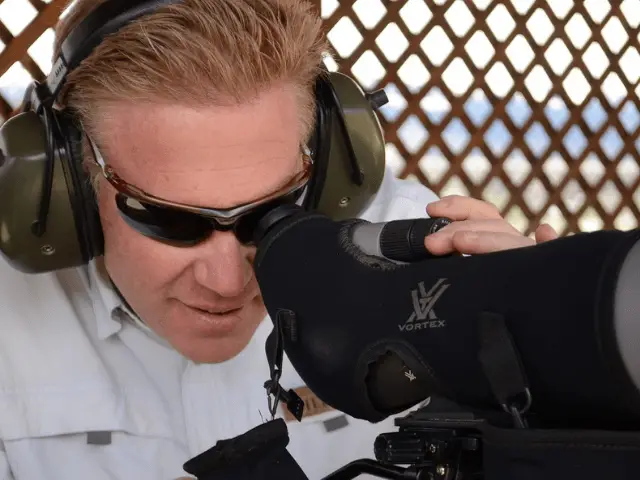
On humid mornings, your body heat and exhaled breath carry saturated water vapor. Exhaling directly toward the eyepiece while leaning in will instantly coat the ocular lens in fog. Train yourself to hold your breath while looking through the eyepiece or turn your head slightly sideways to vent exhaled air away from the glass.
Compact Spotting Scopes for Bird Watchers on the Move Review in 2026
2. Maximize Lens Hood Deployment
Always fully extend your scope’s integrated objective lens hood (sunshade). Beyond cutting down stray light glare, the extended hood creates a pocket of trapped air that shields the front glass element from swirling humidity, drifting fog, and falling condensation from the forest canopy.
3. Keep Rainguards Attached
Leave your eyepiece rainguard and objective lens covers capped until the exact moment you are ready to observe, and re-cap them as soon as you step away from the tripod.

Safe Cleaning & Post-Trip Moisture Care
When external fogging inevitably occurs, proper cleaning is critical to prevent damaging delicate anti-reflective lens coatings.
Never Wipe Fogged Glass Directly: Rubbing fogged glass with a t-shirt, shirt sleeve, or paper towel can drag micro-grit across the glass, causing micro-abrasions.
Blow, Then Blot: Use a hand-bulb air blower to dislodge any grit or dust first. Then, lightly blot—never wipe—the lens using a clean microfiber cloth.
Keep Spare Cloths in Sealed Bags: In high-humidity forests, a microfiber cloth left in your pocket will absorb ambient humidity and become damp within an hour. Keep 2–3 fresh microfiber cloths individually sealed in small Ziploc bags.
Desiccant Storage: After a day in humid woods, store your scope in a closed gear bag or hard case along with several silica gel desiccant packs to draw out lingering moisture before long-term storage.
By practicing proactive thermal management and disciplined optics care, you can keep your glass clear and capture sharp views through the dampest Southern woods.
