

The Dodo, a name now synonymous with extinction and obsolescence, was once a living, breathing creature that roamed the island of Mauritius. More than just a punchline or a historical footnote, the Dodo was a fascinating bird, a product of millions of years of isolated evolution.
Its story is a cautionary tale, a stark reminder of humanity's impact on the natural world, and a subject of enduring scientific and cultural interest. To truly understand the Dodo, we must delve into its biological and ecological context, its fateful encounter with human explorers, and the cascade of events that led to its tragic demise.
The Dodo's Biological and Ecological Context
The Dodo, scientifically known as Raphus cucullatus, was a large, flightless bird belonging to the pigeon and dove family, Columbidae. Its closest living relative is the Nicobar Pigeon. The Dodo's ancestors were likely pigeons that flew to the island of Mauritius, located in the Indian Ocean, millions of years ago.
The island was a pristine paradise, a land without mammalian predators. In this predator-free environment, the Dodo lost its ability to fly. Over generations, its wings shrank, its breastbone—the keel that anchors flight muscles—reduced in size, and its body grew larger and heavier. This process, known as insular gigantism, is a common evolutionary trajectory for animals on isolated islands.

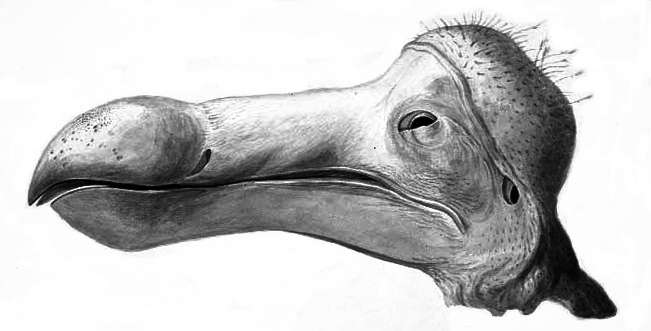
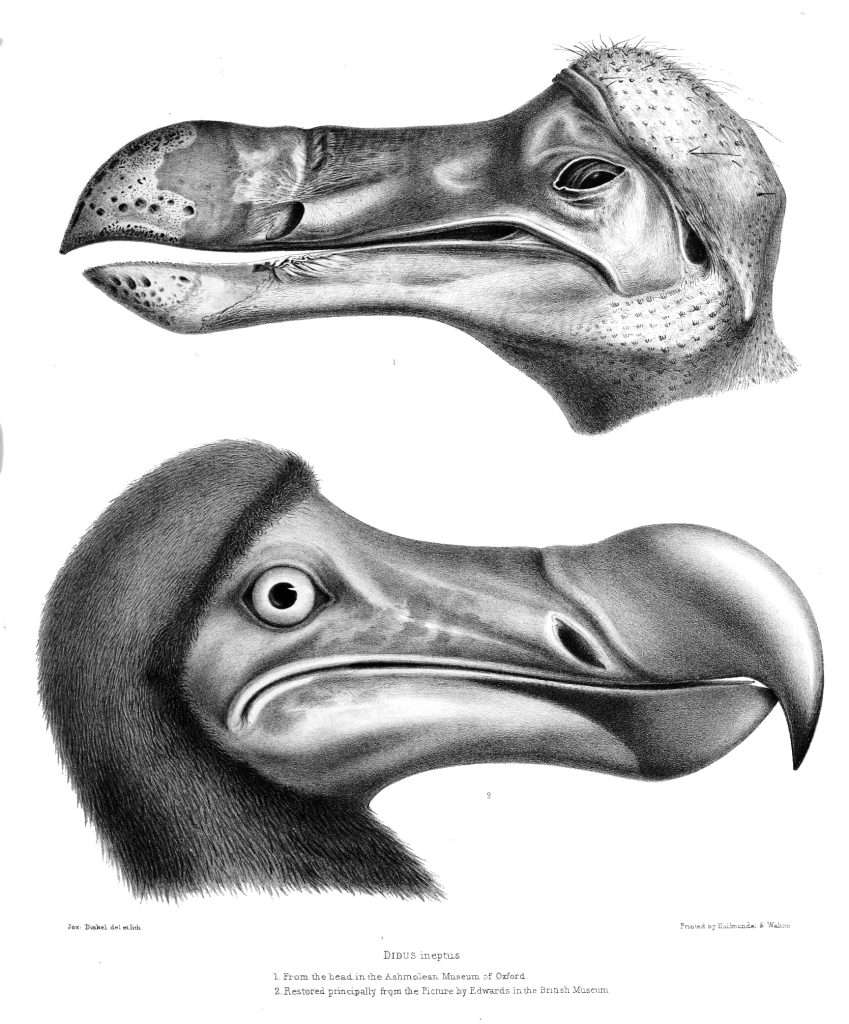
An adult Dodo would have stood about three feet tall and weighed somewhere between 20 to 50 pounds. It had a plump body, a greyish-blue plumage, a large head, and a distinctive, hooked beak. Its legs were short and stout, and its feet were powerful, allowing it to move across the forest floor. The Dodo’s diet consisted primarily of fruits that had fallen from trees, nuts, seeds, and possibly small invertebrates. It is believed that the Dodo played a crucial role in its ecosystem.
One fascinating hypothesis, known as the "Dodo Tree" or "Tambalacoque Tree" hypothesis, suggests that the seeds of the Sideroxylon grandiflorum tree could only germinate after passing through the Dodo's digestive tract. While this hypothesis has been debated, it highlights the intricate and often overlooked connections between species within an ecosystem. The Dodo was an integral part of the Mauritian forest, a unique and irreplaceable component of its ecological balance.
The Fateful Arrival of Humans
The story of the Dodo's extinction begins in the late 16th century with the arrival of Dutch sailors on Mauritius. The island was first visited by Portuguese sailors in the early 1500s, but they did not establish a permanent settlement. The Dutch, however, began to colonize the island in 1598. These sailors were the first humans to encounter the Dodo. The Dodos, having evolved in an environment free of predators, had no fear of humans. They were unafraid, even curious, creatures.
This lack of fear was a fatal flaw. The sailors easily captured and killed the birds, which they found to be a convenient source of fresh meat. The Dodo was given the derogatory name "Dodo," which is believed to be derived from the Dutch word Dodoor, meaning "sluggard," or the Portuguese word doudo, meaning "foolish." The Dodo's name itself became a testament to its perceived stupidity and helplessness in the face of human aggression.

While the hunting of Dodos for food was a significant factor, it was not the sole cause of their extinction. The human settlers brought with them a host of other animals, including dogs, pigs, macaques, and most devastatingly, rats. These introduced species, or invasive species, had a far more profound and lasting impact on the Dodo's population.
The Cascade of Extinction
The introduced animals wreaked havoc on the Mauritian ecosystem. The Dodo, being a ground-nesting bird, was particularly vulnerable. Pigs and macaques, which were omnivorous, would eat the Dodo's eggs and chicks. Rats, which arrived on the ships, also preyed on the Dodos' nests. The Dodo, having no natural defenses against these new predators, was unable to protect its young. Its slow reproductive rate and long incubation period made it even more susceptible to this new threat. A single Dodo egg lost to a predator represented a significant blow to the population.
Furthermore, the human settlers began to clear the island's forests to establish settlements and farms. The deforestation destroyed the Dodo's habitat and eliminated its food sources. The very trees that the Dodo relied on for sustenance and shelter were being cut down, further sealing its fate. The combination of hunting, predation by invasive species, and habitat destruction created a perfect storm of environmental pressures that the Dodo could not withstand.
The Final Years
The last universally accepted sighting of a Dodo was in 1662. However, the last recorded sighting of a living bird, often cited from the diary of a shipwrecked sailor, is sometimes debated. It is believed that the last Dodo died sometime in the late 17th century, a mere 80 years after humans first arrived on the island. The Dodo's extinction was a relatively swift and brutal affair. The scientific community at the time was not as well-equipped to understand the concept of extinction as we are today. The idea that a species could be wiped off the face of the Earth was a relatively novel and shocking one. For a long time, the Dodo was considered a mythical creature, a figment of a sailor's imagination. It was only in the 19th century, with the discovery of Dodo bones and the publication of detailed accounts from the 17th century, that the Dodo's existence was confirmed, and its tragic story began to be pieced together.
Wrapping Up
The Dodo's legacy extends far beyond its bones and the few preserved specimens in museums. It has become a powerful symbol of human-induced extinction. The phrase "as dead as a Dodo" is a common idiom, and the bird itself has been immortalized in literature, most famously in Lewis Carroll's "Alice's Adventures in Wonderland." The Dodo's story serves as a constant reminder of our responsibility as stewards of the planet. It highlights the delicate balance of ecosystems and the profound and often irreversible consequences of our actions. The Dodo's extinction was not an inevitable outcome of nature but a direct result of human intervention. It is a lesson that we continue to learn from, as we grapple with the ongoing biodiversity crisis and the extinction of countless other species around the world. The Dodo may be gone, but its story lives on, a silent testament to the fragility of life and the power of human impact.
Check out our post about hummingbirds.
Spatuletail, Puffleg and Sylphs - Welcome to the Strange World of Hummingbirds
