
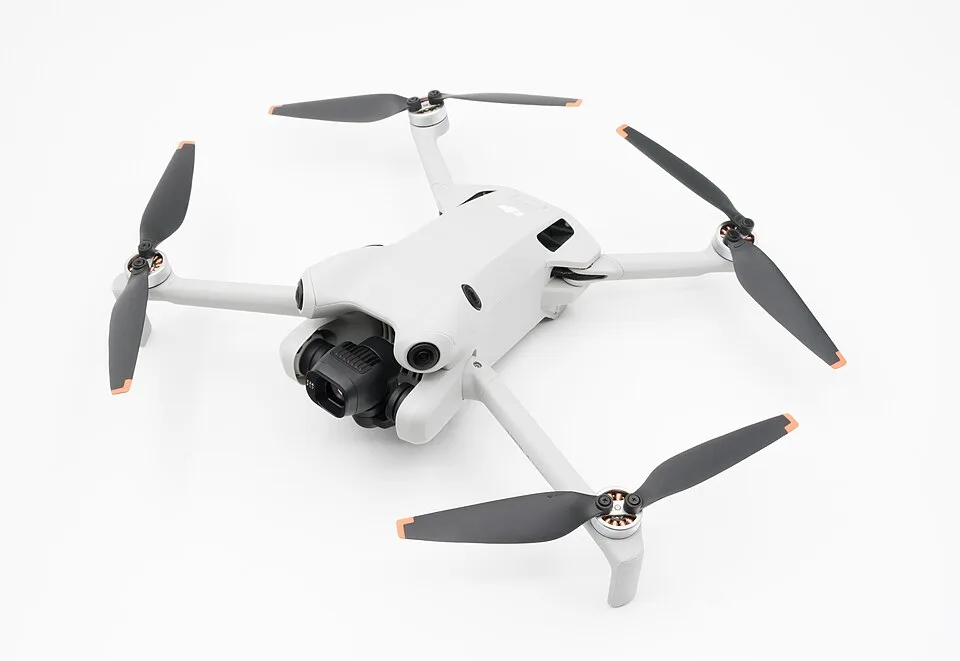
The digital age has gifted bird photographers with tools of incredible power and reach: high-resolution cameras, massive telephoto lenses, and even remote-controlled drones. These technologies allow for breathtaking images, capturing avian behavior with a clarity and intimacy previously unimaginable. Yet, this power comes with a weighty ethical obligation.
When using advanced gear like drones and artificial light, the risk of disturbing or even harming wildlife increases exponentially. The goal of every bird photographer must be to ensure that the image, no matter how spectacular, is never achieved at the expense of the subject’s well-being.
The Overhead Intruder: Drones and the Law of Disturbance
Drones (or Unmanned Aircraft Systems, UAS) offer a revolutionary perspective, allowing photographers to capture birds in flight or in their nesting colonies from above. However, the use of drones in bird photography is heavily restricted and widely discouraged by conservation organizations like the National Audubon Society.
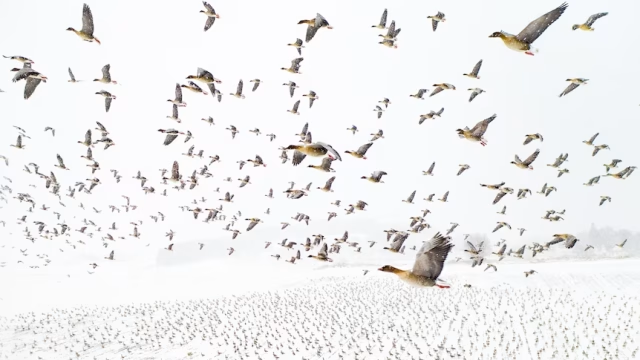
Why Drones Are (Almost Always) Unethical
Perceived Predator Threat: Birds, especially raptors, owls, and colonial nesters, perceive drones as a threat. An object whirring overhead is often interpreted as a large predator, such as an eagle or hawk. This can cause birds to flush, abandon nests, or expend unnecessary energy defending their territory. For sensitive species or those in dense colonies, the resulting panic can lead to nest failure or chicks being trampled.
Noise and Frequency: Though modern drones are quieter, the high-pitched sound they emit is disruptive. This auditory stress can interfere with a bird’s natural behaviors, including vocal communication and hunting patterns.
Legal Restrictions: Operating drones in the US is already legally complex. They are illegal in all National Parks and many state parks and wildlife refuges. Any use that harasses or disturbs wildlife can also violate federal laws protecting migratory birds. Unless you possess specific research permits, the consensus is clear: Drones and bird photography simply do not mix.
The Ethical Mandate: If a drone causes a single bird to change its direction or behavior, the flight is unethical and must be immediately terminated. The risk of widespread disturbance far outweighs the desire for a unique photo.
The Sudden Blindness: Flash Photography and Nocturnal Birds
The temptation to use flash is strongest in low-light conditions—especially when photographing elusive nocturnal species like owls, nighthawks, and nightjars. However, using flash, particularly a direct, powerful burst, presents a unique set of ethical risks.
Owls and the Risk of "Flash Blindness"
Nocturnal birds have eyes exquisitely adapted for gathering the faintest light, meaning their photoreceptors are extremely sensitive.
Temporary Impairment: A sudden, bright flash can temporarily saturate their photoreceptors, causing a brief period of "flash blindness" or a disorienting afterimage. Experts suggest this temporary visual impairment can last anywhere from a few seconds to several minutes.

Boreal Owl Hunting and Collision Risk: For an owl attempting to hunt or navigate through a dense forest at night, even a few seconds of impaired vision can be fatal. It increases the risk of the bird colliding with an obstacle or missing a critical opportunity to capture prey, impacting its survival.
Behavioral Shock: While some studies suggest a single flash may not cause permanent physiological damage, the startle response and resulting change in behavior are undeniable.

Responsible Use of Light (If at All)
The ethical guideline is to avoid using flash on nocturnal birds at night entirely. If you absolutely must use supplemental light, follow these strict rules:
Use Fill Flash Only: During the day, a very low-powered flash (known as "fill flash") can be used sparingly to soften harsh shadows, but it must be subtle enough not to startle the bird.
Diffuse and Angle: If shooting at dusk or with non-nocturnal species, use a diffuser (like a softbox) and angle the flash away from the bird's direct line of sight.
Infrared Alternatives: Consider using infrared light sources with remotely triggered cameras or night-vision scopes, which do not disrupt the dark adaptation of nocturnal eyes.
The Common Digital Age Faux Pas: Playback and Geo-Tagging
Beyond the hardware itself, digital tools have exacerbated two behavioral pitfalls that every ethical photographer must address.
The Problem with Audio Playback
Many photographers use pre-recorded bird calls (playback) to lure territorial birds closer. This is unethical because it forces the bird to expend time and energy responding to an imagined intruder. During the breeding season, this can draw a bird away from vital duties like feeding nestlings or protecting its mate, seriously jeopardizing nesting success. The ABA strongly discourages the use of playback for photography or recreational birding.

The Danger of Geo-Tagging
The ease of sharing images on social media comes with the danger of geo-tagging—attaching the precise GPS coordinates to the photo. When a rare or sensitive species (especially a rare owl, nesting raptor, or vagrant) is discovered, geo-tagging its precise location can trigger a massive influx of photographers, birders, and even unscrupulous collectors. This cumulative human presence often leads to the site being permanently disturbed or the bird being harassed into leaving.
The Ethical Solution: Always strip the location metadata from images of sensitive species. Instead of pinning the exact spot, tag a general area (e.g., "Rocky Mountain National Park"). The welfare of the bird must always supersede the photographer's desire for credit or likes.
By prioritizing the subject’s well-being over technological ambition, the bird photography community can ensure that their stunning images continue to inspire conservation, rather than inadvertently hasten the demise of the very wildlife they seek to celebrate.
