

The Gulf of Mexico, a vast expanse of open water, represents one of the most perilous and awe-inspiring journeys in the natural world. Each spring and fall, millions of birds undertake an incredible non-stop flight across this formidable body of water, a journey that pushes them to the very limits of their endurance.
This great migration is not a random act but a finely tuned survival strategy, a testament to the power of instinct and the relentless drive to find food, shelter, and a place to breed. For birds migrating from Central and South America to the United States and Canada, the Gulf is a critical geographic barrier that must be crossed, shaping the evolution of countless species and providing a spectacular, if often unseen, natural event.
The Logistics of a Marathon Flight
The migration across the Gulf of Mexico is an extraordinary feat of endurance. The birds, many of which are small songbirds, face a non-stop flight of 18 to 24 hours over 600 miles of open water. There are no places to rest, refuel, or find fresh water. To prepare for this arduous journey, the birds spend weeks, and sometimes months, feasting on insects and fruits in their wintering grounds in Central and South America.

This gorging period, known as hyperphagia, allows them to build up the necessary fat reserves to power their long-distance flight. For many species, this fat constitutes 30% to 50% of their body weight, serving as the sole source of energy for the entire trip.
The journey is also fraught with peril. Bad weather, particularly strong headwinds, storms, or hurricanes, can be disastrous. The birds navigate using a combination of the sun, stars, and the Earth's magnetic field. They often fly at night to avoid predators and take advantage of cooler, more stable air, which conserves energy.
Arriving on the northern coast of the Gulf, exhausted and depleted, they seek out the first available land to rest and refuel. This is why coastal regions in states like Texas, Louisiana, Mississippi, Alabama, and Florida are so crucial for these migrants.
Which Birds Cross the Gulf of Mexico?
A diverse and stunning array of species makes the Gulf crossing, with many of the most celebrated and beloved songbirds among them. The majority are small to medium-sized passerines, but larger birds of prey and shorebirds also make the journey.
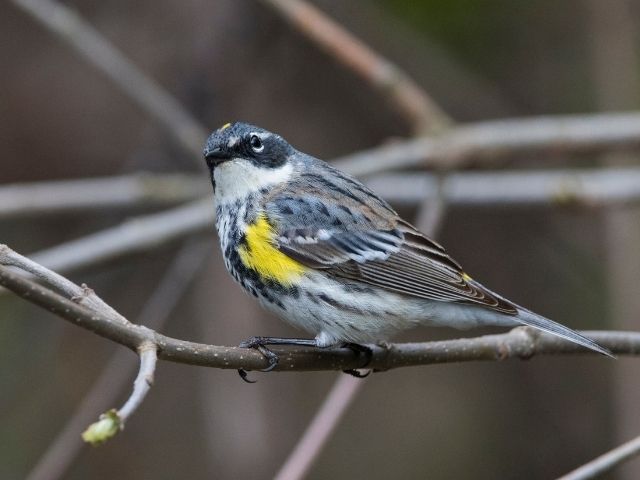
- Warblers: This family of birds is perhaps the most famous group of trans-Gulf migrants. Species like the Yellow-rumped Warbler, Black-and-white Warbler, American Redstart, and the stunning Painted Bunting all undertake this journey. Their vibrant plumage and energetic foraging habits make them a joy for birdwatchers to see upon their arrival. The Yellow-rumped Warbler, in particular, is a common and widespread migrant that can be seen in large numbers.
- Thrushes: The secretive and melodious Wood Thrush and the widespread Swainson's Thrush are two species that rely on the Gulf crossing. Their arrival is often a signal of spring in the eastern and central United States.

- Vireos and Orioles: The Red-eyed Vireo and the vibrant Baltimore Oriole are also among the millions of birds that make the crossing. The Baltimore Oriole, a symbol of its namesake city in Maryland, is known for its striking orange and black plumage.
- Flycatchers: From the small and inconspicuous to the more noticeable, flycatchers like the Eastern Wood-Pewee and the Great Crested Flycatcher are also dedicated trans-Gulf migrants. Their ability to catch insects on the wing is essential for them to replenish their energy stores once they land.
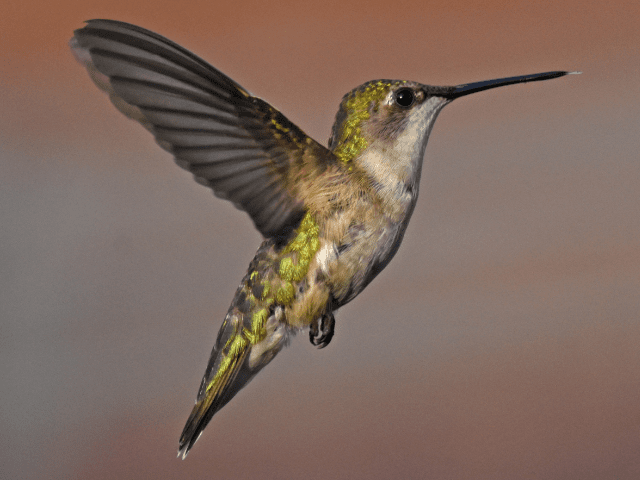
- Hummingbirds: The tiny but mighty Ruby-throated Hummingbird embarks on one of the most incredible journeys. Weighing only a few grams, these birds store fat and fly non-stop across the Gulf. Their arrival in the spring is eagerly awaited by people who set out sugar-water feeders to help them refuel.
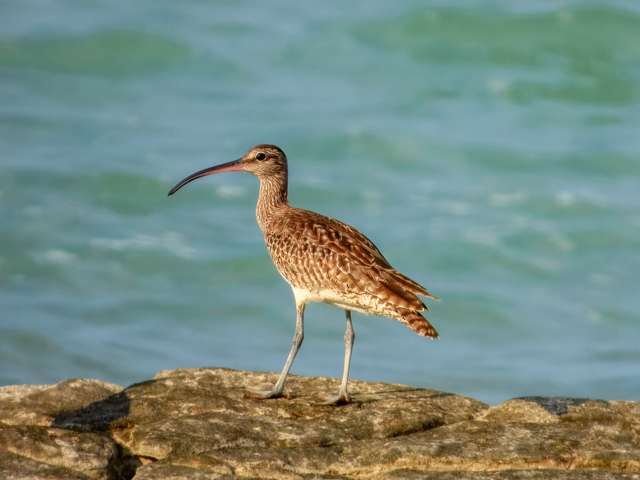
- Shorebirds and Waders: While many shorebirds migrate along the coast, some, like the Pectoral Sandpiper and the Whimbrel, make significant over-water flights. These birds have different energy requirements and flying styles but are no less dependent on a successful crossing.
Why Do They Cross the Gulf of Mexico?
The reason for the migration itself is simple: survival. But the choice to cross the Gulf of Mexico, rather than take a less direct, coastal route, is a more complex evolutionary story rooted in efficiency and competition.
The Power of a Direct Route
For many species, a direct flight across the Gulf is the most energetically efficient and fastest way to reach their northern breeding grounds. Following the coastline would add hundreds, if not thousands, of miles to their journey. For small birds, every calorie and every hour counts. By taking the direct route, they can arrive earlier, secure the best breeding territories, and have more time to raise their young. This gives them a significant competitive advantage over birds that take a longer, slower route.

Historical and Ecological Context
Over millions of years, the migratory pathways of these birds have evolved in response to changing climates and geographic features. The Gulf of Mexico, as it exists today, is a relatively recent geological feature in the grand scheme of avian evolution. The birds' ancestors likely took a variety of routes, but natural selection favored those that were able to successfully make the direct, trans-Gulf crossing. These individuals were more likely to survive and pass on their genes, leading to the establishment of the migratory patterns we see today.
Resource Availability
The timing of the migration is also crucial. The birds arrive in the southern U.S. in the spring, just as insect and plant life is burgeoning. This provides an immediate and abundant food source for them to refuel before continuing their journey north. The direct route allows them to time their arrival with this peak resource availability, maximizing their chances of survival and successful reproduction.
The Importance of Coastal Habitat for Stopover Sites
The success of these trans-Gulf migrants hinges on the availability of suitable habitat on both sides of the journey, but especially on the northern Gulf Coast. These areas are known as "stopover sites" or "migratory traps." When the birds make landfall after their exhausting flight, they are in a state of critical energy deficit. They need immediate access to food and water to recover.
Unfortunately, many of these crucial coastal habitats, such as barrier islands, coastal forests, and marshlands, are under threat from a variety of sources, including coastal development, hurricanes, and oil spills. The destruction of these habitats could have catastrophic consequences for bird populations. Conservation efforts by organizations like the Audubon Society and the U.S. Fish and Wildlife Service are focused on protecting and restoring these critical areas. By preserving these stopover sites, we can help ensure that the incredible journey of these migratory birds continues for generations to come.

Wrapping Up
The great Gulf migration is a profound example of nature's power and resilience. It is a reminder that the health of our ecosystems is interconnected on a global scale. The small songbird that arrives in a Florida park in the spring has just completed a journey that began thousands of miles away, its survival inextricably linked to the forests of Central America and the pristine habitats of the Gulf Coast. Its story is a call to action, a reminder that we are all stewards of this shared planet and that our actions have a lasting impact on the most breathtaking natural wonders.
Read about the dangers birds face on migration.
The Gauntlet in the Sky: Unveiling the Perils of Bird Migration
