

Nestled in the heart of the Sooner State, the Cross Timbers ecoregion represents a remarkable biological frontier. Stretching in a north-south band through central Oklahoma, this unique landscape serves as the geographical and ecological meeting point between the vast Great Plains prairies of the west and the humid Eastern Deciduous Forest. For birders, this transition zone is a treasure trove, offering an unparalleled chance to observe species characteristic of both environments, creating a diversity that is hard to match anywhere else in the nation.
The Ecotonal Landscape
The Cross Timbers are not a uniform forest but a mosaic of dense woodlands, open savannas, and pockets of tallgrass prairie. This structure is defined by the resilience of two primary tree species: Post Oak (Quercus stellata) and Blackjack Oak (Quercus marilandica). These drought-tolerant oaks thrive on the coarse, sandy soils, acting as a crucial barrier to the encroaching prairie, yet they are interspersed with the fine-textured, clayey soils that support robust grasses.
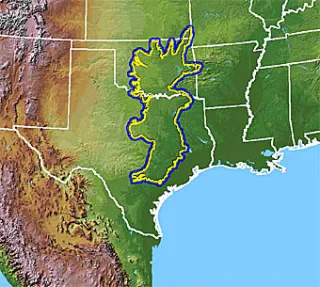
Historically, this landscape was maintained by periodic fire and drought, which prevented the trees from becoming a continuous eastern forest and kept the prairies open. This patchy environment—a blend of stunted, rugged woodland and sunny grassland—is what creates the ecotone, or transition area, that harbors such a rich diversity of bird life.
The low, scrubby nature of the oak woodlands, often described as “brushy thickets,” provides specialized habitat for species that prefer a dense understory. However, modern land management challenges, like fire suppression and the encroachment of Eastern Redcedar, threaten the balance of this unique ecosystem, impacting the specialized bird species that rely on the historical savanna structure.
The Meeting of Avian Worlds
The true magic of Cross Timbers birding lies in the juxtaposition of eastern and western avian specialties.
Eastern Forest Species
The oak woodlands of the Cross Timbers represent the western limit for many birds whose core range is the Eastern United States. These species rely on the shelter and resources of the woody areas, often in a drier, more challenging climate than they typically inhabit. Birders can find:
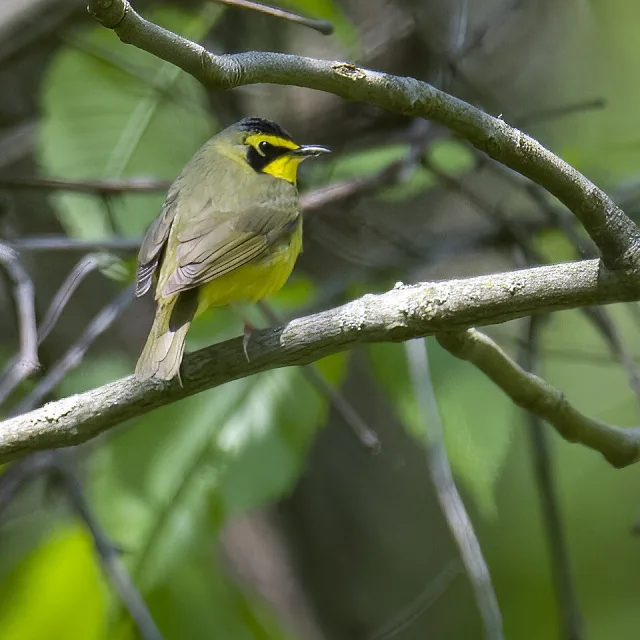
Wood Warblers: Species like the Kentucky Warbler, Prothonotary Warbler, and Yellow-throated Warbler find sufficient nesting and foraging grounds in the deciduous canopy and riparian corridors.
Woodpeckers and Vireos: The presence of mature oak provides habitat for the Red-headed Woodpecker and White-eyed Vireo.
Other Eastern Favorites: The brilliant Summer Tanager and the conspicuous Barred Owl are common sights and sounds in the denser, more mature patches of the Cross Timbers.
Western Prairie and Scrub Species

Interspersed within the oak motes are patches of prairie and scrub that pull in birds from the Great Plains and the arid Southwest. These species are adapted to open landscapes and lower, brushier vegetation:
Sparrows: Species like the Cassin’s Sparrow and Lark Sparrow are often found in the open grasslands and edges.
Flycatchers: The Western Kingbird and, importantly, the state bird of Oklahoma, the Scissor-tailed Flycatcher, thrive in the savanna setting, using exposed branches for perches.
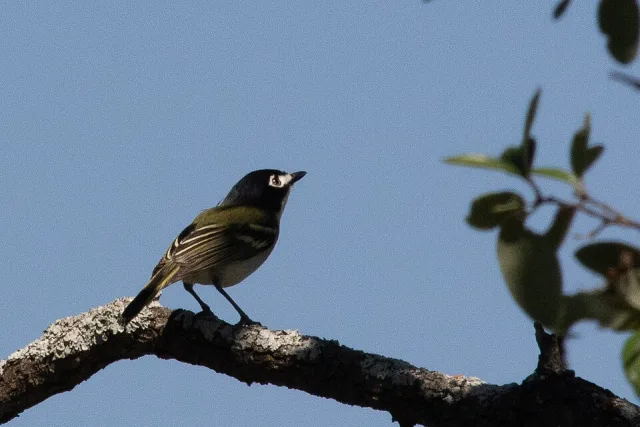
Conservation Targets: The dense, low, brushy thickets, particularly those with blackjack oak, are critical habitat for the now-recovered Black-capped Vireo. This species, federally delisted in 2018, depends on this specific scrub-oak environment for nesting. Active management, including prescribed fire and cowbird control (a major nest parasite), is essential for maintaining its population in this region.
A Spectacle of Color and Sound
Beyond the ecological significance, the Cross Timbers is simply a spectacular place to go birding, especially during the spring and fall migrations. As neotropical migrants move through, the ecotone acts as a funnel, concentrating bird life in a mix of habitats.
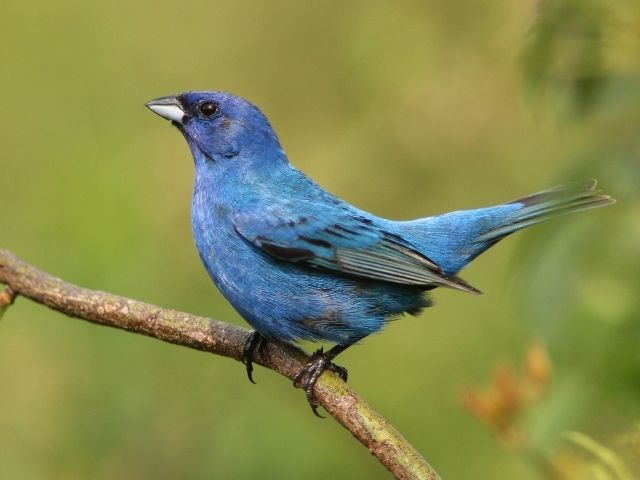
A classic Cross Timbers birding day might involve starting in a moist bottomland forest to hear the rich song of an Indigo Bunting (an eastern breeder), then moving a short distance to an open oak-shrub area to spot the flamboyant red, blue, and green of a Painted Bunting (often associated with the Great Plains and Southwest scrub).
In addition to the songbirds, the region's scattered lakes and river systems, like Lake Keystone or the waterways near Tulsa and Oklahoma City, attract migrating waterfowl and shorebirds, adding another layer to the already rich avifauna.
Key Birding Areas
For those wishing to experience this convergence firsthand, the following areas offer excellent access to the Cross Timbers ecosystem:
Wichita Mountains National Wildlife Refuge: Though technically in the southwestern corner, this refuge contains areas of Cross Timbers habitat and is vital for the Black-capped Vireo.
Keystone Lake Area (Western Tulsa County): This region provides a mix of riparian woodland, oak hillsides, and open fields, offering a comprehensive Cross Timbers experience.
Gilcrease Museum Grounds/Stuart Park (Tulsa): Once a savanna grassland, this area still offers varied terrain from woodland to grassland, making it an excellent urban birding location within the ecoregion.
The Oklahoma Cross Timbers stand as a powerful testament to the complexity of transitional habitats. It’s a place where the towering diversity of the East is forced to adapt to the rugged, dry conditions of the West, resulting in a unique, vibrant, and essential refuge for hundreds of avian species.
Birds of Oklahoma: All the Best of the Backyard, Migratory and Uncommon Species
