
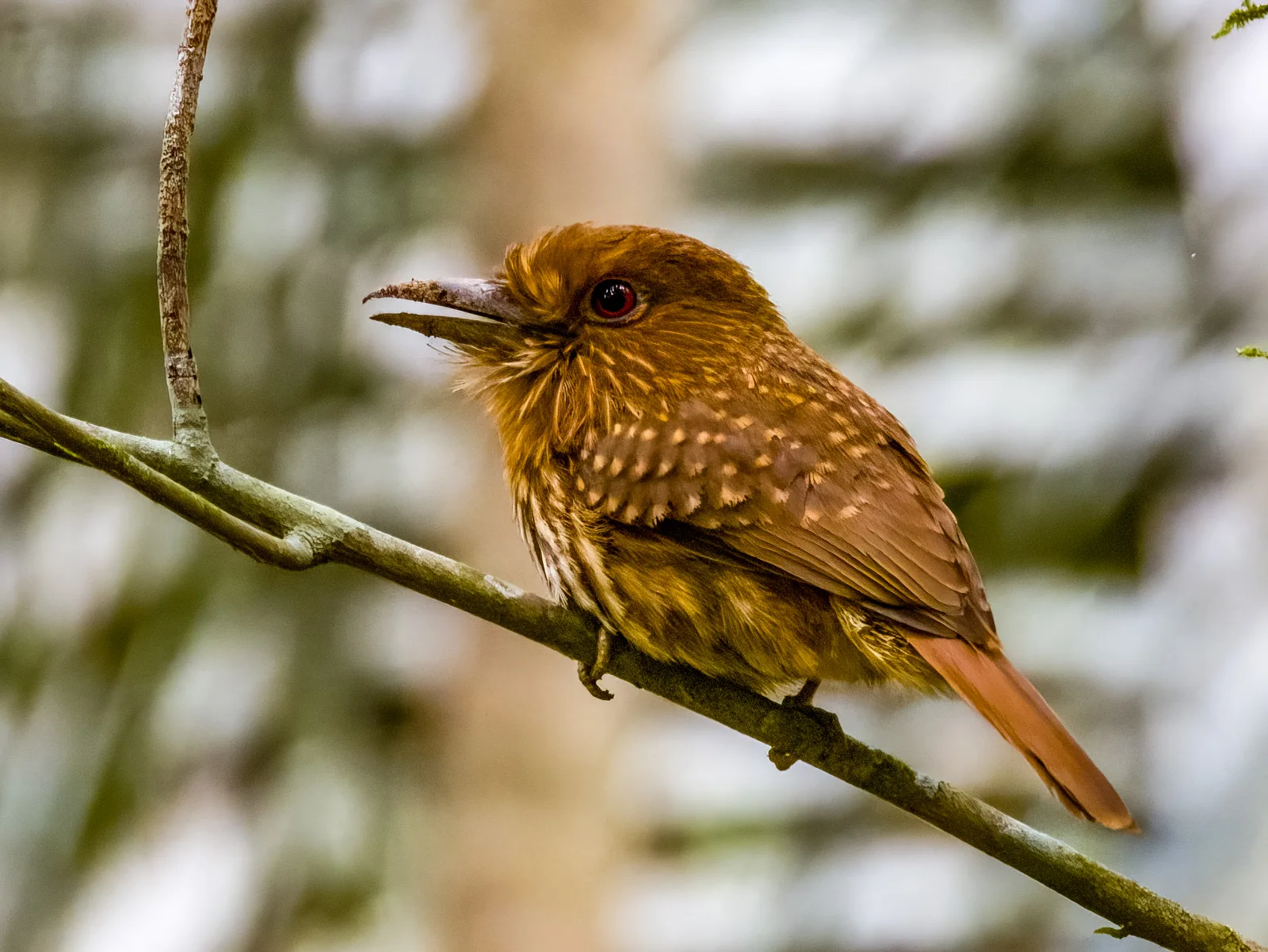
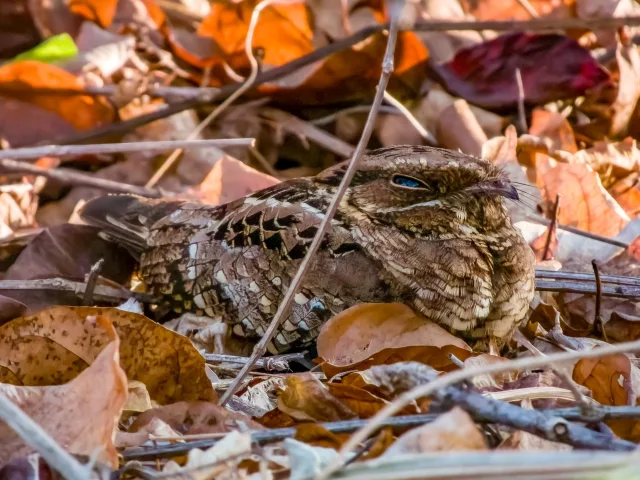
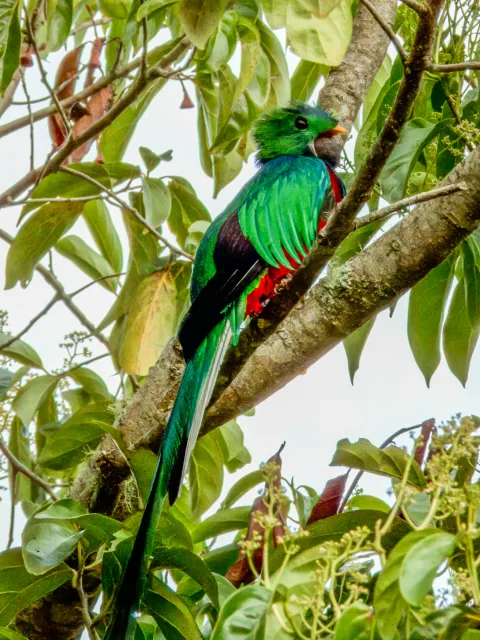
The best time to visit Costa Rica for bird watching is during the dry season (December to April). The weather is drier, making it easier to navigate trails and spot birds. March and April are also the best time to see the elusive Resplendent Quetzal during its breeding season. However, thanks to its numerous microclimates, birding is good all year. The rainy season (May to November) offers high bird activity in the early morning and late afternoon, and is a great time to see North American migratory birds (September-October) and fewer tourists.
I recently visited Costa Rica and after a lot of planning, my birding partner and I decided that we wanted to visit both the Caribbean and Pacific coast, the cloud and southern forests. We settled on visiting 3 of the best bird watching areas by ourselves and joining an organized tour afterwards. We hoped this would give us the best coverage of the country and maximize our chances of seeing as many birds as possible.
So, what would I recommend - self guided or organized tour?
Pacuare Reserve
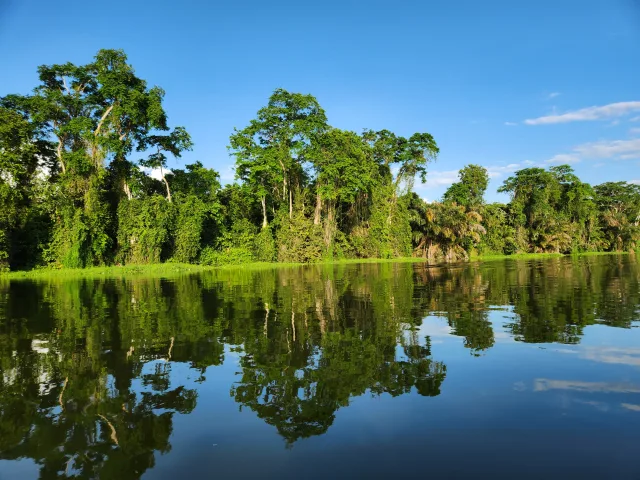
On arrival at San José, we had booked a private car service to take us to Pacuare Reserve, just north of Limon on the east coast. It is not possible for me to understate how incredible this place is. Accessible only by the stunning river, the reserve is dedicated to the protection of several important species of birds, mammals and reptiles. You can visit as a guest or volunteer and time your visit to see specific progams.
Scientists, volunteers and guests live in a small area in unpowered cabins, right on the beach. It is a paradise and so, very well run. Around the year, they run programs dedicated to protecting endangered animals. Due to our timing, we were there while turtles were nesting on the beach. It was a real bucket list tick to watch them digging holes and laying their eggs. I would have liked to be there while the ethereal Agami Heron was the focus. Next time maybe.
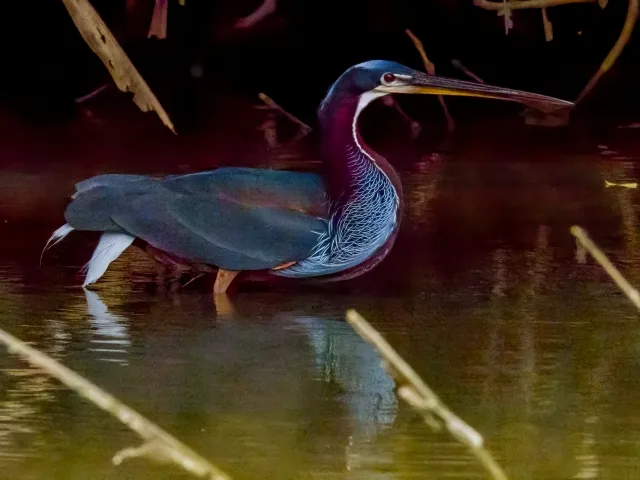
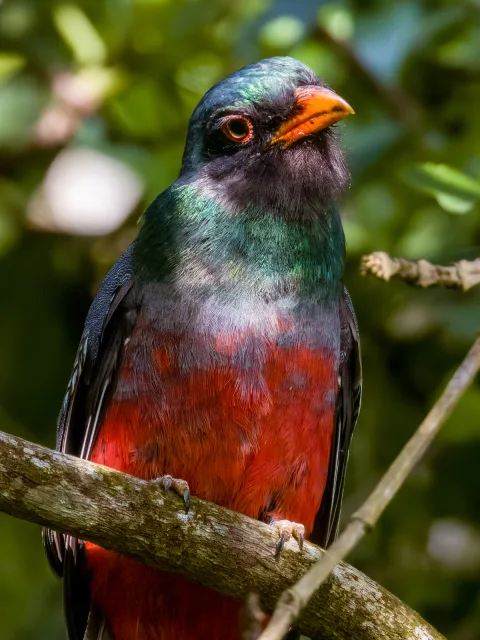
Here, I had my first sightings of trogons, toucan and tropical kingfishers. Despite being out of season, the staff worked hard to find us an Agami Heron. This was my first very special moment.
Rancho Naturalista
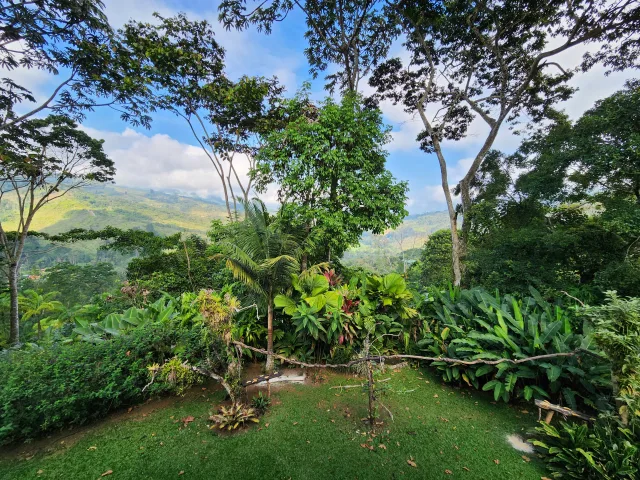
Heading inland and south of San José and on a steep hillside was Rancho Naturalista. This is a privately run lodge that is so bird watching focused, it has live in guides. Balconies overlook a small cleared area where everything from toucan to Agouti visit. Hummingbird feeders encourage a constant parade of them. During the trip I saw over 30 species of hummingbirds, many of them here.
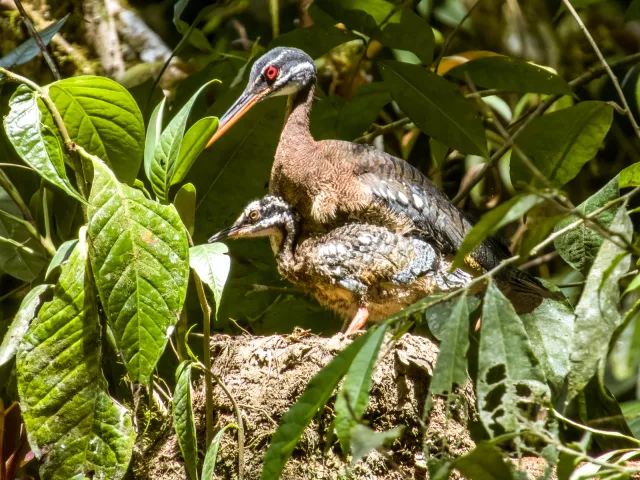
If you sit too close to a feeder, you can (rather delightfully) expect to be chided by an angry White-necked Jacobin. When you can tear yourself away, there are walks around the property and the guides will take you around the local area. Highlight number 2 was watching a Sunbittern with a chick. It was the stuff birding dreams are made of.
The Dazzling Jewels of the Sky: Hummingbird Species of the US
Cerro Lodge
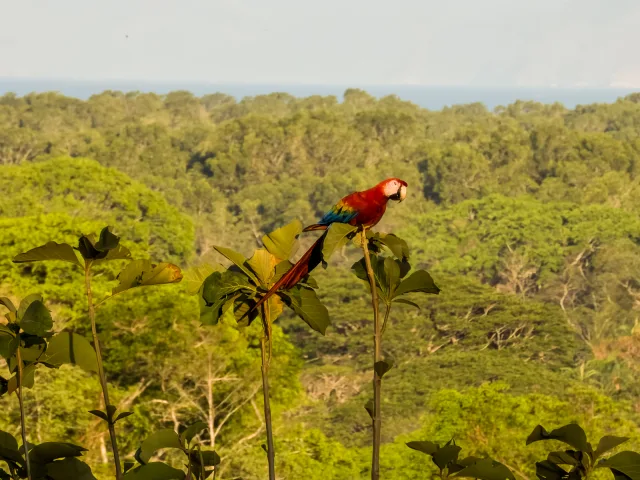
Further west still was the Cerro Lodge. It was a busier location and the resort attracted all sorts of tourists. Set on a hillside, you could see all the way down to the coast from the restaurant balcony. At breakfast time, Scarlet Macaw would visit the feeders and surrounding trees (highlight number 3).
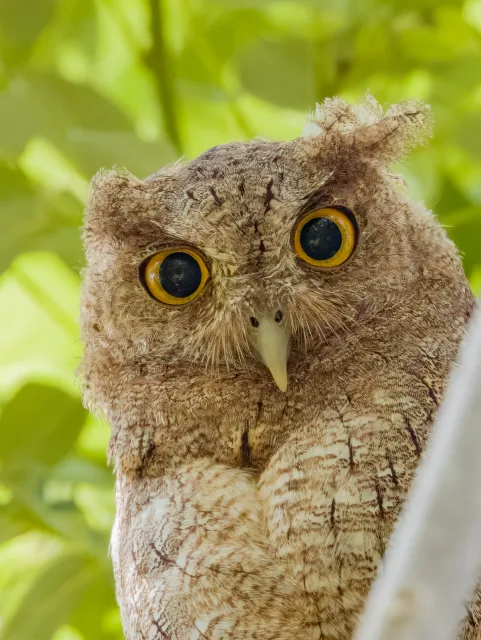
Woodpeckers, flycatchers and the wonderful motmots were all on the grounds and if that wasn't enough, a family of Pacific Screech-Owl were living in a tree just outside the grounds.
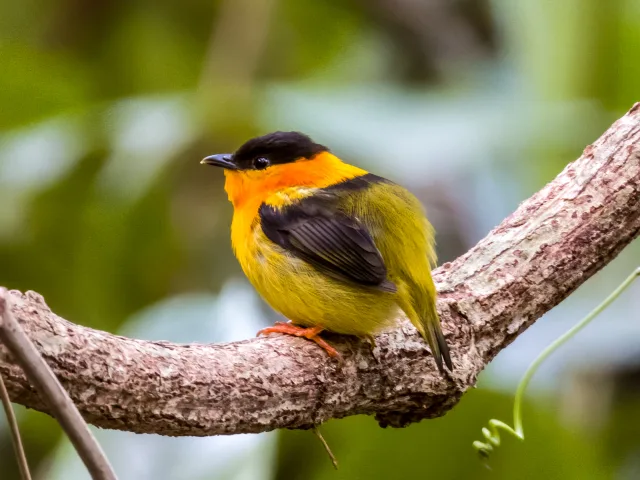
Guides are available here and we met one at the Carara National Park close by. A very unusual walk through tropical dry forest and into tropical rainforest made the conditions challenging but seeing some spectacular birds made up for the humidity fluctuations. Xenops, leaftossers, anthrushes and manakin were all here. Trip highlight number 4 was seeing the hard to find Streak-chested Antpitta.
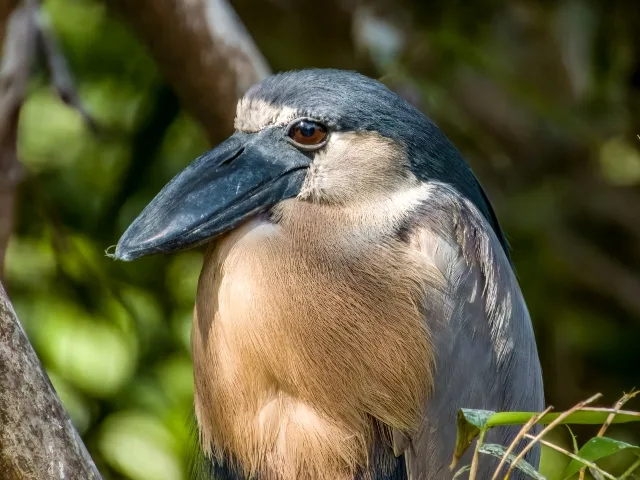
Another guide took us to local hotspots including several lakes where we saw everything from Snail Kites, Antbirds and the remarkable Boat-billed Night-Heron.
The Rockjumper Tour
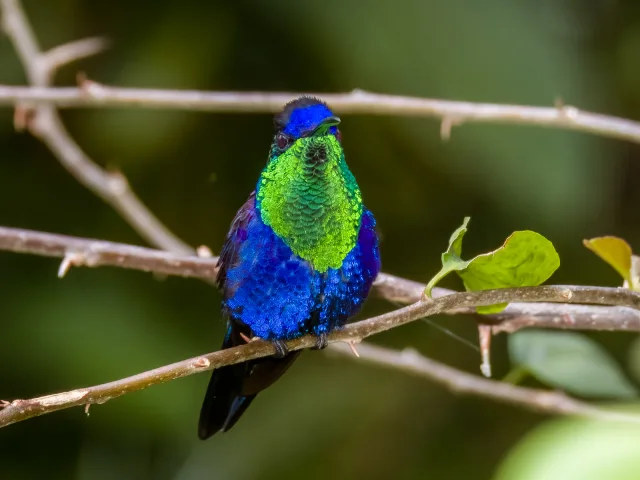
Rockjumper are an established, fully inclusive bird watching tour company and although the Costa Rica tour was expensive, it was totally worth it. Over 11 days we spent time in the following areas, which covered a very good range of ecosystems.
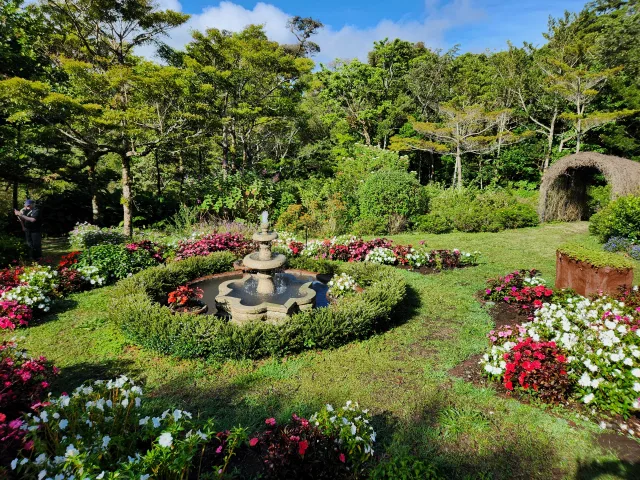
- Arenal
- Monteverde
- Gulf of Nicoya
- Carara National Park
- Tárcoles
- Savegre
- San José
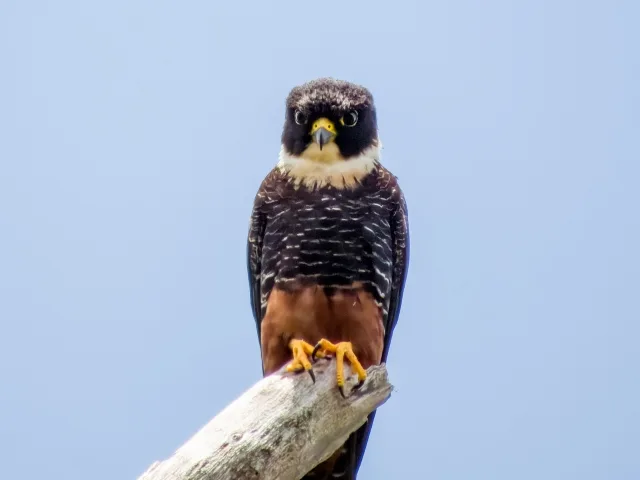
The group was small (under 10 people) and a dedicated bus transported us to very well equipped hotels. The guide was an excellent birder and knew all the areas fully. The days were long and very active. Even on the bus, we were birding and stopped if we saw anything interesting. On top of the designated stops, we would frequently go off route when the guide knew of an interesting bird sighting. The guide made sure we saw the best birds, like the Resplendent Quetzal (highlight 5, obviously) and Three-wattled Bellbird as well as the very unusual Rufous-vented Ground Cuckoo, which I had never even heard of!
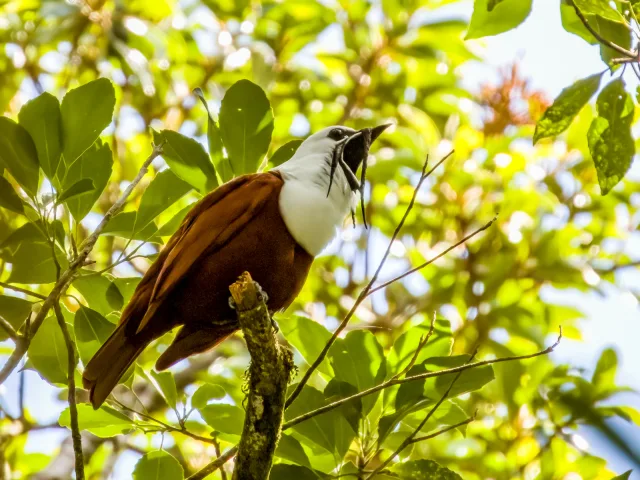
The downside of the tour was visiting hotspots for birds like the bellbird, which were also popular with birders and photographers. It was quite a scrum and I did get pushed at one point. I did not appreciate that. Most places that were set up for birders were very organized and well run though, so overall it was bearable.
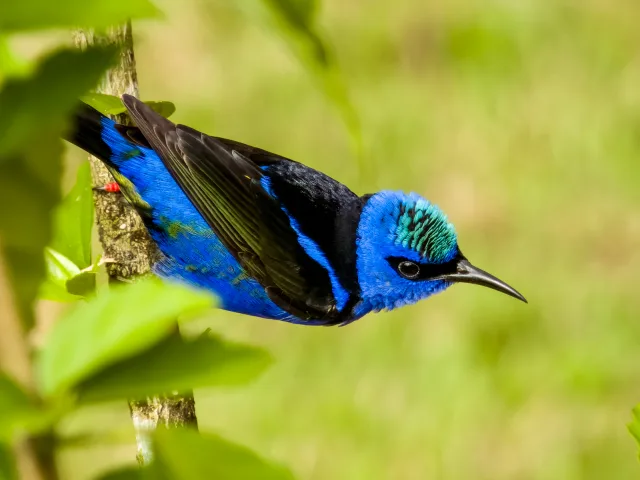
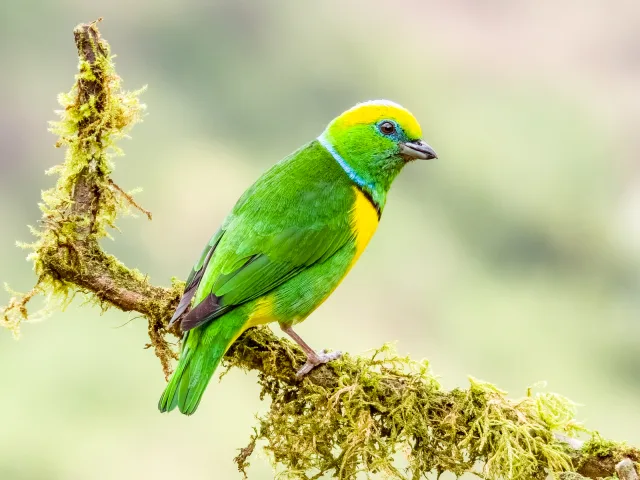
The tour ramped up and up with ever more exotic locations and activities. We visited the Cloud Forest, took a boat tour along the Tárcoles River and visited some of the most mind-blowing hummingbird feeders. The last stop of the tour was a resort in Savegre where the Quetzal came to eat avocado but possibly even better than that was a private garden stuffed full of native birds, including possibly my favorite bird of the trip, the Golden-browed Chlorophonia.
Wrapping Up
So, what would I recommend - visiting Costa Rica independently or with an organized bird watching tour? Simple. I would do both, again and again. Traveling independently gave us a real flavor of the country and was a relaxing way to start our trip. At Pacuare, we ate with the scientists and volunteers. It was simple, local and delicious food. At Rancho Naturalista, we could choose from so many activities like walking the property, having a guide or just sitting with the hummingbirds. Lastly, at Cerro Lodge we could have a leisurely breakfast with the Scarlet Macaws or visit Tárcoles and the neighboring national parks.
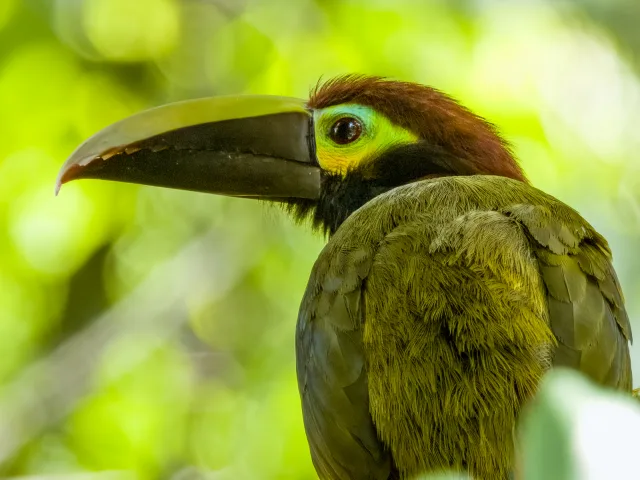
The Rockjumper tour was very different, very tiring and wonderful. The sheer number of species we saw without having to do a lot of work was incredible. Having access to local knowledge was invaluable and gave us sightings we probably wouldn't have been able to match on our own.
In 3 weeks of travel, I saw 379 species of birds. For a once in a lifetime trip, it was as close to perfect as you can get.
The Unseen Invasion: Why Feral Birds Are a Threat to Our Native Ecosystems
