
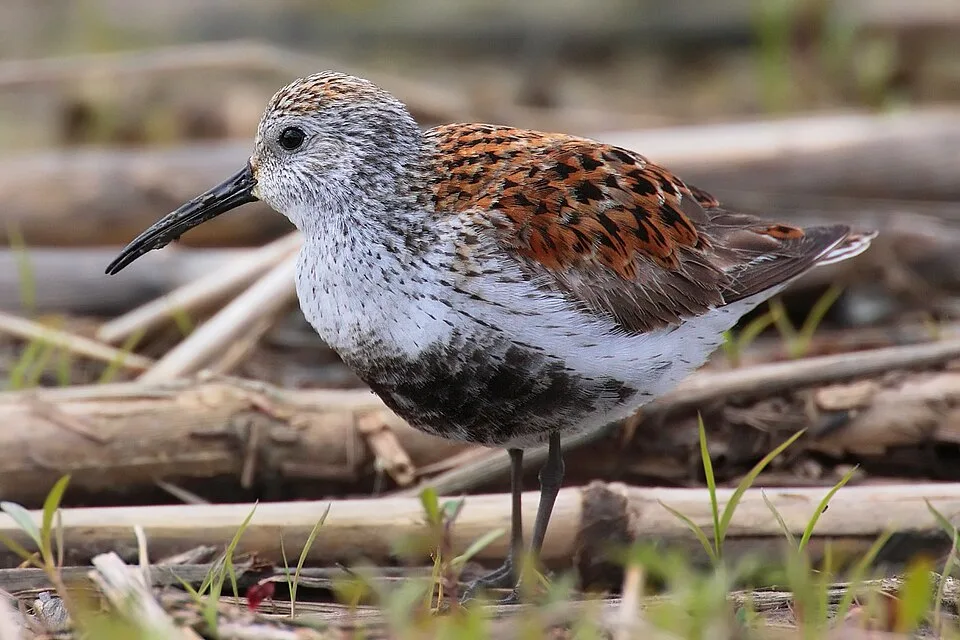
Connecticut's coastline, bordering the Long Island Sound, offers a surprising wealth of prime birdwatching opportunities for enthusiasts of all levels. From its diverse mix of tidal marshes and coastal forests to its secluded barrier beaches, the state provides critical habitat and a vital stopover point for hundreds of avian species, especially during the spring and fall migrations.
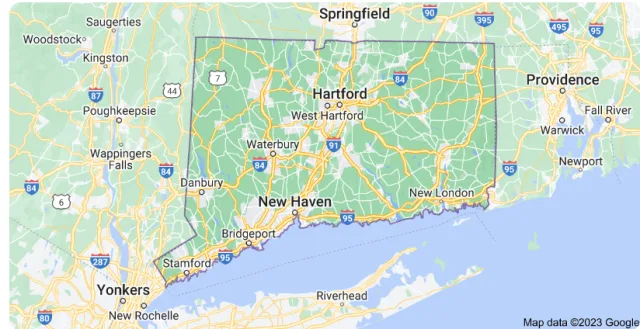
Whether you're hoping to spot a rare seabird, observe the intricate dance of shorebirds, or simply enjoy a quiet morning with warblers, Connecticut's natural preserves are a goldmine. This article will guide you through some of the state's most rewarding birding destinations, specifically highlighting the rugged, undeveloped beauty of Bluff Point State Park and the accessible, diverse habitats of Cove Island Wildlife Sanctuary, proving that the Nutmeg State is a must-visit for any serious birder.
Smith Richardson Preserve
The Connecticut Audubon Society's H. Smith Richardson Preserve is a crucial wildlife sanctuary located in the town of Westport, Connecticut, near the border with Fairfield. Geographically, it is comprised of several parcels of land totaling about 74 acres, which collectively offer a mosaic of habitats crucial for migratory and resident birds.
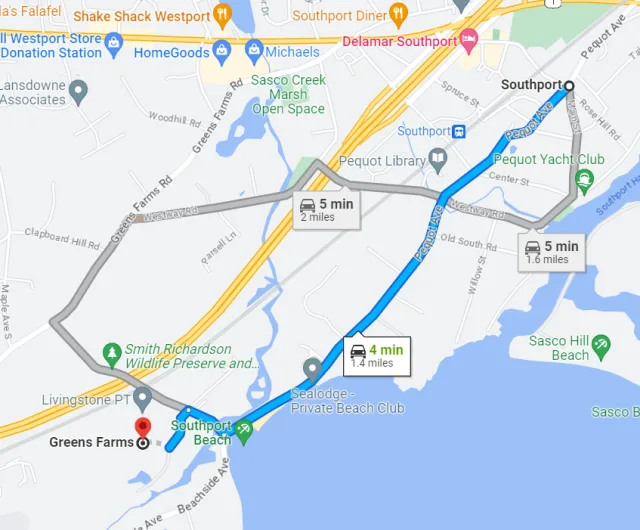
The preserve's landscape includes a former Christmas tree farm, restored field and meadow habitats, and coastal forest and shrubland. Lying in the Greens Farms area, its proximity to the coast, though not directly on Long Island Sound, makes it a vital stopover point on the Atlantic Flyway, particularly during migration periods. Extensive restoration efforts have been undertaken to remove invasive species and plant thousands of native trees and shrubs, enhancing its ecological value.
This diverse geography makes the Smith Richardson Preserve an excellent birdwatching location, renowned especially for its abundance of sparrows during the fall migration. Birders frequently spot numerous species, including Field, White-crowned, White-throated, and even rare Grasshopper or Clay-colored Sparrows, foraging in the open field and shrub habitats.
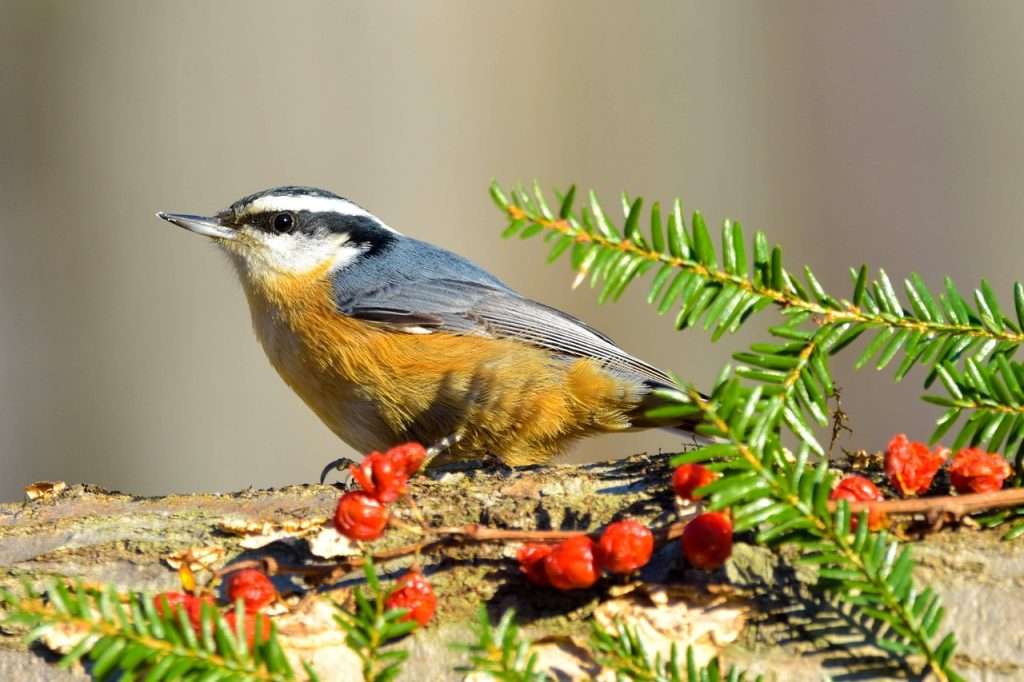
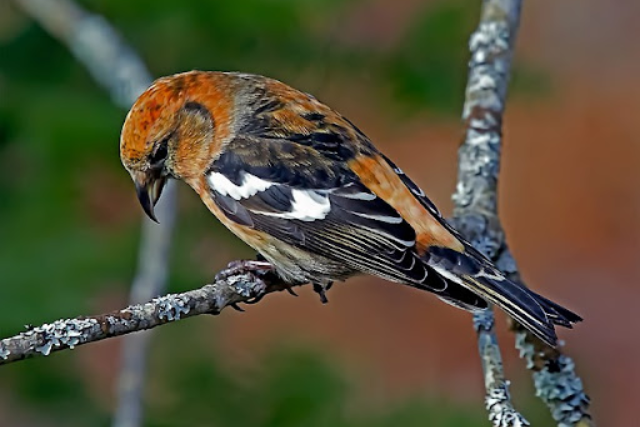
In the spring and summer, the meadows host nesting birds like Eastern Bluebirds, Tree Swallows, and Eastern Kingbirds, and is a magnet for warblers such as Yellow Warbler and Chestnut-sided Warbler. Year-round, the evergreen and conifer plantings provide cover for species like Red-breasted Nuthatch and Brown Creeper, while the air above is patrolled by Red-tailed Hawks and, occasionally, rare winter visitors like White-winged Crossbills.
Target Birds
Orchard and Baltimore Oriole
Indigo Bunting
Double-crested Cormorant
Willow Flycatcher
Veery
Snowy Egret
The Connecticut Audubon Society has information about the Smith Richardson Sanctuary.

Hammonasset Beach State Park
Located in Madison, Connecticut, Hammonasset Beach State Park is a significant geographic feature on the state's Long Island Sound shoreline. It is Connecticut’s largest public beach park, encompassing nearly 1,000 acres of diverse coastal habitats, including a remarkable two-mile stretch of naturally occurring sandy beach.
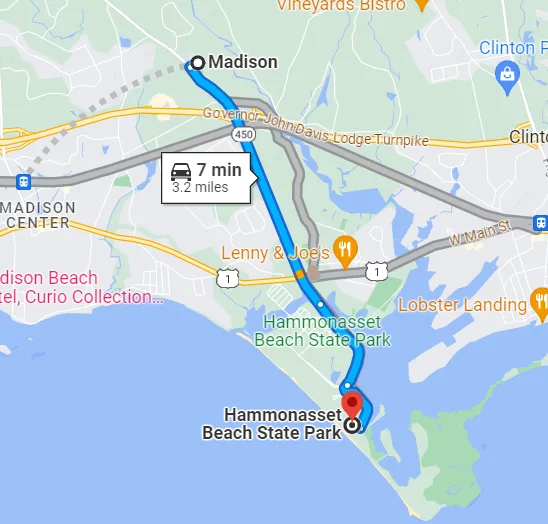
The park's geography is defined by its peninsula location, which creates an ecological tapestry of saltwater beaches, rocky coastlines, tidal flats, deciduous forest "islands," and an extensive 460-acre salt marsh complex. This large, varied landscape—bordered by the Long Island Sound to the south and the Hammonasset River and Clinton Harbor to the east—makes it an essential stopover point for migratory birds, particularly as a prominent point of land jutting into the Sound. The diverse terrain provides shelter and feeding grounds, leading the National Audubon Society to designate the area as a Globally Important Bird Area.
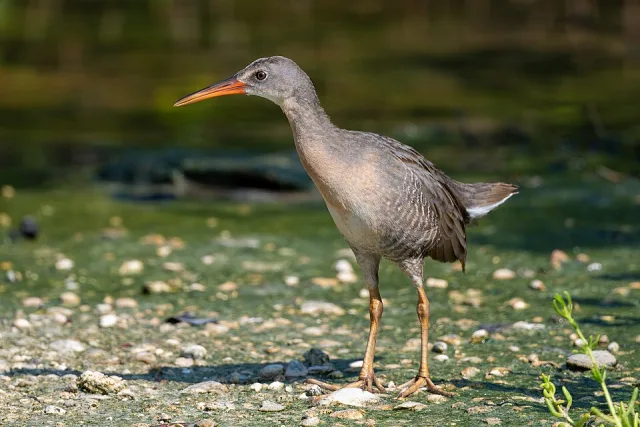
The park's varied habitats translate into exceptional birdwatching opportunities year-round, making it one of New England's top birding locations. Its coastal environment is vital for shorebirds and nesting species; for example, the protected sandy beaches are crucial breeding sites for the endangered Piping Plover and Least Tern, while the extensive salt marshes provide important habitat for the range-restricted Saltmarsh Sparrow and Clapper Rail.
During the spring and fall migrations, the park becomes a hotspot for migratory songbirds, raptors, and countless waterfowl. In winter, the rocky coastline and offshore waters are excellent for viewing sea ducks like scoters, Common Eider, and even occasional Razorbills, alongside gulls and wintering songbirds such as Snow Bunting and Horned Lark. The Meigs Point Nature Center and numerous trails, including elevated boardwalks across the marsh, offer easy viewing access to this rich avian biodiversity.

Target Birds
American Oystercatcher
Common Tern
Brent Goose
Clapper Rail
Great Black-backed Gull
Merlin
The Atlantic Flyway branch of the Audubon Society has a great website with a lot of information about the state park and general area.

Greenwich Point Park
Located in Old Greenwich, Connecticut, Greenwich Point Park—known to locals as "Tod's Point"—is a 147-acre municipal beach and recreation area strategically situated on a peninsula jutting out into the Long Island Sound. This distinctive geography, connected to the mainland by a causeway, makes it an essential staging area for migrating birds.
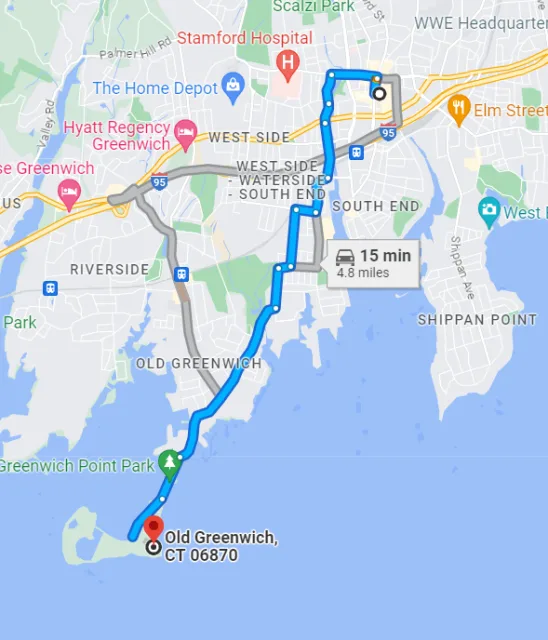
The park's varied landscape includes coastal beaches, rocky shorelines, maritime forests, and the notable Eagle Pond, a man-made tidal pond that provides critical freshwater and brackish marsh habitat. This blend of habitats—from the open water and mudflats to the dense vegetation of its historic estate grounds—creates a funnel effect for migrating species, establishing Greenwich Point Park as an officially Recognized Important Bird Area (IBA).
As an IBA, Greenwich Point Park offers excellent birdwatching throughout the year. During the migration periods of spring and fall, the park becomes a magnet for a wide variety of species, including warblers, flycatchers, and various songbirds resting before or after their journey across the Long Island Sound. In the winter, the open waters are vital for viewing a range of waterfowl and seabirds, while the sheltered ponds and groves offer refuge for species like various sparrows and winter finches.
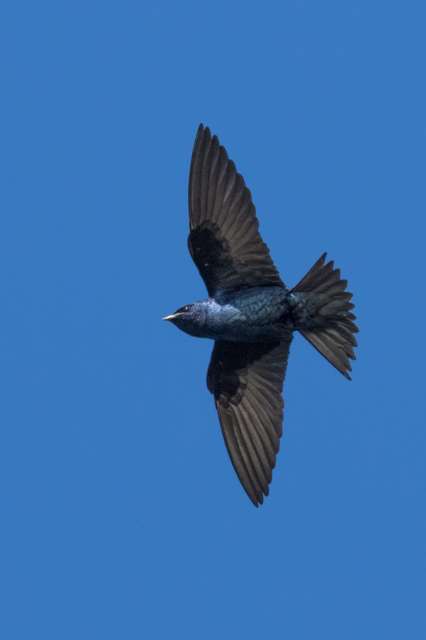
The park also hosts nesting colonies of graceful Purple Martins in the summer, managed by the town's Conservation Commission. Regular "First Sunday Bird Walks," sponsored by local groups, help birders of all experience levels explore the grounds, spotting everything from colorful migrants to shorebirds foraging along the "shining sands" (the original Siwanoy name, Monekewaygo).
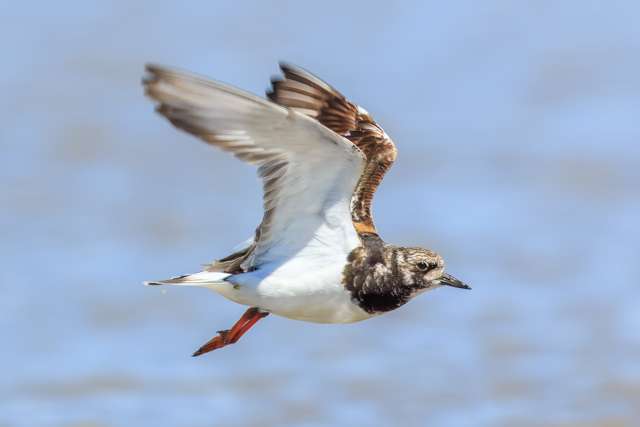
Target Birds
Snowy Egret
Ruddy Turnstone
Spotted Sandpiper
Northern Waterthrush
Black-throated Green and Black-throated Blue Warbler
Hermit Thrush
Greenwich Parks and Recreations has information for visitors regarding recreational activities and facilities.
Silver Sands State Park
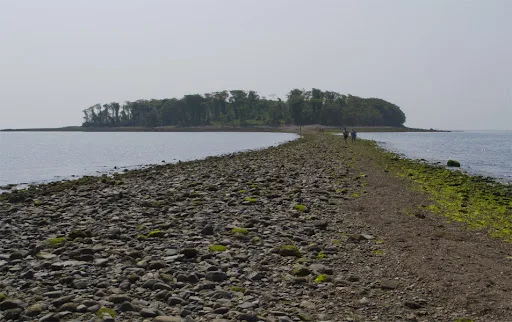
Silver Sands State Park is a 297-acre public recreation area located on the shoreline of Milford, Connecticut, offering stunning views of the Long Island Sound. Its geography is a vibrant coastal mosaic, comprising sandy beaches, rolling dunes, restored tidal salt marsh, and open wooded areas. A unique and defining feature of the park is its connection to the 14-acre Charles Island, a small, wooded island located about a half-mile offshore.
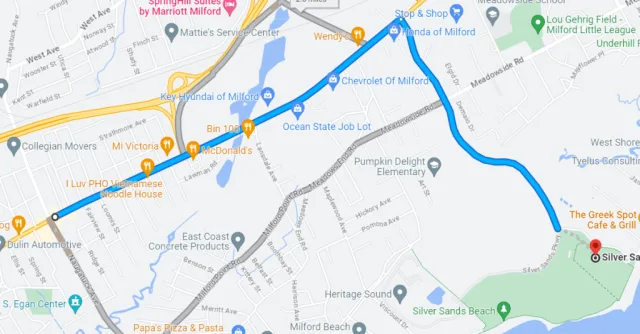
During extreme low tide, a natural land bridge called a tombolo emerges, allowing foot traffic to the island. A long, all-weather boardwalk runs through the park, providing accessible vantage points over the diverse coastal habitats, including a newly restored section of tidal marsh that enhances the park's environmental value.
The park's diverse habitats make it a vital stopover and nesting site, with over 200 species of birds recorded here. The heart of its birding value lies in Charles Island, which is a state-designated Natural Area Preserve and an Audubon Important Bird Area (IBA). The island's dense wooded interior hosts one of Connecticut's largest remaining breeding colonies, or rookeries, for wading birds, including herons and egrets (such as the Snowy Egret).
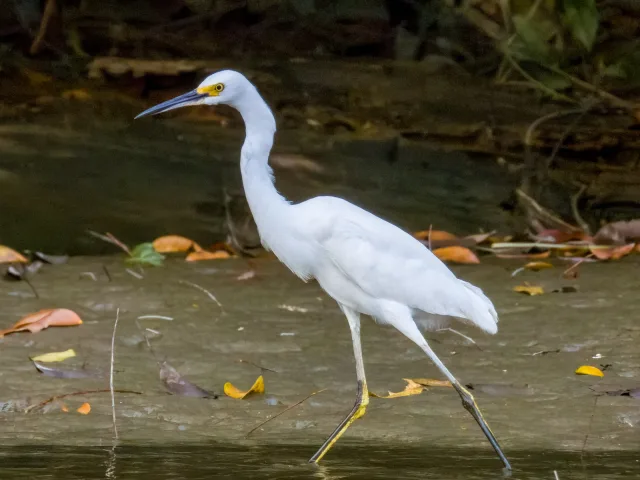
Due to the sensitivity of these nesting grounds, Charles Island is closed to all human access from May 1st through August 31st. During the winter months, the park's open terrain attracts various raptors, like the Rough-legged Hawk and Snowy Owl, while the beach and marsh areas are crucial for migrant shorebirds, terns (including the Least and Common Tern), and various waterfowl. Visitors can enjoy excellent birding from the boardwalk and mainland trails, making Silver Sands a year-round destination for observing coastal avian life.
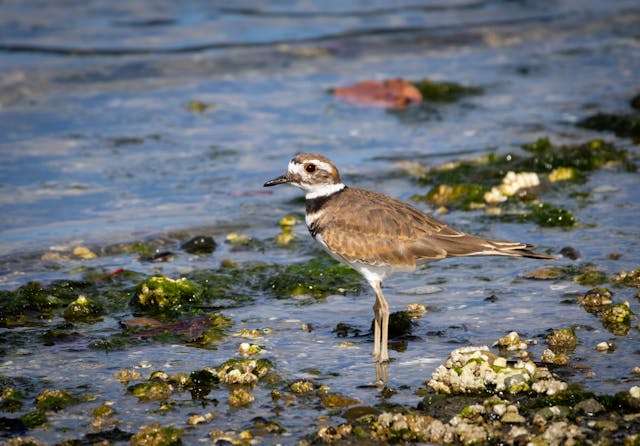
Target Birds
Prairie and Grasshopper Warbler
Philadelphia Vireo
Scarlet Tanager
Killdeer
Least Tern
Bald Eagle
Green Heron
The Connecticut Gov website has safety and other visitor information about the area.
Bluff Point State Park
Bluff Point State Park is a critical coastal reserve located in the town of Groton, Connecticut, on an undeveloped peninsula jutting into the Long Island Sound. Geographically, the 806-acre park is a rare and invaluable piece of the Connecticut shoreline, notably the last major section of the state's coast to remain primarily undeveloped.
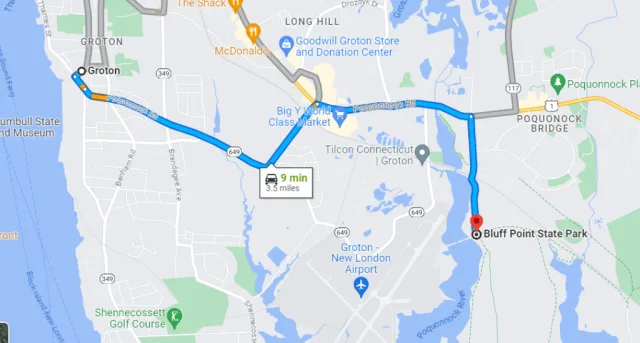
Its diverse landscape is a tapestry of habitats, including scenic bluff cliffs, a barrier beach, forested uplands, coastal woodlands, and extensive tidal wetlands and salt marshes bordering the Poquonnock River and Mumford Cove. This intermingling of natural features creates a high-value ecological zone, which is why 778 acres of the park have been designated as a coastal reserve with the highest level of state protection. The topography ranges from the rocky headlands that provide expansive views of the Sound to low-lying marshes and thick tangles of coastal scrub, all accessible via a main gravel road and various walking trails.
This rich mosaic of geography makes Bluff Point an exceptionally productive birding spot, with over 200 avian species recorded here throughout the year. The coastal location places it directly on the Atlantic Flyway, making it a spectacular location to observe migration. During the spring and particularly the autumn, the site is famous for "morning flight," where large numbers of passerines, including dozens of warbler species, can be seen funneling along the coast.
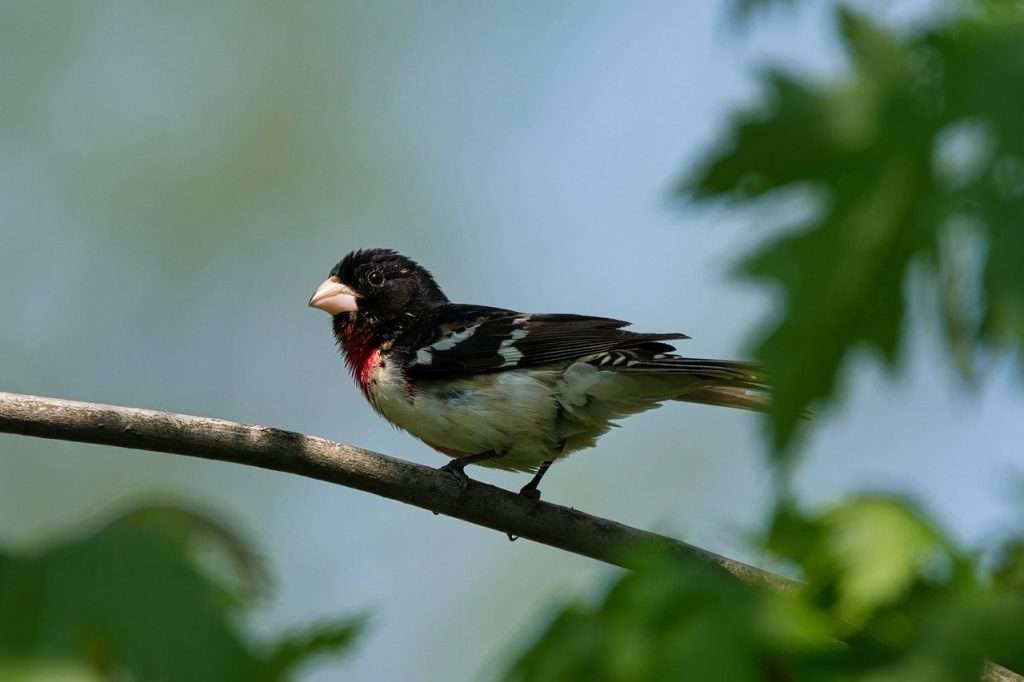
The park's varied habitats cater to different birding interests: the tidal flats and salt marshes are essential for viewing shorebirds (like American Oystercatchers) and wading birds, the forested areas attract nesting songbirds (such as Wood Thrushes and Rose-breasted Grosbeaks), and the bluffs are excellent vantage points for spotting raptors during hawk migration, as well as wintering waterfowl (including loons, grebes, and scoters) on the open water of the Sound.
Target Birds
Semipalmated and Piping Plover
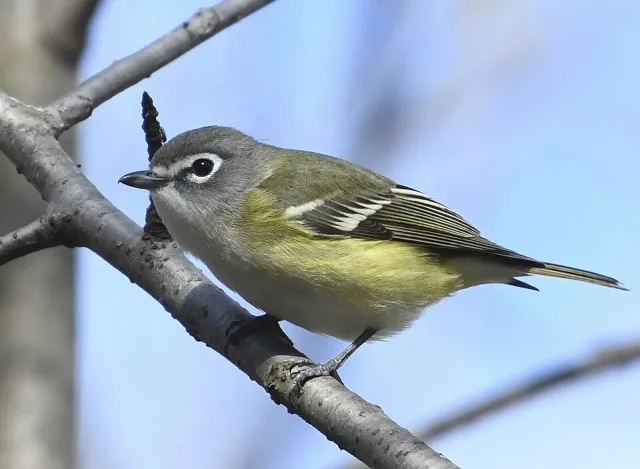
Blue-headed Vireo
Brown Thrasher
Veery
Rose-breasted Grosbeak
Common Eider
The Connecticut.gov website has visitor information including fees, access and facilities.
Sherwood Island State Park
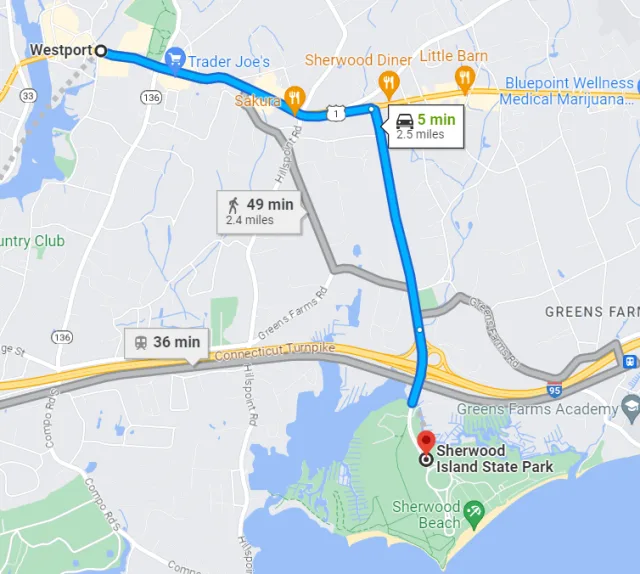
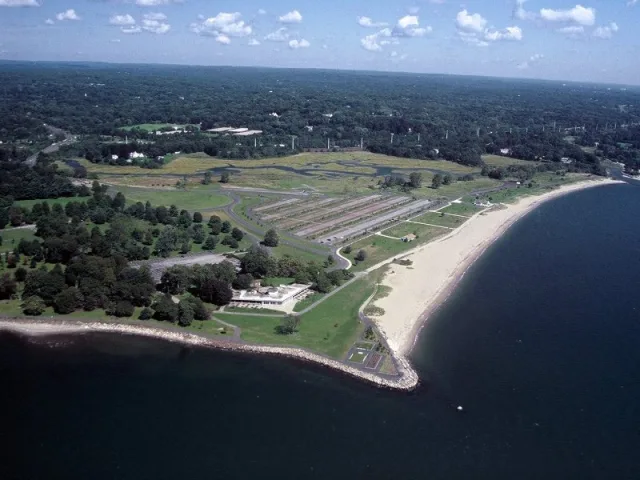
Sherwood Island State Park, recognized as Connecticut’s first state park, is an essential coastal destination located in Westport, on the shore of Long Island Sound. Spanning 238 acres, the park is a relatively large, undeveloped piece of coastal land, providing a crucial refuge between New York City and other large coastal preserves further east.
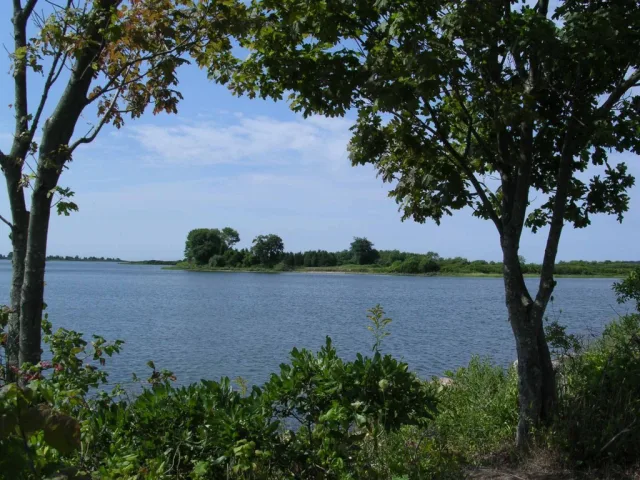
Its geography is characterized by a dynamic mix of habitats: a mile-long sandy beach, coastal forest, woodlands, and expansive tidal salt marshes bordered by the Sherwood Mill Pond. The prominent Sherwood Point juts into the Sound, acting as a natural vantage point. This blend of environments, from the open ocean-facing beach to the protected, nutrient-rich marsh, creates ideal conditions for a wide variety of wildlife, making it a hotspot for birders throughout the year.
The birdwatching opportunities at Sherwood Island are exceptional, which is why it is consistently ranked as a top eBird hotspot in Connecticut with over 300 species recorded. The park’s diverse geography directly supports a wide range of avian life. The salt marsh is perfect for wading birds like Glossy Ibis, Herons, and Egrets, as well as various ducks and rails. During the migration periods (spring and fall), the coastal woodlands and thickets become stopovers for numerous migratory songbirds and warblers.
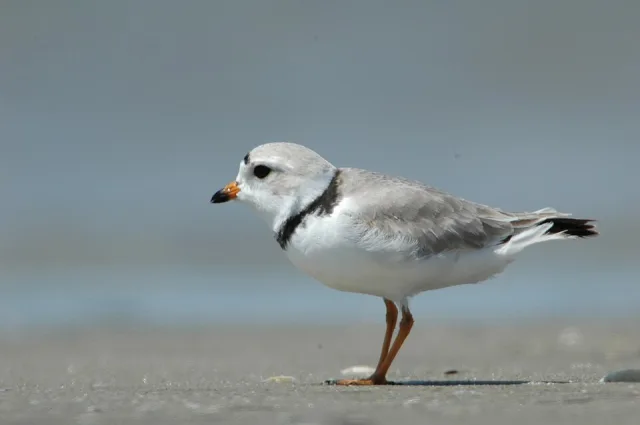
The beach and shoreline are vital for shorebirds, including protected species like the Piping Plover and Least Tern during nesting season. Furthermore, the point overlooking Long Island Sound offers excellent winter viewing of sea ducks, loons, and mergansers. An observation deck near the marsh and a dedicated Nature Center enhance the experience, providing resources for visitors to maximize their sightings.
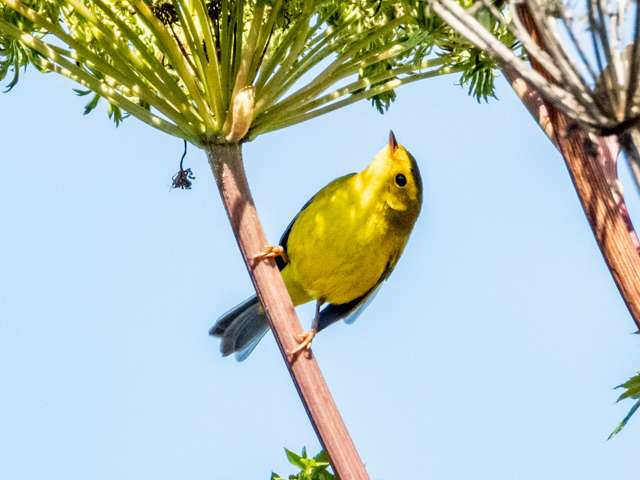
Target Birds
Marsh Wren
Laughing Gull
Great Northern Diver
American Redstart
Clapper Rail
Wilson's Warbler
The official website for the Sherwood Island State Park has up to date information for visitors.
Barn Island WMA
Barn Island Wildlife Management Area (WMA) is Connecticut's largest and most ecologically diverse coastal property, encompassing over 1,000 acres in the town of Stonington in the state's southeastern corner. Geographically, it is situated along the coast of Long Island Sound, bordering Little Narragansett Bay and Wequetequock Cove. This extensive property offers a remarkable blend of habitats, which form the foundation of its high value for wildlife.
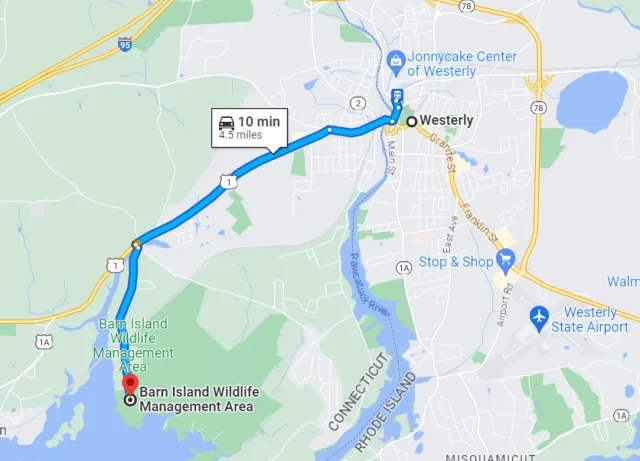
The geography is defined by sprawling salt and brackish marshes that include both tidal and impounded sections, a significant expanse of coastal forests (one of the largest in the state), hilly uplands, intertidal mudflats, and open fields, creating a dynamic ecotone for resident and migratory species. A dedicated boat launch also provides access for those wishing to observe the bay's waterfowl and seabirds.
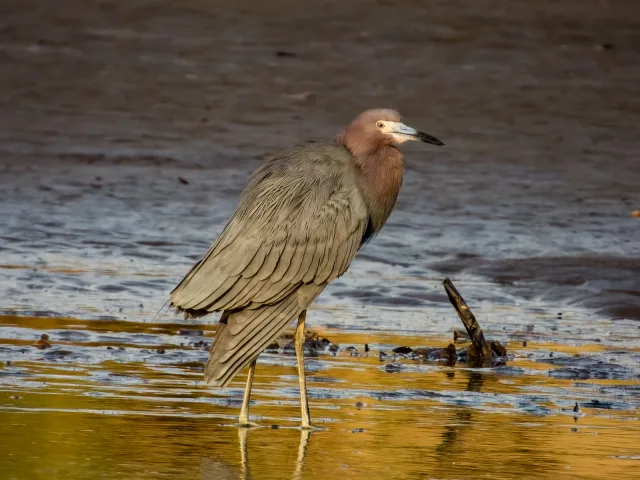
Barn Island WMA is formally recognized by the National Audubon Society as a Globally Significant Important Bird Area (IBA), underscoring its premier status for birdwatching. The diverse geography supports an exceptional variety of species year-round. The extensive marsh system is a prime location for spotting wading birds like egrets, Glossy Ibis, and Little Blue Herons, as well as nesting saltmarsh sparrows such as the Seaside and Saltmarsh Sharp-tailed Sparrow.
During the migration seasons, the mudflats and channels become a crucial stopover for shorebirds like Willet and various sandpipers. The upland forests and shrubby edges host a wealth of songbirds, including White-eyed Vireos and various warblers, while in winter, the area is excellent for viewing waterfowl and hunting raptors like the Northern Harrier cruising low over the marsh grass.
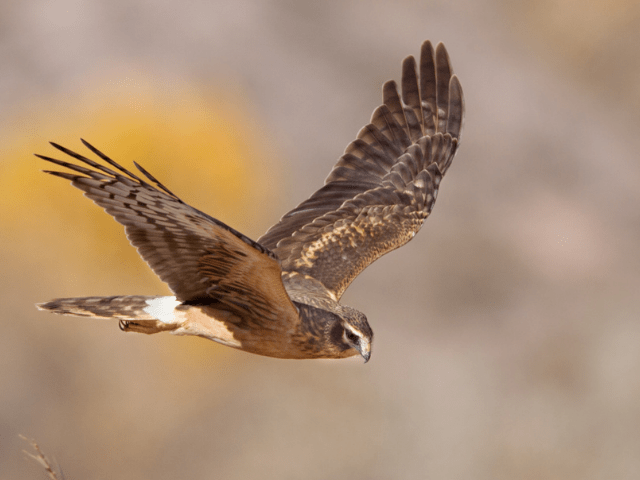
Target Birds
Seaside Sparrow
Ovenbird
Glossy Ibis
Fish Crow
Wood Thrush
- Blue-winged Warbler
The Audubon Society has details about the area and access for visitors.

Greenwich Audubon Center
The Greenwich Audubon Center is a premier destination for birders, situated in the coastal ridge and valley system of southwestern Fairfield County, Connecticut. The Center manages seven sanctuaries across the town, totaling 686 acres of protected land, with the 285-acre Main Sanctuary serving as the primary hub for visitors.
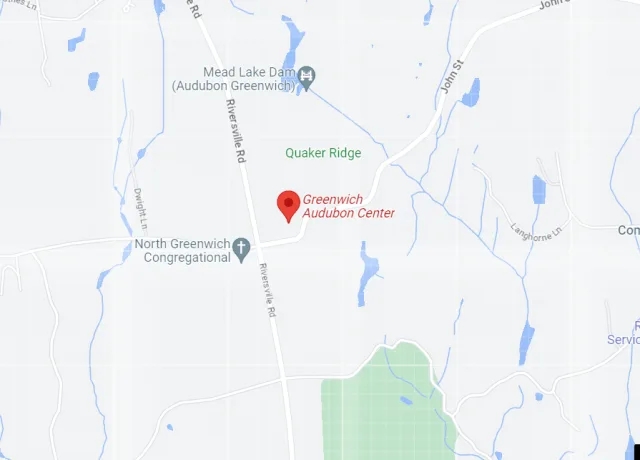
This unique geographical setting provides a rich tapestry of habitats, including mixed deciduous forests, old fields, wet meadows, shrub swamps, a large lake (Mead Lake), and vital vernal pools. A network of seven miles of trails winds through this diverse landscape, guiding visitors past historic stone walls, river corridors, and the remnants of early New England homesteads, all of which contribute to the center's ecological and visual appeal. The sheer variety of ecosystems packed into this easily accessible site ensures that birding is rewarding year-round, regardless of the season.
The true highlight of birdwatching at the Greenwich Audubon Center is its status as a critical migration corridor, particularly for raptors. Located on one of the highest points in Greenwich, the Main Sanctuary hosts the famous Quaker Ridge Hawk Watch, which offers spectacular views of the fall raptor migration. Enthusiasts gather here annually to count thousands of southbound birds of prey, with species like Broad-winged Hawks and Red-tailed Hawks being common, along with sightings of Bald and Golden Eagles.
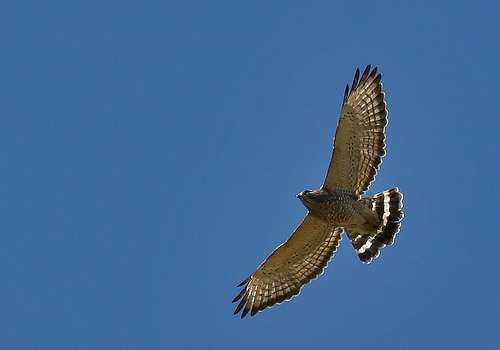
Beyond the raptors, the varied habitats are a magnet for over 200 species of birds. The forests and thickets are excellent for observing breeding and migrating warblers (such as the Blue-winged and Black-throated Green), while the meadows and open areas are home to Eastern Bluebirds and American Goldfinches. The lake and wetlands attract Wood Ducks and other waterfowl, cementing the Greenwich Audubon Center's reputation as a top-tier birding location in Southern New England.
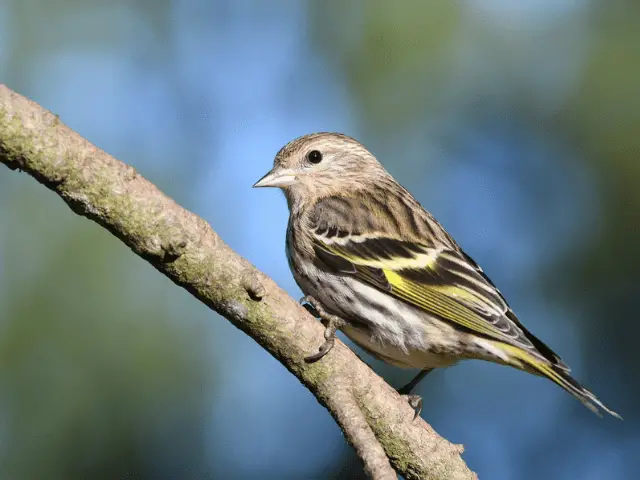
Target Birds
Swainson's Thrush
Louisiana Waterthrush
Common Nighthawk
Broad-winged Hawk
- Pine Siskin
The Greenwich page of the Audubon website has a host of activities and programs that can be joined at the site and a welcoming message.

Cove Island Wildlife Sanctuary
Cove Island Wildlife Sanctuary is a celebrated coastal gem located within the larger Cove Island Park in Stamford, Connecticut, directly on the shores of Long Island Sound. While the park itself is a popular recreational area, the sanctuary section is a dedicated and protected area, which the National Audubon Society has designated as an Important Bird Area (IBA) due to its crucial habitat.
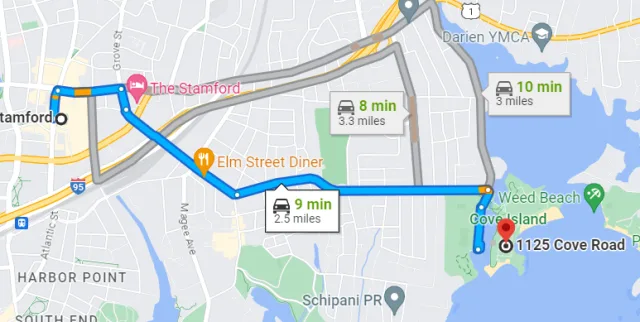
The geography here is an invaluable mix of coastal environments, encompassing tidal marshes, salt marsh, a five-acre native grassland and wildflower meadow, patches of deciduous forest, and a unique, protected sand dune along the beach. This compact yet diverse mosaic of habitats provides food, rest, and nesting sites for a phenomenal number of species, all within an easily accessible area connected to the mainland by bridges.
This blend of coastal geography makes Cove Island an exceptional spot for birding, boasting a checklist of over 287 recorded bird species. The open waters of Long Island Sound and the marshlands attract numerous waterfowl in the fall and winter, including various ducks, loons, and grebes, as well as wading birds like Great Blue Herons and egrets.
The shrubby thickets and wooded edges, meanwhile, are essential stopover points, especially during the spring and fall migrations, when they become filled with migrating songbirds like warblers and sparrows. Dedicated birders can follow a handicap-accessible path around the meadow to a beach-side viewing area, allowing for close observation of shorebirds without disturbing the sensitive dune habitat. This combination of protected nesting areas and critical migratory corridors ensures a vibrant and rewarding birdwatching experience year-round.

Target Birds
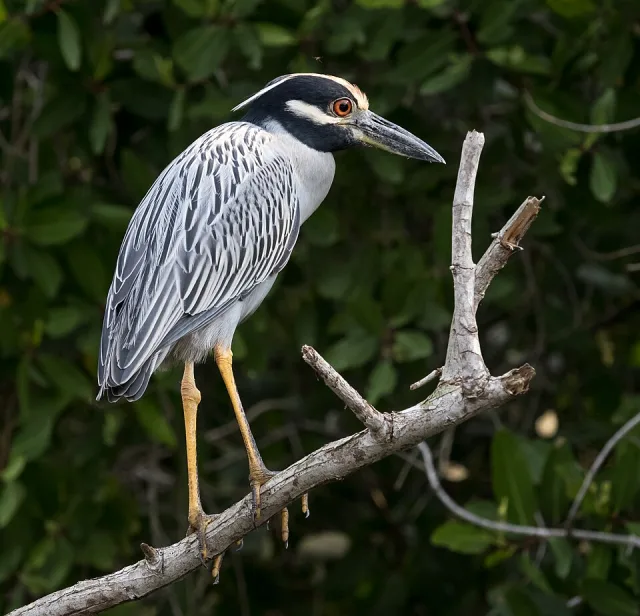
Yellow-crowned Night Heron
Great Black-backed Gull
Gadwall
Hooded and Red-breasted Merganser
Slavonian Grebe
- Snow Bunting
The Connecticut Audubon site has really good details about the park and its facilities.
Rocky Neck State Park
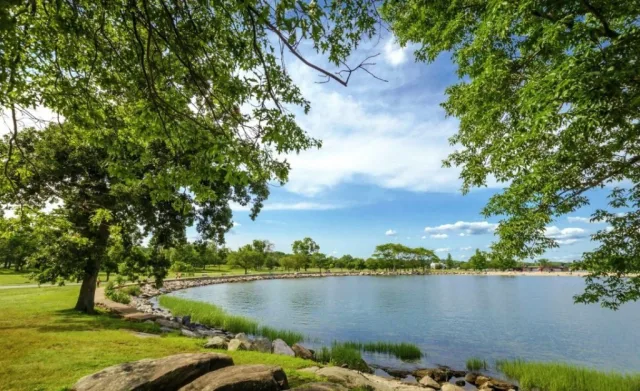
Rocky Neck State Park, located in the town of East Lyme, is a 710-acre coastal gem situated directly on the Long Island Sound. The park's geography is remarkably diverse, providing a rich mosaic of habitats within a relatively small area. It features a beautiful, crescent-shaped, stone-free sandy beach that stretches along the sound, but its most valuable ecological assets lie at its borders: a tidal river (Bride Brook) forms the western boundary, and a broad salt marsh lies to the east.
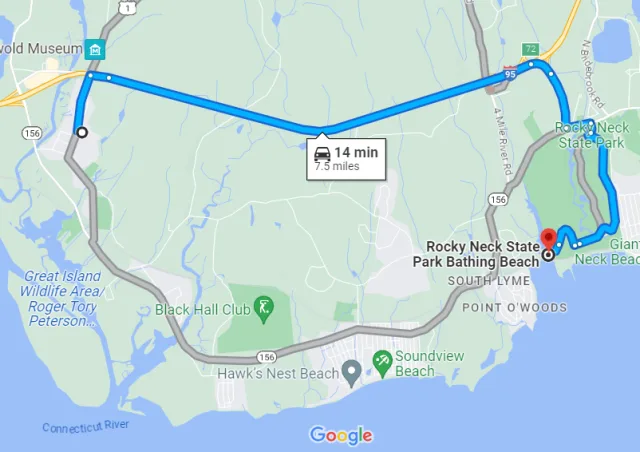
The park also includes wooded trails that traverse an oak-dominated coastal thicket and grassy meadows, offering varied terrain for exploration. This juxtaposition of marine, estuarine, and forest ecosystems makes Rocky Neck a crucial ecological zone and a dynamic landscape for visitors.
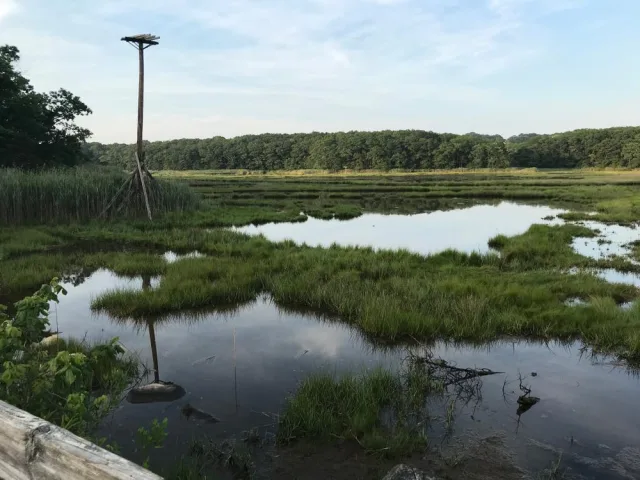
The varied habitats at Rocky Neck State Park translate into excellent and consistent birdwatching opportunities throughout the year. The expansive salt marsh and tidal river mouth are especially productive, attracting wading birds like cranes and herons, as well as numerous mute swans that feed among the cattails and rose mallow.
During the spring, the park is famous for the significant alewife (river herring) run in Bride Brook, which in turn attracts apex avian predators. Osprey, or fish hawks, are frequent summer visitors often seen fishing over the tidal waters. Birders can walk the five-mile network of paths, which includes boardwalks and viewing platforms over the salt marsh, allowing for close-up observation of shorebirds, waterfowl, and raptors, making Rocky Neck a highly rewarding stop on any Connecticut birding itinerary.
Target Birds
Mute Swan
Dunlin
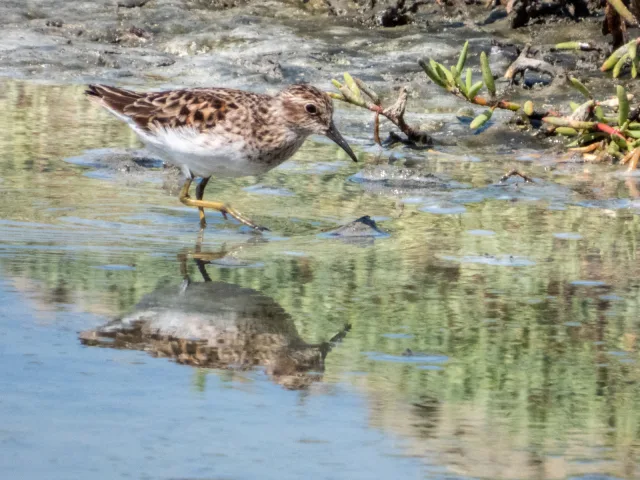
Least Sandpiper
Red-shouldered Hawk
Golden-crowned Kinglet
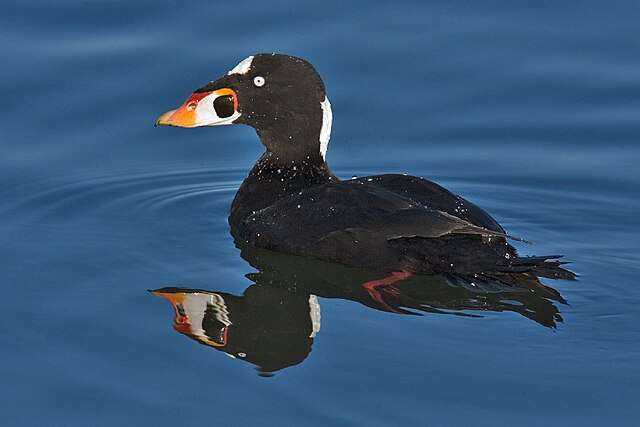
- Surf Scoter
The Connecticut Government website has a lovely description of the area, along with useful links.
Wrapping Up
As we’ve explored, the birdwatching opportunities in Connecticut are vast, rewarding, and accessible, solidifying the state’s place on the map for nature enthusiasts. From the rugged, undeveloped trails of Bluff Point State Park to the vital estuarine habitats of Cove Island Wildlife Sanctuary, and the diverse coastal ecosystems of Rocky Neck State Park, the state offers a crucial stopover and breeding ground for an astonishing variety of avian life.
The careful stewardship of these coastal and inland preserves ensures that Connecticut remains a thriving nexus for bird migration along the Atlantic Flyway. Whether you are seeking the sight of migrating warblers in the spring, winter waterfowl, or the spectacle of shorebirds feeding on the flats, the Nutmeg State offers a serene and unforgettable experience. So, grab your binoculars, consult your field guide, and prepare to discover the hidden avian treasures that await around every corner of Connecticut’s beautiful and biologically rich landscape
