
While many common bird names are wonderfully descriptive, there is a fascinating category of names that are outright misleading, products of outdated observations, museum errors, geographical accidents, or simply a dose of playful—and sometimes inappropriate—humor by early naturalists. These names often require a deep dive into history and etymology just to understand why a bird is called what it is.
Geographical Gaffes: Named for Where They Aren't
One of the most frequent sources of confusion comes from birds named after places where they are only seen during migration or where the first scientific specimen was collected (the "type locality"). This often leads beginners to search for a bird in the wrong place.
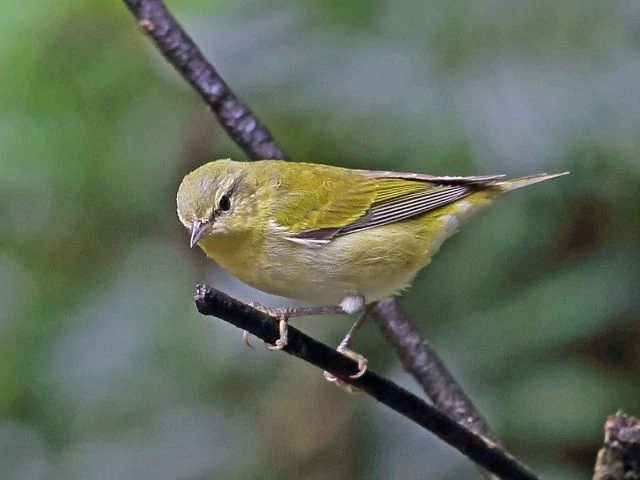
Tennessee Warbler: Despite its name, the Tennessee Warbler rarely nests in Tennessee. It breeds far to the north, primarily in the boreal forests of Canada and the northern United States. It's only a common sight in Tennessee during its spring and fall migrations.
Cape May Warbler: Like the Tennessee Warbler, the Cape May Warbler doesn't breed in Cape May, New Jersey. Its name is derived from the location where the first documented specimen was collected, long before its true northern breeding range was discovered. It is, however, a reliable sight there during the peak of migration.

Philadelphia Vireo: You won't find the Philadelphia Vireo breeding in the City of Brotherly Love. It nests in northern North America, well into Canada, and passes through the mid-Atlantic region on its way to its southern wintering grounds.
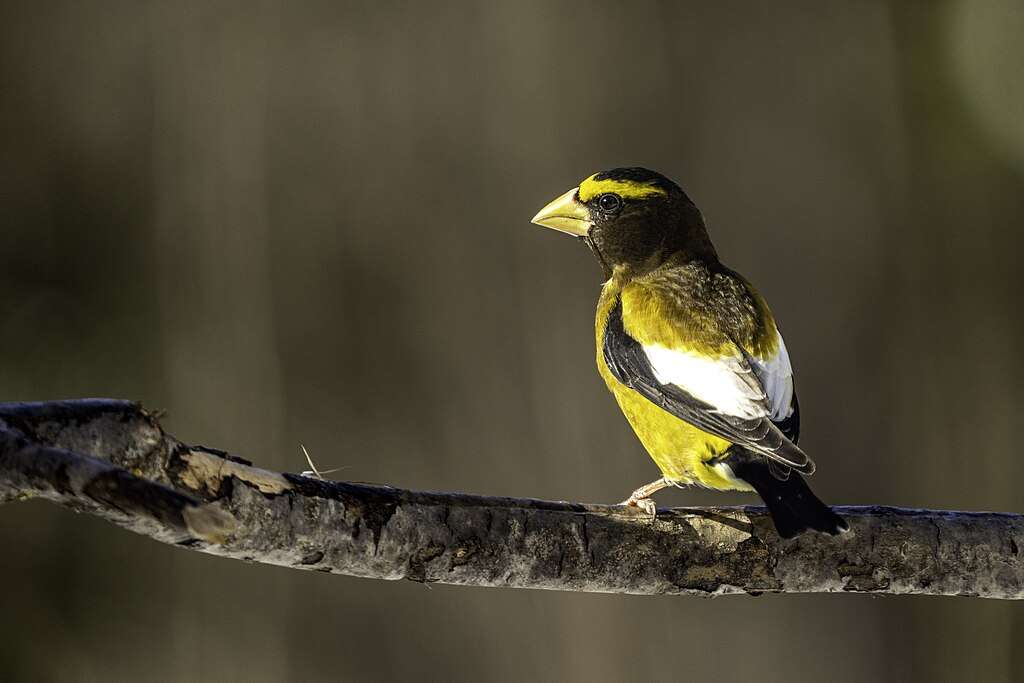
Evening Grosbeak: This name suggests a nocturnal habit, but the Evening Grosbeak is active all day, just like most perching birds. It was likely named by a naturalist who first observed it feeding voraciously just before dusk when the birds settle in for the night.

The Turkey Trots a Map: Perhaps the most geographically confused name is the Turkey. The name comes from an old European misunderstanding; the American bird was erroneously associated with the "Guinea fowl," which was originally imported into Europe via North African traders and thought to have come from the country of Turkey. Even more confusingly, in French, the bird is called dinde (short for d'Inde, meaning 'from India'), and in Portuguese, it is called peru.
Visual and Behavioral Misnomers: A Field Guide Nightmare
Perfect Fit: The Wonderful World of Self-Descriptive Bird Names
Some names are misleading because the feature they highlight is either invisible in the field or incorrectly interpreted.
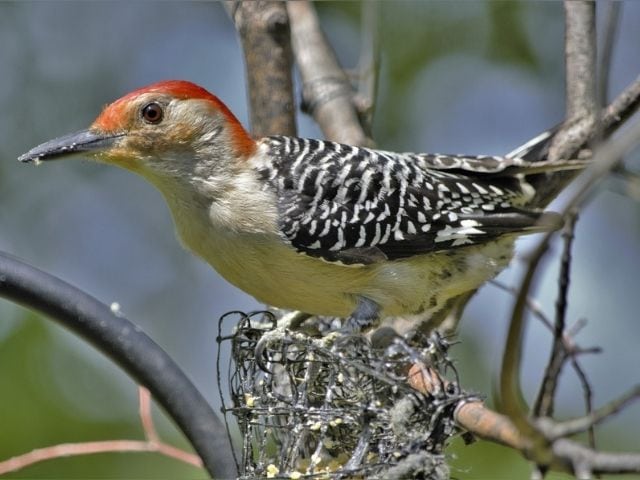
Red-bellied Woodpecker: The name is a classic misnomer. The primary features of this bird are its bold, ladder-backed pattern and the solid red cap on the male's head. The "red belly" is a pale, faint reddish wash that is almost impossible to see in the field, making the name useless for identification.
Ring-necked Duck: This duck's name suggests a prominent ring around its neck, but the bird is easily identified by the white ring around its bill. While a subtle, dark chestnut ring does exist on the male's neck, it is extremely difficult to spot without the bird in hand (a feature likely observed by the museum ornithologists who named it).
Bald Eagle: The Bald Eagle is not bald. The name is a relic of an older English usage of the word "bald," meaning white-headed or having a white patch, a feature clearly visible in the striking plumage of the adult bird. Its scientific name, Haliaeetus leucocephalus, translates accurately to "white-headed sea-eagle."

Loggerhead Shrike: The name Loggerhead is an old term for a "blockhead" or a stupid person, or, in a slightly more relevant context, simply meant "big head." While the shrike is a powerful predator, it is not notably stupid. Its name is a historical fossil, retaining a meaning that has largely disappeared from modern English, referring to its proportionally large head.
Unfortunate and Inappropriate Names
A number of bird names raise an eyebrow due to their surprising use of slang, profanity, or macabre references. These names are almost universally rooted in older linguistic meanings that have since evolved into modern vernacular.
The "Boobies" and "Tits"
Booby: Seabirds like the Blue-footed Booby and Brown Booby were named after the Spanish word bobo, meaning "foolish" or "clown," because of their apparent clumsiness on land and their tendency to land on sailing ships where they were easily captured by early sailors. The name has nothing to do with the modern slang term.

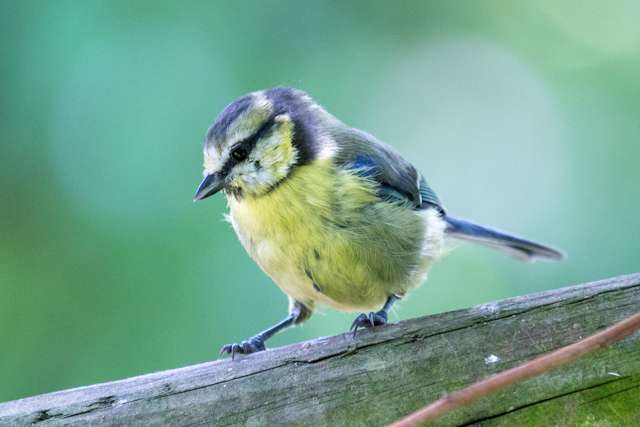
Brown Booby Great Tit, Blue Tit, Bush-Tit: The word "tit" in these names comes from the Old English word tit, which simply meant "little" or "small," referring to the diminutive size of these birds. The name has been in use for centuries, predating its current informal meaning.

Macabre and Humorous Names
Satanic Goatsucker (Satanic Nightjar): This name is a blend of two historical myths. "Goatsucker" comes from the Latin genus name Caprimulgus, meaning "goat-milker," stemming from the ancient (and false) belief that these nocturnal birds stole milk from goats. The "Satanic" or "Diabolical" modifier was added due to local folklore in Indonesia that ascribed malevolent or devilish qualities to this bird.
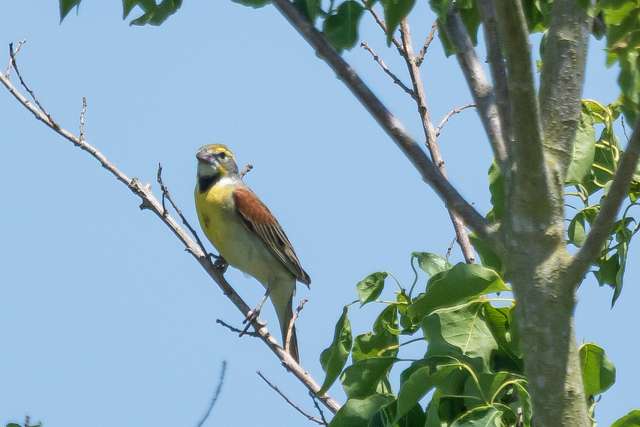
Dickcissel: This North American bunting gets its odd-sounding name from the onomatopoeia of the male's simple, buzzing song, which is phonetically rendered as "dik-dik-ceessa-ceessa." The name is purely an acoustic description.
American Woodcock: This bird is well-known for its whimsical alternative nicknames, such as "Timberdoodle" and "Bogsucker," which arose from its comical, waddling walk and its habit of probing soft earth for worms.
The history of bird naming is a wild journey through etymology, discovery, and occasionally, misapprehension. While some names may be frustrating to the novice birder, their confusing or inappropriate nature only serves to remind us that language is a constantly evolving, living thing, and that even the most straightforward-sounding name might hide a tale centuries in the making.
