

Bird watching, or birding as it’s known to enthusiasts, is often perceived as a tranquil, contemplative activity—a gentle communion with nature. Yet, beneath the serene surface of binoculars and field guides lies a fiercely competitive subculture defined by meticulous record-keeping, extraordinary travel, and the intense pursuit of rarity. For many, the goal shifts from simple enjoyment to the challenging quest to grow one's "list"—whether a life list, a state list, or an annual list—transforming the hobby into a global, high-stakes game.
This competitive drive is rooted in the finite nature of avian taxonomy and geography. To "win," or simply to achieve a respectable list total, requires dedication, skill, and often, significant expense. The drama of competitive birding unfolds where two factors intersect: the unpredictability of vagrants (birds that wander far outside their expected range) and the rigorous, scientific process required to validate their sightings.
The Culture of the List: Quantifying the Experience
The core of competitive birding is the list. These are personal tallies that serve as both a score card and a chronicle of one's birding life. The most prestigious lists include:
- The Life List: All species ever seen by an individual.
- The ABA Area List: Species seen within the American Birding Association’s region (U.S. and Canada). This is the gold standard for North American birders.
- The State/County List: Regional tallies that drive local competition.
- The Big Year: A frantic, all-consuming effort to see the most species within a defined geographical area in a single calendar year, popularized by books and films like The Big Year.
For serious list-chasers, a bird is only "countable" if it meets specific criteria: it must be alive, wild, and adequately identified. The pressure to add a rare species to a list creates the intense competitive environment, particularly when a bird is detected far outside its normal range. This leads to the phenomenon of the "twitch."
The Thrill of the "Twitch": Birding's Long-Distance Dash
When a truly rare vagrant—a bird blown off course by a storm, or simply one that has lost its way—is reliably reported in an accessible location, the effect is immediate and dramatic. The sighting triggers a twitch, a spontaneous pilgrimage of competitive birders who drop everything to travel vast distances for a single, often fleeting glimpse of the bird.
- The Effort vs. Reward: A twitch might involve flying across the continent, driving for twelve hours through the night, and spending hundreds or thousands of dollars, all for a bird that may be present for only a day or two. The pressure is immense: if the bird flies away or is not refound, the effort is for naught.
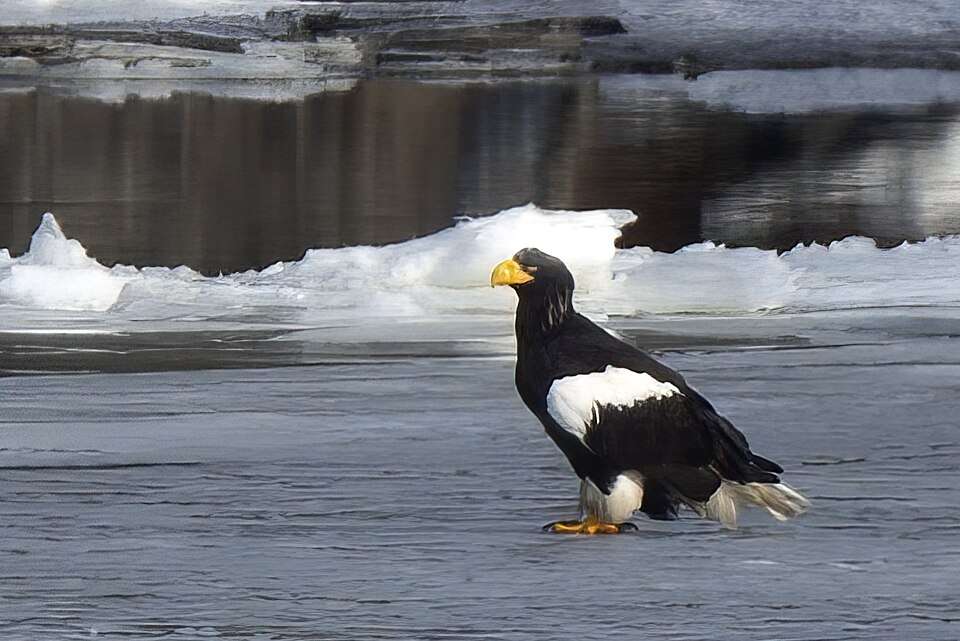
- Economic Impact: The twitch phenomenon creates an informal, small-scale economic boom. Local hotels, gas stations, and diners near a major rare bird sighting often see a sudden influx of customers. The discovery of a Black-browed Albatross in California, a Steller's Sea-Eagle in Maine, or a rare Asian flycatcher on a remote island can draw hundreds of people within days.

- The Ethical Line: The twitch requires birders to adhere to an unwritten ethical code: prioritizing the welfare of the bird over the list. This means staying a respectful distance, avoiding excessive noise, and respecting private property—all challenges when dozens of people are vying for the perfect view of a stressed animal.
The Gatekeepers of Rarity: The Rigorous Evidence Process
The competitive pursuit of rare birds requires a system to ensure scientific integrity. This is where the Bird Records Committee (BRC) system, coordinated in the U.S. by state and regional committees (often in conjunction with the ABA), becomes the objective arbiter of the game.
The Challenge of Documentation
A rare bird is not accepted onto a bird’s list, or the official state checklist, until the record has been meticulously vetted. The sighting of a major vagrant must be backed by rigorous evidence because, if accepted, it permanently alters the known distribution of the species and becomes a scientific datum.

The documentation process is multi-staged and exacting:
- The Submission: The observer must submit a detailed written report to the relevant BRC. This report must document every observation, including lighting, distance, weather, and a minute-by-minute description of the bird's appearance and behavior. It must precisely outline how all similar, more common species were ruled out.
- Visual Evidence: In the age of digital media, photographs, video, or audio recordings are the gold standard. A high-quality photo that clearly shows a diagnostic field mark is often enough to confirm a record, but low-quality or distant shots may still be rejected.
- The Vote: The BRC members—a panel of expert birders and ornithologists—vote on the record's acceptance, usually requiring a high bar (e.g., 7 or 8 votes out of 9) for final approval. The process is blind, meaning committee members often vote on the evidence without knowing the identity of the original observer, ensuring objectivity.
The Consequences of Rejection
A record that fails to pass the BRC is "not accepted" or "rejected." This does not mean the bird was not seen, but rather that the evidence provided was insufficient to rule out all other possibilities. For the competitive birder who made the initial report and for all the birders who twitched the sighting, a rejection means the bird cannot be added to their official list.
This system maintains the integrity of regional lists, prevents misidentifications from becoming scientific errors, and elevates birding from a casual activity to one backed by scientific rigor.

The Ethical Dimension and The Future of Competitive Birding
The competitive drive often pushes birders to their physical limits, testing their resilience in remote locations. However, the pursuit of the list has a beneficial side effect: it generates a massive amount of valuable citizen science data. Every official rare bird record contributes to a greater understanding of avian vagrancy, climate change impacts, and migratory patterns.
The competition is a self-regulating mechanism. The BRC process forces birders to hone their identification skills and master detailed documentation. The need for evidence means that simply "seeing" a rare bird is not enough; one must be able to prove it was seen.
Ultimately, the competitive spirit in birding transforms a solitary hobby into a shared, challenging endeavor. It drives incredible feats of travel and documentation, ensuring that while the list total is personal, the knowledge gained about the world's most fascinating creatures is a lasting gift to science. The quiet pursuit of birds becomes a thrilling, high-stakes game where nature is the ultimate judge and the reward is a hard-earned tick on a meticulously maintained list.
