
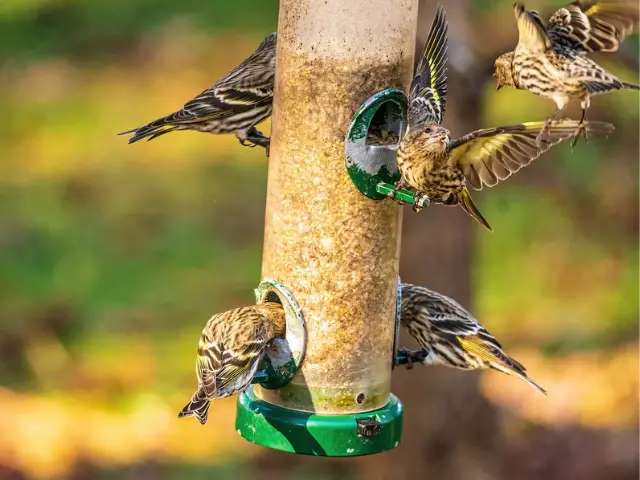
There is perhaps no more direct or rewarding way to connect with the natural world than by putting up a bird feeder. The flash of a cardinal's brilliant red, the energetic flutter of a chickadee, or the melodious song of a finch can transform a simple backyard into a vibrant, living theater.
Americans spend millions of dollars each year on bird seed and feeders, creating a national pastime that brings joy to millions. However, a well-intentioned bird-feeding setup can sometimes become a source of frustration—or worse, a hazard to our feathered friends. From attracting unwanted guests to spreading disease, many common mistakes can turn a backyard oasis into a problem.
This article delves into the most frequent bird-feeding blunders and provides practical, U.S.-centric solutions to ensure your feeding station is a safe and joyful haven for local birds.
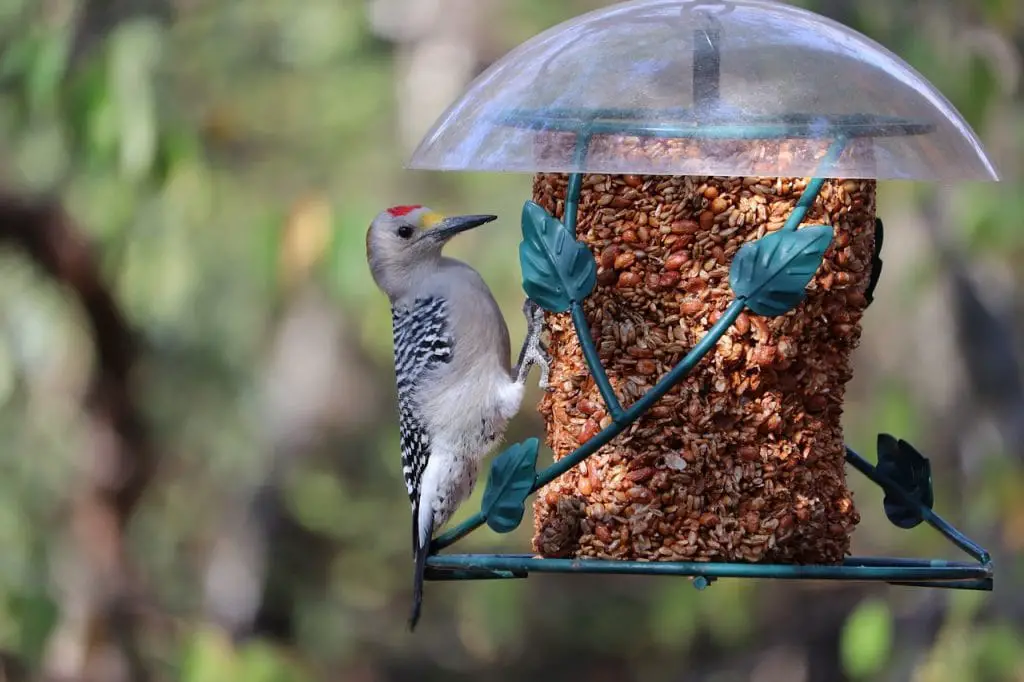
Mistake #1: The All-Purpose Seed Trap
One of the most common errors is assuming that a single bag of "mixed birdseed" will satisfy all the birds in your area. Many of these generic mixes are filled with cheap, filler seeds like milo, red millet, and wheat that most desirable songbirds simply won't eat.
The result?
A pile of uneaten, spoiled seed on the ground, which attracts rodents and can grow mold, becoming a health hazard.
The Fix
Think like a chef for your avian visitors. Instead of a one-size-fits-all approach, offer a variety of specific, high-quality seeds.
Black Oil Sunflower Seeds: This is the undisputed king of birdseed. It's a favorite of cardinals, chickadees, finches, and nuthatches. Its thin shell is easy for most birds to crack.
Safflower Seeds: A bitter seed that squirrels and starlings dislike, making it a great option for attracting cardinals, chickadees, and doves while deterring pests.
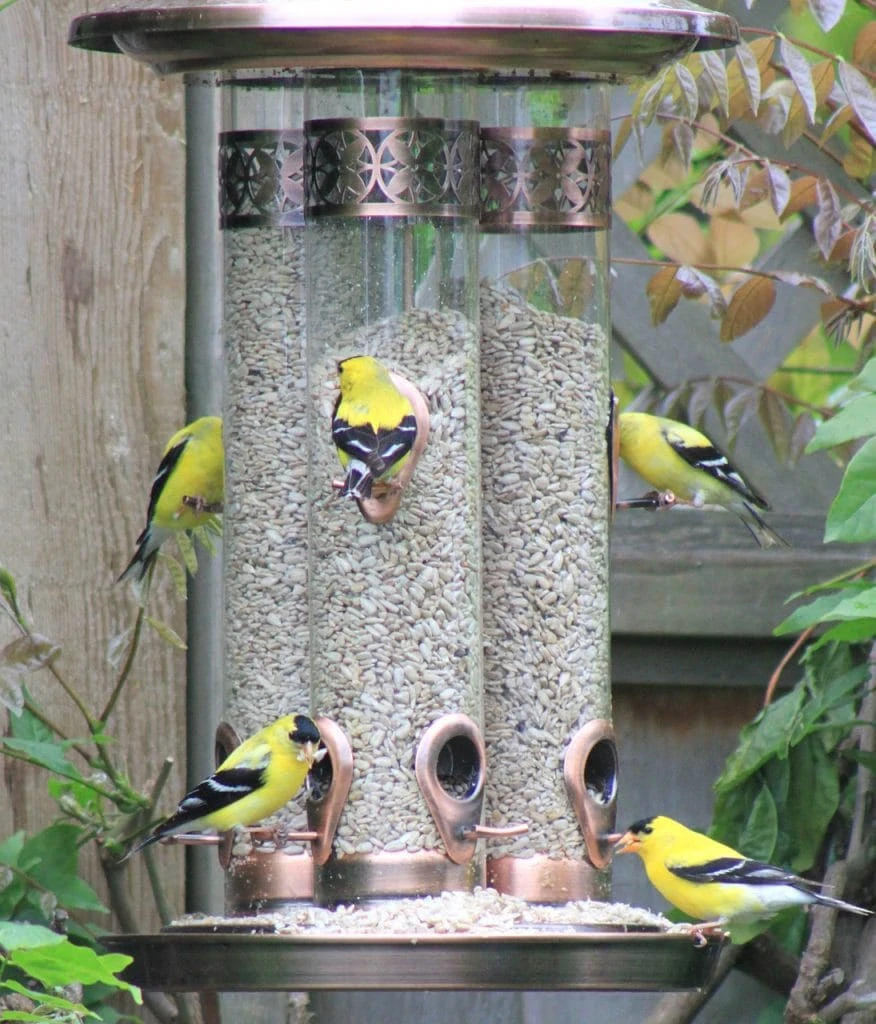
Nyjer (Thistle) Seeds: These tiny seeds are a magnet for goldfinches and other small finches, but they require a specific feeder with small ports.
Suet: A must-have for woodpeckers, wrens, and nuthatches, especially during the cold winter months. It provides a high-calorie energy boost.
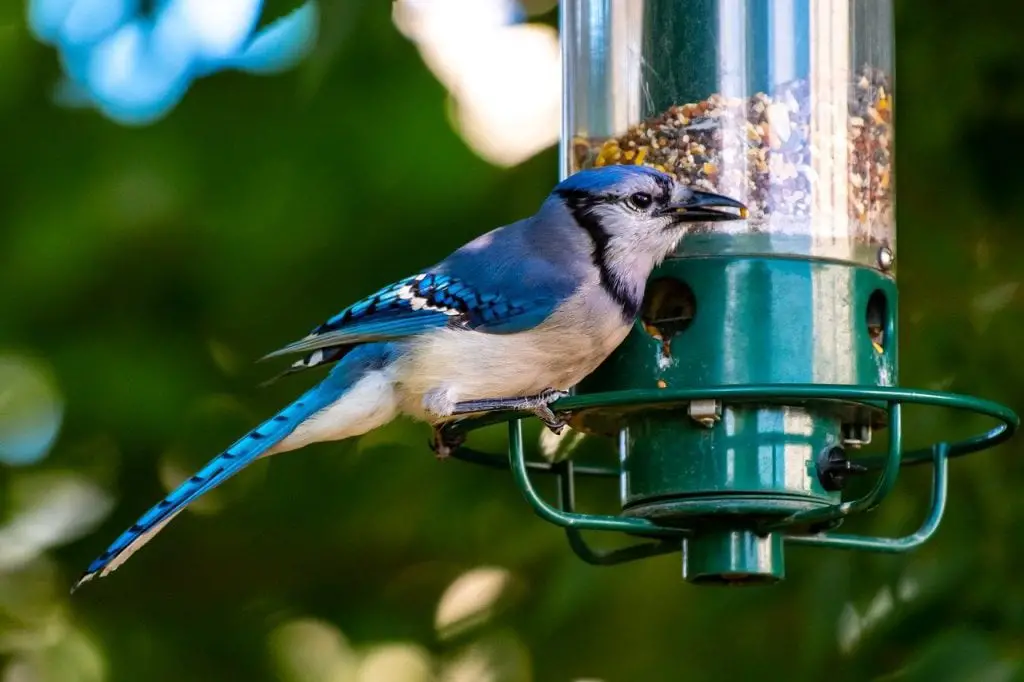
Shelled Peanuts: Loved by jays, titmice, and woodpeckers. Offer them in a specialized feeder to prevent large birds from hoarding them.
By offering a tailored menu, you not only reduce waste but also attract a wider and healthier variety of birds.
Mistake #2: The Grimy Guesthouse
A bird feeder, no matter how well-stocked, can become a breeding ground for harmful bacteria and viruses if not cleaned regularly. Diseases like salmonella can spread quickly among birds that are feeding in close quarters, leading to widespread sickness and even death. The sight of a bird with crusty eyes, a sign of conjunctivitis, is a heartbreaking reminder of this risk.
The Fix
Make cleaning your bird feeders a routine.
Frequency: Aim to clean feeders every two weeks, or more often during wet or hot weather. If you notice sick or lethargic birds, clean the feeders immediately.
The Method: First, empty all the old seed. Then, use a stiff brush and a solution of one part bleach to nine parts water to scrub the feeder thoroughly. Rinse it completely with fresh water and allow it to dry completely before refilling.
Clean the Ground: Rake up and dispose of any old seed and hulls from beneath the feeder to prevent mold and bacteria from building up.
Remember, a clean feeder is a healthy feeder. Your diligence will be rewarded with a vibrant, healthy flock of visitors.
Mistake #3: The Squirrel and Feline Free-for-All
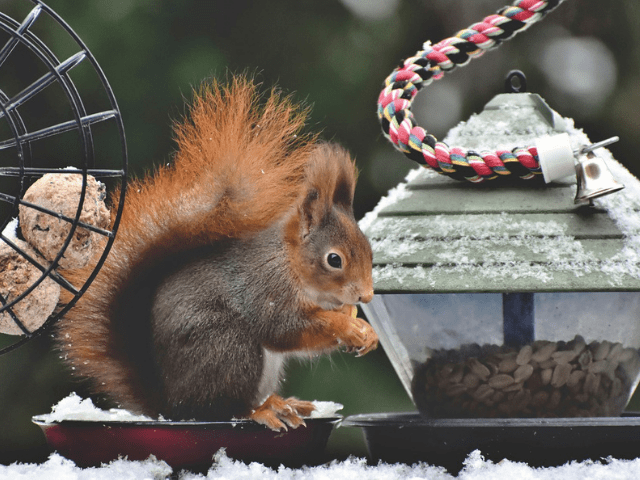
Squirrels and neighborhood cats are two of the biggest threats to a successful bird-feeding operation. A single squirrel can decimate a feeder's contents in a matter of hours, and a roaming cat can turn your feeding station into a hunting ground.
The Fix
Be proactive and outsmart these common backyard predators.
Squirrel-Proof Feeders: Many feeders on the market are designed to be squirrel-proof, with weight-activated perches that close off access to the seed when a squirrel lands on them. While no feeder is 100% foolproof, these designs are highly effective.
Placement is Key: Place your feeder at least 10 feet away from any tree trunk or structure that a squirrel could use as a launching pad.
Baffles: A squirrel baffle, a dome- or cone-shaped device placed above or below the feeder, can prevent squirrels from reaching the seed.
Protect Against Cats: Cats are a major threat to birds. Keep cats indoors, especially during the morning and evening when birds are most active. If your neighbors' cats roam, place feeders high off the ground in open areas, away from low-hanging shrubs that can provide a hiding spot for an ambush.
Placing a thorny plant beneath the feeder can also deter lurking predators.
Mistake #4: The Bad Feeder Placement
Putting a feeder in the wrong spot can lead to disaster. Placing a feeder too close to a window, for example, is a primary cause of deadly bird strikes. Birds, disoriented by the reflection of the sky or vegetation, may fly into the glass at full speed.
The Fix
Be strategic with your feeder's location.
Near-Window Placement: To prevent window strikes, place the feeder either less than 3 feet from the window or more than 30 feet away. A feeder that is very close will make it difficult for birds to build up enough speed to injure themselves, while one that is far away gives them a chance to recognize the glass as a solid object.
Use Window Decals: Apply decals, bird tape, or hanging items to the outside of your window to make it more visible to birds.
Provide Perches and Shelter: Birds feel safer when they have a quick escape route. Place your feeder within a reasonable distance (not too close, not too far) from a dense shrub or tree where they can quickly seek shelter from a predator. This will also give them a place to land and wait their turn at the feeder.
Mistake #5: Abandoning the Feeder in Summer
Many people take their feeders down in the summer, assuming birds have ample natural food sources. While it's true that natural food is more abundant in summer, feeders still play a vital role. Leaving a feeder empty can also be a problem, as it can cause birds to return repeatedly to a foodless station, wasting energy and time they could spend foraging elsewhere.
The Fix
Keep the feeders up year-round.
Summer is a Great Time to Feed: Summer feeding is particularly rewarding as you'll see a mix of adult birds and their young. It's a fantastic opportunity for new generations of birds to learn about your feeding station.
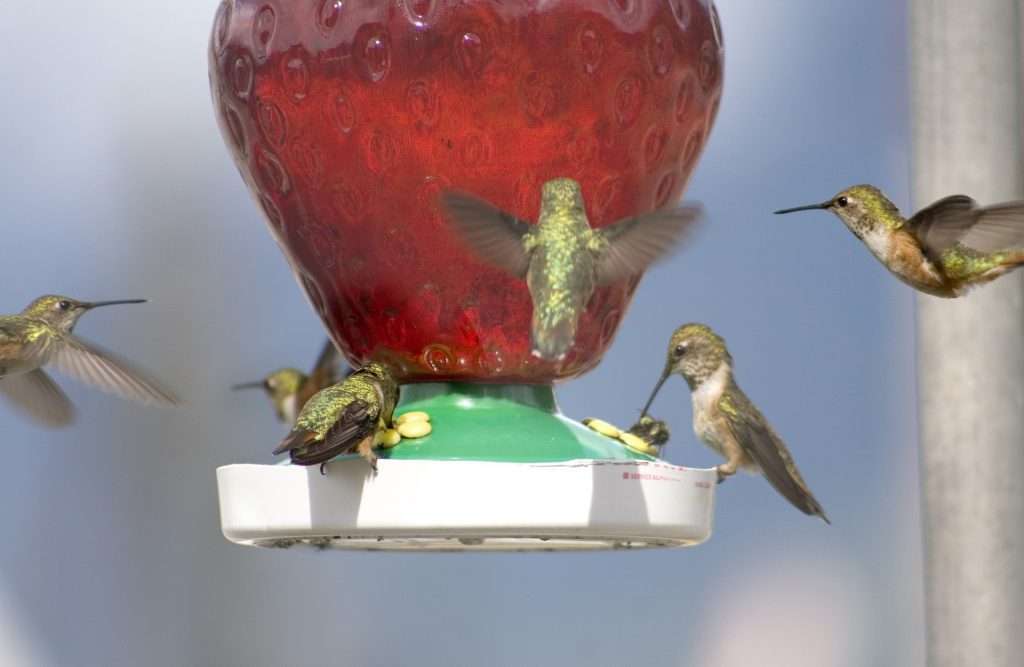
Change the Menu: In the summer, consider offering different fare. Hummingbird feeders with a simple sugar water solution are a must. Offer oranges or grape jelly for orioles, and be sure to put out a birdbath, as a reliable water source is just as important as food during hot, dry spells.
Stay Consistent: If you plan to feed birds, make it a consistent habit. Birds will come to rely on your feeder, and suddenly removing it, especially in the winter, can be a negative shock to their food-finding routine.
Wrapping Up
By avoiding these common mistakes and adopting a few simple best practices, you can ensure your backyard is a safe, healthy, and inviting place for birds. The effort will be repaid tenfold in the sheer joy of watching a community of birds thrive, right outside your window.
Read here on how to set up a feeder properly.
