
The Colorado River is often called the "lifeline of the West," usually in the context of the 40 million people it sustains or the 5 million acres of farmland it irrigates. But for birdwatchers, the river is something more: a vital migratory superhighway and a shimmering oasis in an otherwise arid landscape.
Spanning seven U.S. states and two Mexican states, the Colorado River Basin is one of the most ecologically diverse regions in North America. From the alpine tundra of the Rocky Mountains to the subtropical marshes of the Delta, the basin provides a sanctuary for over 400 species of birds. If you are looking to plan the ultimate Western birding road trip, here is why the Colorado River Basin belongs at the top of your list.
The Upper Basin: High Altitude and Riparian Gems
In the Upper Basin—encompassing parts of Colorado, Wyoming, Utah, and New Mexico—the river begins as cold, clear snowmelt. Birding here is defined by dramatic elevation shifts.
Rocky Mountain National Park (Colorado)
At the river's headwaters, you’ll find species adapted to the "roof of North America."
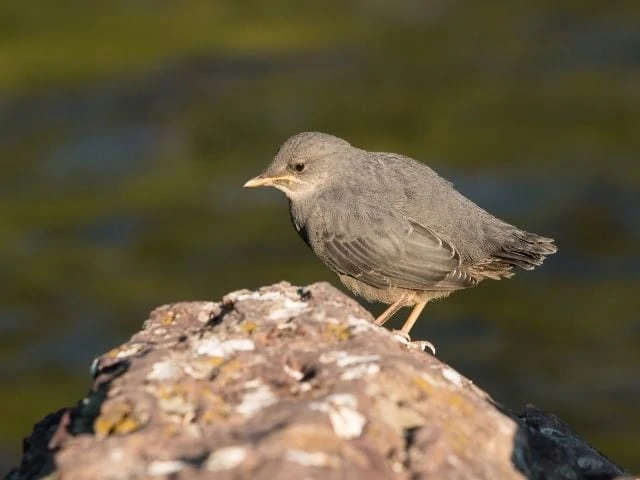
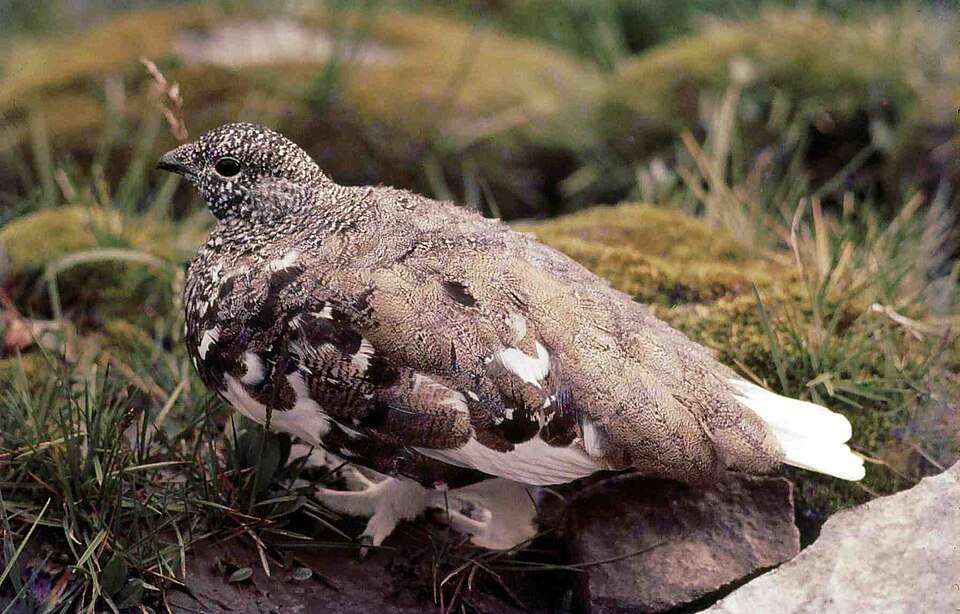
Target Species: White-tailed Ptarmigan (look for them in the alpine tundra), Dusky Grouse, and the American Dipper—North America’s only truly aquatic songbird, which can be seen bobbing on rocks in the river’s icy currents.
The Experience: High-altitude birding requires patience and a good pair of lungs, but the payoff is seeing specialized species that rarely venture into the lowlands.
The Gunnison Basin (Colorado)
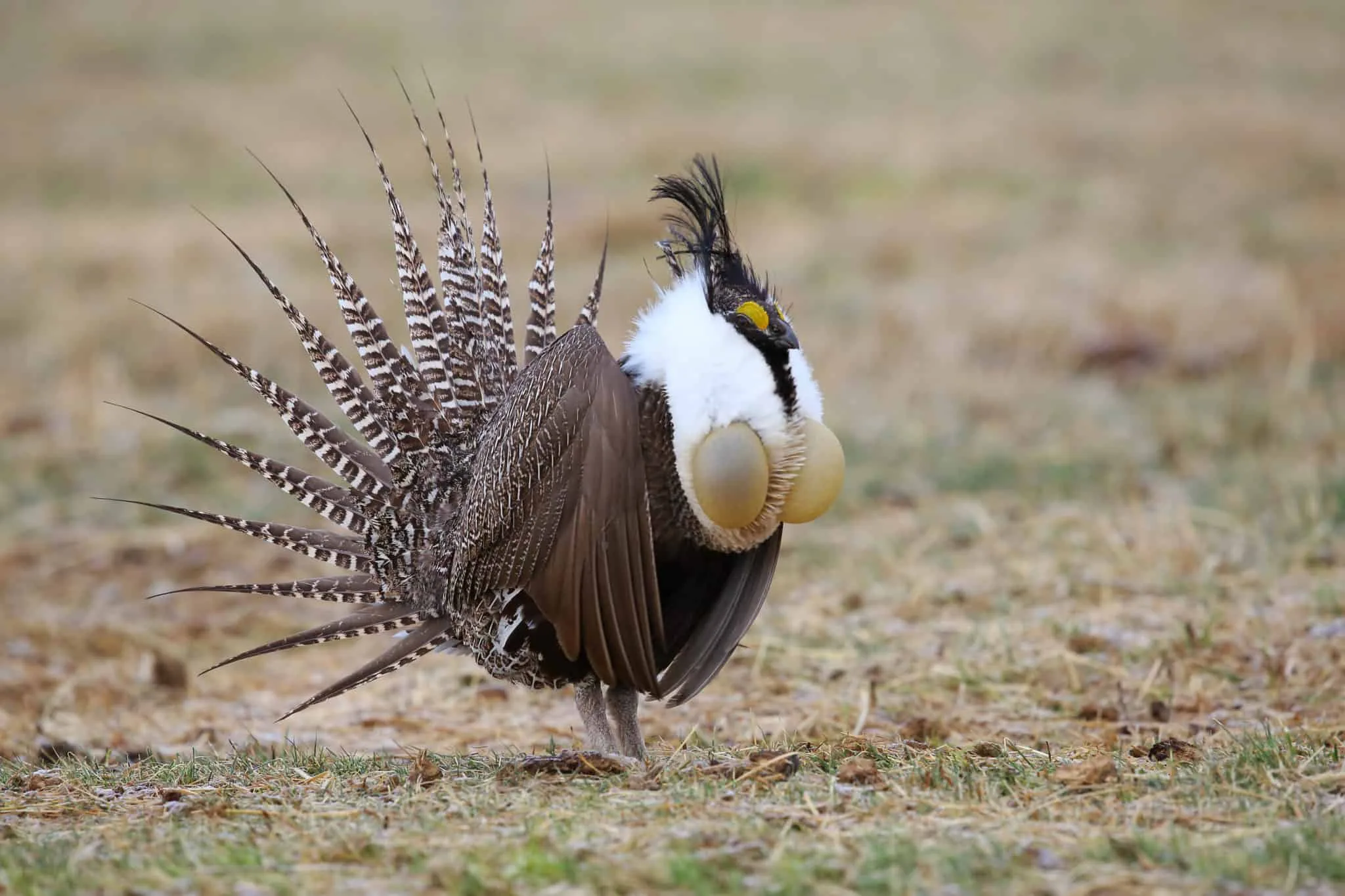
South of the main stem lies the Gunnison River, a major tributary and home to one of the rarest birds in the country: the Gunnison Sage-Grouse.
The Draw: While their spectacular mating dances occur in the spring, the sagebrush sea of the Gunnison Basin is a year-round haven for Sage Thrashers and Brewer’s Sparrows.
The Middle Basin: Canyons and High Deserts
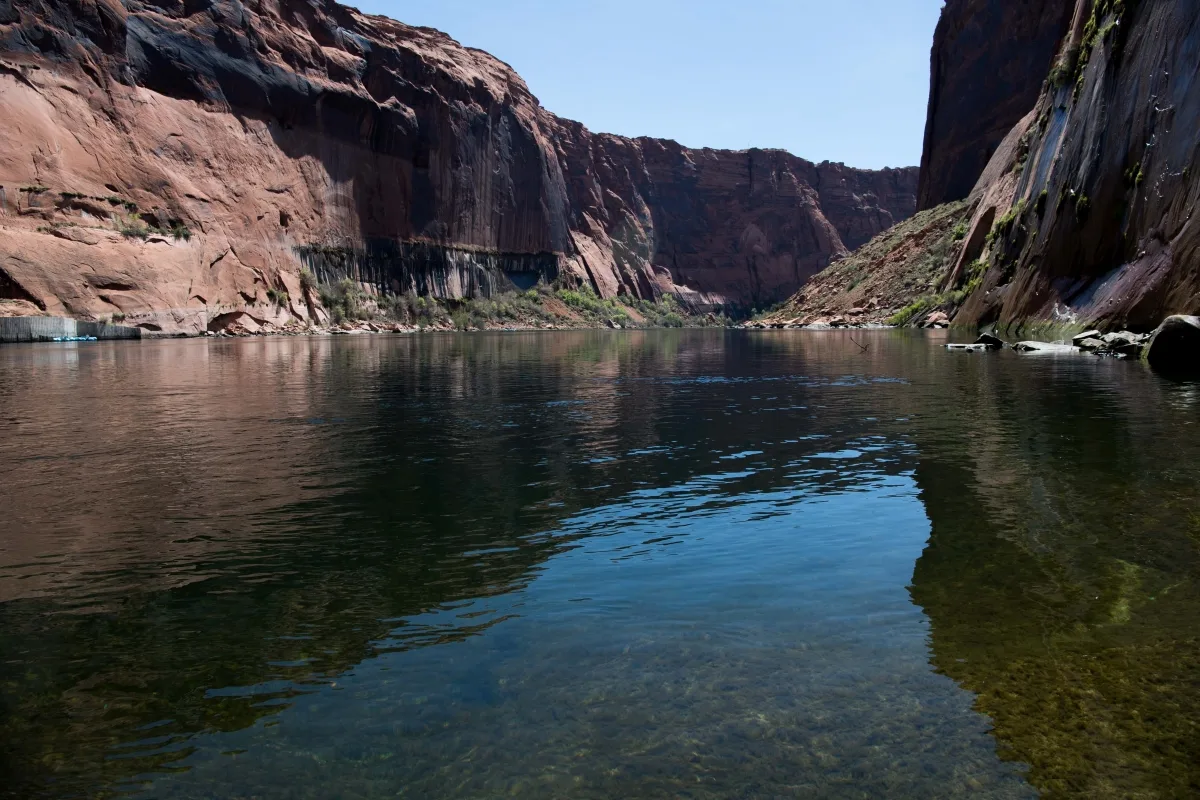
As the river carves through the red rock country of Utah and Arizona, it creates narrow ribbons of green (riparian zones) that act as magnets for weary migrants.
The Grand Canyon (Arizona)
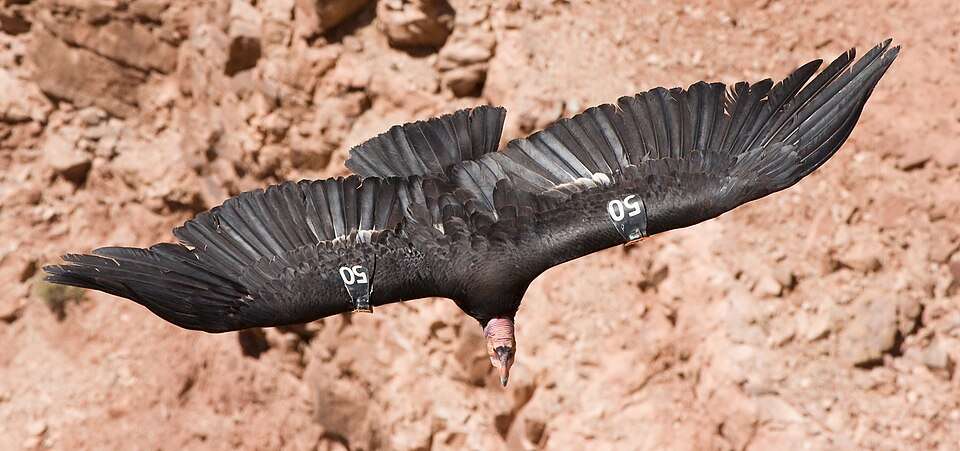
While most visitors look down at the geology, birders should look up. The Grand Canyon is one of the premier places in the world to see the California Condor.
The Recovery: Once on the brink of extinction, these massive scavengers—with wingspans reaching 9.5 feet—can often be seen soaring over the South Rim or perched near Navajo Bridge.
Other Gems: Keep an eye out for Peregrine Falcons and Canyon Wrens, whose cascading, liquid song is the unofficial soundtrack of the Southwest.
The Lower Basin: A Winter Paradise
The Lower Colorado River Valley (LCRV), stretching from Lake Mead to the Mexican border, is where the birding intensity truly ramps up. This region is a critical stopover on the Pacific Flyway.
Havasu National Wildlife Refuge (Arizona/California)
This refuge is a lush contrast to the surrounding Mojave Desert. Its marshes and backwaters are vital for wintering waterfowl and neotropical migrants.
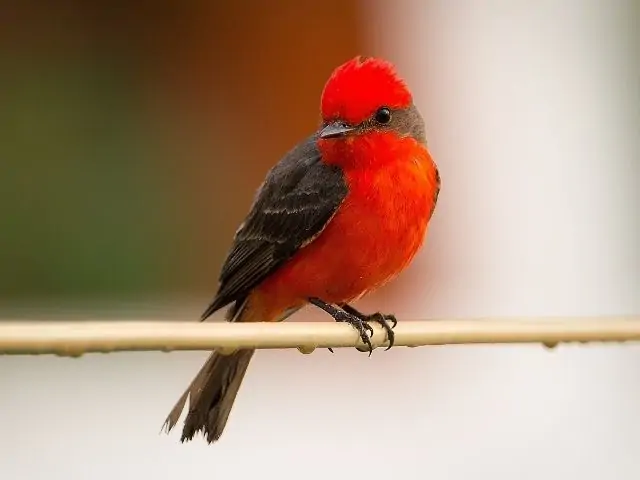
Target Species: In the winter, expect thousands of Snow Geese and Northern Pintails. In the spring, the "willow-flycatcher" and the stunning Vermilion Flycatcher—a bird that looks like a living ember—dart through the mesquite.
Rarity Alert: Because the LCRV acts as a funnel, it is a hotspot for "vagrants" (birds blown off course). Species like the Blue-footed Booby have been known to make surprise appearances here.
Bill Williams River National Wildlife Refuge (Arizona)
This is arguably the most important riparian habitat left in the entire basin. It contains the last high-quality stands of native cottonwood and willow trees.
Biodiversity: Because of the intact habitat, you can find Gila Woodpeckers, Bell’s Vireos, and the elusive Yellow-billed Cuckoo.
The Modern Challenge: A Basin in Flux
It is impossible to discuss birding in the Colorado River Basin without acknowledging the environmental crisis. Decades of drought and over-allocation have left the river's two largest reservoirs, Lake Powell and Lake Mead, at historic lows.
For birders, this means the landscape is changing in real-time. As water levels drop, traditional nesting sites vanish, and the increased salinity of the water affects the brine shrimp and fly populations that many birds rely on for food. However, there is a silver lining: some of the receding shorelines have created new mudflats, providing temporary habitat for shorebirds like American Avocets and Black-necked Stilts.
Conservation Note: Organizations like Audubon are currently working on the "Post-2026 Guidelines" for the river, advocating for water management policies that prioritize both human needs and the survival of the riparian habitats that birds depend on.
Tips for Your Trip
Timing is Everything: Spring (April–May) offers the best variety of migrants. However, winter (December–February) is spectacular for raptors and waterfowl in the Lower Basin.
Respect the Heat: If you’re birding the Lower Colorado in the summer, be off the trail by 10:00 AM. Temperatures frequently exceed 115°F.
Use eBird: The Colorado River Basin is vast. Use eBird "hotspot" maps to see recent sightings at places like the Parker Oasis or the Yuma wetlands.
Conclusion
Birding the Colorado River Basin is more than just checking species off a list; it is a way to witness the pulse of the American West. Every Western Tanager or Sandhill Crane you spot is a testament to the river’s enduring power to sustain life. By visiting these sites, you aren't just a spectator—you are a witness to one of the most important conservation stories of our time.
What’s on your life list? Are you dreaming of seeing a California Condor over the Grand Canyon, or is the tiny Vermilion Flycatcher more your style? Let us know your "must-see" bird in the comments below!
