

Colorado, with its diverse landscapes ranging from towering Rocky Mountain peaks to sprawling Eastern Plains, offers some of the most spectacular and varied birdwatching opportunities in the United States. Situated along the Central Flyway, the state is a critical stopover and breeding ground for hundreds of avian species, attracting birders from around the globe.
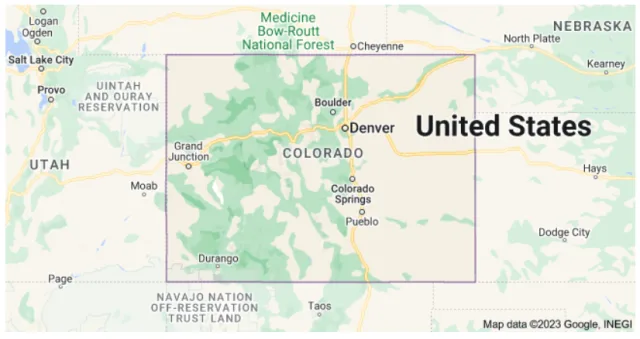
While the high country is known for its mountain specialties, the vast eastern grasslands and reservoirs provide equally rich—and often easier—access to a stunning array of waterfowl, shorebirds, and prairie species. This article explores the hidden gems of Colorado's birding scene, highlighting two particularly productive areas on the plains: the extensive habitat of South Republican State Wildlife Area (SWA), known for its mix of prairie and riparian birds, and Jackson Lake State Park, a vital "oasis in the plains" that acts as a major migrant trap, drawing in massive flocks of waterfowl and shorebirds during migration. Whether you're a seasoned ornithologist or a casual nature enthusiast, Colorado's eastern reservoirs and wildlife areas promise rewarding encounters with its diverse feathered inhabitants.
Rocky Mountain Arsenal NWR
The Rocky Mountain Arsenal National Wildlife Refuge (NWR) is a remarkable conservation success story located just ten miles northeast of downtown Denver, making it one of the largest urban wildlife refuges in the nation. The refuge occupies nearly 16,000 acres, a former chemical weapons manufacturing site that underwent a massive environmental cleanup to become a sanctuary for wildlife.
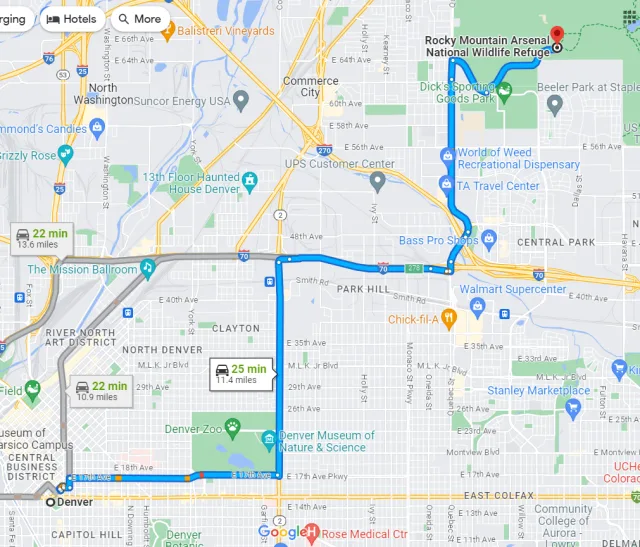
Its geography is dominated by mixed-grass and shortgrass prairie, interspersed with vital pockets of wetland and riparian habitats, including man-made lakes and ponds like Lake Ladora and Lake Mary. This unique blend of open grassland and water makes the refuge an accessible and diverse haven, offering stunning views of native wildlife, including a reintroduced bison herd, with the backdrop of the Denver skyline and the distant Rocky Mountains.
This proximity to a major metropolitan area combined with its diverse habitat creates phenomenal birdwatching opportunities year-round, with over 280 species recorded. The wide, open prairie is an excellent place to spot grassland specialties, such as the ground-nesting Burrowing Owl and the iconic Lark Bunting during the breeding season.

The lakes and ponds are critical stopovers on the Central Flyway, attracting numerous species of waterfowl (ducks, geese, and grebes) and shorebirds during migration. Furthermore, the refuge is a wintering hotspot for raptors; it is especially famous for hosting double-digit numbers of Bald Eagles in the colder months, which roost in the cottonwood trees along the water edges, alongside other birds of prey like the Ferruginous Hawk. Birders can explore the refuge via the 11-mile Wildlife Drive auto tour or along the 20 miles of easy hiking trails.
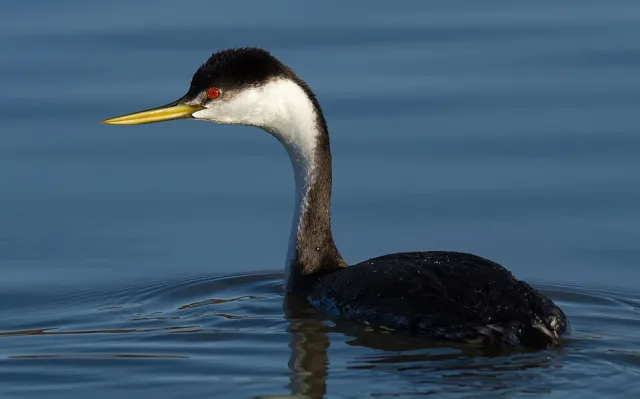
Target Birds
Black-necked and Western Grebe
Sora
American Avocet
Shore Lark
Lark Bunting
Black-crowned Night Heron
The U.S. Fish and Wildlife Service has access information and details about the Visitor Center.
Arapaho NWR
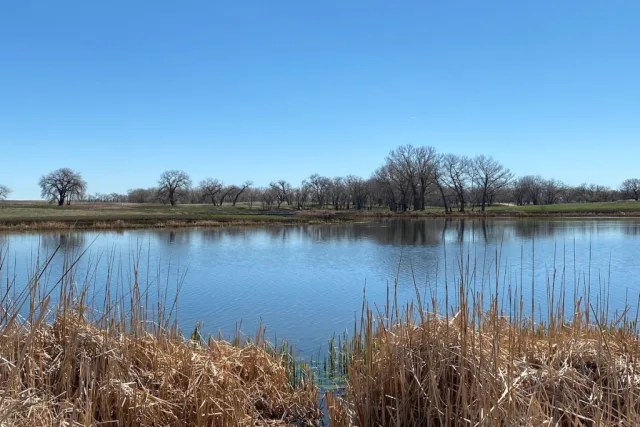
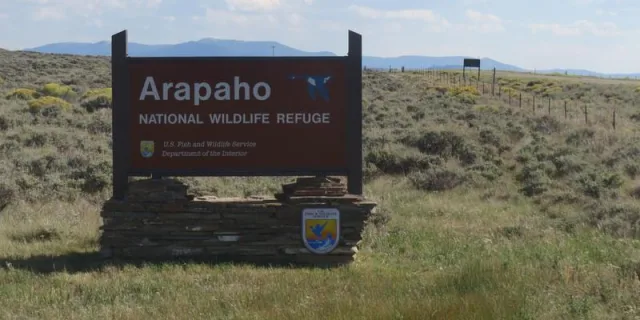
The Arapaho National Wildlife Refuge (NWR) is a high-altitude sanctuary situated in the vast, remote glacial basin of north-central Colorado known as North Park. Located south of the town of Walden, the refuge sits at a striking elevation between 8,100 and 8,700 feet above sea level, making it one of the highest National Wildlife Refuges in the contiguous United States. This intermountain park is geographically bordered by the Park, Rabbit Ears, Never-Summer, and Medicine Bow mountain ranges, with the headwaters of the North Platte River winding through its floor.
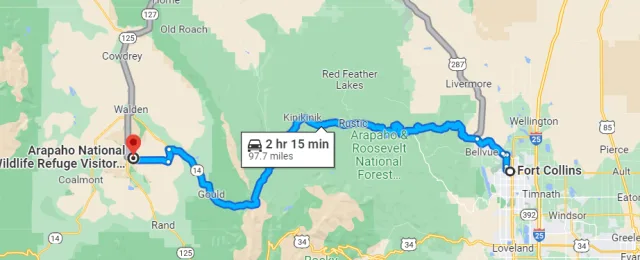
The geography is characterized by a mix of vital habitats: extensive sagebrush steppe uplands on the higher ground and irrigated wet meadows, willow riparian corridors along the streams, and managed open-water wetlands in the flood plain. The primary management goal is to enhance this diverse ecosystem, particularly to offset the loss of nesting habitat for migratory birds in the Midwest.
The unique mosaic of high-mountain wetlands and sagebrush uplands provides outstanding and specialized birdwatching opportunities, with over 200 species recorded at the Refuge. Established primarily for waterfowl, the NWR is a critical breeding and stopover site where species like Mallard, Gadwall, Northern Shoveler, and Canada Geese thrive.
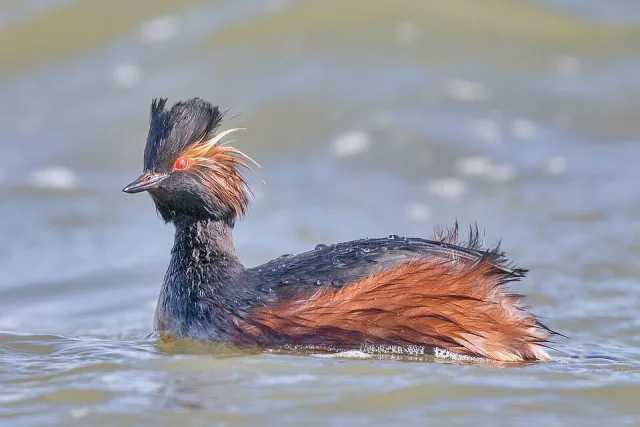
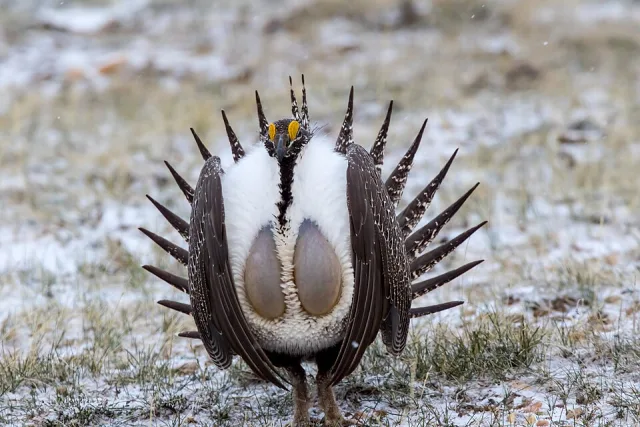
The irrigated meadows and shallow ponds are excellent for viewing shorebirds during migration, as well as nesting species like Eared Grebes and colorful Yellow-headed Blackbirds. However, the refuge's greatest distinction for birders is its upland habitat, which offers the best chance in Colorado outside the spring lekking season to spot the elusive Greater Sage-Grouse. Raptors, including Golden Eagles, Prairie Falcons, and Swainson's Hawks, frequently patrol the open skies, rounding out a truly diverse, high-plains birding experience along the NWR's self-guided auto tour route and nature trails.
Target Birds
American White Pelican
Tree, Barn and Cliff Swallow
Western Meadowlark
Say's Phoebe
Bullock's Oriole
Clay-colored Sparrow
The USFWS has interesting detail about this and other parks in the area.
Barr Lake State Park
Barr Lake State Park is a crucial ecological haven located just northeast of Denver in Adams County, Colorado, near the city of Brighton. Geographically, it is a quintessential plains reservoir, centered around a large, man-made lake fed by the Burlington Ditch from the South Platte River. The park's 2,715 acres comprise a diverse mix of habitats: open water, emergent marsh, and dense riparian corridors dominated by cottonwoods, all set against the backdrop of the high prairie.
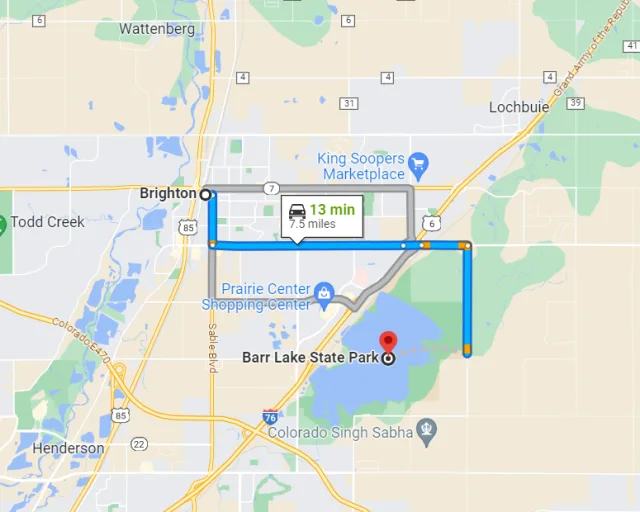
Notably, the southern half of Barr Lake is designated as a Wildlife Refuge, protecting a large area of water and shoreline from human disturbance, while the northern half allows for controlled boating and fishing. This deliberate geographical separation ensures a quiet, protected breeding and resting ground for wildlife, while the level, 8.8-mile multi-use trail encircles the entire lake, providing excellent land-based access to both sections.
This unique blend of protected aquatic habitat and accessible trails has established Barr Lake as a premier birdwatching destination, with over 370 species recorded within the park's boundaries. It serves as a vital stopover on the Central Flyway, making it exceptional for viewing large numbers of waterfowl, shorebirds, and migrating songbirds, particularly during the spring and fall migrations.

The park is most famous, however, for its raptor viewing: a resident pair of Bald Eagles nests here annually, and numerous other eagles arrive to spend the winter, making Barr Lake one of the most reliable places on the Front Range to see them. Birders can also look forward to sightings of American White Pelicans, Great Blue Herons at their rookery, various gulls and terns, and a wide array of prairie and riparian species from viewing stations, a lakeside gazebo, and a dedicated nature center that hosts the headquarters of the Bird Conservancy of the Rockies.
Target Birds
Northern Harrier
Western Grebe
Cinnamon Teal
Swainson's Hawk
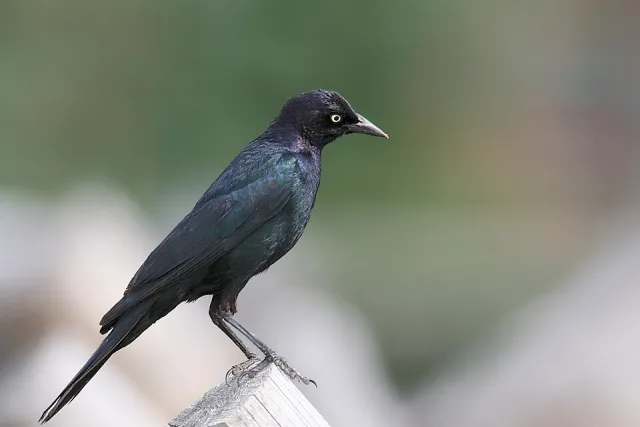
Brewer's Blackbird
Black-billed Magpie
The Colorado Parks and Wildlife website has lots of information about the park and all the recreational activities possible there.
South Republican SWA
The South Republican State Wildlife Area (SWA) is an expansive tract of land located in the remote eastern plains of Colorado, primarily in Kit Carson and Yuma counties, near the Kansas border. This vast area, which includes the former Bonny Lake State Park reservoir basin, is defined by the South Fork of the Republican River that flows through it.
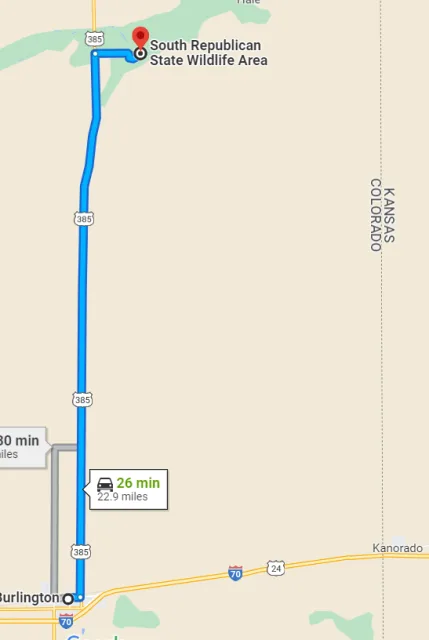
The geography is characterized by a mix of shortgrass prairie, extensive riparian corridors along the river bottom, and dense shelterbelts/hedgerows, particularly around the Hale Ponds unit. Though the large reservoir has been drained, the diverse terrestrial habitats, including grasslands and lowland riparian areas, create a crucial environmental gradient, serving as a critical refuge for wildlife far from the mountain front.
This habitat diversity makes the South Republican SWA an outstanding destination for birders looking to explore the Eastern Plains specialties. The SWA acts as a significant "migrant trap," where the limited tree cover and water sources along the river attract a wide variety of transient species during the spring and fall migrations.
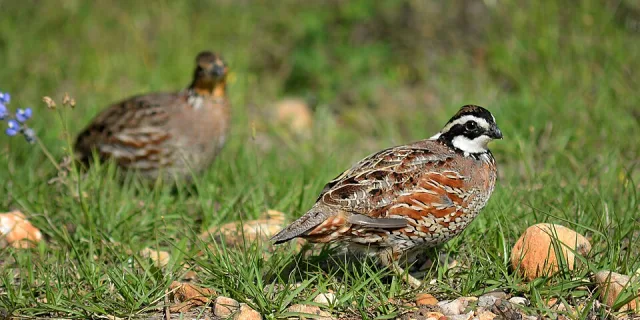
Birders can seek out Northern Cardinals and Eastern Screech-Owls in the dense hedgerows, as well as prairie specialists like Grasshopper and Cassin's Sparrows in the uplands. The mixture of cover also supports resident game birds such as Wild Turkey and Northern Bobwhite. The area's relative isolation and varied ecosystems offer one of the best chances on the plains to observe both eastern and western species at the edge of their ranges.
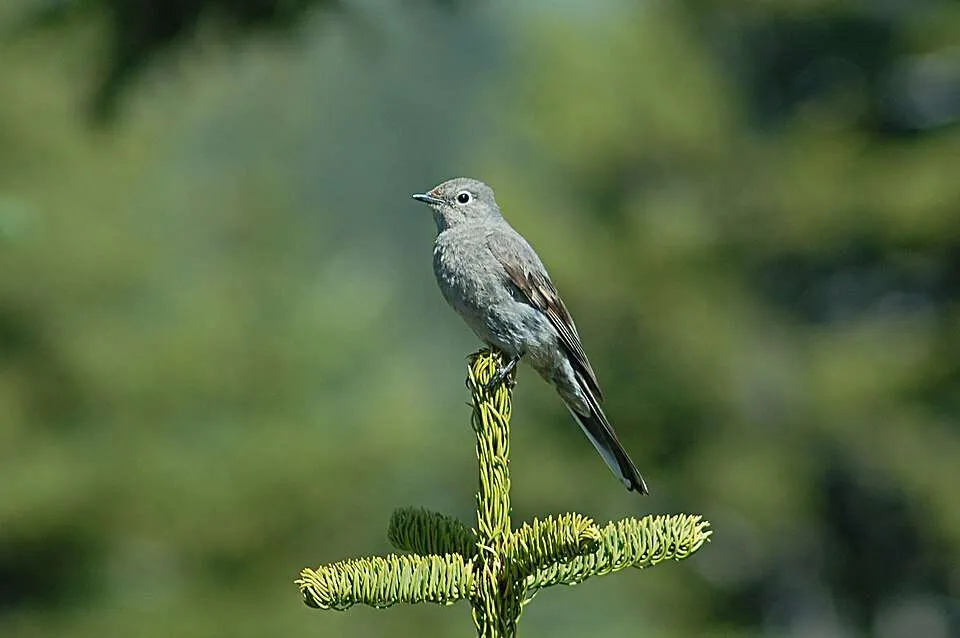
Target Birds
Loggerhead Shrike
Shore Lark
Rock Wren
Townsend's Solitaire
Chestnut-collared Longspur
The CPW details access for the area and how to purchase permits.
Pawnee National Grassland
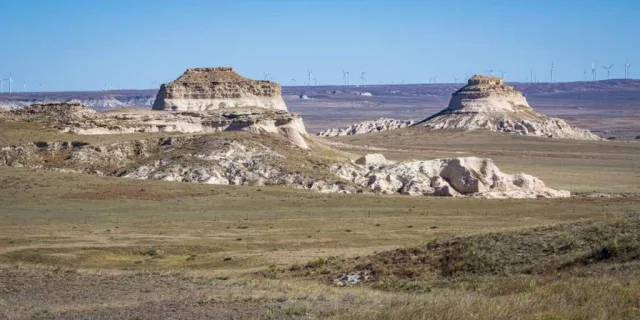
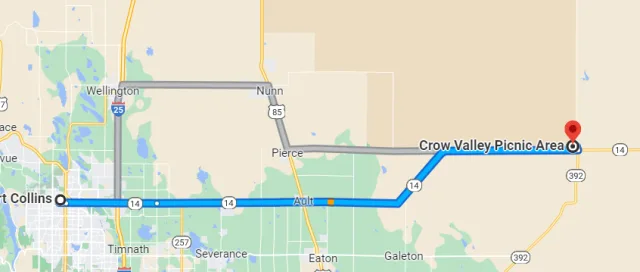
The Pawnee National Grassland is an essential part of the Central Great Plains ecosystem, sprawling across approximately 193,060 acres of Weld County in northeastern Colorado, situated about 35 miles east of Fort Collins. Its geography is characterized by expansive, open shortgrass prairie, dominated by resilient grasses like buffalo grass and blue grama.
While seemingly flat, the landscape is punctuated by geological features such as small canyons, arroyos, and the iconic Pawnee Buttes, two towering sedimentary rock formations that rise dramatically from the plains. These buttes, which can reach up to 350 feet, provide critical vertical relief and nesting habitat in an otherwise low-lying environment. The area is a mosaic of federal public land, private ranches, and agriculture, forming a diverse habitat that is crucial for retaining soil and water, a legacy of its restoration following the Dust Bowl era.
Recognized as an Important Bird Area (IBA), the Pawnee National Grassland is globally significant for its avian diversity, hosting over 200 species, especially during the spring and fall migrations. It is one of the best remaining strongholds for specialized prairie birds that are declining elsewhere. Key target species include the elusive Mountain Plover, a shorebird that nests far from water, the state bird Lark Bunting, and two species of longspurs: the McCown's Longspur and the threatened Thick-billed Longspur (formerly Chestnut-collared Longspur).
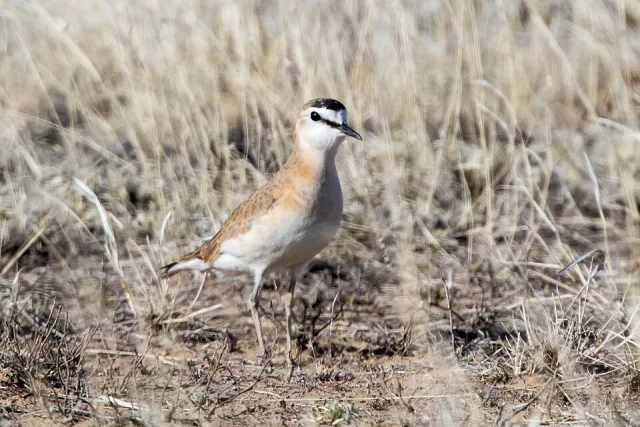
Raptor enthusiasts flock here to spot breeding birds of prey like Ferruginous Hawks, Swainson's Hawks, and Prairie Falcons nesting in the cliffs of the Pawnee Buttes. The Crow Valley Recreation Area, one of the few areas with cottonwood and elm trees, also acts as a vital migrant trap for warblers and other woodland species, offering exceptional birdwatching opportunities right from the car along the extensive auto tour routes.

Target Birds
Burrowing Owl
Willow Flycatcher
Brewer's Sparrow
Lark Bunting
Black-headed Grosbeak
The Colorado Birding Trail has a great narrative about the area and the birds found there.
Pueblo Reservoir
Located just west of the city of Pueblo, Colorado, Pueblo Reservoir—the centerpiece of Lake Pueblo State Park—occupies a unique geographical position at the transition between the rolling plains and the foothills of the Front Range. The Arkansas River flows into the western end of this vast, 4,600-acre reservoir, creating a large, reliable body of water in an otherwise semi-arid landscape.

The surrounding geography is characterized by dramatic rimrock, pinon-juniper mesas, and dry grasslands, with crucial pockets of lowland riparian habitat along the river and its tributaries. This convergence of arid mesa, riparian corridor, and expansive open water at an elevation of nearly 5,000 feet makes it a significant ecological nexus, providing an indispensable refuge and feeding ground for a wide range of bird species throughout the year.
The resulting habitat diversity provides outstanding birdwatching, particularly for waterbirds and western specialties. Pueblo Reservoir is renowned as one of Colorado's most important wintering sites for waterfowl, often hosting large numbers of ducks, grebes (like the Horned and Western Grebes), loons, and gulls, including rare species like the Lesser Black-backed Gull.
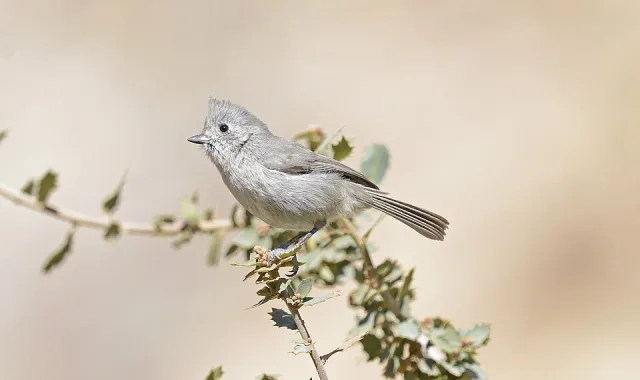
The colder months offer the best diversity for these aquatic visitors. In the surrounding arid scrub and riparian zones, birders can target species unique to the area, such as the Canyon Towhee, Scaled Quail, and Juniper Titmouse. During migration, the reservoir's open water and the State Wildlife Area's trails along the Arkansas River act as a crucial magnet, attracting everything from raptors like the Osprey and Bald Eagle to a variety of songbirds and shorebirds, making it a must-visit location for year-round birding.

Target Birds
Lark Sparrow
Willet
Great Northern Diver
Curve-billed Thrasher
Golden Eagle
Ferruginous Hawk
The CPW webpage has information about the various recreational opportunities around the lake.
Chatfield State Park
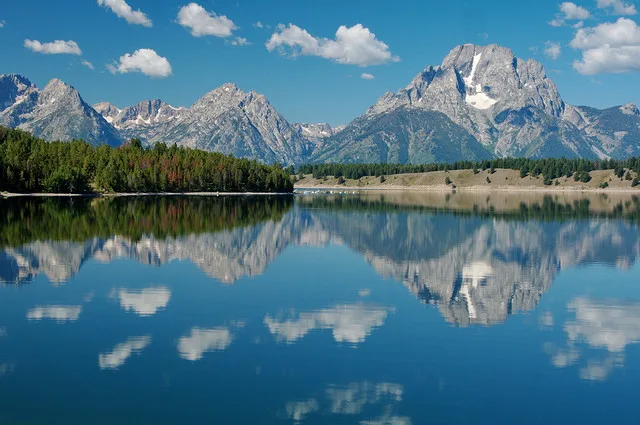
Chatfield State Park, situated at the confluence of the South Platte River and Plum Creek on the southwestern edge of the Denver Metropolitan area, offers an incredibly accessible and productive birdwatching experience along Colorado’s Front Range. Geographically, the park spans over 5,300 acres across Douglas and Jefferson counties and centers around the large Chatfield Reservoir.

This location is a crucial ecological transition zone, where the eastern plains begin to rise into the foothills of the Rocky Mountains. The park's diverse topography features rolling mixed-grass prairie uplands, dense riparian corridors lined with mature cottonwood trees along the waterways, and extensive wetlands and mudflats created by the reservoir and its feeder creeks. This variety of habitats, coupled with its position near a major urban center, makes it a vital green space for both resident and migratory birds.
This unique combination of water and land habitats makes Chatfield a contender for one of the most species-rich single birding locations near Denver, with over 345 bird species documented. The reservoir itself is a magnet for waterfowl and shorebirds, attracting numerous species of diving and dabbling ducks, loons, gulls, and American White Pelicans, especially during migration.

The riparian forests are key hotspots for nesting birds like the Least Flycatcher and Yellow-billed Cuckoo, as well as many migrating warblers and buntings. Birders can explore over 26 miles of trails, with hotspots including the sandspit near the marina and the extensive area around the Audubon Center at Chatfield State Park, an Important Bird Area (IBA) that provides excellent opportunities to view prairie species such as Horned Lark and wintering longspurs in the surrounding grasslands.
Target Birds
Blue and Green-winged Teal
Bullock's Oriole
Northern Harrier
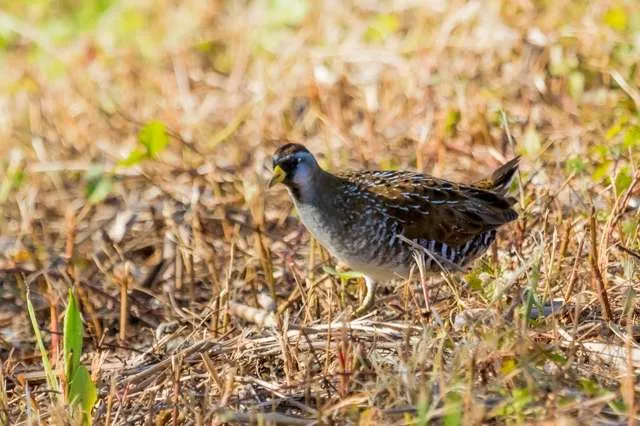
Sora
American Redstart
The CPW has information and notices about the park and its extensive facilities. including camping, fishing and hiking trails.
Jackson Lake
Jackson Lake State Park, often affectionately called an "Oasis on the Plains," is centrally located in western Morgan County, Colorado, approximately 90 minutes northeast of Denver. The park's main feature is the 2,411-acre Jackson Reservoir, an irrigation storage lake fed by the South Platte River.
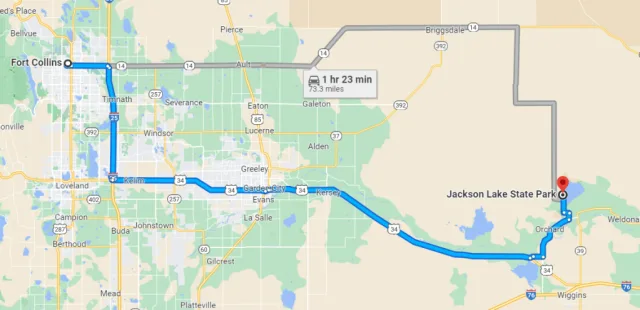
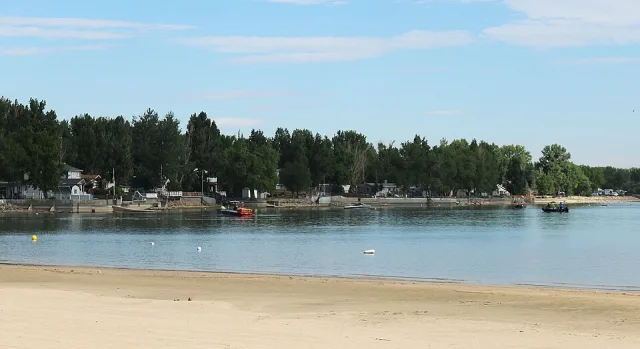
Geographically, it sits squarely on the Eastern Plains, characterized by a relatively flat, semiarid prairie landscape. The reservoir, with its sandy bottom and beaches, is large and warm, making it popular for water sports. However, the contrast between the vast, dry plains and this large body of water, along with the surrounding riparian groves, creates a critical hub for wildlife and avian migration. The elevation of the area is around 4,400 to 4,600 feet, providing a plains environment that starkly differs from Colorado's mountain regions.
The park’s location directly on the Central Flyway makes it one of the most important birding locations in the region, especially during migration periods. The diverse habitats—open water, sandy shorelines, and cottonwood groves—act as a major migrant trap, drawing in a high volume and variety of species not commonly seen elsewhere on the plains.
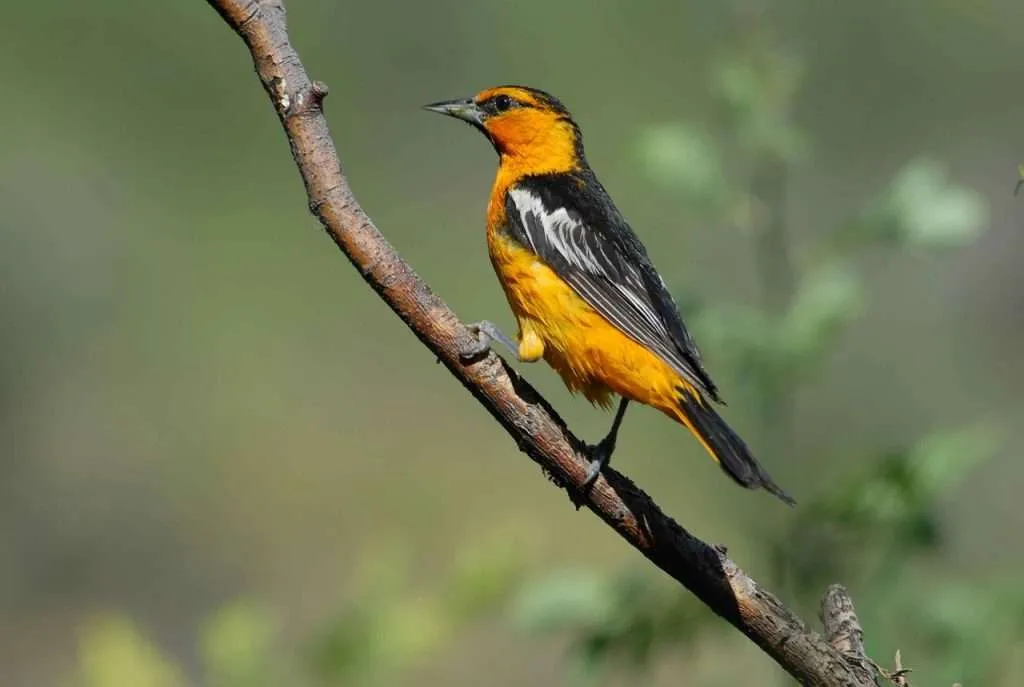
Birdwatching opportunities are excellent year-round. In the summer, large rafts of American White Pelicans and numerous breeding birds like Bullock's Orioles and Western/Eastern Kingbirds are common. During spring and, particularly, fall migration, the reservoir's margins, when water levels are low, attract large congregations of shorebirds, including the elusive Mountain Plover, as well as various warbler and vireo species in the cottonwood trees. Winter brings sightings of Bald Eagles soaring over the water and Rough-legged and Ferruginous Hawks in the open areas.
Target Birds
Common Nighthawk
Killdeer
Great Horned Owl
Warbling and Red-eyed Vireo
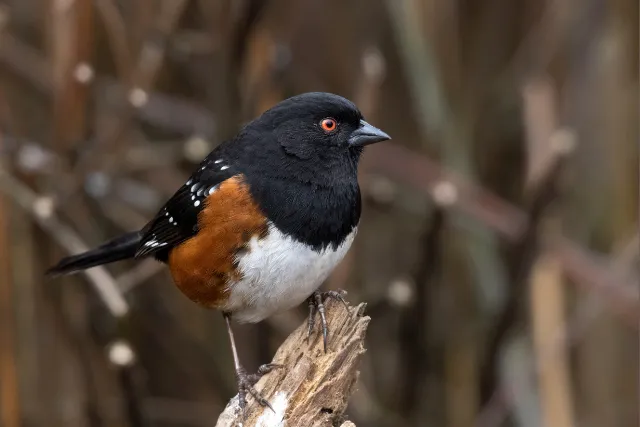
Spotted Towhee
Cassin's Kingbird
The CPW website has detailed information about the recreational activities available at the park including birding, camping and even star gazing.
John Martin Reservoir State Park
John Martin Reservoir State Park is a premier birdwatching destination located in the Colorado Piedmont region of the southeastern plains, near the towns of Las Animas and Hasty in Bent County. Its geography is characterized by the vast, open shortgrass prairie of the High Desert, punctuated dramatically by the immense reservoir itself. Often called the "Sapphire of the Plains," the reservoir is impounded on the Arkansas River and is one of the largest bodies of water entirely within Colorado.
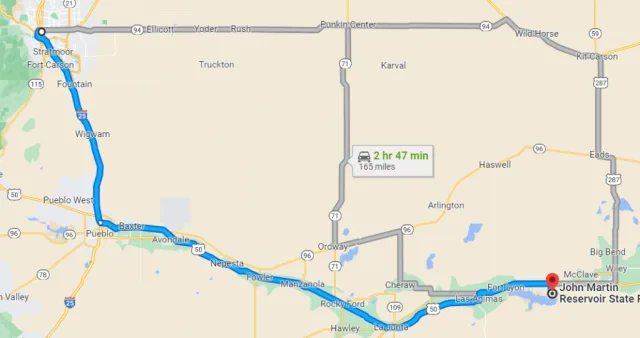
The park complex, which includes both the State Park and the adjacent State Wildlife Area managed by the Army Corps of Engineers, features a diverse mosaic of habitats, including the expansive reservoir, riparian zones along the Arkansas River below the dam (near Lake Hasty), mudflats and sandbars, and the surrounding arid grasslands. This combination of water and prairie creates a vital ecological oasis that funnels migratory species through the Central Flyway.
This rich diversity of habitats translates into phenomenal birdwatching opportunities, with nearly 400 species documented in the surrounding Bent County area. The reservoir and its fluctuating water levels are critical for massive concentrations of waterfowl and shorebirds during migration, making it one of the best spots in the state to find ducks, geese, and a variety of waders. Crucially, the reservoir shores provide important nesting habitat for the federally threatened Piping Plover and the state-endangered Interior Least Tern—sensitive areas that are protected during the nesting season.
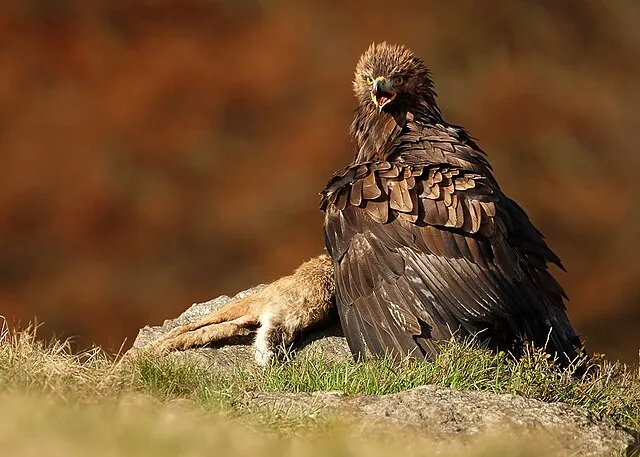
Below the dam, the dense riparian thickets and the smaller Lake Hasty attract abundant passerines (songbirds) during migration, while the surrounding yucca and shortgrass prairies are home to specialty species like the Burrowing Owl, Cassins Sparrow, and various raptors, including wintering Bald Eagles and year-round Golden Eagles. Annual events like the High Plains Snow Goose Festival underscore the park's importance as a seasonal spectacle.

Target Birds
Sanderling
Western and Least Sandpiper
Piping Plover
Burrowing Owl
Cassin's Sparrow
- Clark's Grebe
The CPW webpage, as usual, has terrific information about the park and the recreational activities available there.
Julesburg State Wildlife Area
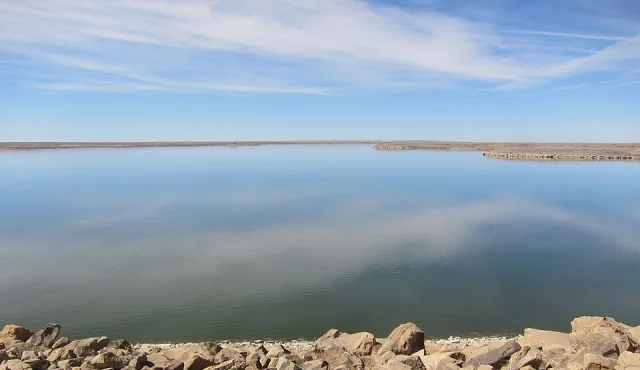
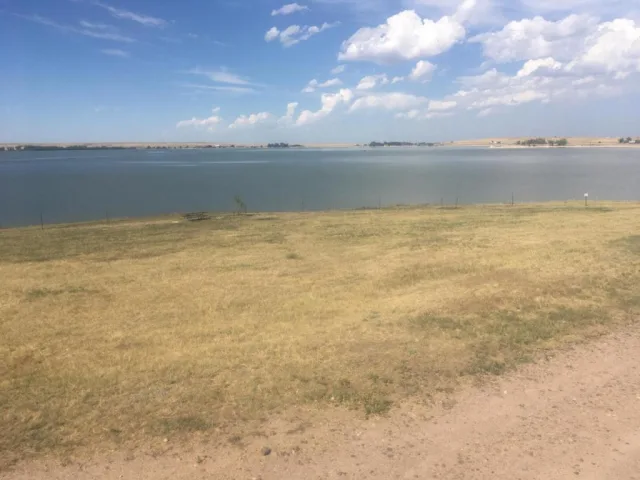
The Julesburg State Wildlife Area (SWA), often referred to by locals as Jumbo Reservoir, is a prominent birding hotspot situated in the far northeastern corner of Colorado, primarily in Sedgwick County. Geographically, it forms a classic "oasis in the plains" environment, dominated by a large, man-made reservoir that collects water from the nearby South Platte River system.
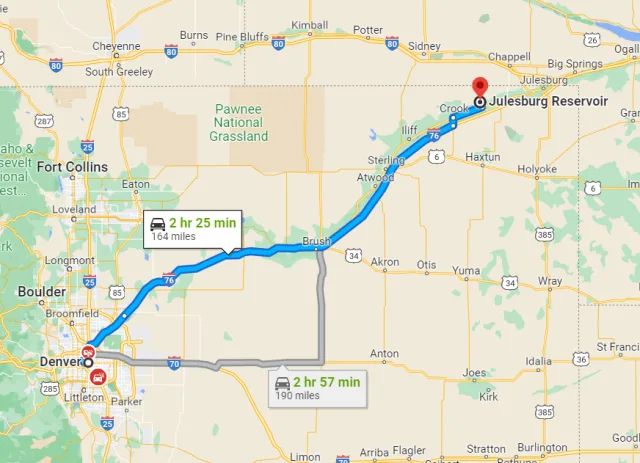
This extensive body of open water, surrounded by native shortgrass prairie and limited riparian growth, creates a vital magnet for migratory and resident birdlife, especially in a region largely defined by dry grasslands and agricultural fields. Its location, close to the Nebraska border and the Interstate 76 corridor, makes it highly accessible while providing a stark, compelling contrast between the flat, open geography of the plains and the dynamic aquatic habitat.
The geography of Jumbo Reservoir translates directly into exceptional, year-round birdwatching opportunities. The reservoir is legendary among birders for hosting massive concentrations of waterfowl during both migration and winter, including thousands of geese, numerous duck species, and occasional rare gulls or jaegers.

When water levels drop in late summer and fall, the exposed mudflats become a feast for shorebirds, attracting significant numbers of plovers, sandpipers, and phalaropes. The surrounding prairie habitats are home to sought-after grassland specialties like the Burrowing Owl, Upland Sandpiper, and various sparrows, including the wintering Lapland Longspur. The area is also a reliable site for viewing raptors, with Golden Eagles and Ferruginous Hawks often seen hunting the open country, making Julesburg SWA an essential stop on any eastern Colorado birding itinerary.

Target Birds
Cassin's Vireo
Western Kingbird
Orchard and Baltimore Oriole
Canvasback
Swainson's Hawk
Snow Goose
- Blue Grosbeak
The Colorado Birding Trail has really good detail about the birds possible in the area.
Wrapping Up
From the high alpine tundra to the sprawling eastern plains, Colorado truly offers a birdwatching experience defined by its extraordinary geographic diversity. The state's position along the Central Flyway ensures a spectacular parade of avian life throughout the seasons, making it a critical destination for birders. We've highlighted the crucial role of areas like South Republican SWA and Jackson Lake State Park in providing essential aquatic and riparian habitat, and the importance of the Julesburg SWA (Jumbo Reservoir) as a primary stopover for massive concentrations of waterfowl and shorebirds.
Whether you are hoping to spot a Mountain Plover foraging on the dry plains, witness a majestic American White Pelican gliding over an eastern reservoir, or simply enjoy the sight of a vibrant mountain bluebird, Colorado's accessible wildlife areas provide the stage for memorable encounters. The continued conservation and careful management of these varied habitats are vital to ensuring that Colorado remains a premier birding destination, protecting its feathered treasures for generations to come. So pack your binoculars, consult your field guide, and prepare to discover the unparalleled beauty of bird life in the Centennial State.
