
For generations of birders in the United States, the ultimate thrill has been completing an ABA checklist or adding a rare vagrant to their life list. But for the serious, globe-trotting enthusiast—the one seeking the dizzying peak of avian biodiversity—there is only one undisputed champion: Colombia.
Holding the title as the Number One country in the world for bird diversity, Colombia offers an experience so rich and varied it often feels less like a trip and more like entering an entirely new dimension of nature. For the American birder, this South American paradise is not just a destination; it’s the definitive adventure, offering unparalleled species counts, a wealth of endemics, and the chance to reconnect with many of the familiar migratory species that travel south from North American breeding grounds every year.
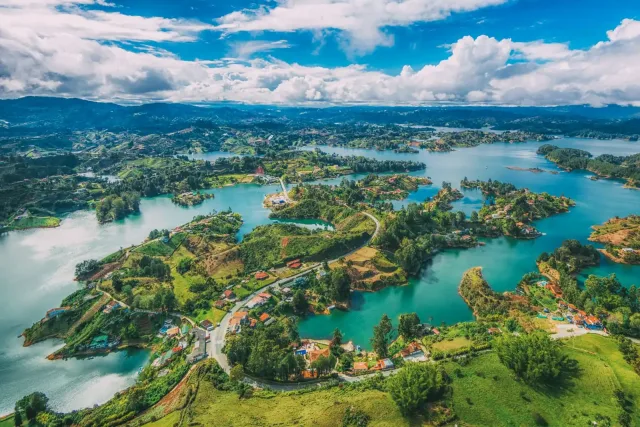
With nearly 2,000 confirmed bird species—a staggering one-fifth of the world’s total avifauna—a birding trip to Colombia is a checklist dream come true.
The Unbeatable Numbers: Diversity Beyond Measure
The primary, undeniable appeal of Colombian birding lies in its sheer volume of species. The United States, vast as it is, boasts an impressive but comparatively smaller count of roughly 1,100 species. Colombia, in an area only slightly larger than Texas, nearly doubles that figure.
The World Record and the Endemic Jackpot

Colombia’s species count hovers between 1,912 and 1,993 confirmed species, and it continues to increase as new areas are explored. This includes an estimated 84 to 87 endemic species—birds that exist nowhere else on Earth.
For the lister, this means a trip is a non-stop barrage of "lifers." Imagine a country where you can:
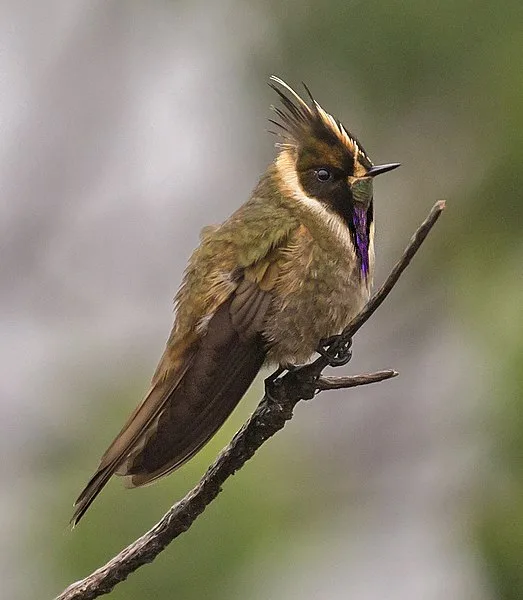
- See over 160 species of hummingbirds, including the iconic, impossibly-shaped Sword-billed Hummingbird and the high-altitude specialist Buffy Helmetcrest. The sheer concentration of hummingbirds at specialized feeders in places like the Central Andes is unlike anything most birders have ever witnessed.
- Encounter the legendary Andean Cock-of-the-rock with its brilliant, fan-shaped orange crest, performing its spectacular courtship displays.
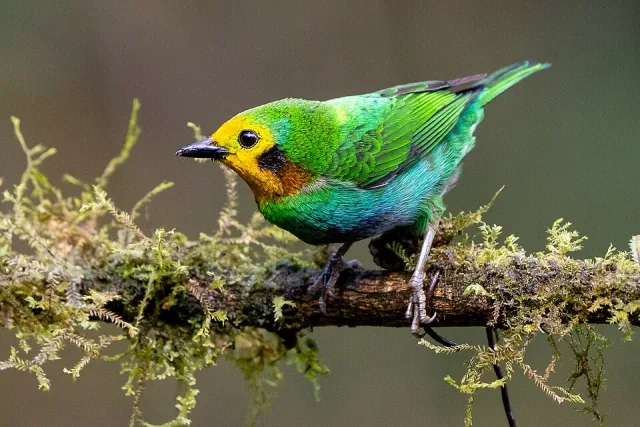
- Track down dazzling, multicolored neotropical families like the Tanagers (e.g., the endemic Gold-ringed Tanager and the stunning Multicolored Tanager) and Antpittas, which are often lured out of the forest undergrowth at eco-lodges, providing once-in-a-lifetime viewing opportunities.
Colombia has also consistently dominated the Global Big Day, a worldwide birding competition, logging the highest number of species recorded in a single 24-hour period, demonstrating the density and accessibility of its avian population.
A Geographic Phenomenon: The Engines of Speciation
Colombia’s unparalleled avian abundance is not a random accident; it is a direct consequence of its unique geological and geographical circumstances.
1. The Three Cordilleras and Altitudinal Migration
The mighty Andes Mountains enter Colombia from the south and split into three distinct chains—the Western, Central, and Eastern Cordilleras—each separated by deep river valleys (Cauca and Magdalena).
This topographic complexity creates a spectacular “sky island” effect. As birds ascend or descend the slopes, the climate, vegetation, and food sources change dramatically, forcing species to adapt to narrow, vertical bands of habitat. The isolation of these valleys and mountain ridges has driven a rapid and extensive process of speciation, resulting in many of the country's unique endemic birds. A single day of birding can take you from a humid lowland forest to a chilly, high-altitude páramo (alpine tundra), each supporting entirely different bird communities.
2. Equatorial Location and Biogeographic Convergence
Straddling the Equator, Colombia has no true seasons, allowing birds to breed and forage year-round. Critically, it is the meeting point for several major biogeographic regions:
- The Amazon Rainforest to the southeast.
- The Pacific Chocó Rainforest to the west, one of the wettest and most biodiverse regions on Earth.
- The Andean Mountain Ecosystems (cloud forest, páramo).
- The Caribbean Coastline and Guajira Desert.
- The Eastern Plains (Llanos), a vast savanna.
This convergence of ecosystems, from mangrove swamps and dry forests to snow-capped peaks, ensures that nearly every kind of bird habitat is represented, maximizing the potential for different species to coexist.
A Crucial Stopover: Where US Birds Go on Vacation
For American birders, the trip to Colombia offers a profound sense of connection, as it is a critical wintering ground for many beloved North American species.
Every year, hundreds of thousands of birds migrate south, and Colombia provides a vital stopover or winter home for 200 to 275 migratory species. This includes many of the warblers, flycatchers, and thrushes familiar to US backyards and woodlands:
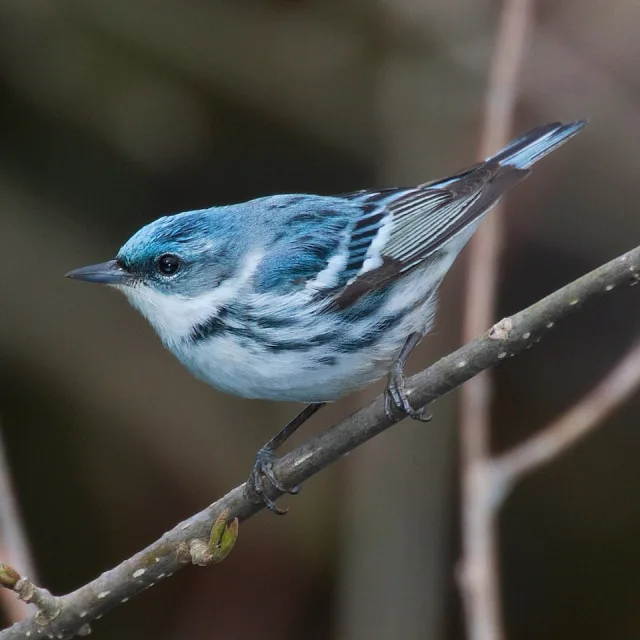
- Cerulean Warblers (Setophaga cerulea): One of the main conservation targets, this vulnerable species winters in the Andean cloud forests. The country even has the Cerulean Warbler Reserve in Santander, protecting this specific habitat.
- Golden-winged Warblers (Vermivora chrysoptera): Another species of high conservation concern, it uses Colombian forests as its winter retreat.
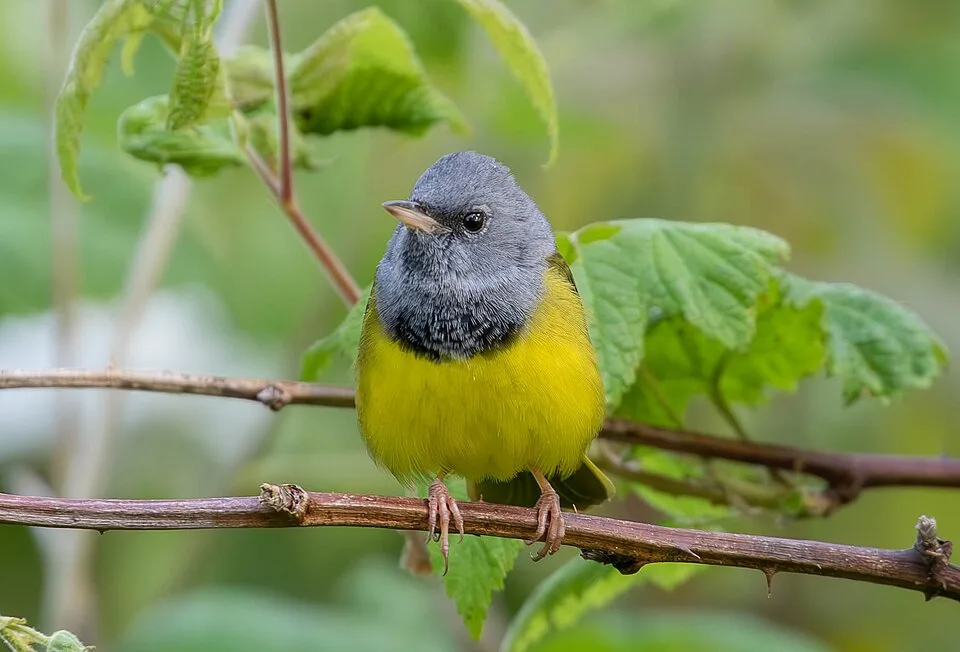
- Swainson's Thrush and Mourning Warblers are frequently spotted in the shade-grown coffee plantations and high-elevation forests, reminding American birders that conservation efforts in the tropics directly affect the birds they cherish at home.
Seeing "your" warblers thriving alongside exotic toucans, tanagers, and antpittas brings the entire cycle of the hemisphere's avifauna into sharp, colorful focus.
Logistical Simplicity and Safety in the Field
While Colombia's past made birding difficult, a transformative shift in stability and infrastructure has made it a premier ecotourism destination. The dedicated birding infrastructure is now first-class.
- Dedicated Lodges and Reserves: Organizations like ProAves have established a network of private nature reserves—such as the El Dorado Reserve in the Sierra Nevada de Santa Marta (home to over 20 endemics) and the Montezuma Lodge in Tatama National Park—that are specifically designed for birders. These reserves offer comfortable lodging, excellent guides, and accessible trails, often with feeding stations that bring secretive species into open view.
- Expert Local Guides: The growth of birding tourism has fostered a large community of highly knowledgeable local guides who can identify birds by sight and song, greatly increasing a visitor's chance of logging high numbers of species.
- Accessibility: Key birding hubs like Manizales (near the famous Río Blanco Nature Reserve), Medellín (Antioquia), and Santa Marta are easily reachable via modern infrastructure, often placing birding hotspots within a short drive of cosmopolitan cities.

Colombia represents the zenith of global birding—a megadiverse sanctuary defined by staggering numbers, unique landscapes, and the exhilarating promise of a life list exploding with flamboyant new additions. For any American birder ready to trade the local woods for the wildest, most colorful corner of the planet, Colombia is waiting.
