
Oregon offers birdwatchers one of the most ecologically diverse and geographically accessible experiences in the United States. In just a few days, you can transition from the rugged, wave-battered Pacific coastline to the high, arid sagebrush steppes of the interior, or the snow-capped peaks of the Cascade Mountains. This 3-day road trip itinerary focuses on showcasing Oregon's dramatic bird diversity, moving swiftly across three distinct ecoregions: the Coast, the Willamette Valley/Cascade Foothills, and the High Desert.
Day 1: Coastal Wonders—Tillamook and the Estuaries
Day one is dedicated to the Pacific Flyway, exploring the rich estuarine environments and rocky shores that host a spectacular array of seabirds and shorebirds, particularly during migration seasons (spring and fall).
Morning: Tillamook Bay and Garibaldi
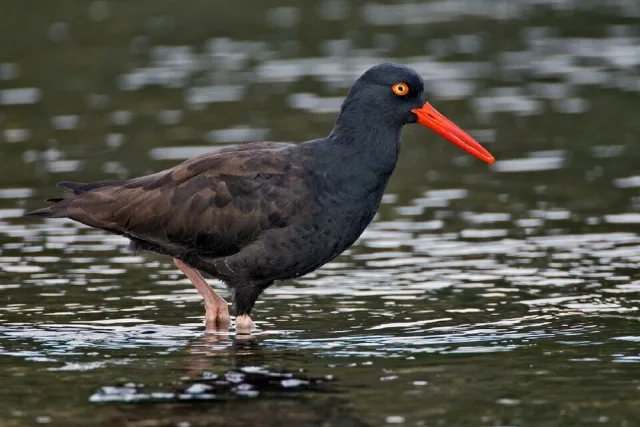
Start your journey in the early morning at Tillamook Bay, a massive estuary system that serves as a critical stopover for migrating birds. The mudflats, particularly around the towns of Tillamook and Garibaldi, are excellent places to observe large numbers of Western Sandpipers, Dunlin, and Greater Yellowlegs probing the mud. Look for Long-billed Curlews with their distinctive downward-curving bills, and in winter, the subtle-but-charming Black Oystercatcher foraging among the rocks.
Target Species: Shorebirds (Sandpipers, Plovers, Godwits), Gulls (Western, Glaucous-winged), Common Murre.
Key Behavior: Observe tidal foraging; birds are most active in the hour before and after low tide.
Midday: Cape Kiwanda and Haystack Rock
Head south to Cape Kiwanda near Pacific City. Here, the focus shifts to seabirds and raptors. The dramatic headlands provide nesting sites and excellent vantage points. The iconic Haystack Rock at Cannon Beach (further north, but similar geology) and the rocks off Kiwanda are crucial nesting sites.
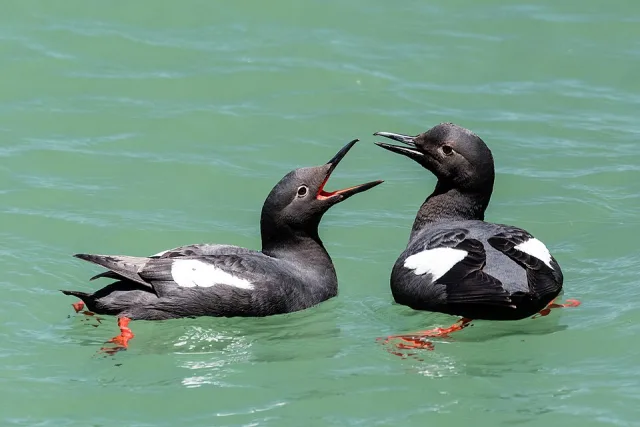
Target Species: Pelagic Birds, Auks, and Raptors. Look for Common Murre and Pigeon Guillemot rafting offshore. Peregrine Falcons often patrol these cliffs, using the rising air currents to hunt.
Afternoon: Nestucca Bay NWR
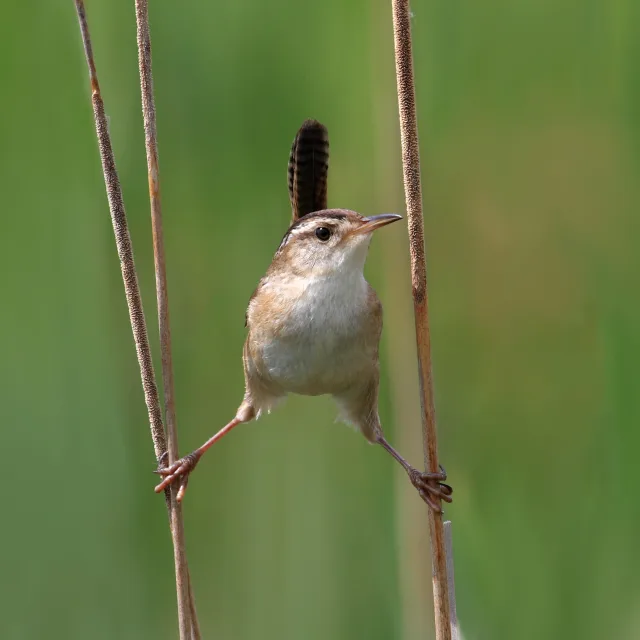
Finish the day at Nestucca Bay National Wildlife Refuge (NWR). This smaller, less crowded estuary is famous for hosting wintering populations of the Aleutian Cackling Goose. The refuge’s mix of grassland and saltmarsh is a magnet for waterfowl and marsh birds. As the sun sets, listen for the calls of Marsh Wrens and keep an eye out for Northern Harriers cruising low over the fields.
Lodging: Stay near Tillamook or Astoria to prepare for an early departure inland.
Day 2: Foothills and Forest—The Willamette Valley to the Cascades
Day two transitions dramatically into the wet, productive forests of the Willamette Valley and the western slopes of the Cascades, a land of woodpeckers, flycatchers, and warblers.
Morning: Basket Slough NWR

Begin your day driving east into the Willamette Valley to visit Basket Slough NWR near Salem. This refuge preserves a rare slice of Oregon's native wetlands and oak savannas. The focus here is on raptors and waterfowl. You can see numerous Bald Eagles and Red-tailed Hawks. In the oak woodlands, look for the deep blue and black of the Western Bluebird and listen for the sharp calls of the Acorn Woodpecker.
Target Species: Waterfowl (Wood Duck), Raptors, Acorn Woodpecker, Western Bluebird.
Midday: McKenzie Pass Scenic Byway (Western Slopes)
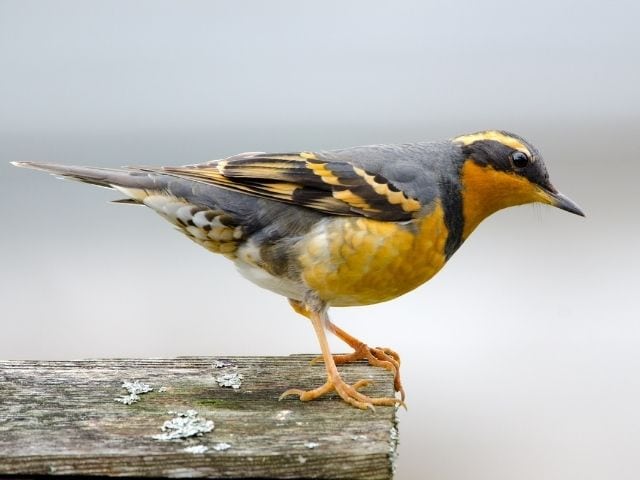
Head east toward the Cascade Mountains, following the McKenzie River toward McKenzie Pass (Highway 242). Even if the high pass is closed by snow (often until July), the lower elevations offer fantastic habitat for montane songbirds. Park at trailheads and explore the dense fir forests.
Target Species: Pacific Wren, Varied Thrush, Hermit Warbler, Western Tanager. Listen for the haunting, spiraling song of the Varied Thrush—a true sound of the Pacific Northwest forest. Look up to spot Steller's Jays and Clark's Nutcracker in the high pines.
Afternoon: Cascades Foothills

Continue driving up the lower slopes of the Cascades (e.g., near Sweet Home or the Santiam Pass area) to look for Mountain Chickadees and Red-breasted Nuthatches. If you are lucky, you might spot a Pileated Woodpecker—Oregon’s largest woodpecker—whose loud drumming echoes through the woods.
Lodging: Stay near Bend or Redmond to position yourself for the High Desert push.
Day 3: High Desert and Ponderosa—East of the Cascades
The final day crosses the spine of the Cascades into the rain shadow of Eastern Oregon, where the landscape quickly transforms into arid plateaus and sagebrush steppe, offering a completely different set of birds.
Morning: Crooked River Grasslands (Prineville Area)
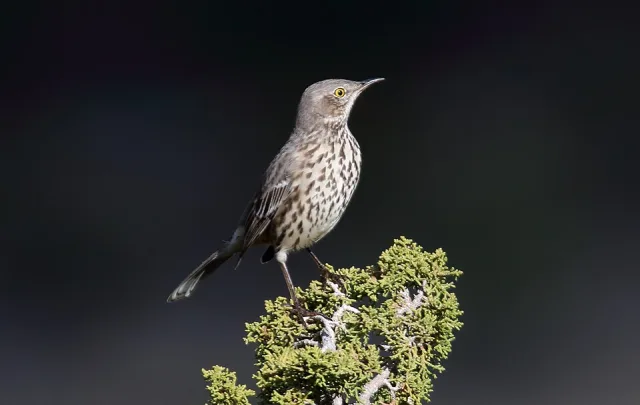
Drive to the region east of Prineville, which offers some of the best access to high desert habitat. Areas like the Crooked River Grasslands provide excellent habitat for species specialized to arid climates. Focus on listening for calls emanating from the low shrubs.
Target Species: Sage Thrasher, Sagebrush Sparrow, Western Meadowlark. The Brewer's Sparrow is also common here. Look for Ferruginous Hawks perched on fence posts, waiting for ground squirrels.
Midday: Malheur NWR or Summer Lake

While Malheur NWR (far southeast) is a trip unto itself, if time is limited, the accessible wetlands around Summer Lake are an excellent alternative. The contrast between the arid desert and the vast wetlands is incredible. These locations are magnets for migrating birds and host breeding colonies of White-faced Ibis and various herons and egrets.
Target Species: American Avocet, Black-necked Stilt, White-faced Ibis, Eared Grebe, Yellow-headed Blackbird.
Afternoon: Ponderosa Pine Uplands

As you drive back west toward the Cascades, the habitat transitions into drier Ponderosa Pine forests. Stop at forest service roads or pull-offs to look for specific montane-desert overlap species.
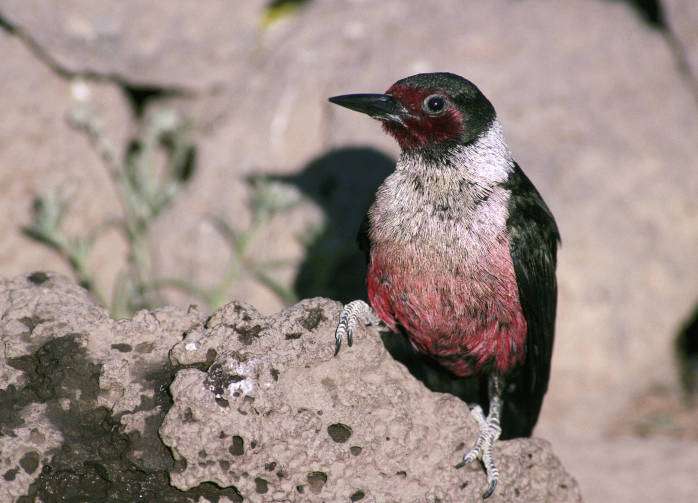
Target Species: Pygmy Nuthatch (often seen in large, noisy flocks), Cassin's Finch, Townsend's Solitaire. The Lewis's Woodpecker, with its unusual pink belly and dark iridescent back, is a prized sighting in open pine country.
This itinerary covers roughly 500-600 miles and guarantees a spectacular cross-section of North America’s diverse avian life, encapsulating the best of Oregon’s rich ecological tapestry in just three days.
