
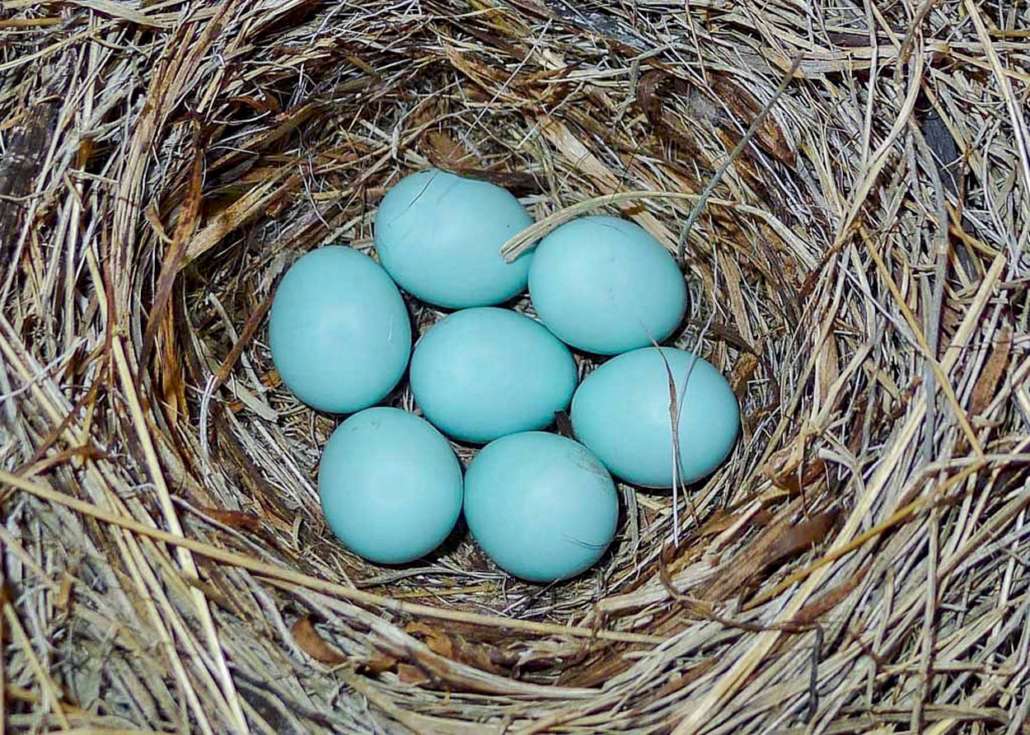
For millennia, the question of "What came first, the chicken or the egg?" has been a philosophical riddle, a koan meant to stump the mind and illustrate the paradox of causality.
It is a question that, from a certain angle, seems unanswerable—a classic chicken-and-egg situation, if you will. But for those of us who spend our days with binoculars pressed to our eyes, who know the subtle differences in a vireo's song and the migratory patterns of a plover, the answer isn't a paradox at all. In fact, from a bird watcher's perspective, it’s a beautifully clear and deeply satisfying story of evolution.
The answer, definitively, is the egg.
To understand why, we must abandon the philosophical loop and embrace the long, meandering road of avian evolution. As bird watchers in the United States, we are fortunate to live in a place with a breathtaking diversity of bird life. We see everything from the ancient-looking Great Blue Heron to the incredibly specialized hummingbirds, from the ground-dwelling Wild Turkey to the aerial mastery of the Peregrine Falcon. Observing these birds gives us a tangible connection to the deep past, a living laboratory of adaptation.

The Pre-Avian Egg: A Story Older Than Feathers
The story of the egg begins not with birds, but with their ancient ancestors. Long before a single feather appeared, a key evolutionary innovation was already in place: the amniotic egg. This self-contained, waterproof egg allowed vertebrates to reproduce on land without needing to return to water, a revolutionary step that paved the way for reptiles, mammals, and, eventually, birds.
As a birder, you see this legacy every time you spot an alligator in a Florida swamp or a lizard sunning itself on a rock in Arizona. These are the modern-day relatives of the dinosaurs from which birds descended. We see an Anhinga in a cypress tree and note its scaled legs and feet—a clear reptilian link. The egg, in its basic form, came first. It was the invention of a non-bird, a long-extinct creature that had no inkling of flight or birdsong.
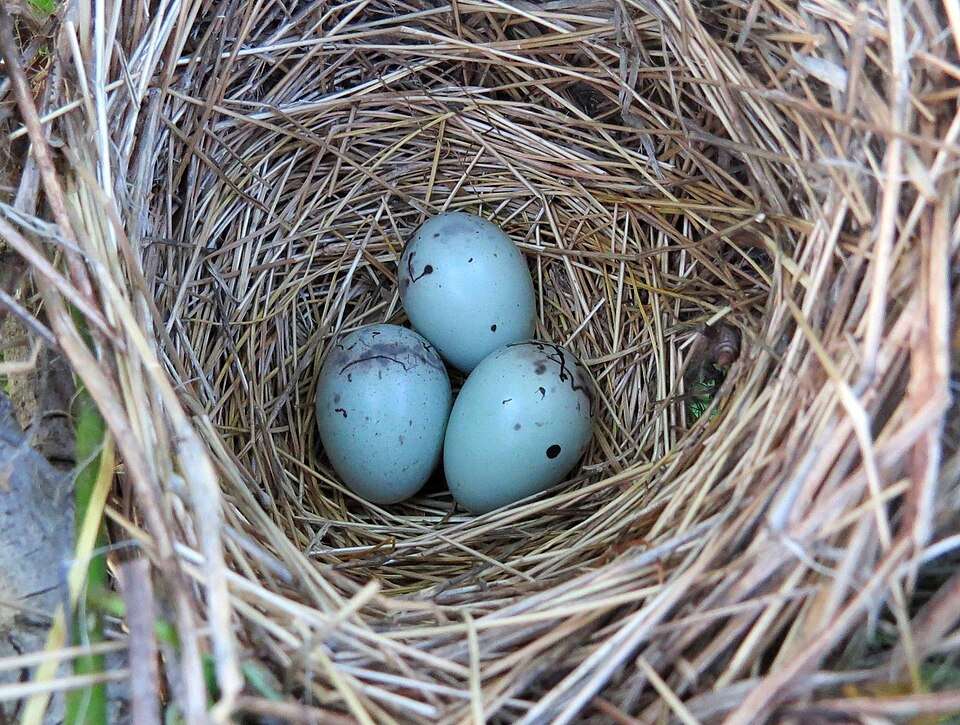
The Dinosaur-Bird Link: A Question of Feathers and Evolution
So, if the egg came first, what was the egg that came before the first chicken? Here’s where the story gets really interesting. From a bird watcher’s perspective, a chicken is just one branch on a vast, sprawling evolutionary tree. The modern chicken, Gallus gallus domesticus, is the result of thousands of years of human domestication from the wild Red Junglefowl of Southeast Asia. To find the "first chicken," we have to go back to that wild species and its ancestors.
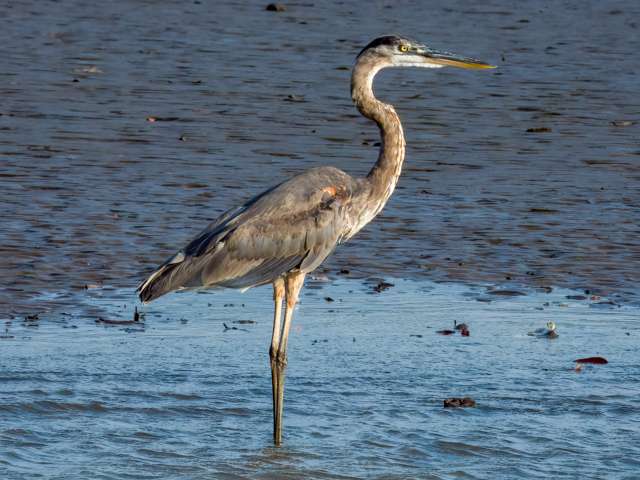
The first bird-like creature to lay an egg was not a chicken, but a proto-bird, a dinosaur with feathers. For bird watchers, the evidence of this link is all around us. When we watch a Great Blue Heron stand motionless, we are watching a behavior that looks remarkably like that of a theropod dinosaur. When a flock of starlings moves in a murmuration, their collective intelligence and flocking behavior is a direct echo of how dinosaurs might have moved in groups.
The "first chicken" wasn't a sudden, magical event. It was the result of gradual, incremental changes over countless generations. Each generation of proto-chickens laid an egg. Within that egg, a tiny mutation might occur—a slightly different beak shape, a slightly altered feather pattern, a subtle change in metabolism. That tiny change, if it provided a survival advantage, would be passed on to the next generation.
So, at some point, a bird that was not quite a chicken laid an egg that, due to a favorable genetic mutation, hatched into a bird that was, for the first time, a chicken. This "first chicken" was, of course, almost indistinguishable from its parents, but it carried a new genetic blueprint that defined it as the first of its kind. And it hatched from an egg laid by a bird that, by definition, was not a chicken.
A Birder's Perspective: A Celebration of Adaptation
The chicken-and-egg paradox is a philosophical trap because it assumes a moment of creation, a single point in time when one thing came into existence without the other. But evolution is not a single point; it is a continuous, flowing river of change. As bird watchers, we see this process in action every day.
We see it in the incredible bill of the American Flamingo which evolved to filter-feed in saline environments. We see it in the specialized feet of the Osprey, which are uniquely adapted to catch and hold slippery fish. And we see it in the diversity of eggs themselves, from the round, perfect egg of the Barn Owl to the speckled, camouflaged egg of the Spotted Sandpiper.

Each of these adaptations—the bill, the feet, the egg—is the product of millions of small changes, each building on the last. The answer to the question isn't a punchline; it's a celebration of the evolutionary process. The egg is older than the chicken, and so is the act of laying it. The chicken is merely the latest, most familiar branch on a family tree that stretches back to the age of dinosaurs.
Wrapping Up
So, the next time someone asks you, "What came first, the chicken or the egg?", you can confidently, and with a smile, answer from the perspective of a bird watcher. You can tell them that the egg came first, a product of a world before birds. And you can explain that the first chicken was hatched from an egg laid by a creature that was so close, so very nearly a chicken, but was not quite one yet. It is not a paradox. It is the story of life itself, and for those of us who love birds, it's a story we get to witness every time we step outside.
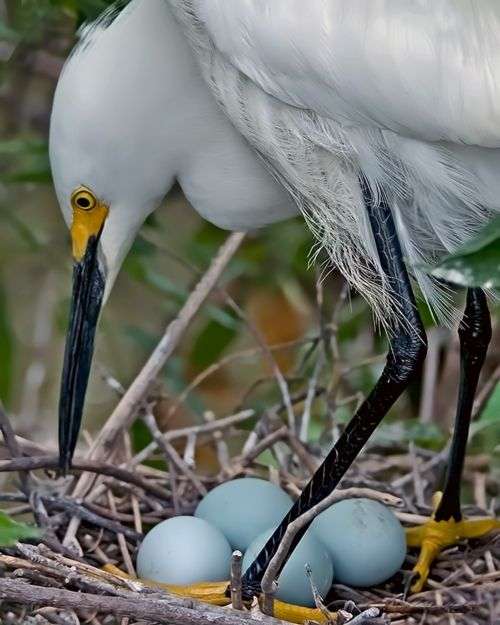
Find out which birds lay blue eggs.
