
Cheyenne Bottoms, located near Great Bend in central Kansas, is one of the most remarkable and ecologically vital wetlands in the world. This massive, low-lying basin—a natural, shallow depression formed by ancient geological forces—encompasses over 41,000 acres and is the largest wetland in the interior of the United States. Its significance to global bird migration is so immense that it has been designated a Wetland of International Importance by the Ramsar Convention.
A Critical Migration Nexus
Cheyenne Bottoms is strategically positioned right in the heart of the Central Flyway, making it a non-negotiable stop for birds migrating between the Arctic tundra and Central or South America.
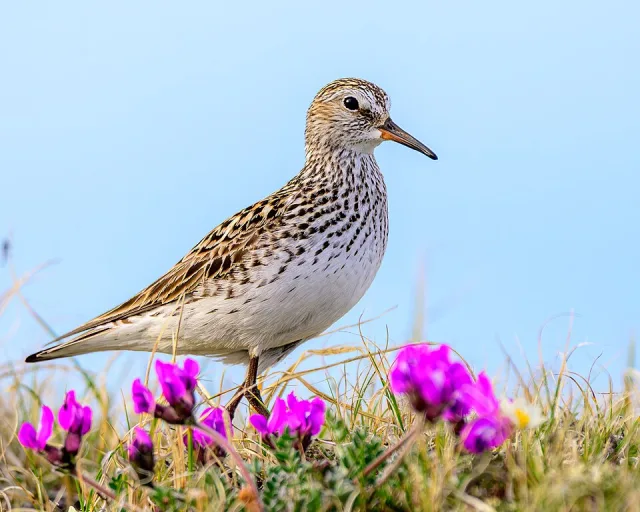
Shorebird Hub: Its most famous distinction is as a shorebird mecca. An estimated 45% of all North American migratory shorebirds utilize the Bottoms during their spring and fall journeys. For some species, like the White-rumped Sandpiper and the Baird's Sandpiper, a significant percentage of their entire global population may stage here in a single year.

White-rumped Sandpiper Waterfowl Staging: In addition to shorebirds, the Bottoms hosts up to a quarter million waterfowl during peak migration periods, including large flocks of various duck species (Teal, Pintails, Mallards) and thousands of geese.
Unique Management: The area is split between the Cheyenne Bottoms Wildlife Area (managed by the Kansas Department of Wildlife & Parks) and the Cheyenne Bottoms Preserve (managed by The Nature Conservancy), ensuring diverse habitat management for both migratory waterfowl and rare grassland birds.

American Avocet

Avian Wonders of the Bottoms
The sheer volume of birds present at Cheyenne Bottoms during migration is staggering. Key species to look for include:
Shorebirds: The mascot of the Bottoms, the American Avocet, is commonly seen with its striking black and white plumage and upturned bill. Also look for Black-necked Stilts, various Sandpipers, and Piping Plovers (a protected species).
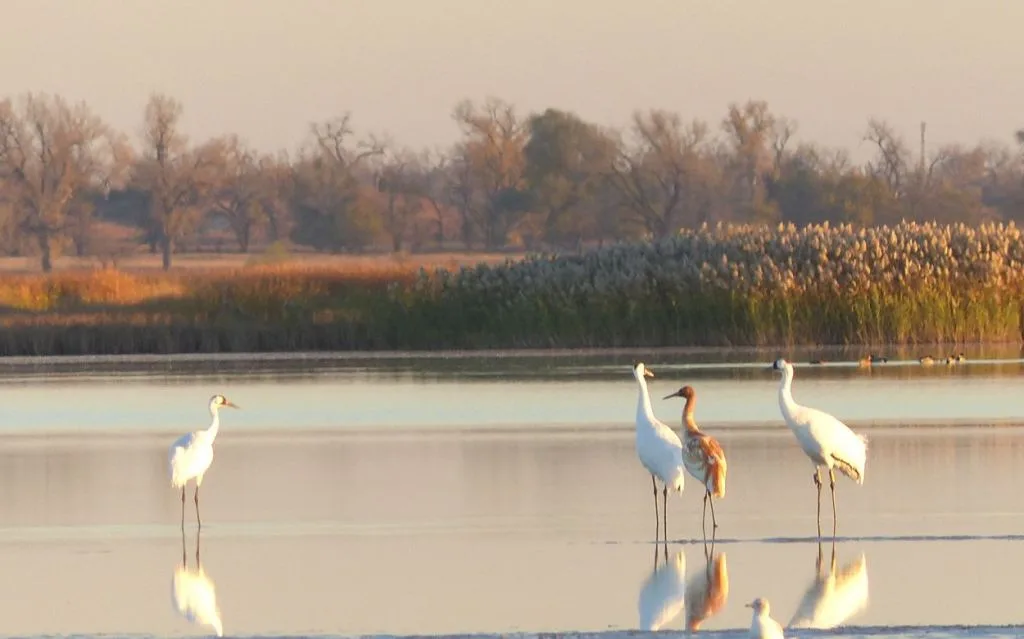
Endangered Cranes: Both in March/April and again in October/November, the critically endangered Whooping Crane makes brief stopovers at the Bottoms. Their presence confirms the marsh's status as a necessary safe haven.

Whooping Crane Raptors: The abundance of prey attracts predators. The Bald Eagle is a regular winter resident, and the fast-flying Peregrine Falcon can sometimes be spotted during migration, preying on shorebirds.


Wading Birds: Large congregations of American White Pelicans (often seen floating in massive rafts) and elegant White-faced Ibis are common sights.
White-faced Ibis

Birding Access and Viewing Tips
Visitors can explore the area via the Kansas Wetlands Education Center at the eastern edge, which provides displays, checklists, and information on current bird sightings. A network of roads and trails allows for easy viewing, often directly from the car, which serves as a natural blind and minimizes disturbance to the wildlife.
Peak Viewing Times:
Waterfowl & Sandhill Cranes: Late March to early April.
Shorebirds: Peak numbers occur in late April through late May (Spring) and late August through September (Fall).
