
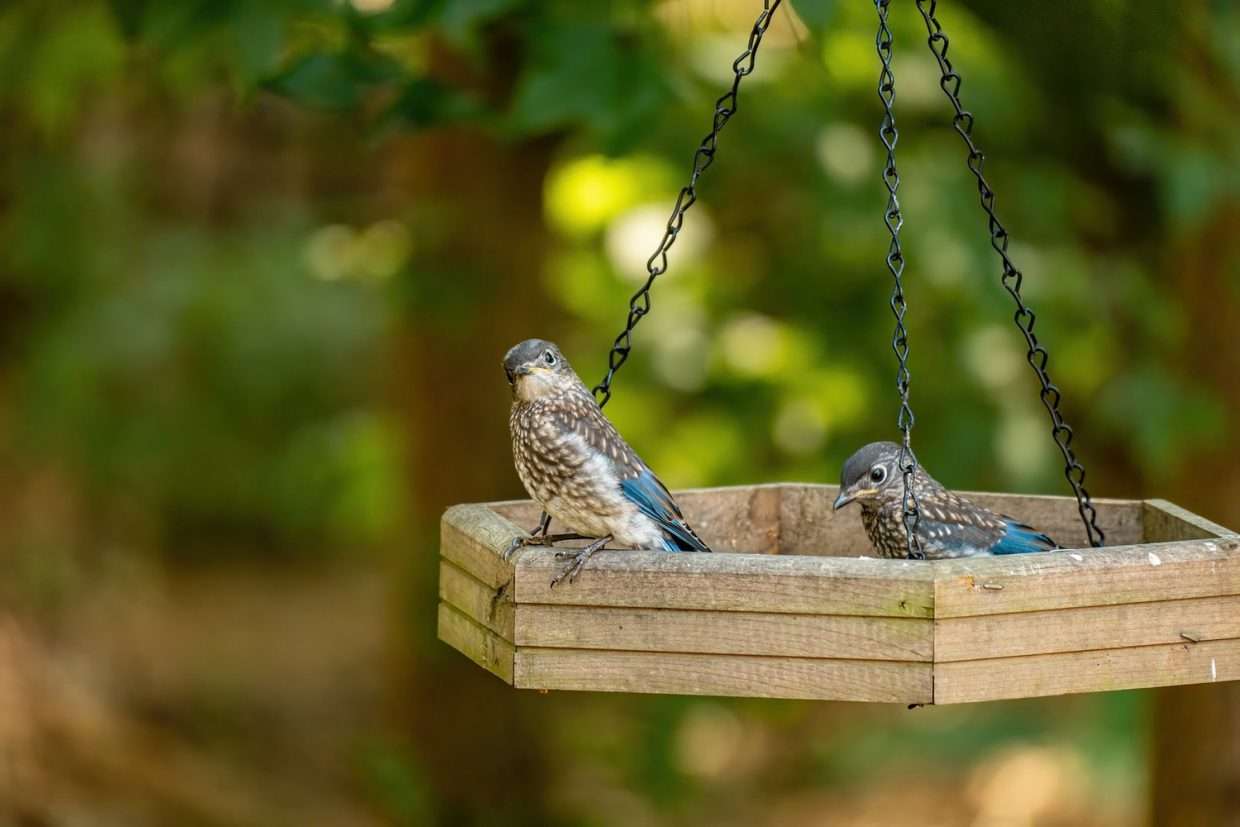
Attracting birds to your backyard doesn't have to be an expensive endeavor. With a little creativity and some budget-friendly approaches, you can transform your outdoor space into a vibrant avian sanctuary. This guide offers numerous tips and tricks tailored for a US audience, focusing on native plants, repurposed materials, and simple DIY projects that will have feathered friends flocking to your yard.
The Joy of Budget Birding
There's a special joy in watching birds flit, feed, and sing in your backyard. Their vibrant colors, cheerful chirps, and dynamic movements bring life and tranquility to any outdoor space. While commercial birding products can be costly, you don't need to break the bank to create an inviting habitat for your feathered neighbors. With a dash of creativity and a focus on nature's offerings, you can transform your yard into a bustling bird haven on a budget. This guide will explore numerous inexpensive and effective strategies for attracting a diverse array of birds to your US backyard.
The core principles of attracting birds remain the same: provide food, water, and shelter. The trick is to do it cheaply and creatively.
The Foundation: Food and Shelter – Naturally!
1. Embrace Native Plants: The Ultimate Bird Buffet
This is arguably the most impactful and cost-effective strategy. Native plants are indigenous to your region and have evolved alongside local bird species, making them a perfect, self-sustaining food source. They require less water and maintenance than non-native alternatives, saving you money and effort in the long run.
Shrubs and Trees for Berries and Seeds:
Elderberry (Sambucus spp.): A fast-growing shrub that produces clusters of dark berries, a favorite of robins, mockingbirds, and bluebirds.
Serviceberry (Amelanchier spp.): Early spring blooms followed by sweet, edible berries beloved by dozens of bird species.
Dogwood (Cornus spp.): Many varieties offer berries that are a crucial food source in fall and winter.
Oak and Hickory Trees: While they take time to mature, these provide acorns and nuts, essential for jays, woodpeckers, and nuthatches. Consider planting saplings if you have the space and patience.
Perennials and Annuals for Nectar and Seeds:
Coneflower (Echinacea spp.): Goldfinches adore the seeds.
Sunflowers (Helianthus annuus): Easy to grow from seed, providing abundant seeds for finches, chickadees, and titmice. Let the flower heads dry on the stalk.
Asters and Goldenrod: Provide late-season nectar and seeds.
Milkweed (Asclepias spp.): Crucial for Monarch butterflies but also attracts hummingbirds for nectar.
Cardinal Flower (Lobelia cardinalis): Its vibrant red blooms are a hummingbird magnet.
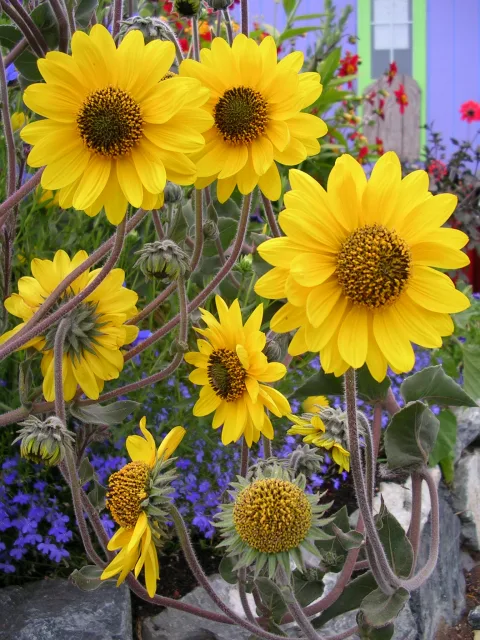
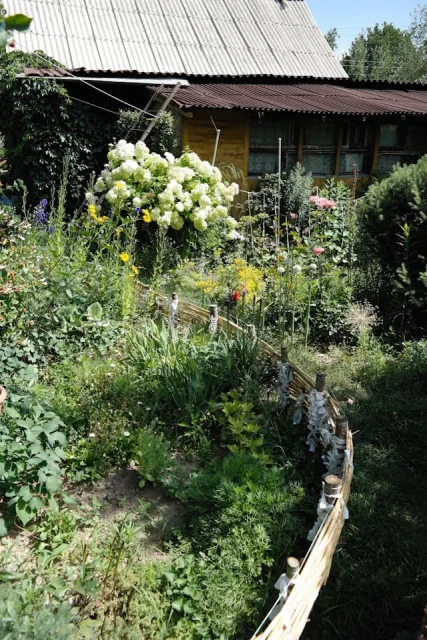
Don't Be Too Tidy: Resist the urge to deadhead every spent flower or clear all fallen leaves immediately. Seed heads provide winter sustenance, and leaf litter offers foraging opportunities for ground-feeding birds.
4. Create Natural Shelters
Birds need safe places to rest, roost, and escape predators.
Brush Piles: Instead of hauling away all your pruned branches, create a loose brush pile in a quiet corner of your yard. It offers excellent cover for small birds and can also attract beneficial insects, an additional food source.
Dense Shrubbery: Native evergreens like junipers or hollies provide year-round shelter from harsh weather and predators. Deciduous shrubs like dogwood or viburnum offer good seasonal cover.
Leave Snags (Dead Trees/Branches): If a dead tree or large branch isn't a hazard, consider leaving it. Snags provide cavities for nesting woodpeckers, chickadees, and nuthatches, and their decaying wood attracts insects for foraging.
Climbing Vines: Let vines like native honeysuckle or Virginia creeper grow on a fence or arbor. They offer dense cover and often berries.
DIY Projects and Repurposed Materials
2. DIY Feeders from Repurposed Materials
Commercial bird feeders can be pricey, but your recycling bin and garage likely hold treasures.
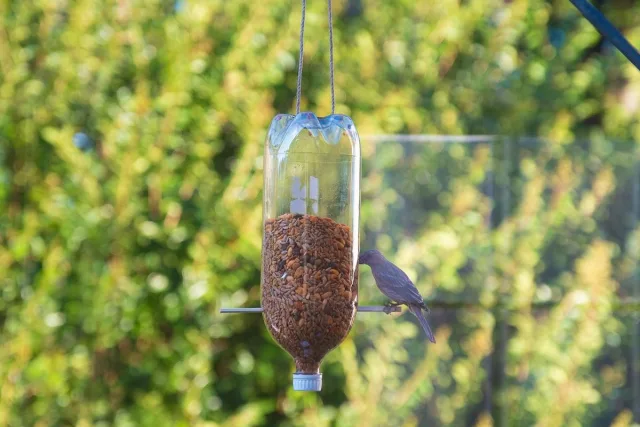
Plastic Bottle Feeder: Clean a plastic soda bottle. Cut out several small openings near the bottom. Insert old wooden spoons or dowels through the bottle below the openings, creating perches. Fill with black oil sunflower seeds. Hang with twine.
Milk Carton Feeder: Rinse out a half-gallon milk or juice carton. Cut a large opening on one side, near the bottom. Poke a small hole below the opening and insert a dowel or stick for a perch. Decorate with non-toxic paint if desired.
Pinecone Feeders: A classic for a reason! Collect pinecones. Spread peanut butter (or a nut-free alternative like sun butter) into the crevices. Roll in birdseed. Hang with string. These are particularly great for suet-loving birds.
Mesh Produce Bags: Re-purpose those mesh bags that onions or oranges come in. Stuff them with suet (homemade or store-bought, often cheaper in blocks) or even unsalted, shelled peanuts. Hang them from a branch.
Gourd Feeders: If you grow gourds, hollow them out, cut an opening, and let them dry. They make charming, natural feeders.
3. Water Features on a Dime
Water is essential, especially during dry spells and in winter. Birds are highly attracted to the sound and sight of moving water.
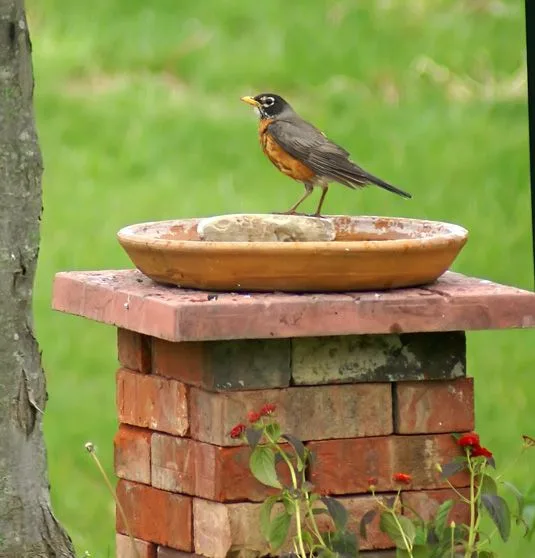
Saucer Bird Bath: The cheapest option is often an old pot saucer (terra cotta or plastic) placed on the ground or on top of a sturdy, flat rock. Ensure it's shallow (no more than 2 inches deep) or place some stones in it to create shallow areas for smaller birds to drink and bathe safely.
Repurposed Dishes: Old pie plates, sturdy frisbees, or even shallow casserole dishes can serve as impromptu bird baths.
DIY Dripper: Poke a tiny hole in the bottom of a plastic jug or milk carton. Fill with water and hang it above your bird bath. The slow drip will create ripples that catch birds' attention.
Hose Mister: A cheap misting nozzle attached to a short hose can create a fine spray on a hot day, irresistible to hummingbirds and other small birds.
5. DIY Roosting Boxes and Nesting Materials
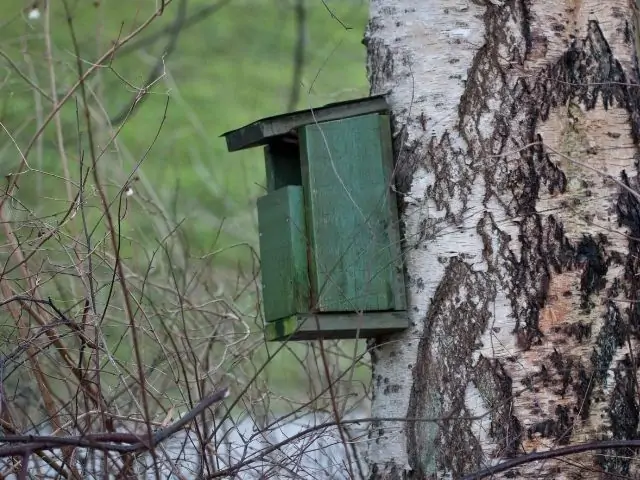
Simple Roosting Boxes: While more complex than feeders, basic wooden nesting boxes for wrens, chickadees, or bluebirds can be built with inexpensive untreated lumber. Look for free plans online from organizations like the National Audubon Society.
Offer Nesting Materials: In spring, birds are looking for nesting materials.
Lint Dispenser: Collect dryer lint (natural fibers only, avoid synthetic) and stuff it into an old suet cage or mesh bag.
Pet Hair: If you have pets, brush their hair (untreated by chemicals) and place clumps in a mesh bag or simply drape it over branches.
Small Twigs and Grass Clippings: Leave small piles of these around for easy collection.
Beyond the Basics: Extra Touches
6. Attract Hummingbirds with Homemade Nectar
Simple Syrup: Mix 1 part plain white sugar with 4 parts boiling water. Stir until dissolved. Let cool completely before filling a feeder. Do NOT add red dye; it's unnecessary and potentially harmful.
DIY Hummingbird Feeder: A simple plastic bottle with a red plastic cap and a bent wire or straw for a "flower" can work. Or, look for inexpensive glass feeders at discount retailers.
7. Reduce Pesticide Use
This is perhaps the cheapest and most impactful strategy. Pesticides kill the insects that many birds rely on for food, especially during nesting season when young birds need protein-rich diets. Embrace natural pest control and tolerate a few nibbled leaves for a healthier ecosystem.
8. Provide Grit
Birds don't have teeth, so they ingest small pieces of grit (sand, tiny pebbles) to help grind food in their gizzards. You can simply leave a small patch of fine gravel or coarse sand in a quiet corner of your yard.
9. Observe and Adjust
The beauty of backyard birding is its dynamic nature. Pay attention to which birds visit, what they're attracted to, and what they ignore. Adjust your offerings accordingly. Your observations will guide your efforts.
Wrapping Up
Creating a bird-friendly backyard doesn't require a large budget or professional landscaping. By focusing on native plants, repurposing household items, and understanding the basic needs of birds – food, water, and shelter – you can foster a thriving avian community right outside your door. These creative and cheap methods not only benefit local wildlife but also connect you more deeply with the natural world, offering countless hours of peaceful observation and enjoyment. So, grab some seeds, scout your recycling bin, and get ready to welcome a lively array of feathered visitors to your personal bird sanctuary.
Nevada’s Avian Oasis: Discovering the Desert Birds of the Silver State
