
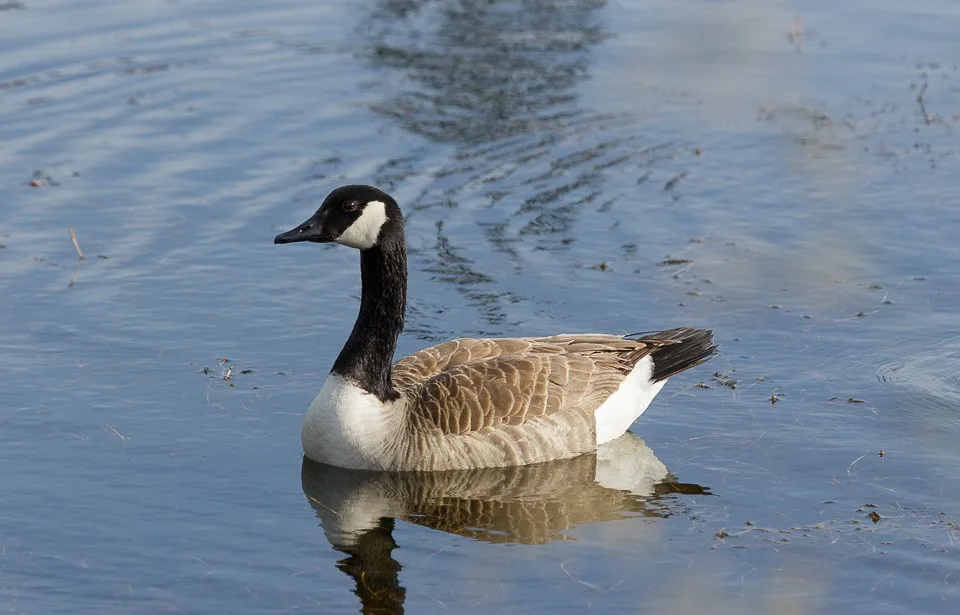
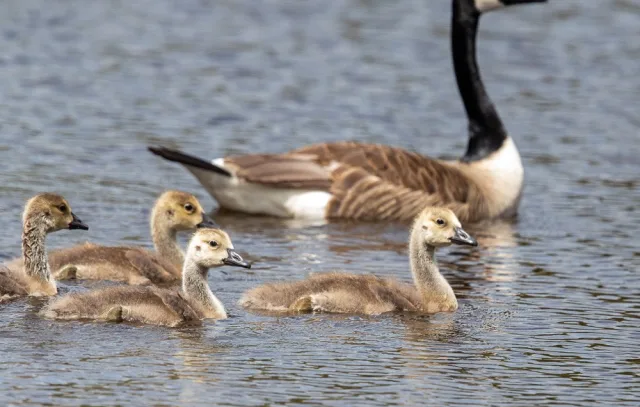
The Canada Goose (Branta canadensis) is perhaps the most familiar and widespread waterfowl in North America. Instantly recognizable by its long black neck and head with a distinctive white 'chinstrap' marking, the goose is an iconic image of the continent's wetlands and skies. While revered for its V-formation migratory flights and complex social structure, the species' adaptability, coupled with human intervention, has led to it becoming a non-native, problematic pest in many parts of the world, particularly within urban environments.
Appearance and Subspecies
The Canada Goose is a large waterfowl, generally sporting grayish-brown body plumage that contrasts sharply with its black neck and head. They have a stout body, large webbed feet, and a dark bill. They are notable for their highly variable size; the species complex was historically divided into numerous subspecies based on size and range, ranging from the very small Cackling Goose (which is now recognized as a separate species, Branta hutchinsii) to the giant Giant Canada Goose (B. c. maxima).
These size differences often correlate with migratory behavior, although most are large, especially the non-migratory populations that have flourished in urban areas.
Habitat and Behavior
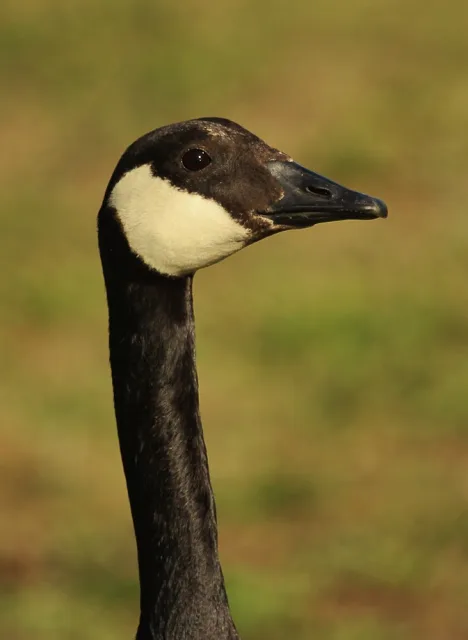
Historically, Canada Geese were primarily associated with open freshwater habitats—lakes, marshes, ponds, and rivers—across the northern US and Canada. They are highly adaptable herbivores, grazing on grasses, aquatic plants, and waste grains.
A significant shift occurred with the development of modern urban and suburban landscapes:
Lawns: Large, manicured, irrigated lawns—common in parks, golf courses, and corporate campuses—provide a perfect, endless food source of short, nutrient-rich grasses.
Safety: These areas offer open sightlines to spot predators and lack natural threats.
Water Access: Retention ponds, decorative lakes, and golf course water features provide safe, open nesting and loafing areas.
This environmental shift has created massive populations of non-migratory or resident geese, whose ancestors either stopped migrating or were intentionally introduced into these human-dominated areas. These resident flocks are the primary source of conflict.
Global Spread and Pest Status
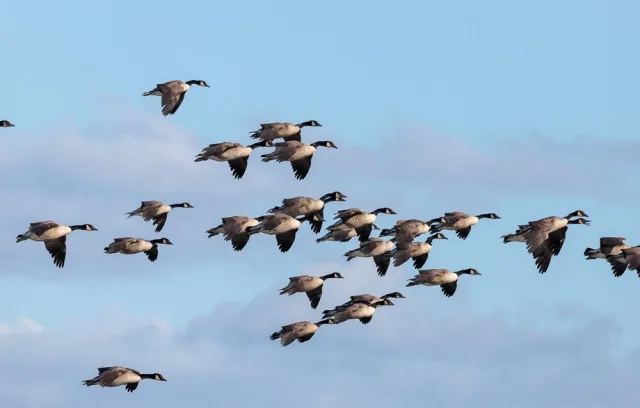
The Canada Goose has achieved a broad geographical spread largely through intentional human introduction and translocation, leading to its current pest status in several non-native locations.
Introduction in Europe and Beyond
The species was actively introduced to numerous countries as an ornamental bird or a game bird, often starting in the 17th century but intensifying in the 20th century.
United Kingdom: Geese were introduced in the 17th century, likely for aristocratic estates. Populations grew slowly until the mid-20th century. They have since colonized much of England, Scotland, and Ireland, establishing large, non-migratory flocks.
Scandinavia: Introductions occurred in the 20th century in countries like Sweden, Norway, and Finland, where they also established thriving resident populations.
New Zealand: Geese were introduced for sport hunting and established small but localized populations.
Becoming a Feral Pest
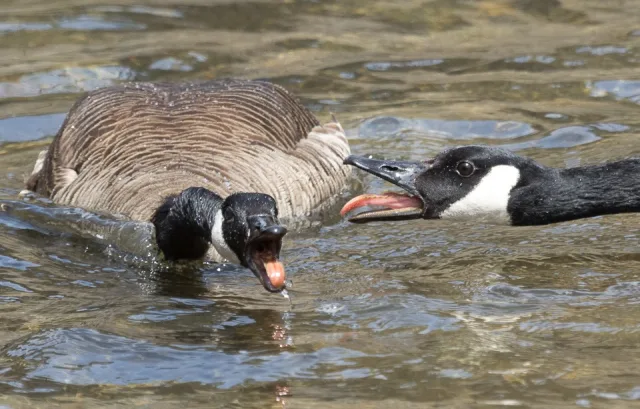
In these non-native areas (and increasingly in its native urban range), the Canada Goose is considered a pest due to several issues:
Fecal Contamination: A single goose can produce a significant amount of droppings per day. Large flocks contaminate public areas, including parks, beaches, walkways, and especially golf courses, posing a health risk and requiring extensive clean-up.
Water Quality: Large concentrations of droppings near ponds and lakes contribute excessive nutrients (nitrogen and phosphorus), leading to eutrophication and promoting harmful algae blooms.
Aggression: During the nesting season (spring), geese, particularly the protective males (ganders), can become highly aggressive toward humans, pets, and native wildlife, defending their nests.
Damage to Vegetation: Intensive grazing by large flocks can damage turf, agricultural crops, and native plant communities near water bodies.
Management and Control
Management efforts often focus on reducing the birth rate of resident flocks and making urban habitats less appealing. Methods include:
Egg Addling/Oiling: Preventing eggs from hatching by shaking or coating them with corn oil, a humane technique that stops the development of the embryo while keeping the adults on the nest until the breeding season is over, preventing them from laying a new clutch.
Habitat Modification: Reducing the availability of preferred short grasses (e.g., planting tall, less palatable ground cover) and blocking easy access from water bodies to lawns.
Hazing: Using dogs, decoys, or loud noises to scare flocks away from sensitive areas, though this provides only temporary relief.
Despite its current reputation as a nuisance in urbanized areas, the Canada Goose remains a powerful symbol of the wilderness and migration in its native range, highlighting the complex relationship between wildlife and human-altered environments.
