
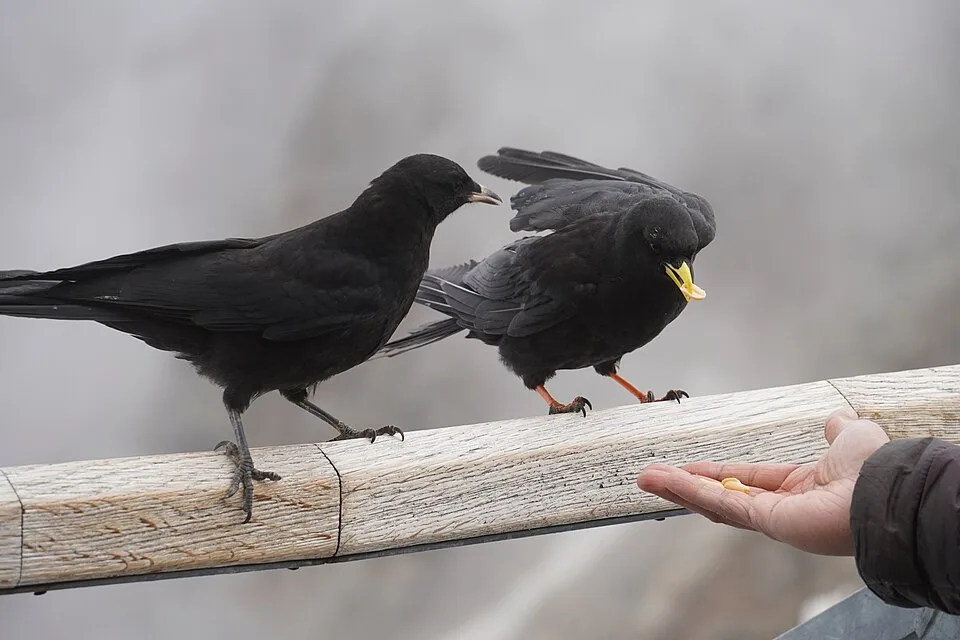
It is a tradition as old as human settlement: tossing stale bread scraps, leftover rice, or cracked biscuits out the back door for wild birds. This act, often motivated by genuine kindness and a deep-seated desire to help local wildlife, is sustained by the simple, comforting belief that "it can’t be that bad—people have been doing it forever." This long-held assumption is, unfortunately, contradicted by decades of scientific evidence and wildlife management experience. Far from being a harmless treat, feeding wild birds, and especially waterfowl, a diet of processed food scraps like bread, chips, and crackers is ecologically irresponsible and, in many cases, demonstrably harmful and even fatal.
While an occasional, tiny piece of whole grain bread might not immediately harm an individual bird, chronic and widespread feeding of processed human foods has devastating consequences that affect not just the birds' nutrition but their entire ecosystem, leading to disease, physical deformities, and environmental degradation.
The Nutritional Void: Empty Calories and Malnourishment
The most immediate and critical problem with feeding birds bread and similar refined carbohydrates is that these items provide almost no essential nutrition.
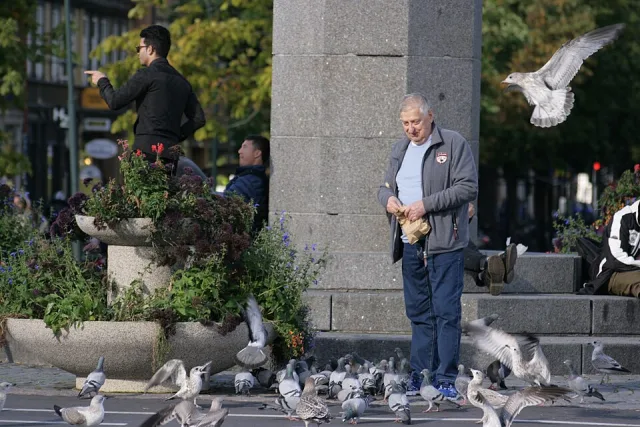
A. The "Junk Food" Effect
Processed bread, crackers, and snacks are essentially empty calories for a bird. They are high in starches and, often, salt and sugar, but critically low in the fundamental nutrients birds need to survive:
- Protein: Essential for muscle growth, feather development, and egg production.
- Fats: Necessary for insulation, energy reserves, and successful migration.
- Vitamins and Minerals: Crucial for bone health and immune function.
A bird that fills its small, rapidly working digestive tract with bread has no room for the natural, nutrient-dense foods it requires, such as seeds, insects, and berries. This leads to chronic malnutrition, particularly damaging during crucial life stages.
B. The Danger for Young Birds
This nutritional deficiency is catastrophic for growing chicks and young waterfowl. Birds that are primarily fed scraps during their growth phase often develop skeletal deformities because they lack adequate calcium, Vitamin D, and manganese.
- Angel Wing: This irreversible condition is particularly common in young ducks and geese whose parents rely on human handouts. It causes the last joint of the wing to twist outward, preventing the bird from flying and condemning it to life as a grounded, highly vulnerable individual.
Environmental and Disease Consequences
The harm caused by human scraps extends far beyond the individual bird's health, creating systemic problems for the entire local ecosystem.
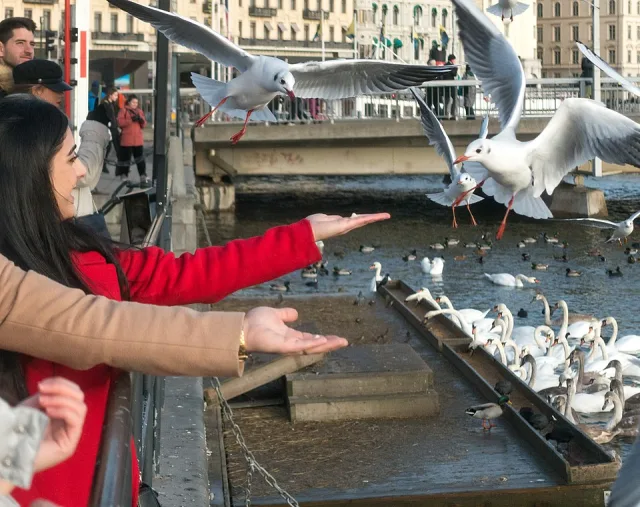
A. Concentration and Disease Spread
When large amounts of food are tossed into small areas (like a park pond or a backyard feeder), it attracts an unnaturally high concentration of birds. This crowding creates the perfect conditions for the rapid transmission of parasites and infectious diseases.
- Fecal Contamination: High bird densities lead to massive amounts of droppings that contaminate the feeding area and any associated water source. This contamination can lead to illnesses like Salmonellosis and Avian Pox, which can quickly decimate entire local populations.
- Botulism: Uneaten bread and scraps sink to the bottom of ponds and lakes, where they rot. This decaying organic matter depletes oxygen and encourages the proliferation of the bacterium Clostridium botulinum. Birds that ingest the contaminated water or fly larvae that live in the decaying matter can contract Avian Botulism, a severe paralytic disease that leads to widespread die-offs.
B. Water Quality Degradation
The moldy, uneaten food that accumulates in and around water bodies causes nutrient pollution. The resulting decomposition leads to:
- Eutrophication: The excess nitrogen and phosphorus from the rotting food promote excessive growth of algae (algal blooms), reducing light penetration and depleting the oxygen supply. This harms fish and other aquatic life, fundamentally damaging the ecosystem.
- Pest Attraction: Decaying food and high bird droppings also attract non-native pests, including rats and mice, further degrading the health and safety of the area for both wildlife and humans.
Behavioral and Ecological Disturbances
The convenience of human feeding fundamentally alters the natural behavior of wild birds, often leading to dependency and aggression.
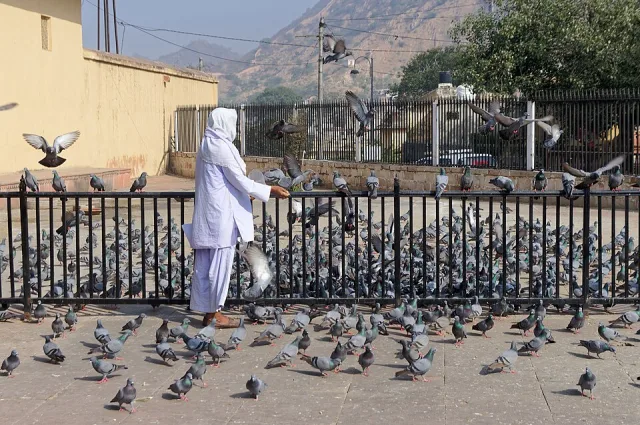
A. Loss of Natural Instincts
Birds that become reliant on handouts often lose their natural fear of humans and their instinct to forage for diverse, appropriate foods.
- Delayed Migration: Ducks and geese that are constantly fed often delay or entirely skip their essential southward migration, mistakenly believing a reliable food source guarantees winter survival. When the weather turns severely cold and the pond freezes over, these non-migrating birds often face starvation or freezing, especially when human feeding ceases during harsh weather.
- Aggression: Artificially high concentrations of birds lead to unnatural competition and aggression. Feeding flocks become bolder and often aggressive towards people in expectation of food, and they can dominate the area, driving away smaller, shyer native species that rely on the same resources.
B. The Case of the Canada Goose
Chronic feeding in parks contributes significantly to the population boom of birds like the Canada Goose. While a conservation success story, their overpopulation in certain areas leads to conflicts with people, massive fecal contamination of lawns and parks, and overgrazing of native vegetation, making them a significant nuisance. This issue is directly exacerbated by the "it can’t be that bad" mentality that encourages the continuation of human feeding.
Dispelling the Myth: "People Have Been Doing It Forever"
The argument that feeding scraps is harmless because it's a long-standing tradition fails to account for three crucial modern realities:
- Industrial Food Processing: Bread and scraps today are chemically and nutritionally different from the unprocessed grains and milled flour of the past. Modern white bread is highly refined, offering even less nutritional value than historical grains.
- Scale of Impact: While historical feeding was localized and infrequent, today's practice is widespread, constant, and fueled by a massive human population that regularly visits public parks and water bodies. The sheer volume of processed food introduced into the environment is unprecedented.
- Scientific Understanding: Previous generations lacked the scientific tools to diagnose nutritional deficiencies like Angel Wing or understand the role of Avian Botulism in die-offs. We now have a clear scientific consensus that these practices are detrimental.
A Kinder Way to Help
The impulse to feed birds stems from a genuine place of caring, but true kindness requires informed action. If the goal is to help wild birds, the best approach is to stop feeding human scraps and instead focus on providing appropriate resources and habitat:
- Offer Appropriate Food: Use high-quality, whole, natural birdseed (like black oil sunflower seeds, Nyjer seed, and white proso millet) in clean, well-maintained feeders.
- Provide Water: A source of fresh, clean water is often more valuable than food.
- Plant Natives: Plant native, berry-producing shrubs and trees, which provide birds with natural, nutrient-rich food and safe cover.
Wrapping Up
In conclusion, the seemingly innocent act of feeding bread and scraps to wild birds is a practice that needs to be retired. While the intent is compassionate, the outcomes—malnutrition, disease outbreaks, ecological degradation, and physical deformities—are severe. True conservation requires resisting the comfort of outdated tradition and embracing the informed responsibility of promoting the birds' natural diet and wild behavior.
