
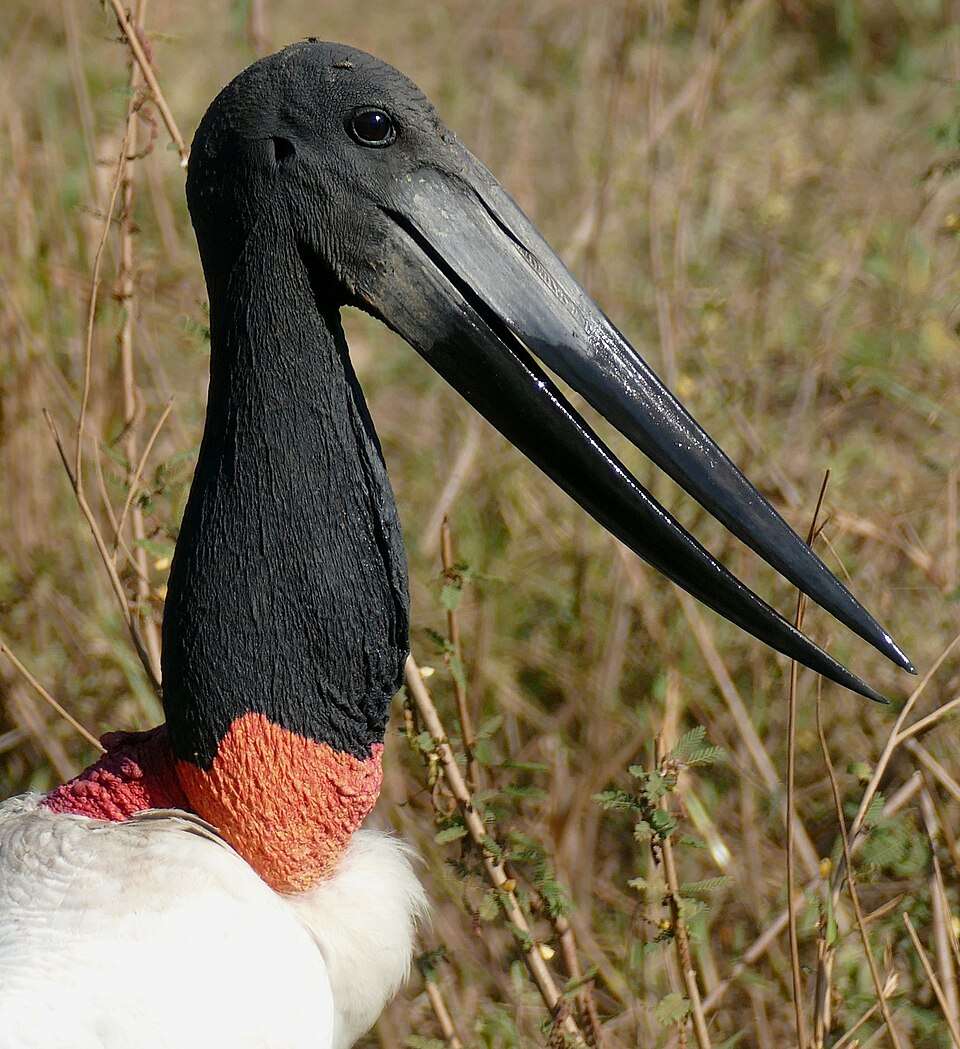
For the American birder, there is a certain "bucket list" hierarchy of destinations. The Galápagos offers evolutionary wonder; the Amazon provides dense, mysterious complexity. But for sheer, unadulterated volume—the kind of place where you don't just see a bird, but witness a spectacle—the Pantanal stands alone.
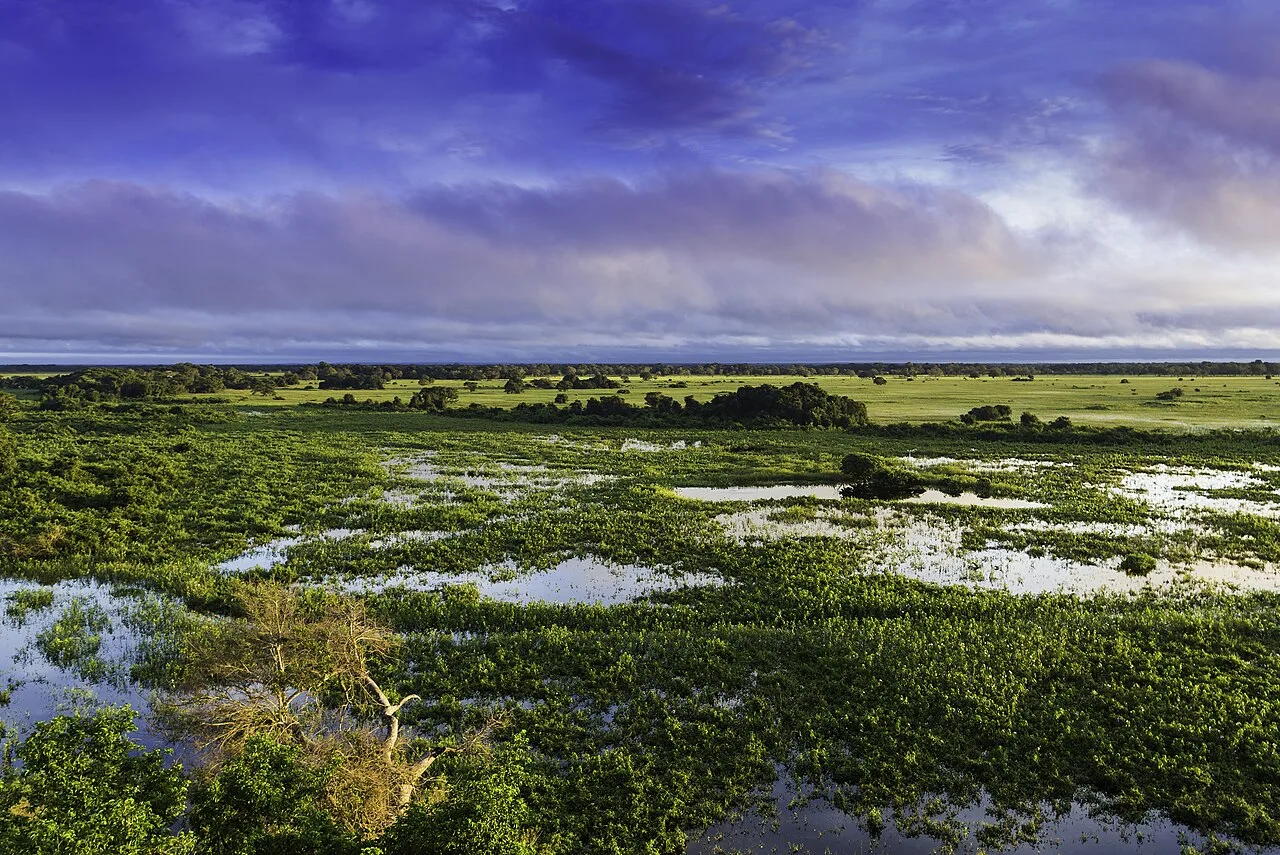
Larger than the state of Florida, the Pantanal is the world’s largest tropical wetland. While the Amazon’s thick canopy often hides its treasures, the Pantanal’s open savannas and seasonal floodplains offer a "National Geographic" style of visibility. Here, the birds aren't just present; they are the protagonists of the landscape.
Why the Pantanal?
Unlike many dense tropical forests where you might spend hours chasing a single "chip" note in the canopy, birding in the Pantanal is remarkably accessible. The region is a mosaic of flooded grasslands, gallery forests, and scrubby woodlands (Cerrado), providing a high diversity of niches.
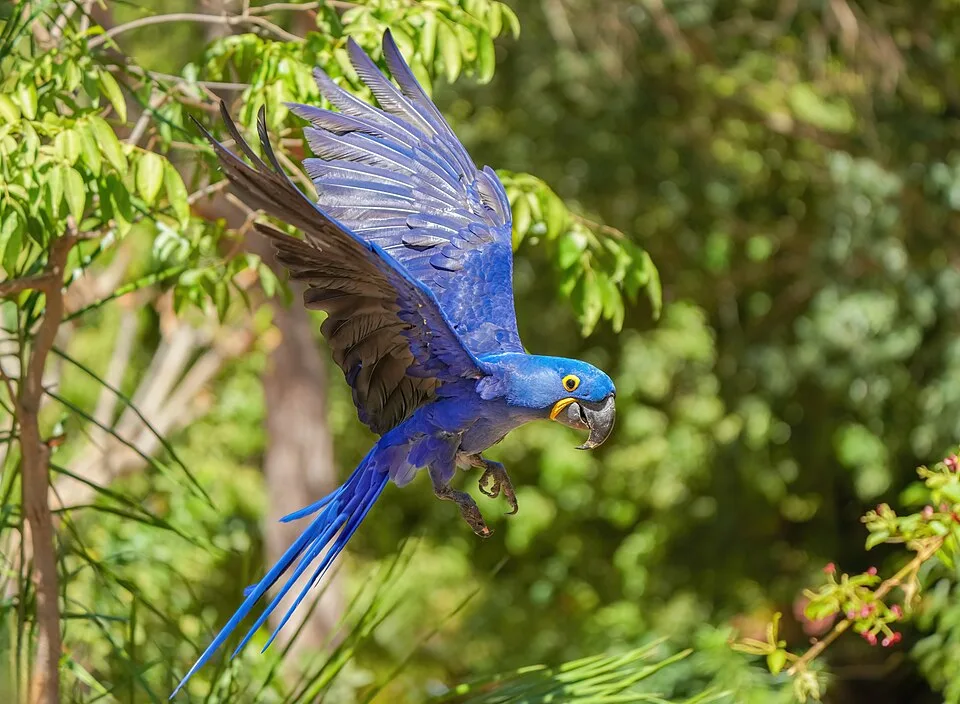
The star of the show is undoubtedly the Hyacinth Macaw. Clad in stunning cobalt-blue feathers with bright yellow accents around the eyes and beak, it is the world’s largest parrot. Once on the brink of extinction, they are now a common sight around many eco-lodges. You will also encounter the Jabiru Stork, the symbol of the Pantanal, standing nearly five feet tall with a massive black beak and a distinctive red neck band.
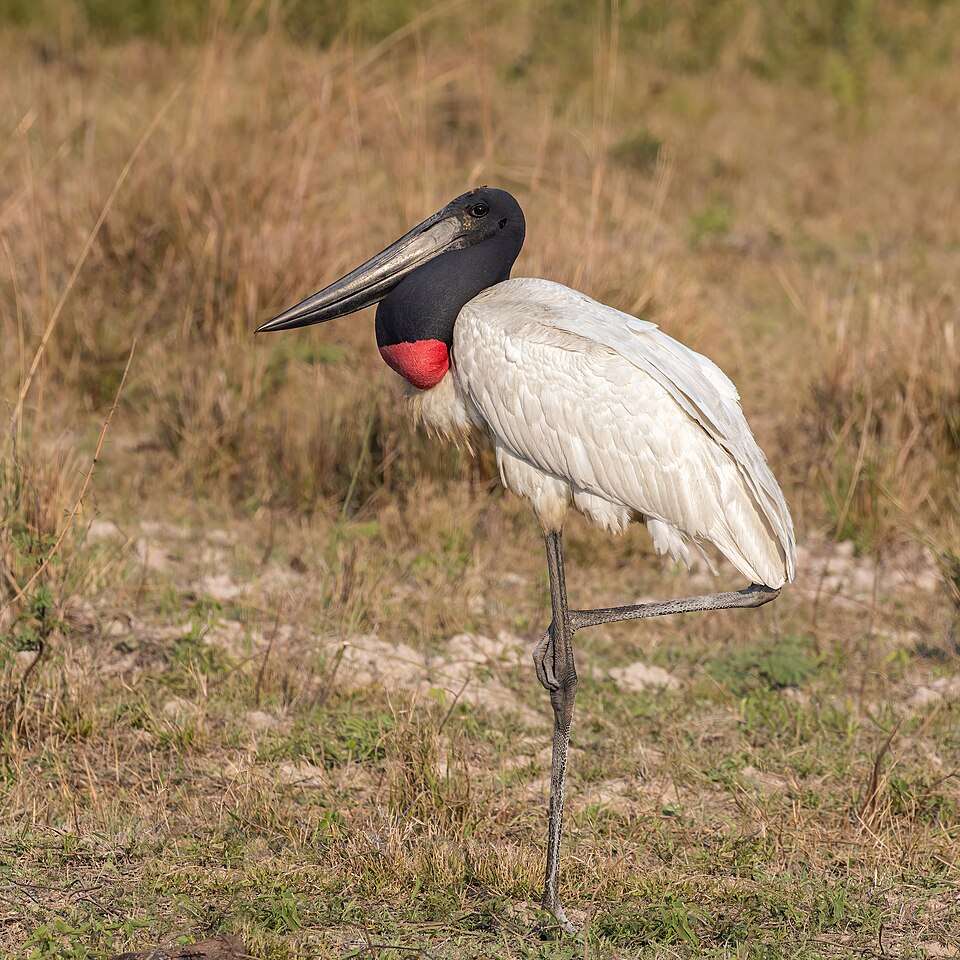
Species Spotlights: What to Look For
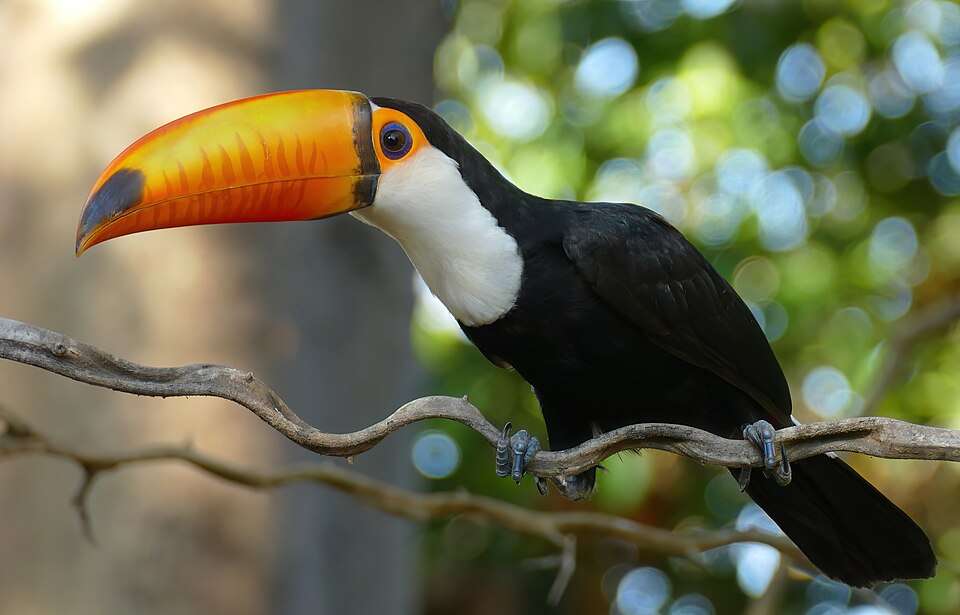
With over 600 species of birds, your checklist will grow rapidly. Keep your binoculars ready for these highlights:
The Big Raucous Ones: Beyond the Hyacinth, look for Golden-collared Macaws, Toco Toucans (the ones with the giant orange beaks), and the Southern Screamer, a primitive-looking bird that sounds exactly like its name.
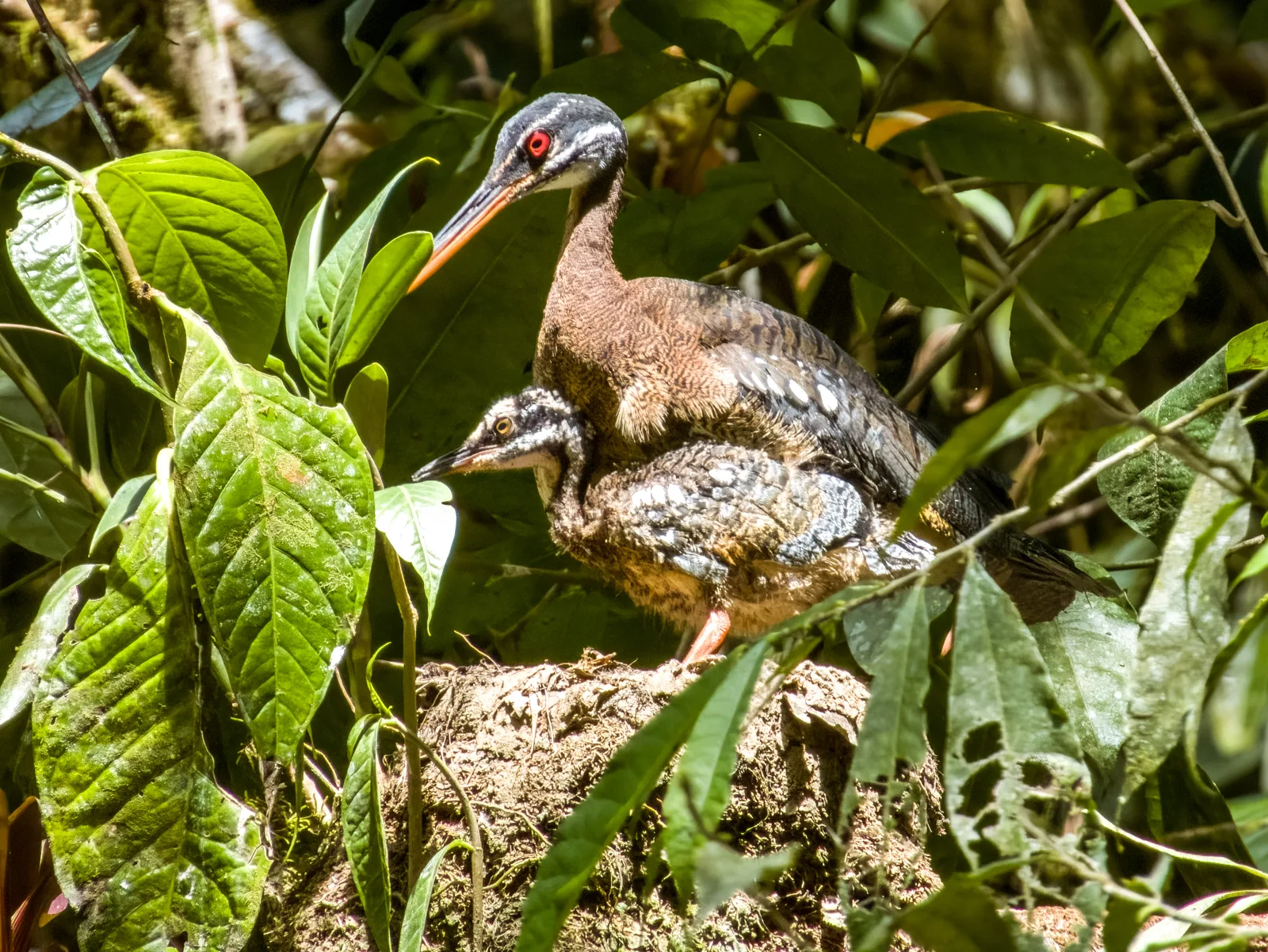
The Water Specialists: The network of rivers is home to five species of Kingfishers, the prehistoric-looking Sunbittern (which displays "eye-spots" on its wings to deter predators), and the Sungrebe.

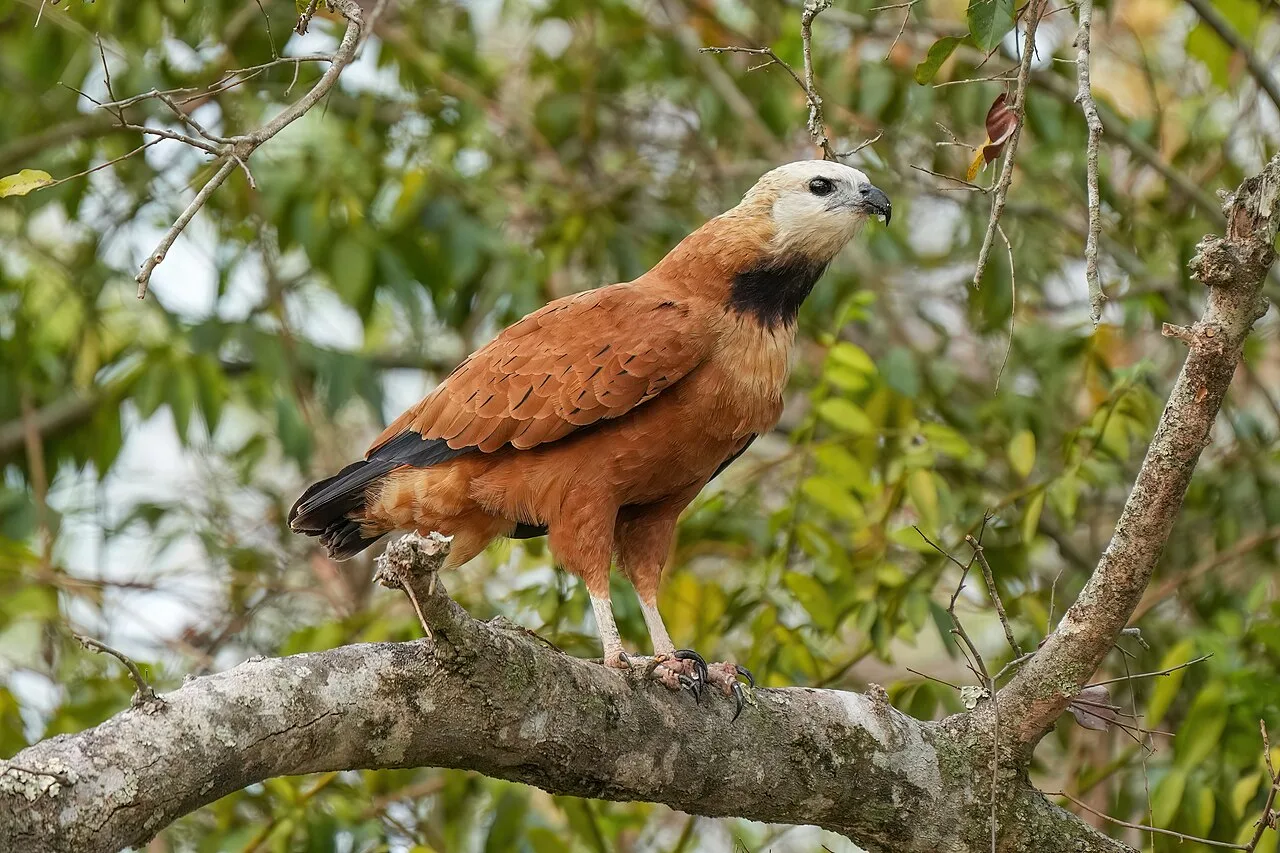
Sunbittern The Raptors: The Pantanal has one of the highest densities of raptors in the world. You’ll see Snail Kites dipping into the marshes and the handsome Black-collared Hawk perched on branches overhanging the water.
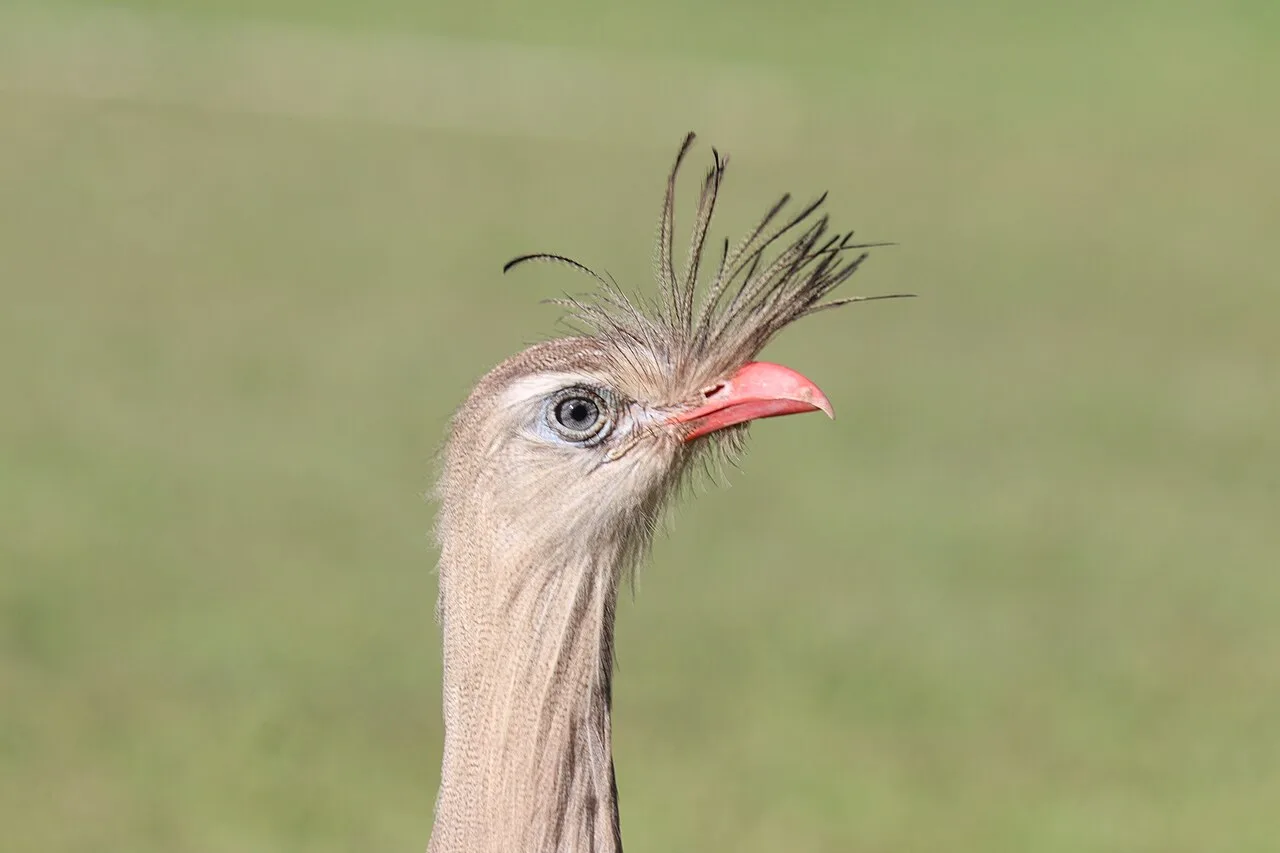
The Ground Dwellers: On the savanna, look for the Greater Rhea—South America’s answer to the ostrich—and the Red-legged Seriema, a snake-hunting bird that looks like a modern-day velociraptor.

Red-legged Seriema
Planning Your Trip: Logistics for U.S. Travelers
1. North vs. South: Which Region?
The Pantanal is generally split into two gateways:
Northern Pantanal (Cuiabá): Accessed via the Transpantaneira, a 90-mile dirt road with over 120 wooden bridges. This is the premier spot for birders who also want to see Jaguars, especially at the end of the road in Porto Jofre.
Southern Pantanal (Campo Grande): This area offers more "fazenda" (ranch) style stays. It is often easier to access and can be combined with the crystal-clear snorkeling rivers of Bonito.
2. When to Go
The Pantanal is dictated by the water cycle.
The Dry Season (July to October): This is the gold standard for birding. As the floodwaters recede, fish are trapped in shrinking pools, attracting thousands of storks, herons, and egrets. The weather is also more predictable, though it can get surprisingly chilly (down to 40°F) at night.
The Wet Season (December to March): Many lodges close as roads become impassable. While the landscape is lush, the wildlife is more dispersed and harder to find.
3. Entry Requirements (Vital for 2026)
As of early 2026, U.S. citizens are required to have a valid e-Visa to enter Brazil. You should apply at least a month before your departure through the official VFS Global portal.
Passport: Must be valid for at least six months beyond your stay.
Health: While Yellow Fever vaccination is not strictly required for entry from the U.S., it is highly recommended for the Pantanal. Consult your travel clinic about malaria and dengue precautions, though the Pantanal is generally considered lower risk than the Amazon.
Tips for a Successful Birding Safari
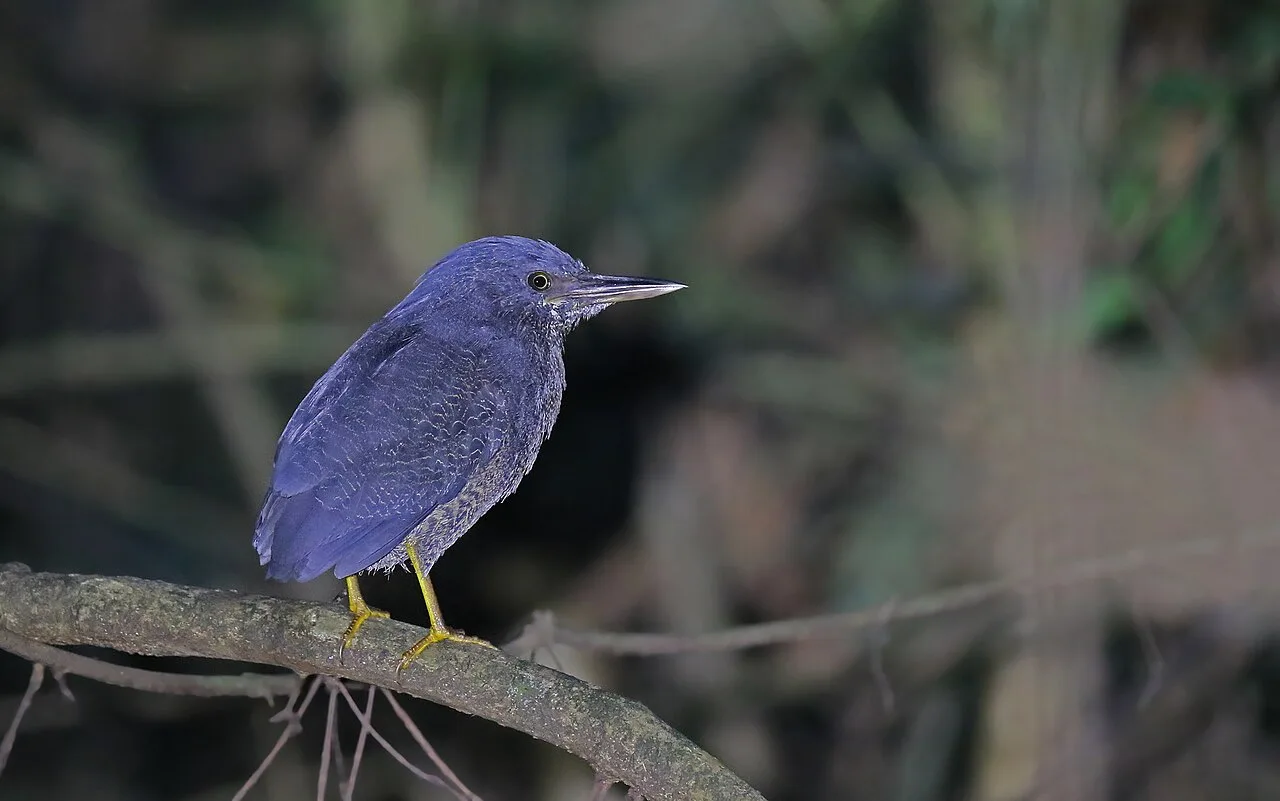
Hire a Specialist Guide: While you can see many birds from the porch of your lodge, a specialized birding guide knows the specific calls and "secret spots" for elusive species like the Zigzag Heron or the Agami Heron.

Zigzag Heron Gear Up: Bring a long lens (400mm+) for photography, but don't forget a wide-angle for the sunsets. Binoculars with a wide field of view are essential.
Pack for Layers: The temperature can swing 40 degrees between a sunrise boat tour and a mid-afternoon safari.
The "Jaguar Factor": Most birding tours in the North naturally include boat trips into the Taiamã Reserve or Porto Jofre. While you're looking for Kingfishers, keep an eye on the riverbanks—the Pantanal is the best place on Earth to see wild Jaguars.
Top Lodging Recommendations
| Lodge | Region | Known For |
| Araras Eco Lodge | North | Excellent trail system and observation towers. |
| SouthWild Pantanal | North | Famous for Great Potoos and Jabiru nests. |
| Caiman Ecological Refuge | South | Luxury stay with a world-renowned Hyacinth Macaw project. |
| Pousada Piuval | North | Great for Hyacinth Macaws and giant anteaters right on the grounds. |
The Pantanal is not just a destination; it’s an immersion. There is no other place on the planet where you can sit on a porch with a cup of Brazilian coffee while three different species of parrots fly overhead and a Jabiru stork builds a nest in the tree next to you. It is, quite simply, the greatest theater of avian life on Earth.
