
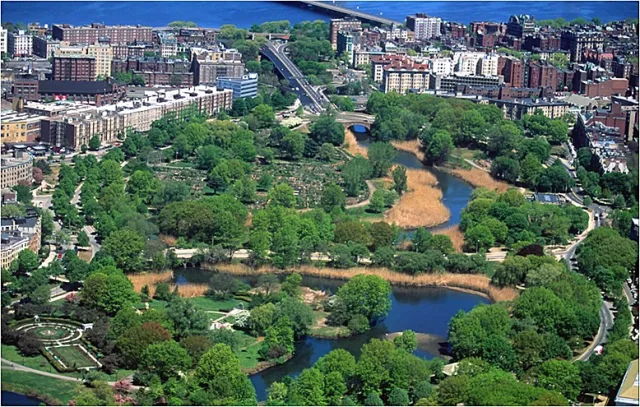
In the dense, bustling heart of Massachusetts’ capital city, an essential green artery—a living, breathing sanctuary—winds its way through Boston and Brookline. This is the Emerald Necklace, a 1,100-acre chain of parks and waterways designed by the visionary Frederick Law Olmsted in the late 19th century. Conceived originally as a sanitary solution to polluted marshes, the Necklace has evolved into a priceless urban wilderness, offering critical habitat, a natural travel corridor, and a vital refueling station for the countless birds that migrate along the Atlantic Flyway or call the city home.
A Green Corridor for the Atlantic Flyway
The sheer size and connected nature of the Emerald Necklace—linking the Boston Common, Public Garden, Commonwealth Avenue Mall, Back Bay Fens, The Riverway, Olmsted Park, Jamaica Pond, Arnold Arboretum, and Franklin Park—is its greatest asset to avian life. In a landscape dominated by steel and concrete, this continuous chain of green space acts as a critical migratory funnel, guiding birds safely through the urban jungle.
From early spring through late fall, the parks brim with the life of migrating songbirds. Birders flock to areas like the Arnold Arboretum and Franklin Park during these seasons, often treated to spectacular "fallouts" where dozens of species rest and feed before continuing their journey.

Waterfowl and Wading Birds of the Ponds
The watery jewels of the Necklace—Jamaica Pond, the Muddy River, and the basins of the Back Bay Fens—provide essential refuge for waterfowl and wading birds year-round, especially during winter when the coast can be unforgiving.
Jamaica Pond, the largest body of water in the system, is a reliable spot for observing diverse ducks. Common sightings include the familiar Mallard and Canada Goose, but birders can also look for less common visitors such as Hooded Mergansers, Northern Shovelers, and the occasional Pied-billed Grebe. The pond’s long, open surface allows for excellent viewing of these species bobbing on the water.
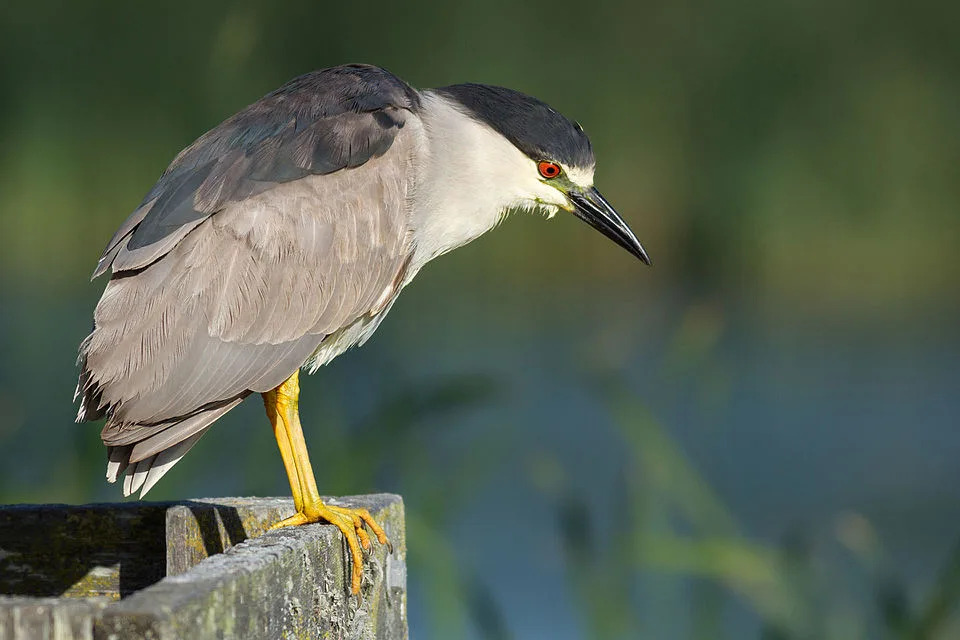
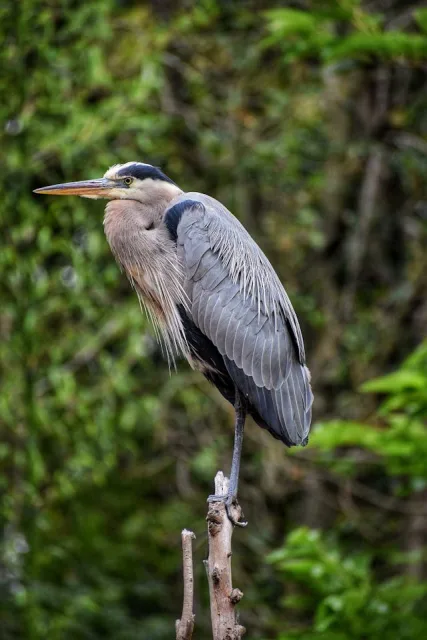
The reedy edges of the Muddy River, particularly in the Fenway and Riverway sections, are prime hunting grounds for waders. The Great Blue Heron, a stately and patient fisherman, is a common sight, as is the stockier Black-crowned Night-Heron, often seen perching quietly during the day before beginning its nocturnal hunt.
Woodland Species of the Arboretum and Franklin Park
The more expansive and heavily wooded sections of the Necklace—the Arnold Arboretum and Franklin Park—offer a different, equally rich avian experience, particularly for woodland and forest-dwelling species.
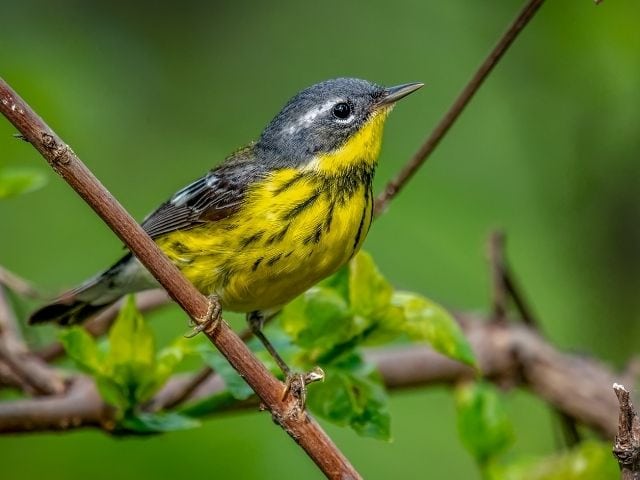
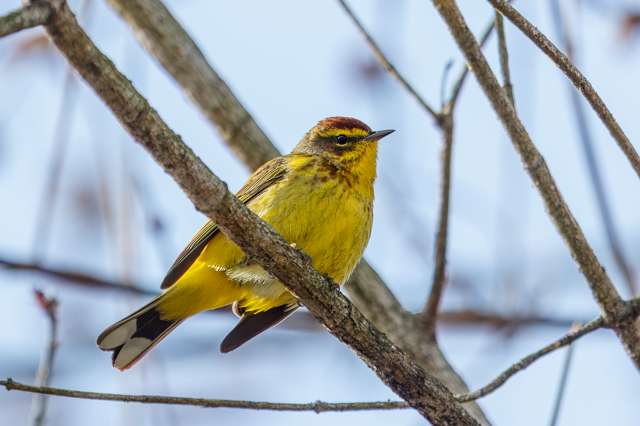
The Arnold Arboretum of Harvard University, with its vast collection of hardy trees and shrubs, creates a dense, multi-layered habitat that is extremely attractive to a wide variety of birds. Over 160 species have been recorded here. During migration, the Arboretum’s varied plantings draw in a colorful array of Warblers (such as the Black-throated Blue, Magnolia, and Palm Warblers), Vireos, and Thrushes. In winter, its dense conifers provide shelter for resident birds and northern irruptive species.
Franklin Park, the “crowning jewel” of the Necklace, boasts large tracts of mature forest, open meadows, and the Scarboro Pond. This variety of ecosystems attracts the Red-tailed Hawk, a common city raptor often seen perched on high branches surveying the landscape. The patient observer may also spot a variety of woodpeckers, including the Red-bellied Woodpecker and Downy Woodpecker, drumming on the old oaks and maples.
Raptors and Residents of the Urban Edge
Even the smallest parks and the urban periphery of the Emerald Necklace support specialized avian life.
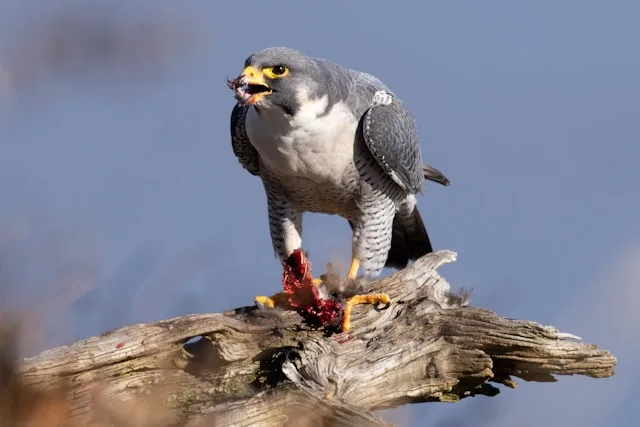
Raptors have successfully adapted to life near the city’s skyscrapers. Peregrine Falcons, the world’s fastest bird, are known to nest on tall buildings near the Necklace, hunting pigeons and starlings over the parklands. Red-tailed Hawks are ubiquitous, finding perfect nesting spots in the tallest trees of the parks while using the open lawns and meadows for foraging.
The quintessential year-round resident birds thrive here, too. The bold, vocal Blue Jay, the cheerful Black-capped Chickadee (Massachusetts’ state bird), and the brightly colored Northern Cardinal are a daily presence, providing song and movement even on the coldest days. Species like the American Robin and Mourning Dove utilize the open lawns of the Fens and the Public Garden, reminding visitors that nature persists just beyond the pavement.
Conservation and the Future of the Necklace
The continued avian vitality of the Emerald Necklace is not accidental; it is a direct result of decades of conservation and restoration efforts. Organizations like the Emerald Necklace Conservancy work tirelessly to maintain the health of the waterways (the Muddy River Restoration Project is a major example) and ensure the parks remain clean, safe, and ecologically functional.
By preserving Olmsted’s vision of a continuous, healthy green corridor, the Emerald Necklace secures not only a respite for Bostonians but also a crucial haven for the migratory and resident birds that define the ecological character of the city. For residents and visitors alike, it is a living reminder that the greatest wilderness is often found right in our own backyard.
Best Time for Bird Migration
The absolute best time to visit the Emerald Necklace for peak species diversity is during the two main migration periods.
Spring Migration (Late April to Mid-May)
Peak Time: The two weeks surrounding Mother's Day (typically the first half of May).
What to See: This is the most exciting time for neotropical migrants, especially warblers (like Magnolia, Black-throated Blue, and Palm), vireos, and thrushes passing through on their way north to their breeding grounds. They are in their brightest breeding plumage and are often singing vigorously.
Best Spots: The dense, varied canopy of the Arnold Arboretum and Franklin Park act as "migrant traps," where birds stop to rest and refuel.
Fall Migration (Mid-August to Late October)
Peak Time: September through mid-October.
What to See: While the birds are less brightly colored (often in drabber non-breeding plumage), the sheer quantity is greater, including many young birds hatched that summer. This is prime time for raptor migration (like Red-tailed and Sharp-shinned Hawks) and the arrival of waterfowl as they head south.
Best Spots: Look for raptors soaring over the larger parks like Franklin Park. The ponds, such as Jamaica Pond, will begin filling up with ducks and geese.
Winter Waterfowl (December to March)
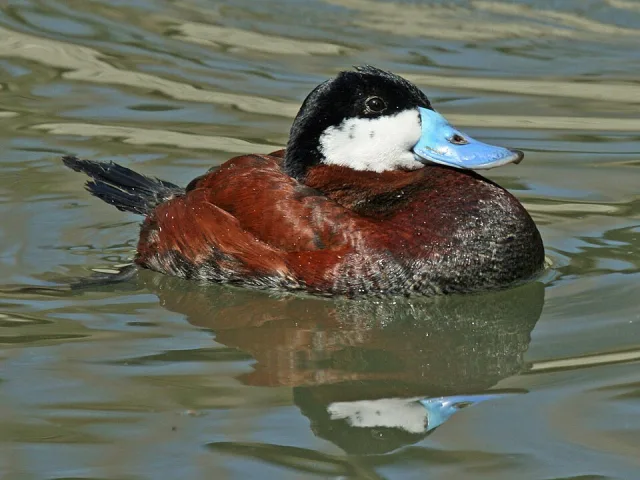
While not a migration peak, winter offers a chance to see species that breed farther north. Look for diverse ducks (e.g., Hooded Mergansers, Ruddy Ducks, American Coots, and various grebes) that overwinter on the unfrozen waters of Jamaica Pond and the Muddy River sections.
Birding Events & Activities
The Emerald Necklace Conservancy and partner organizations like the Brookline Bird Club and Zoo New England frequently host events, often with a focus on beginner birders.
| Event Type | Typical Time of Year | Description & Example |
| Guided Bird Walks | Year-round, but frequent in Spring/Fall | Early morning walks led by expert naturalists focused on identifying migrants. Example: The Brookline Bird Club regularly hosts walks in Olmsted Park and Jamaica Pond. |
| Waterfowl Tours | Late Fall/Early Winter (Nov/Dec) | Focuses on identifying the different species of ducks and geese on the ponds. Example: The Boston Birding Festival often hosts a "Duck Duck Goose" trip in Olmsted Park. |
| Nature Connection Events | Spring, Summer, and Fall | The Emerald Necklace Conservancy hosts free family events which often include birding, wildlife tracking, and "Birds of Prey" presentations with live raptors. |
| Biodiversity Walks | Summer (e.g., August) | Walks focused on documenting all urban wildlife in specific areas like Franklin Park, often co-led with organizations like Zoo New England. |
I recommend checking the Emerald Necklace Conservancy's event calendar and the Brookline Bird Club's trip schedule closer to your preferred travel time, as exact dates and registration requirements are usually announced a few weeks in advance.
