
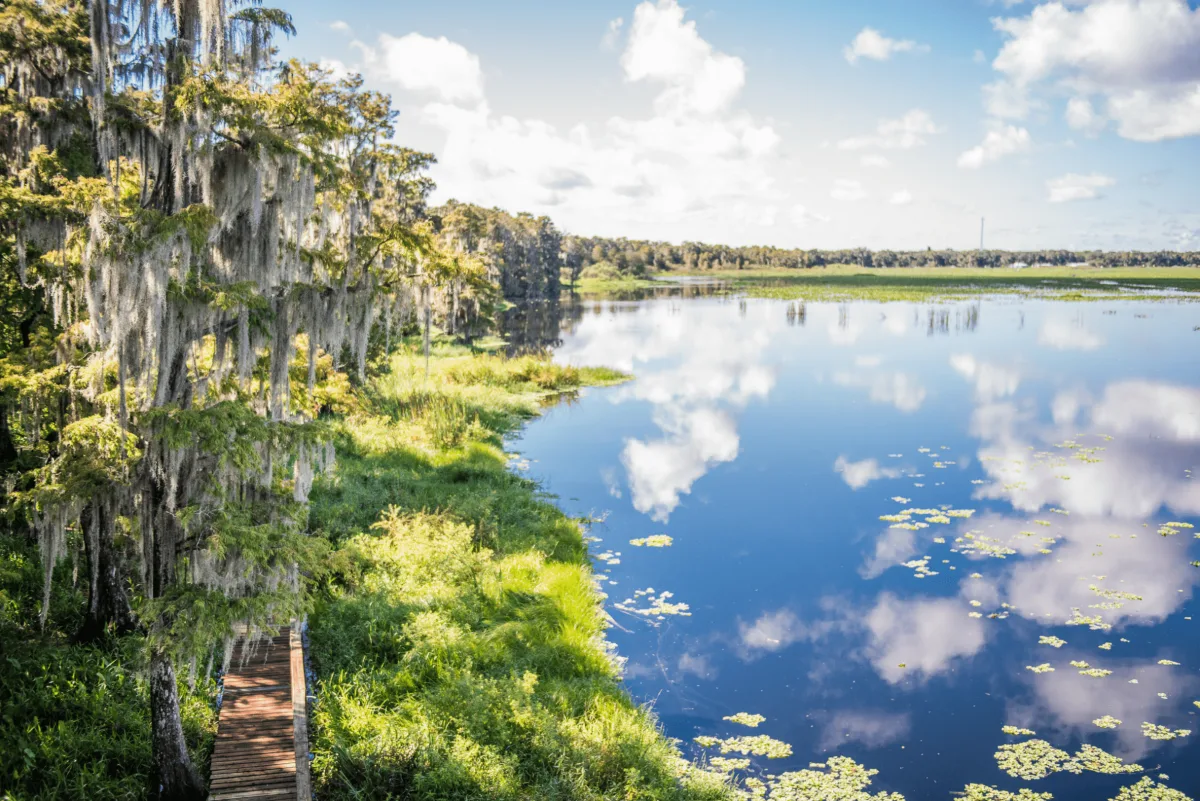
In the heart of central Florida lies a vast, 106,000-acre tract of land known as the Avon Park Air Force Range (APAFR). On the surface, it is a place defined by its mission: a critical military training ground used for bombing practice, low-level flight runs, and artillery drills. Yet, within its safety buffers and restricted zones, a remarkable ecological drama has unfolded, turning this working military installation into one of the most unlikely, yet vital, sanctuaries for a federally protected species: the Red-cockaded Woodpecker (RCW).
This is a story of conservation success where the preservation of military readiness and the protection of endangered wildlife have converged through decades of dedicated partnership.
The Imperiled Woodpecker and Its Habitat
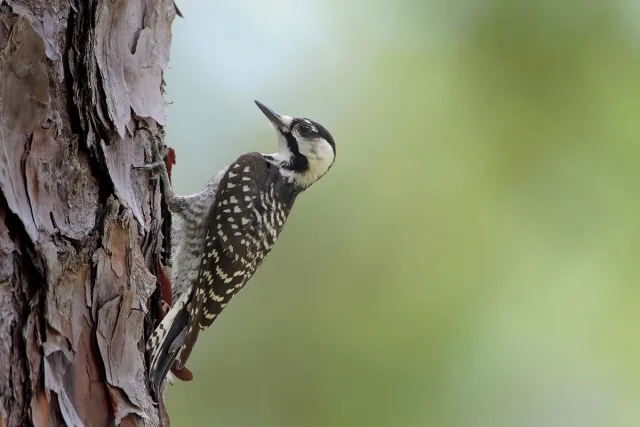
The Red-cockaded Woodpecker (Dryobates borealis) is an unusual bird. Unlike most other woodpeckers that excavate nests in dead, softer wood, the RCW is the only one in North America that drills its cavities exclusively into live pine trees, specifically mature, old-growth longleaf pine. These trees, typically 80 to 120 years old, have a fungal infection known as red heart rot, which softens the center of the trunk, making it excavatable while the outer sapwood remains hard.
The RCW further modifies its home by pecking tiny holes—called resin wells—around the cavity entrance. The pine sap that flows out deters predators, particularly the climbing snakes like the rat snake, from reaching their nest.
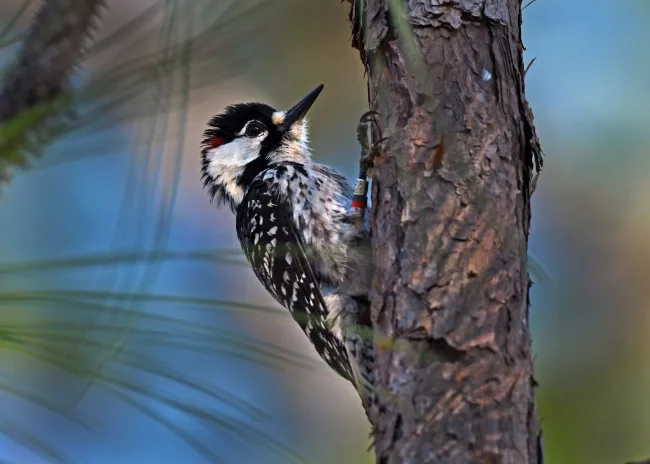
For two centuries, the bird’s fate has been inextricably linked to the fate of the longleaf pine ecosystem. Once covering over 90 million acres across the southeastern United States, the longleaf pine savanna has been reduced by logging, fire suppression, and development to just a fraction—about three percent—of its original range. This wholesale habitat loss caused the RCW population to plummet, leading to its listing as an endangered species in 1970.
By the 1990s, the Avon Park population was a tiny, fragmented remnant, struggling with low numbers and the genetic risks of inbreeding.
An Unexpected Refuge
Avon Park Air Force Range, located in the central Florida scrub and savanna region, is home to one of the state's largest remaining expanses of this critical habitat. Approximately 35,000 acres of the Range is composed of open pine and wiregrass savanna, an ecosystem that requires frequent, low-intensity fire to maintain its open structure and prevent hardwood encroachment.
Ironically, the military's activities have become the woodpecker's greatest asset.
Fire Regime: Training exercises often trigger incidental fires, and the military’s need to maintain clear sight lines and limit heavy undergrowth aligns perfectly with the ecological need for prescribed burning. APAFR manages an aggressive and successful fire program, mimicking the natural lightning-strike fire regime necessary to restore the longleaf habitat.
Protection from Development: As a restricted-access federal installation, APAFR is insulated from the urban sprawl that has destroyed surrounding habitats. The large safety buffers required for bombing and artillery ranges function as permanent, protected conservation lands.
The motto became, "What’s good for the mission is good for the birds."
The Conservation Blueprint: Translocation and Genetic Rescue
Recognizing the potential of the site, a dedicated partnership—involving the U.S. Air Force, the U.S. Fish and Wildlife Service, and research groups like the Archbold Biological Station and Michigan State University—launched a targeted recovery effort. The strategy centered on three key pillars:
Habitat Management: Intensifying the prescribed burning program to restore the open savanna structure.
Cavity Management: Creating artificial cavities in live pines to provide immediate housing, a technique that jump-starts new RCW clusters while waiting for natural cavities to form.
Translocation: This was the crucial step for genetic rescue. Beginning in 1998, juvenile woodpeckers were carefully captured from healthier, larger populations elsewhere in the Southeast (donor populations) and released into vacant territories at Avon Park.
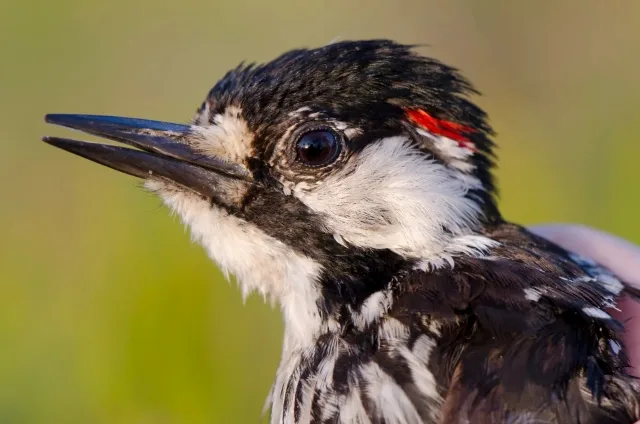
Between 1998 and 2016, 54 individuals were moved to APAFR. The results of this long-term experiment were striking. Roughly 70% of the translocated birds survived to breed, a remarkable success rate for a species with high juvenile mortality.
The new individuals paired with native birds, successfully injecting new genetic diversity into the isolated population. Over two decades, the Avon Park colony grew steadily, and its inbreeding levels declined. The population at Avon Park has since more than doubled and has met its official recovery goal, contributing significantly to the species’ eventual downlisting from endangered to threatened in 2024.
The Avon Park Air Force Range now stands as a model for how thoughtful land management and strategic conservation interventions can reverse the decline of imperiled species, proving that even a bombing range can serve as a powerful engine for ecological recovery.
