
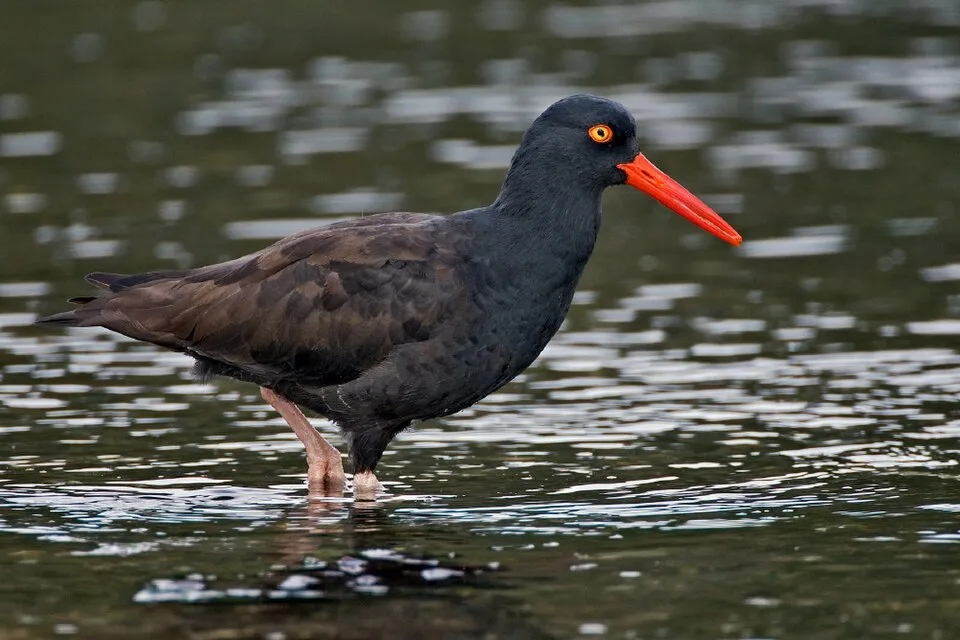
If blue feathers are physics and red feathers are diet, then black feathers are the workhorse of the bird world. While some might see black as "plain," it is actually the most sophisticated, durable, and multipurpose "color" a bird can wear.
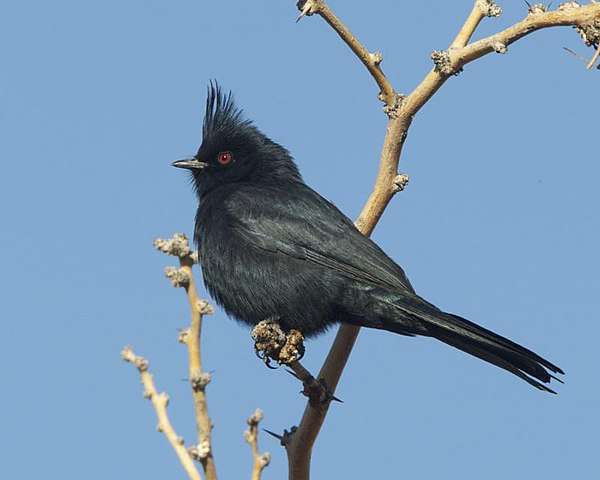
From the glossy sheen of a Raven to the velvet depth of a Phainopepla, black is the ultimate power suit of the animal kingdom.
The Chemistry: The Magic of Melanin
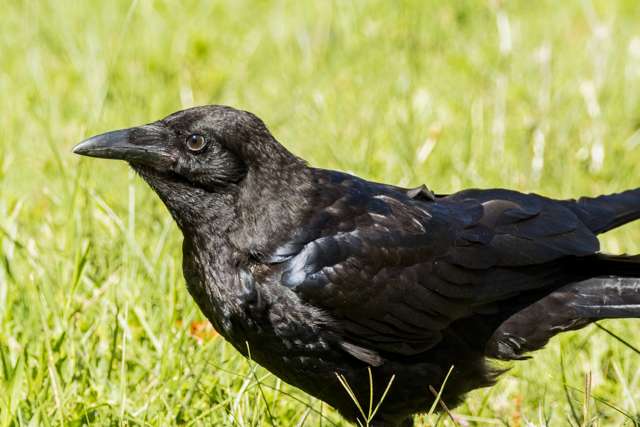
The deep blacks we see in birds are created by a pigment called Eumelanin. Unlike red pigments (which must be eaten), melanin is manufactured internally by the bird’s own body.
Specialized cells called melanocytes pump tiny granules of pigment into the feather as it grows.
The Saturation: When these granules are packed tightly together, they absorb almost all visible light, creating a deep, "true" black.
The Structure: Melanin isn't just a paint; it’s a building material. Melanin molecules are physically tough and cross-link with the keratin of the feather.
Strength Training: Why Black Feathers Are Tougher
One of the most fascinating things about black feathers is that they are physically stronger than white or colored feathers.
Because melanin reinforces the feather's structure, black feathers are more resistant to:
Wear and Tear: This is why many birds that are mostly white (like Snow Geese or Pelicans) still have black wingtips. Those primary feathers take the most abuse from the wind, and the melanin keeps them from fraying.
Bacteria: Melanin-rich feathers are harder for feather-eating bacteria to break down.
Abrasive Environments: Birds that live in deserts or salty coastal air often evolve black plumage to withstand the harsh elements.
The "Oil Slick" Effect: Iridescence

Have you ever looked at a Common Grackle and seen flashes of purple, green, and blue? That isn't because the bird has those pigments.
When a black feather is extremely smooth and the melanin is organized in flat, thin layers, it creates a surface that reflects light like a prism. This is called thin-film interference. The black pigment acts as the perfect dark "backing" to make those structural colors pop.
Can Birds See the "Black"?
To us, a Crow is just a black silhouette. To another Crow, it might be a masterpiece.
Because birds see in Ultraviolet (UV), many black feathers that look "flat" to us actually reflect UV light in complex patterns. This helps birds distinguish between individuals and even between males and females in species where they look identical to the human eye.
Different Shades: From Charcoal to Midnight

Not all blacks are created equal. The variation comes down to how the melanin is distributed:
Opaque Black: High concentrations of eumelanin create a matte, "void-like" black.
Sooty Gray/Brown: If the melanin is spread out or mixed with phaeomelanin (a reddish-brown version of the pigment), the bird looks charcoal or "dusty."
Skin Color: Interestingly, many birds with black feathers—like Ravens—actually have black skin as well. This is an extra layer of UV protection against the sun’s harsh rays.
American Icons of Black Plumage
North America has some of the most intelligent and striking black-feathered birds on the planet:
| Bird | Aesthetic | Where to Find Them |
| Common Raven | Matte, rugged, and massive | Wild spaces across the West & North |
| Common Grackle | "Oil-slick" iridescent purple/green | Backyards and parks (East/Central) |
| Phainopepla | Velvet black with a "punk" crest | Southwestern deserts |
| Black Vulture | Sooty black with silver wingtips | Southern U.S. skies |
Fun Fact: The Solar Heater
Black feathers are incredibly efficient at absorbing heat. This is a double-edged sword: in cold climates, a Raven can soak up the morning sun to warm up quickly. In hot climates, black-feathered birds (like Vultures) have to develop clever ways to stay cool—like "urohidrosis," which is a polite scientific way of saying they poop on their own legs to cool down via evaporation!
The American Three-toed Woodpecker: A Specialist of the Boreal Forest
