

Birdwatching is a pursuit defined by patience, curiosity, and a deep appreciation for nature. In the United States, a nation blessed with vast national parks, critical migratory flyways, and millions of dedicated birders, establishing and adhering to a universal set of ethical guidelines is paramount. If you are out in the field regularly, chances are you have seen birders flush a bird to get a photograph, peer into a nest or use playback over and over. We have all probably overstepped the line at some point but we all must try to do better.
Birdwatching etiquette isn't merely about good manners; it's about minimizing our impact on the wildlife we cherish, respecting the environments we share, and ensuring a pleasant experience for the entire community, from the casual observer to the seasoned scientist. As the popularity of birding explodes—fueled by apps like eBird and the accessibility of good optics—the pressure on sensitive habitats and rare birds increases. Mastering proper etiquette is the silent pledge every birder must take to protect the very creatures they travel miles to see.
The Golden Rule: Prioritize the Bird's Well-being
Every rule of birding etiquette flows from one core principle: The welfare of the bird and its habitat comes first. Your desire for a perfect photo or a checkmark on a life list must always be secondary to the bird's safety and comfort.
1. Maintain Distance and Respect Space
This is the most crucial rule, especially around nests, feeding grounds, and roosts.
- Keep your distance: Use your binoculars or scope, not your feet, to get a closer look. If a bird changes its behavior—stops feeding, looks directly at you, or appears anxious—you are too close.
- Never approach a nest: Disturbing a nest can expose young to predators, lead to abandonment, or stress the parents. Even a brief visit can leave a scent trail that predators follow. The National Audubon Society recommends a distance that ensures the bird's natural routine is not altered.
- Respect Roosting Birds: Owls and other nocturnal birds rely on daytime rest. Approaching or disturbing a roosting owl can force it to expend vital energy and make it easier for crows or hawks to harass it.
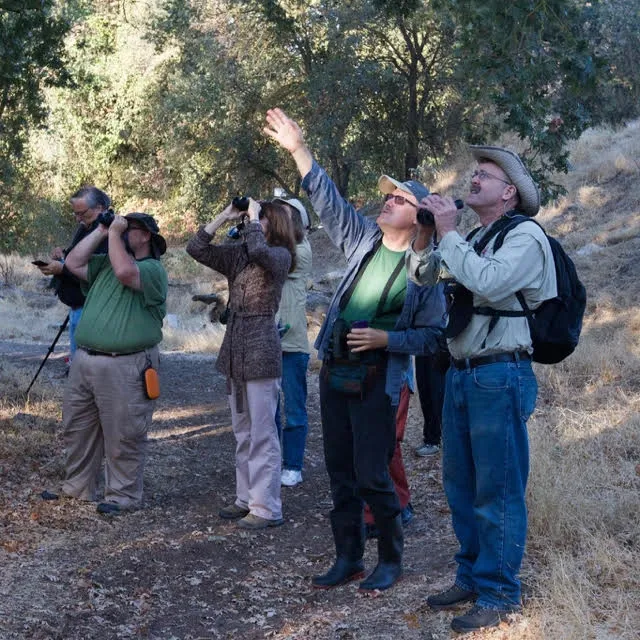
2. Limit the Use of Playback
The use of recorded calls, or playback, to lure birds closer for a sighting or photograph is one of the most debated topics in birding ethics.
- Use Sparingly, If at All: Playback should be used with extreme caution. It can stress a bird by making it believe a competitor or predator is nearby, causing it to waste precious energy defending its territory.
- Never Use Playback Near Nests or During the Non-breeding Season: Stress is highest during nesting. During migration or winter, playing calls can confuse and distract birds from essential feeding.
- Consider Local Rules: Some preserves and parks, recognizing the cumulative stress, strictly forbid the use of playback. Always respect these rules.
3. Never "Bait" Birds with Anything Unnatural
Using food to lure birds for a better photo is generally frowned upon, particularly if the food is unnatural or if it draws the bird into danger (like near a road). While common backyard bird feeding is fine, using a specific food item to attract a rare bird for a one-time encounter is discouraged.
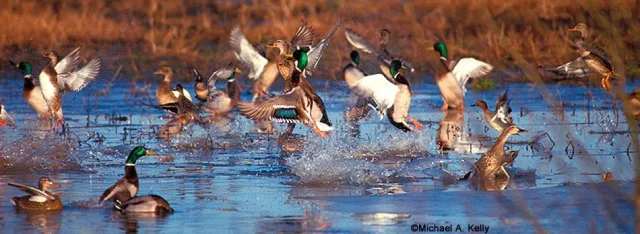
Respecting the Environment and the Law
Our impact on the habitat and the adherence to legal protections are non-negotiable parts of responsible birding.
4. Stay on Trails and Minimize Disturbance
- Tread Lightly: Always stay on designated trails, paths, and roads. Trampling vegetation, especially in sensitive wetlands or desert environments, destroys the very habitat the birds rely on.
- Close Gates: If you open a fence or gate in a rural area, close it immediately to protect livestock and landowner property.
- Leave No Trace: Pack out everything you pack in. This includes food wrappers, tape spools, and anything else that might harm wildlife or litter the landscape.
5. Know the Law: The Migratory Bird Treaty Act
Every U.S. birder must be aware of the Migratory Bird Treaty Act (MBTA). This federal law protects nearly all native bird species, their eggs, nests, and feathers.
- It is Illegal to Collect Feathers: Unless you have a specific permit for educational or scientific purposes, it is illegal to collect or possess any part of a native bird, including fallen feathers or empty eggshells.
- It is Illegal to Disturb Nests: Any intentional act that results in the destruction of a nest or the death of a bird or eggs is a violation. This is why staying far from nests is not just ethical, but legal.
Respecting Fellow Birders and Property Owners
Birding is a shared experience. Thoughtfulness toward others—both birders and non-birders—ensures the activity remains enjoyable and sustainable.
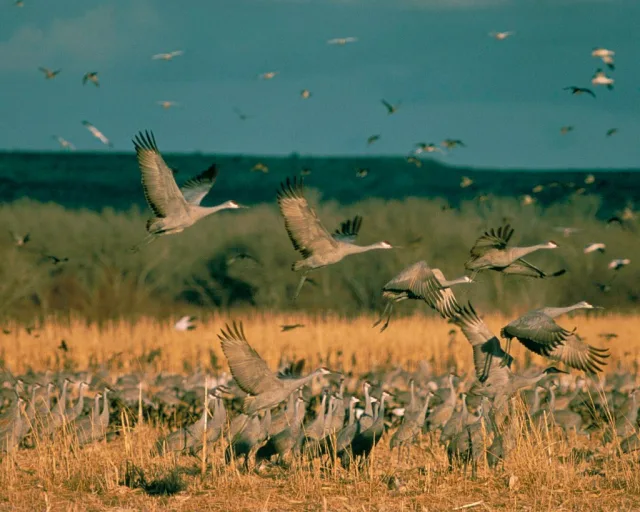
6. Share Information Responsibly
The birding community thrives on shared knowledge, but this sharing must be done ethically.
- Use Caution with Rare Birds: If you find a rare, sensitive, or high-profile bird (like a nesting owl or a vagrant that draws crowds), consider withholding the precise location, especially on public platforms like eBird. This protects the bird from excessive disturbance.
- Be Accurate: When submitting records (e.g., to eBird or local bird alerts), be confident in your identification and provide as much detail as possible. Do not report a sighting you didn't personally see.
7. Be Mindful of Crowds
At popular hotspots or during a "twitch" (the chase for a rare bird), crowds can be unavoidable.
- Keep Quiet: Use soft voices, avoid loud cell phone calls, and silence all electronic devices. Birds have excellent hearing, and unnecessary noise stresses them and ruins the experience for others.
- Limit Viewing Time: If a crowd is forming behind you, be courteous. Get your view, enjoy the bird, and then step aside so others can have a turn at the scope or best viewing spot.
- Coordinate Photographers: Photographers should coordinate their movements to avoid flushing a bird or blocking the view of those who are simply observing.
8. Respect Private Property
Much excellent birding occurs on private land (e.g., farmland, suburban properties).
- Ask Permission: Never trespass. If a desirable bird is on private property, you must always seek permission from the landowner before entering.
- Be a Good Guest: If granted access, follow the landowner's instructions precisely, be respectful of their property (don't drive on wet fields or block access), and leave the area cleaner than you found it.
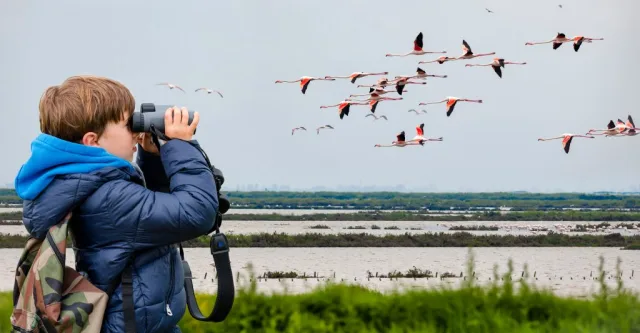
Wrapping Up: The Ethical Birder's Legacy
Birdwatching is not just a hobby; it is a direct interaction with the wild world. The ethical guidelines of birding are the invisible lens through which we should view every experience. By strictly adhering to these rules—prioritizing the bird's life, preserving its fragile habitat, and showing respect to our fellow enthusiasts—we ensure that the Great Egret's breeding plumes can be admired, the Snowy Owl can rest peacefully, and the exhilarating thrill of the chase remains a sustainable and respectful pursuit for generations of U.S. birders to come.
