
Feathers are the defining characteristic of Aves, performing the essential functions of flight, insulation, and streamlining. But for many bird species, feathers take on a secondary, spectacular role: ornamentation. These elaborate, often colorful, and structurally complex feathers are known as plumes. Plumes are not merely decorative; they are nature's billboards, advertising the health, fitness, and genetic quality of an individual, primarily for the purpose of attracting a mate.
The presence of plumes has driven both breathtaking evolutionary displays and, tragically, periods of intense human exploitation. This article explores the fascinating world of birds with plumes, focusing on their function, the spectacular species that bear them, and the history of their relationship with humanity, particularly in the United States.
The Function and Form of Plumes
Biologically, plumes are feathers that have evolved for display rather than flight or insulation. They are often characterized by being elongated, highly colored, or possessing specialized structures that catch the light or create unique shapes.
The Sexual Selection Engine
The primary driving force behind the evolution of plumes is sexual selection. In species where one sex (usually the female) chooses a mate, males evolve increasingly elaborate displays to prove their worth. A male bearing long, vibrant, or complex plumes is advertising several critical things:
- Genetic Health: Plumes are metabolically expensive to grow and maintain. Only a genetically robust, disease-free male can afford to dedicate the resources to developing such an extreme handicap.
- Foraging Success: The energy required for display means the male must be an excellent forager to survive with the added drag and weight of the plumes.
- Survival Skills: Since plumes can be cumbersome and make the bearer more conspicuous to predators, surviving to adulthood with perfect, intact plumes proves exceptional fitness and cunning.
Types of Plumes
Plumes manifest in dazzling variety across the avian world:
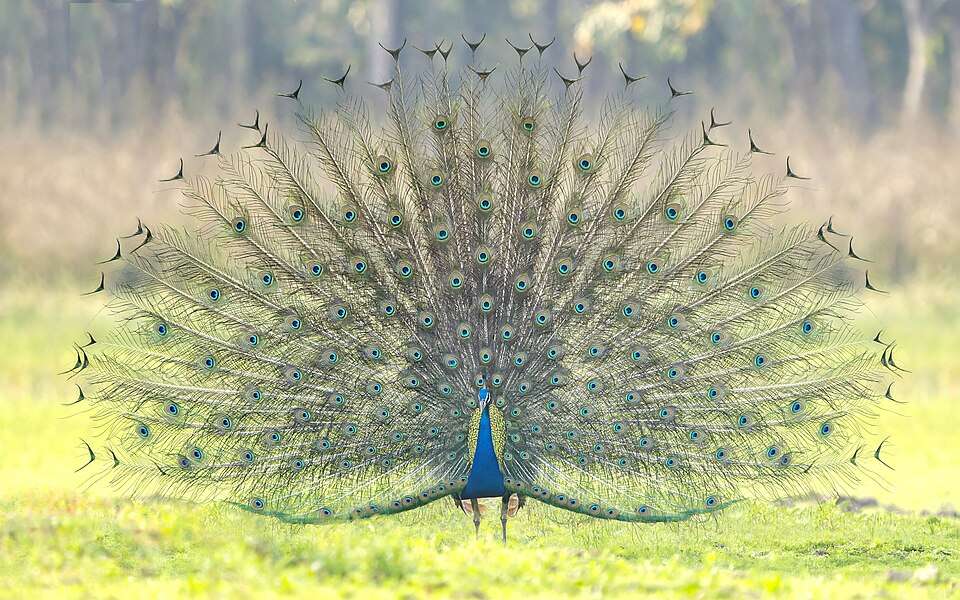
- Train: The enormously long tail feathers of the Indian Peafowl (or Peacock), which are raised into a magnificent fan.
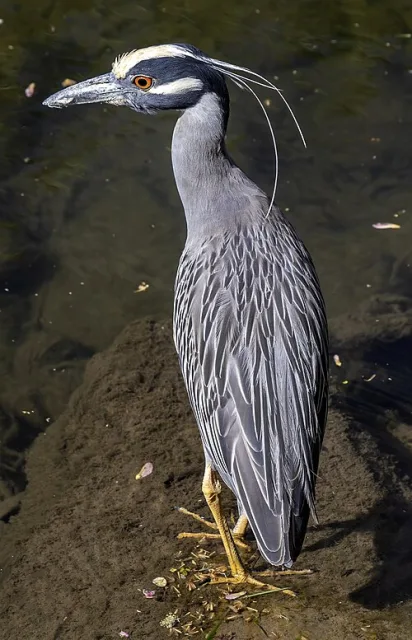
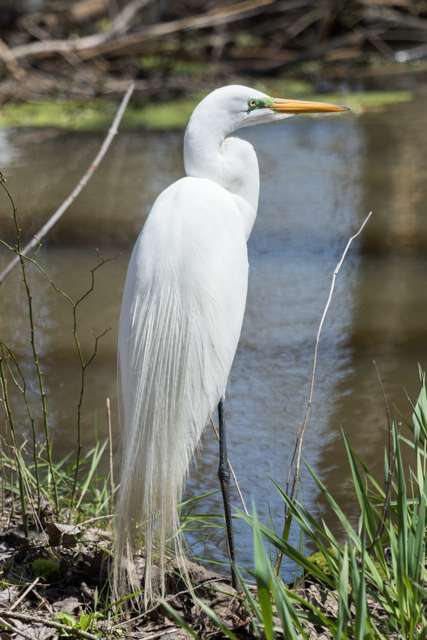
- Aigrettes: The long, delicate, lacy plumes that grow from the backs of certain Egrets and Herons during the breeding season. These were the most famous and desired plumes in the fashion trade.
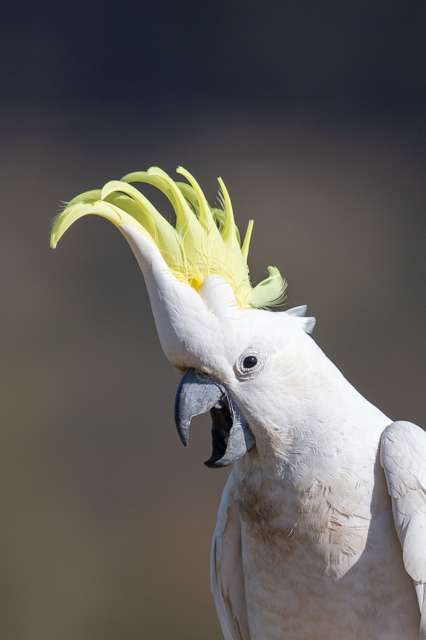
- Crests: Upright tufts of specialized feathers on the head, often used to signal emotional state or readiness to mate (e.g., the crest of the Northern Cardinal or the Cockatoo).
- Wires/Rackets: Shafts that are bare except for a tuft of feathers at the very tip (e.g., the outer tail feathers of the Paradise Whydah).
American Plume-Bearers: From Marsh to Forest
The U.S. is home to several spectacular plume-bearing species, with the Great Egret and the Wild Turkey providing stark contrasts in the use and fate of these ornamental feathers.
The Great Egret and the Plume Trade Crisis
Perhaps no bird is more historically significant in the U.S. plume story than the Great Egret (Ardea alba). During the late 19th and early 20th centuries, the egret's incredibly fine, filamentous white plumes—the aigrettes—were the height of European and American fashion, decorating elaborate ladies' hats.
- The Killing Fields: A pound of aigrettes could fetch twice the price of gold at the time. Crucially, the plumes were only grown during the breeding season and were at their best quality then. This meant hunters targeted nesting colonies, killing the adult birds and leaving their nestlings to starve.
- Near Extinction: Populations of Great Egrets, Snowy Egrets, and other herons with plumes were decimated across the American South, pushing them to the brink of extinction.
- The Rise of Conservation: This crisis became the foundational cause for the modern conservation movement in the United States. Organizations like the National Audubon Society were founded by citizens determined to stop the slaughter. Their activism led directly to the passage of the Lacey Act of 1900 (which banned the interstate shipment of illegally harvested wildlife) and the Migratory Bird Treaty Act of 1918, laws that ultimately protected these species and allowed their populations to rebound spectacularly. The Great Egret thus stands as a powerful symbol of conservation success spurred by an environmental catastrophe.
While the egret's plumes are delicate and ornamental, other American birds use dense, dark feathers for display:
- Wild Turkey (Meleagris gallopavo): The male Wild Turkey’s primary display feature is its "beard"—a tuft of long, coarse, modified feathers growing from the center of its chest. The length and thickness of this beard are indicators of age and health, directly correlating with a male's desirability to a hen. During courtship, the tom fans its tail feathers (also used for display) and bristles its iridescent breast feathers in a ritual called "strutting" to maximize its imposing appearance.
- Greater Sage-Grouse (Centrocercus urophasianus): This magnificent bird of the Western sagebrush steppe performs its display on communal mating grounds called leks. The males possess long, stiff, dark feathers on their necks that form a dramatic collar or ruff. During the display, they inflate large, yellowish-white air sacs on their chests, forcing these plumes upward into a spectacular visual and acoustic exhibition.
The Most Spectacular Plume-Bearers Globally
While the U.S. has its share of plumed beauties, the tropics host the most extreme examples of feather evolution:
Birds-of-Paradise (New Guinea)
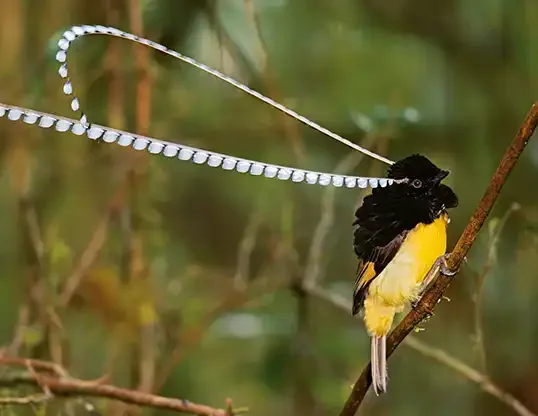
The ultimate example of plumage driven by sexual selection are the Birds-of-Paradise. Found primarily in New Guinea, these birds inhabit a region with low predation pressure but intense competition among males. The result is an insane diversity of plumes:
- King-of-Saxony Bird-of-Paradise: Males sport two incredibly long, serrated plumes growing from their head, which they wave during courtship.
- Wilson's Bird-of-Paradise: Known for its brilliant colors and two thin, sickle-shaped plumes that curl from its tail.
The sole purpose of these plumes is display, and the males use them in elaborate, choreographed dances and poses to win the attention of the females, who are typically drab and brown.
The African Long-tailed Widowbird
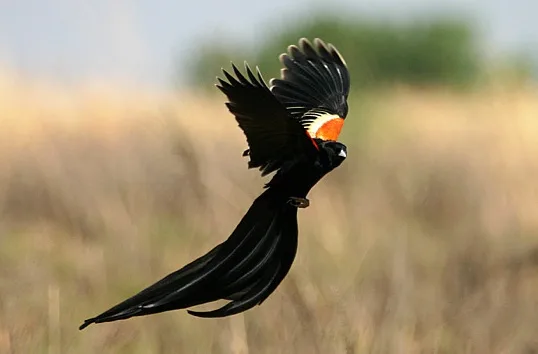
The male Long-tailed Widowbird possesses a ridiculously long, black tail that can reach over 16 inches, roughly twice the length of its body. This massive, cumbersome train is a literal handicap; it makes flight clumsy and energetically costly. Research has proven that females overwhelmingly prefer males with the longest tails, confirming the "handicap principle" in sexual selection: the longer the tail, the more difficult it is to survive, thus demonstrating superior genetic quality.
The Modern Significance of Plumes
Today, thanks to stringent laws like the Migratory Bird Treaty Act and a shift in cultural values, the threat to American plume-bearers from the fashion trade is virtually nonexistent. Plumes are now cherished as natural wonders rather than commodities.
The study of plumes continues to provide deep insights into evolutionary biology, particularly the concept of honest signaling. The sheer energy cost, structural complexity, and visual impact of plumes ensure that the signal of health and vitality they send to potential mates is genuine.
From the quiet dignity of a restored Great Egret preening its snowy aigrettes in a protected marsh to the flamboyant spectacle of a Sage-Grouse strutting its ruff on a remote lek, the birds of North America and the world continue to demonstrate that when it comes to attracting attention, nothing beats a fantastic, well-earned plume.
The Ghost of the Understory: Unveiling the Enigmatic Rufous-vented Ground-Cuckoo
