
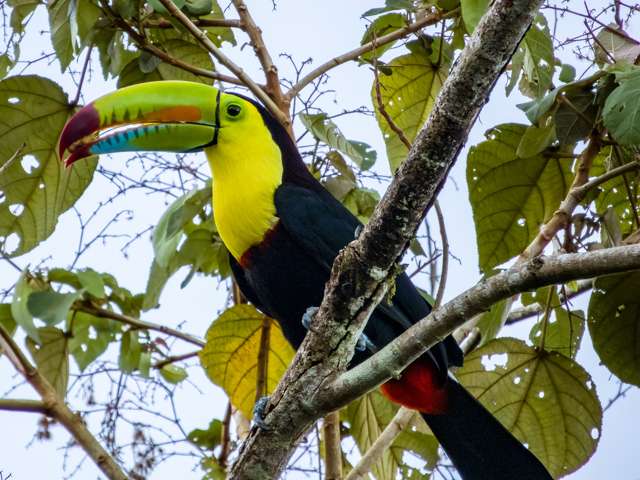
The avian world is a showcase of evolutionary ingenuity, and perhaps no single feature exemplifies this more than the incredible diversity of bird bills. From the delicate, needle-like bills of hummingbirds to the powerful, seed-crushing mandibles of finches, beaks are exquisitely adapted tools, essential for feeding, nest-building, preening, defense, and even courtship.
Among this stunning array, certain birds stand out for possessing truly colossal bills – structures that appear almost disproportionate to their body size. These beak giants capture our imagination and offer a glimpse into the specialized ecological niches they occupy.
The development of a large bill is often driven by dietary needs. For some birds, a massive beak is necessary to reach food sources that would be inaccessible to others. For others, it might be a tool for cracking tough shells, digging through substrate, or even for elaborate social displays. Regardless of the specific function, birds with oversized bills are often fascinating examples of natural selection at work.
Iconic Behemoths: Global Examples of Large-Billed Birds
While the United States boasts its share of impressive beaks, some of the most extreme examples of large-billed birds are found elsewhere in the world. Understanding these global examples provides crucial context for appreciating the diversity of this adaptation.
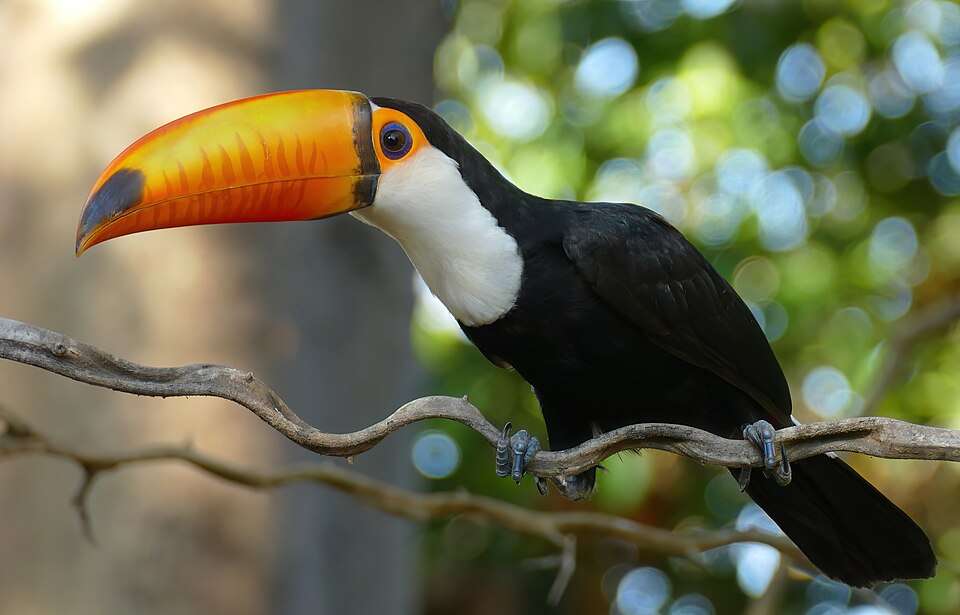
Toucans (Family: Ramphastidae): Perhaps the most iconic group of large-billed birds, toucans are native to the neotropics. Their enormous, often brightly colored bills can be nearly as long as their bodies, yet surprisingly lightweight due to their hollow, bony structure reinforced by keratin. While the exact function of the toucan's bill is still debated, it is believed to play roles in reaching fruit on thin branches, deterring predators (by making the bird appear larger), and even thermoregulation. Studies have also suggested a role in mate selection. The Toco Toucan (Ramphastos toco), with its vibrant orange-yellow bill, is a particularly striking example.
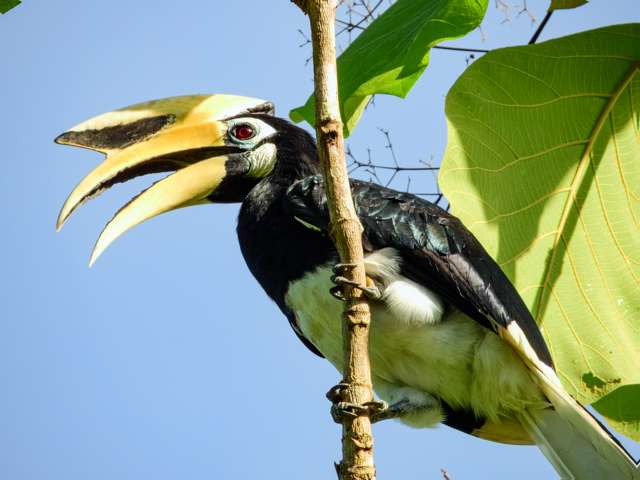
Hornbills (Order: Bucerotiformes): Found in Africa and Asia, hornbills are another group renowned for their substantial beaks, often adorned with casques – helmet-like structures on the upper mandible. These casques can vary in size and shape depending on the species and may play a role in resonance during calls or in visual displays. Hornbills primarily feed on fruits, insects, and small animals. The Oriental Pied Hornbill (Anthracoceros albirostris) of Southeast Asia has an impressive yellow casque atop its large bill.
Pelicans (Family: Pelecanidae): These large waterbirds possess a distinctive pouch attached to their lower mandible, which they use for scooping up fish. While the pouch itself is a remarkable adaptation, the pelican's long, sturdy bill is essential for this feeding method. The American White Pelican (Pelecanus erythrorhynchos), found across North America, has a large, flattened bill with a bright orange pouch during breeding season.

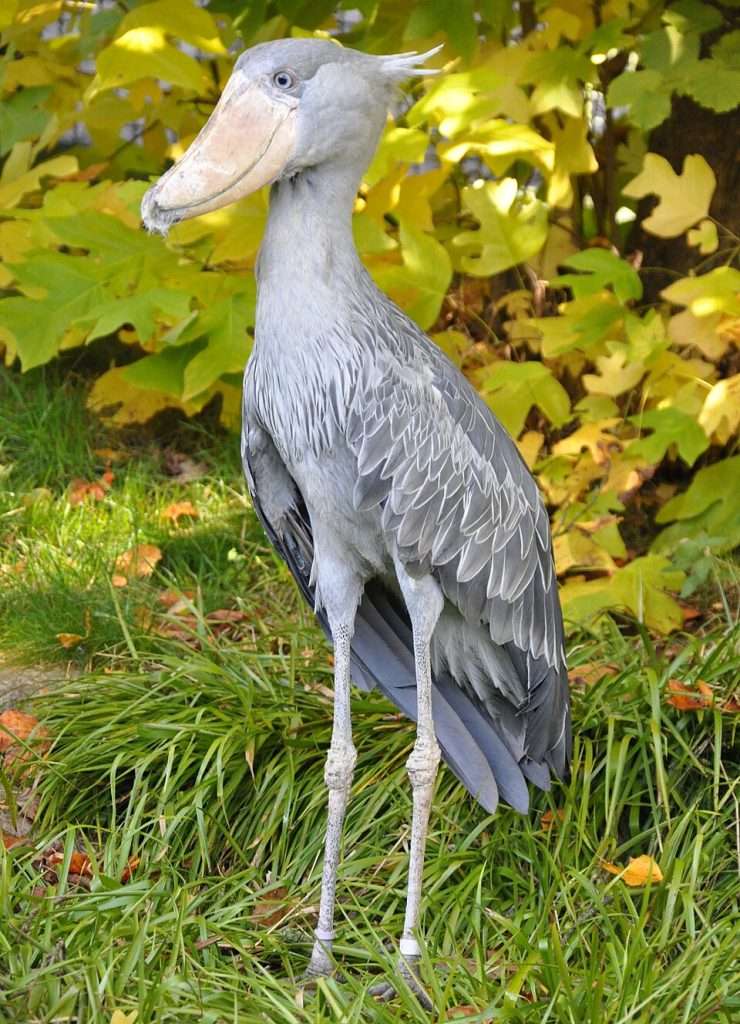
Shoebill (Balaeniceps rex): This stork-like bird of East African swamps has one of the most distinctive and massive bills in the avian world. Its broad, shoe-shaped bill is perfectly adapted for catching lungfish and other aquatic prey in murky waters. The sharp edges of the bill help it decapitate its catch.
Large-Billed Birds of the United States
While perhaps not reaching the sheer size of some of the tropical giants, the United States is home to several passerine and non-passerine birds with notably large or specialized bills:
Wood Stork (Mycteria americana): This large wading bird has a long, thick bill that is slightly decurved at the tip. It uses a tactile feeding method, sweeping its open bill through shallow water to detect prey by touch. When it feels a fish, it snaps its bill shut with remarkable speed. Wood Storks are found in the southeastern United States.

Brown Pelican (Pelecanus occidentalis): A familiar sight along the coasts of the southern and western U.S., the Brown Pelican has a long bill with a prominent throat pouch used for catching fish. They are known for their dramatic plunge-diving feeding technique.

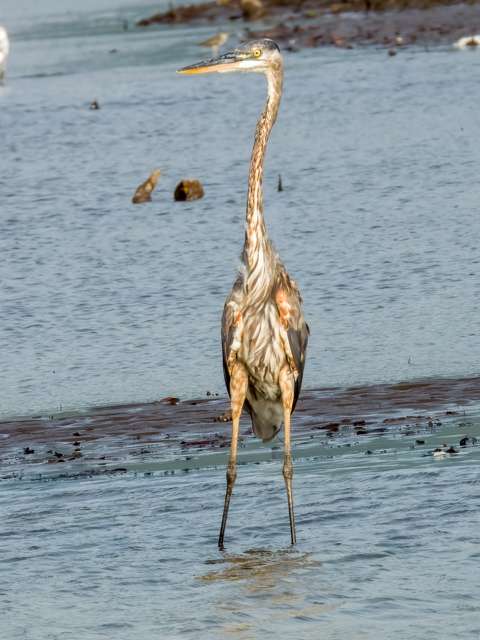
Herons and Egrets (Family: Ardeidae): While not all have bills that appear overly massive relative to their body size, certain herons and egrets possess long, dagger-like bills perfectly adapted for spearing fish and other aquatic prey. The Great Blue Heron (Ardea herodias), found throughout North America, is a prime example with its long, sharp bill.
Puffins (Genus: Fratercula): These charismatic seabirds of the North Atlantic and Pacific coasts of North America have relatively large, brightly colored bills, particularly during the breeding season. While not exceptionally long, the bill's compressed shape and vibrant hues (orange, yellow, and blue) are striking. The bill is used for catching and carrying multiple small fish back to their burrows. The Atlantic Puffin (Fratercula arctica) is a well-known example.

Roseate Spoonbill (Platalea ajaja): Found in coastal wetlands of the southeastern U.S., the Roseate Spoonbill has a unique, flattened, spoon-shaped bill. It feeds by wading in shallow water and sweeping its bill from side to side, straining out small fish, crustaceans, and other invertebrates.

Certain Finches and Grosbeaks (Families: Fringillidae and Cardinalidae): While smaller overall, some passerines in the U.S. possess notably stout and powerful bills adapted for cracking seeds. The Evening Grosbeak (Coccothraustes vespertinus) has a large, conical bill capable of opening even hard-shelled seeds. Similarly, the thick bills of some finches, like the Pine Grosbeak (Pinicola enucleator), serve a similar purpose.

The Evolutionary Significance of Large Bills
The evolution of large bills in birds highlights the powerful influence of natural selection in shaping physical traits to meet ecological demands. Whether it's the long reach needed to pluck fruit, the robust strength required to crack nuts, or the specialized shape for filter-feeding or tactile hunting, each large bill is a testament to the intricate relationship between a bird and its environment.
Wrapping Up
Studying birds with prominent bills not only provides insight into their feeding habits and ecological roles but also underscores the incredible diversity of life on Earth. These beak giants, from the tropical toucans to the coastal pelicans and the specialized spoonbill, remind us of the myriad ways in which birds have adapted and thrived in a wide range of habitats, each with their own unique set of challenges and opportunities. While the U.S. may not be home to the absolute largest bills in the avian world, it certainly hosts a fascinating array of species with impressive and functionally diverse beaks, each playing a vital role in their respective ecosystems.
Find out about birds with red beaks here.
