

Walking through a park or along a shoreline, it's a common and often puzzling sight: a bird standing motionless on a single leg. A flock of sparrows will be foraging, suddenly one will tuck a leg into its feathers and continue to hop and forage on the other. It seems awkward, unnatural, and yet, it's a behavior seen in countless avian species, from tiny chickadees to majestic flamingos. This seemingly strange act is not a sign of injury or discomfort, but a complex and highly effective strategy driven by two primary instincts: thermoregulation (conserving heat) and comfort/safety. The ability to stand on one leg is a remarkable feat of avian biology, and understanding this behavior offers a fascinating glimpse into how birds survive and thrive in a wide range of environments.
1. The Science of Thermoregulation: A Foot in the Freezer
The most significant reason birds stand on one leg is to regulate their body temperature. Birds lose a great deal of body heat through their unfeathered extremities—their legs and feet. This is particularly true in cold or windy conditions, where heat can rapidly escape into the environment. To minimize this heat loss, a bird simply lifts one leg and tucks it into its warm, well-insulated belly feathers.

This behavior is especially crucial for birds that live in cold climates or stand in cold water. A duck or a goose standing on an icy pond will frequently switch between legs. By keeping one leg tucked in, they are effectively cutting their heat loss in half. The tucked leg is warmed by the bird's core body heat, while the other leg remains exposed. The bird can then periodically swap which leg is tucked in, allowing both to be warmed in turn. This is a very efficient way for them to maintain a stable body temperature without having to burn extra calories. The less energy they have to spend on staying warm, the more they can use for other vital activities like foraging and flying. This is also why you'll see birds like gulls standing on one leg on a cold, windy day, even when they're on dry land. The concept is the same: reduce the surface area exposed to the elements to conserve heat.
Some birds have special physiological adaptations that aid in this process. Birds like ducks, gulls, and flamingos use a network of arteries and veins in their legs called the rete mirabile (Latin for "wonderful net"). This counter-current heat exchange system works by positioning the warm arteries that carry blood from the heart close to the cold veins that carry blood back to the heart. As the warm blood flows down the leg, it transfers its heat to the cold blood returning from the foot. This means that by the time the blood reaches the bird's foot, it is already much cooler, and the heat has been conserved and returned to the body. This prevents a massive temperature drop and minimizes heat loss to the environment. Standing on one leg in combination with the rete mirabile is an incredibly effective thermoregulatory strategy.
2. Comfort and Muscle Fatigue: Giving a Leg a Rest
Another reason birds stand on one leg is simply for comfort and to rest their muscles. Just as humans shift their weight from one foot to the other when standing for a long time, birds do the same. Standing on two feet for hours can lead to muscle fatigue. By tucking one leg up, a bird is giving that leg and its associated muscles a temporary break. The act of standing still requires constant muscular effort to maintain balance. The ability to shift this load from one leg to the other is a simple but effective way to prevent fatigue and allow for rest.
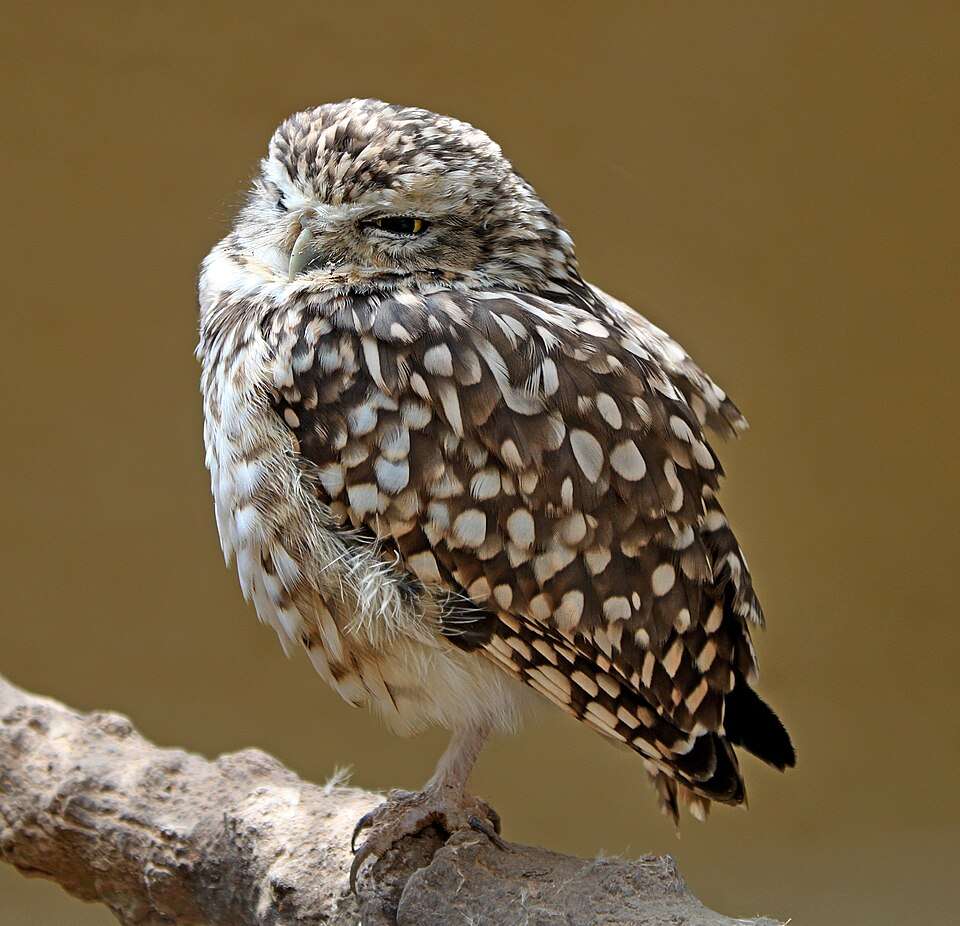
Birds like herons and egrets, which often stand motionless for long periods while hunting, are frequently seen standing on one leg. Their patience is legendary, and their hunting strategy often involves long waits. Tucking a leg up allows them to maintain this stillness while providing a chance for the resting leg to recover, preparing it for a quick strike when prey finally appears.
This behavior can also be a sign of a bird's relaxed state. A bird that feels safe and secure in its environment is more likely to engage in this behavior. A stressed or vigilant bird will keep both feet on the ground, ready to spring into action and take flight at a moment's notice.
3. A Question of Balance: The Perching Mechanism
How do birds manage to balance on one leg without falling over? The answer lies in their unique anatomy, specifically a "locking" mechanism in their feet. When a bird squats down to perch, its weight automatically pulls on a tendon that runs down the back of its leg. This action causes the toes to curl and lock tightly around the branch. This perching tendon allows the bird to grip a perch without expending any muscular energy, enabling them to rest or even sleep without falling off. This same mechanism can be activated when a bird stands on a single leg, providing stability and balance without constant muscular strain.
The ability to lock its foot also means a bird doesn't need to constantly make small, conscious adjustments to maintain its balance. This is crucial for birds that stand on one leg while sleeping. A crow or a sparrow can sleep soundly on a branch, tucked into a ball of feathers, while the perching mechanism does all the work. The bird's center of gravity is perfectly balanced over its supporting leg, and the locked toes keep it firmly in place.

4. The Flamingo Paradox: A Master of One-Legged Balance
The flamingo is perhaps the most famous example of a one-legged bird. These wading birds spend a significant amount of time standing on one leg in the water, and researchers have studied this behavior extensively. While thermoregulation is a factor, especially in colder climates, studies suggest that their one-legged stance is also about biomechanical efficiency.

A research paper published in the journal Biology Letters found that flamingos can stand on one leg with virtually no muscular effort. The researchers built a flamingo-like model and found that when the model was angled into the classic one-legged pose, the joints in the leg would lock into place, requiring no energy to maintain balance. This suggests that the one-legged stance is a stable, "passive" position for flamingos, allowing them to rest and conserve energy without having to constantly use their leg muscles. The long neck and body of the flamingo are perfectly balanced over the single supporting leg, creating a stable, self-supporting structure.
Wrapping Up
In conclusion, the act of a bird standing on one leg is a sophisticated and highly advantageous behavior. It's a marvel of adaptation that combines simple physics with complex biology. From the frigid water where a duck conserves heat to the dry ground where a heron rests its muscles, the one-legged stance is a testament to the incredible efficiency and resilience of avian life. What appears to be an awkward posture is, in fact, a perfect solution to the challenges of survival, a silent and elegant display of a bird's mastery of its world.
If you liked this read, have a look at the science behind feathers.
The Masterpiece of Nature: The Intricate Construction of a Feather
