

Wyoming, a land of vast plains, towering mountains, and pristine waterways, is a secret paradise for birdwatchers. Its diverse ecosystems, from the high desert sagebrush to the alpine forests, provide critical habitat for a stunning array of avian life. Whether you're a seasoned birder or a curious newcomer, the Cowboy State offers a rich tapestry of feathered friends to discover. This article explores 15 common, migratory, and rare bird species that grace Wyoming's skies and landscapes.
Common Residents: The Everyday Charmers
These birds are the familiar faces you're likely to encounter regularly, adapted to Wyoming's varied environments year-round.
Black-billed Magpie (Pica hudsonia)
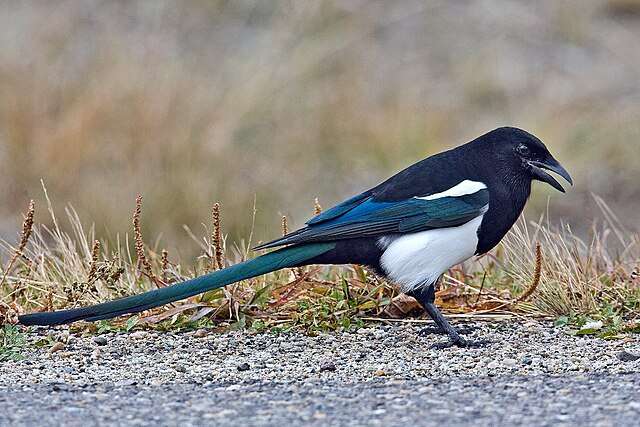
No bird is perhaps more emblematic of the American West than the Black-billed Magpie. With its striking iridescent black and white plumage and long, elegant tail, it's a charismatic and intelligent member of the crow family. Magpies are highly social, often seen in small groups, and are notorious for their curiosity and sometimes mischievous behavior. They are omnivores, feasting on everything from insects and carrion to seeds and berries, and are often seen scavenging along roadsides.
Mountain Bluebird (Sialia currucoides)

A splash of pure, vibrant sky-blue, the male Mountain Bluebird is a breathtaking sight. The females are a more subdued grey-blue. These cavity nesters prefer open woodlands, grasslands, and sagebrush country, where they perch on fences and wires, scanning for insects. Their gentle, warbling song adds a melodious touch to Wyoming's spring and summer. They are beloved for their insect-eating habits, making them a welcome presence for farmers and ranchers.
Western Meadowlark (Sturnella neglecta)
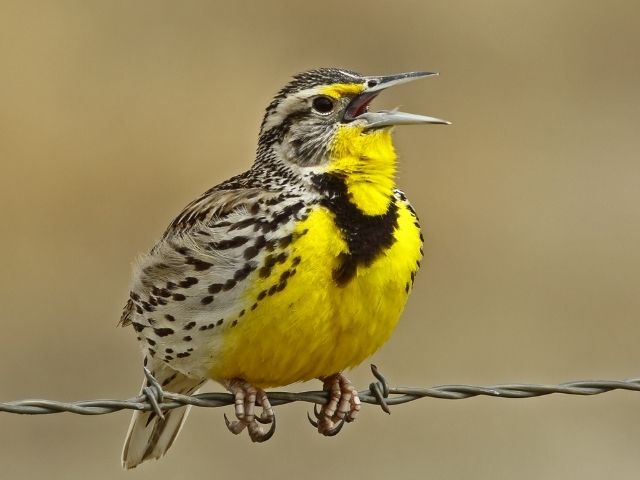
The unmistakable flute-like song of the Western Meadowlark is the soundtrack of Wyoming's prairies. This medium-sized songbird boasts a vibrant yellow breast with a distinctive black "V" shape, and a streaky brown back that provides excellent camouflage in tall grasses. They are ground-nesting birds, often found in grasslands and agricultural fields, where they forage for insects and seeds. Their presence is a strong indicator of healthy grassland ecosystems.
Red-tailed Hawk (Buteo jamaicensis)

Soaring majestically on thermal currents, the Red-tailed Hawk is one of North America's most widespread and recognizable raptors. Its broad wings and characteristic rusty-red tail (visible on adults) are distinguishing features. These powerful hunters are often seen perched on utility poles, trees, or rocky outcrops, patiently watching for small mammals and reptiles. Their piercing cry, a drawn-out "kree-eee-ar," is a quintessential sound of the Wyoming wilderness.
American Robin (Turdus migratorius)
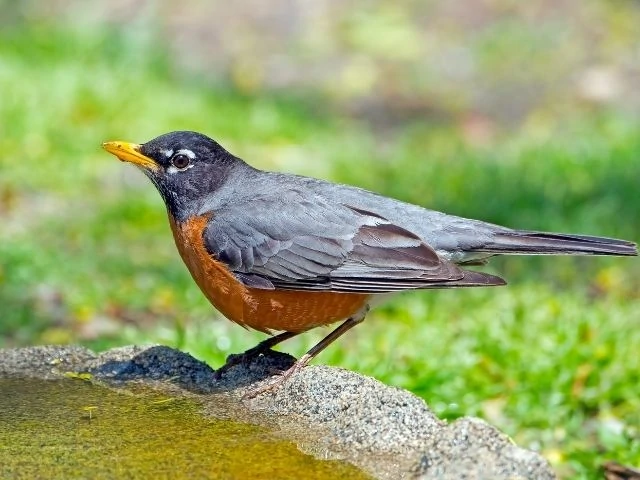
Though often associated with suburban lawns, the American Robin is a versatile bird found in a wide range of Wyoming habitats, from mountain forests to urban parks. Its familiar rusty-orange breast and dark head make it easily identifiable. Robins are prolific insect eaters, especially fond of earthworms, but also consume berries and fruits. Their cheerful, caroling song is one of the first signs of spring across the state.
Migratory Marvels: Seasonal Visitors
Wyoming's location along major migratory flyways makes it a crucial stopover and breeding ground for numerous species that travel thousands of miles each year.
Sandhill Crane (Antigone canadensis)

The evocative, rattling calls of Sandhill Cranes are a harbinger of spring and fall in Wyoming. These impressively tall, grey birds with a distinctive red cap on their heads gather in large numbers in agricultural fields and wetlands during migration. They perform elaborate courtship dances in the spring, involving bowing, jumping, and wing flapping. Their graceful flight and ancient calls connect us to wilder times.
Osprey (Pandion haliaetus)
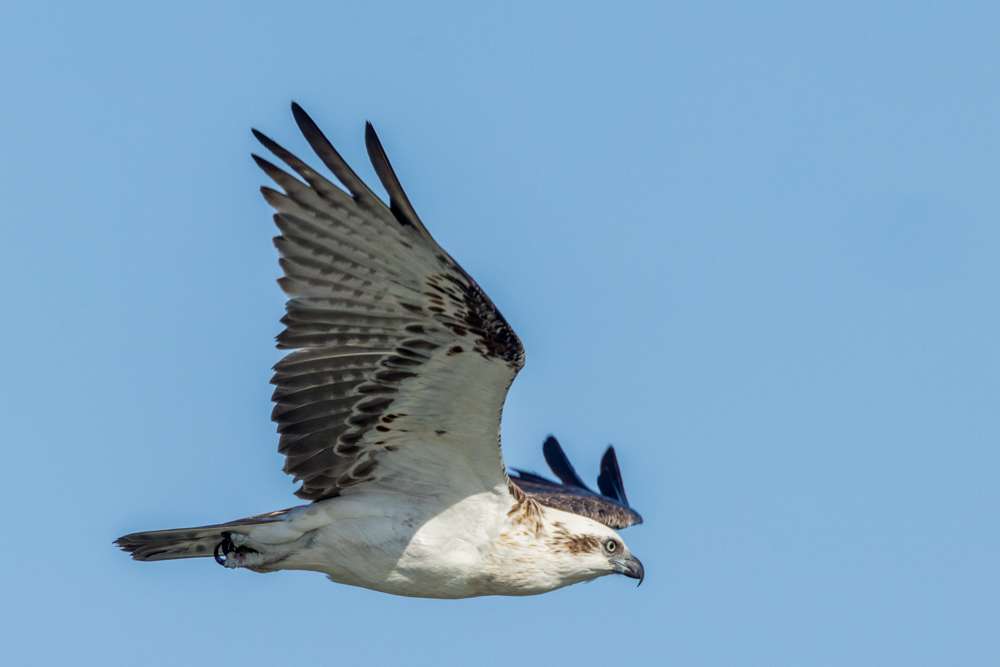
A magnificent fish-eating raptor, the Osprey is a common sight near Wyoming's larger rivers, lakes, and reservoirs during the warmer months. With its dark back, white underside, and distinctive dark "mask" through the eye, it's easily identified. Ospreys are spectacular hunters, diving feet-first into the water to snatch fish with their specially adapted talons. They build massive stick nests atop tall trees or artificial platforms.
Western Tanager (Piranga ludoviciana)
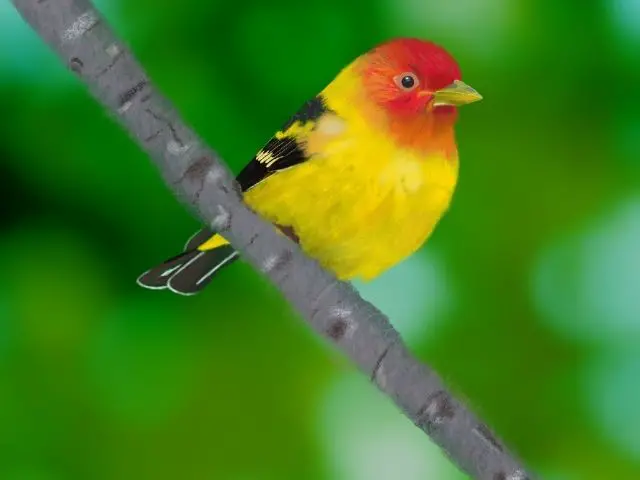
The male Western Tanager is a flamboyant burst of color, with a fiery red head, bright yellow body, and black wings and tail. Females are a more subdued yellow-green. These stunning songbirds breed in Wyoming's coniferous and mixed forests, where their rich, burry song can be heard. They are primarily insectivorous during the breeding season but will also eat berries.
Broad-tailed Hummingbird (Selasphorus platycercus)
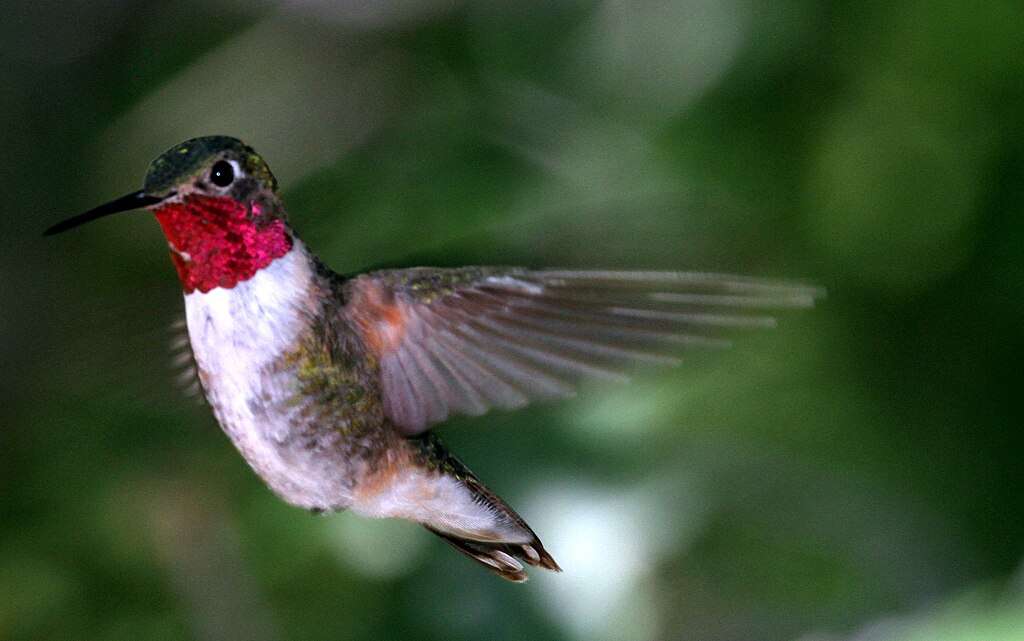
The smallest of Wyoming's migratory birds, the Broad-tailed Hummingbird is a dazzling jewel. The male boasts a shimmering rose-magenta gorget (throat patch) that creates a distinctive buzzing sound with its wings in flight. They breed in mountain meadows and canyons, feeding on nectar from wildflowers and small insects. Their incredible aerial agility is a joy to behold.
Yellow-rumped Warbler (Setophaga coronata)
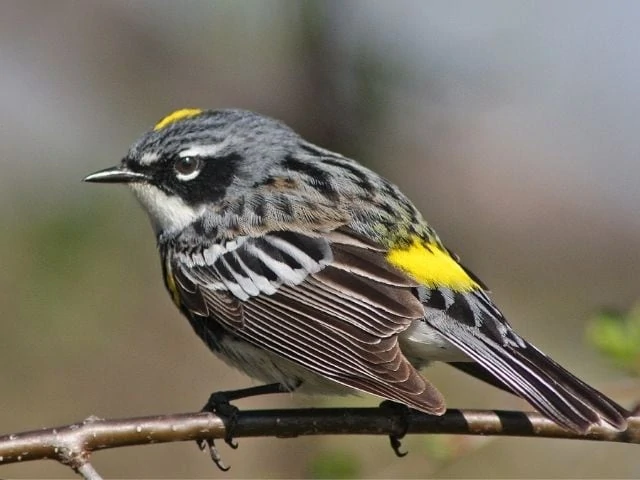
This abundant and widespread warbler is easily recognized by its bright yellow rump patch, which is visible in flight. Males of the "Audubon's" subspecies (common in Wyoming) also have a yellow throat patch. These active insectivores breed in coniferous forests and are often seen foraging in the tree canopy. Their varied song is a familiar sound of Wyoming's summer woods.
Rare Gems: Elusive and Protected
Encountering these species requires a bit more luck, patience, and often a journey into Wyoming's more remote or specialized habitats. Many are subjects of conservation efforts.
Greater Sage-Grouse (Centrocercus urophasianus)
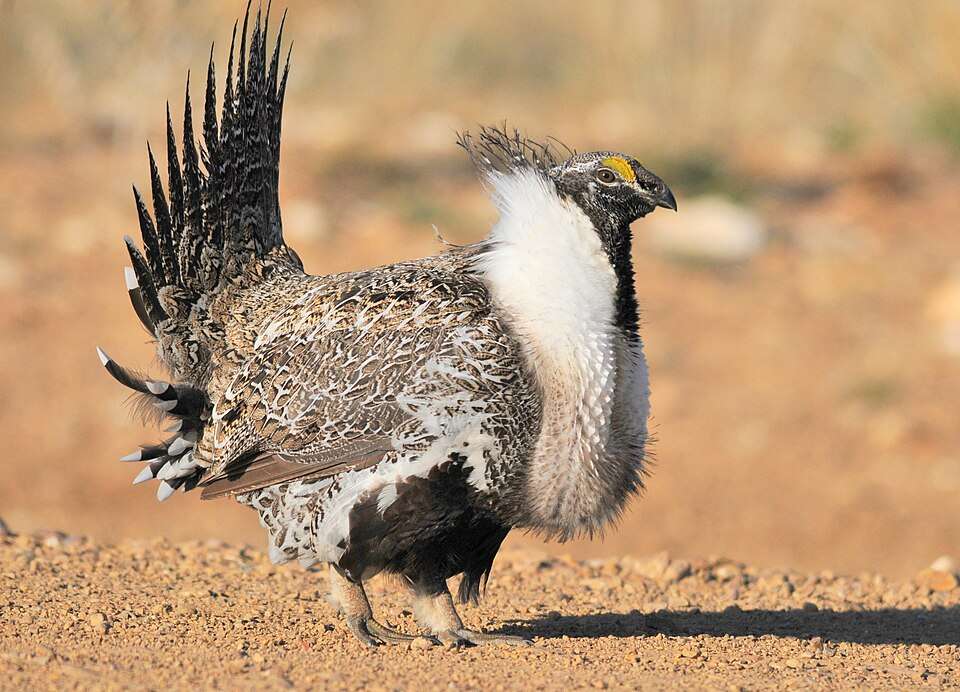
The iconic Greater Sage-Grouse is a true emblem of Wyoming's sagebrush steppe, and its existence is tied directly to this unique ecosystem. Males perform elaborate courtship displays on communal breeding grounds called "leks," puffing out their chest sacs to produce booming sounds. They are highly dependent on sagebrush for food and shelter, making them a key indicator species for the health of this imperiled habitat.
Whooping Crane (Grus americana)
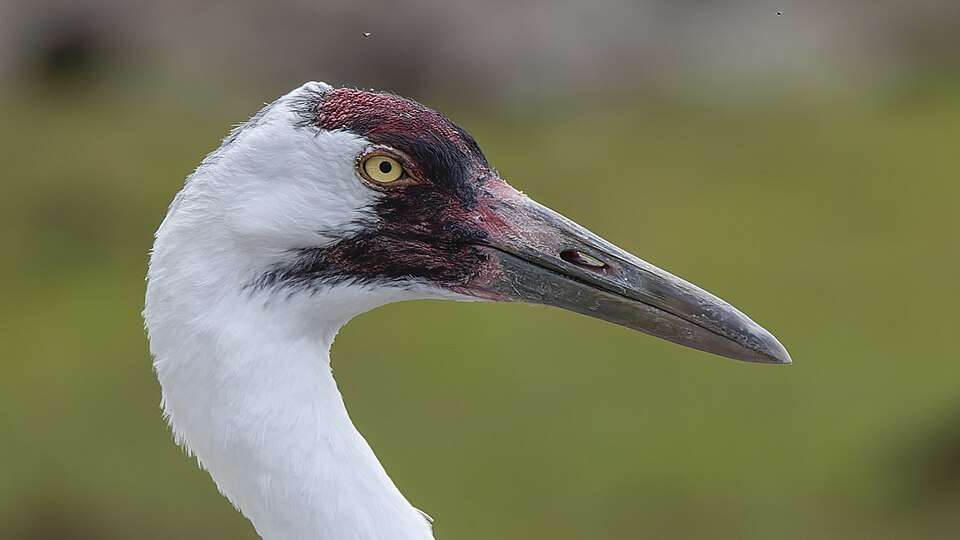
One of North America's rarest birds, the Whooping Crane is a critically endangered species. While primarily seen migrating through other states, very occasionally individuals may stray into Wyoming's wetlands, particularly in the southeastern parts of the state. These magnificent, all-white cranes with black wingtips stand over five feet tall and are a breathtaking sight, a testament to ongoing conservation efforts.
Piping Plover (Charadrius melodus)

This small, pale shorebird is a species of concern, nesting on open, sandy or gravelly beaches and river shoals. In Wyoming, they are found primarily along the North Platte River and other large river systems. Their cryptic coloration makes them incredibly difficult to spot against their chosen habitat. Protecting their nesting sites from disturbance is crucial for their survival.
Ferruginous Hawk (Buteo regalis)

The largest hawk in North America, the Ferruginous Hawk is a raptor of the open plains and sagebrush. Its name, "ferruginous," refers to the rusty-colored feathers on its legs and flanks, resembling rust. They primarily prey on prairie dogs and ground squirrels and build large, conspicuous nests on isolated trees, buttes, or artificial platforms. They are less common than Red-tailed Hawks and are a species of conservation concern.
Flammulated Owl (Psiloscops flammeolus)
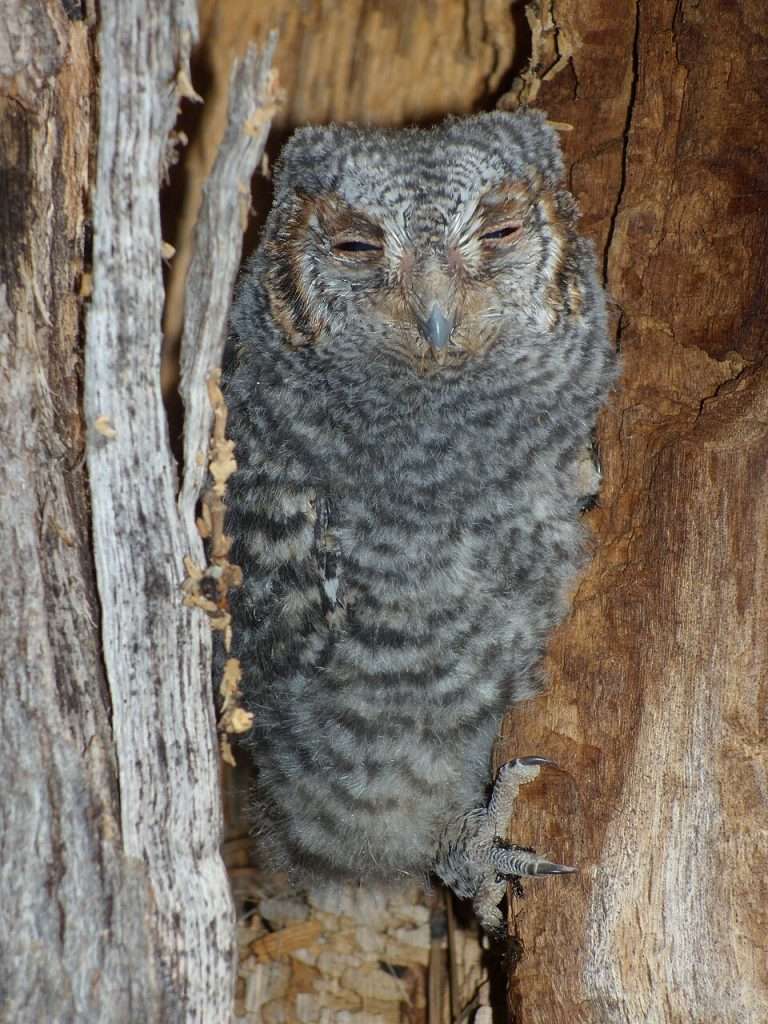
This tiny, elusive owl is a master of camouflage, blending seamlessly into the bark of its preferred ponderosa pine and Douglas fir forests. Active at night, its soft, hooting call, "hoo-hoot," is difficult to pinpoint. It is the smallest owl in North America to nest in tree cavities. Finding a Flammulated Owl is a rare and rewarding experience for any birder, often requiring careful listening in the right habitat.
Wyoming's avian diversity is a testament to its wild and varied landscapes. From the common backyard visitors to the rare and elusive inhabitants of its remote corners, each bird plays a vital role in the state's ecological tapestry. Exploring Wyoming's birdlife offers not only the thrill of discovery but also a deeper appreciation for the beauty and fragility of the natural world. So grab your binoculars, hit the trails, and prepare to be enchanted by the wings over Wyoming.
