

Washington State, with its dramatic landscapes ranging from the Pacific coastline and temperate rainforests to the soaring peaks of the Cascades and the arid sagebrush steppe, is a haven for avian diversity. Positioned along the Pacific Flyway, one of the continent's major north-south migratory routes, the state hosts over 400 recorded bird species. This incredible variety includes permanent residents, seasonal visitors, and fascinating, often rare, vagrants.
This article explores a selection of 15 notable bird species, highlighting their roles as common residents, essential migrants, or elusive rarities within the Evergreen State's dynamic ecosystems.
Common Residents: The Backbone of Washington's Avifauna
Permanent residents form the year-round avian community, adapted to the variable weather across Washington's diverse regions. These birds are vital indicators of local ecosystem health.
Black-capped Chickadee (Poecile atricapillus)

Ubiquitous throughout Washington's wooded areas, the Black-capped Chickadee is known for its remarkable memory, capable of recalling thousands of cache locations. They are small, energetic songbirds recognized by their black cap and bib, white cheeks, and distinctive, cheerful "chick-a-dee-dee-dee" call. Their presence is a constant, friendly fixture in backyards and forests.
Dark-eyed Junco (Junco hyemalis)

Another widespread resident, the Dark-eyed Junco is notable for its numerous regional variations. In Washington, the "Oregon" subspecies is common, featuring a dark hood, brown back, and pale belly. They are often seen hopping on the ground, foraging for seeds, and flashing their white outer tail feathers in flight. They are adaptable, thriving in forests, shrublands, and urban parks.
Steller's Jay (Cyanocitta stelleri)

This striking, crested corvid is a common sight in coniferous and mixed-wood forests, particularly in Western Washington. With a dark blue body and a blackish-blue head and crest, the Steller's Jay is bold, intelligent, and loud. They are omnivores, often caching acorns and seeds, and their raucous calls are a characteristic sound of the Pacific Northwest woods.
Bald Eagle (Haliaeetus leucocephalus)
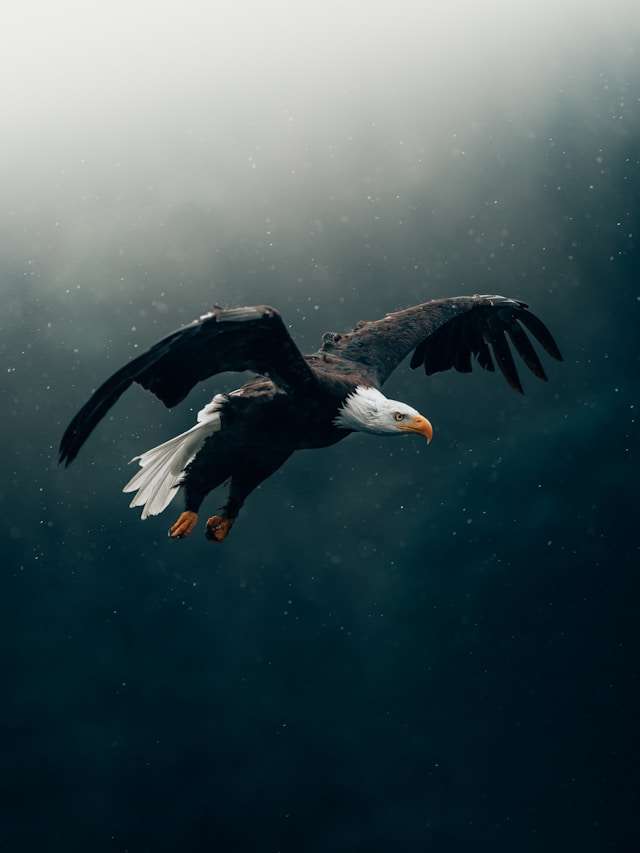
While some populations are migratory, a significant number of Bald Eagles are year-round residents, particularly near major waterways like Puget Sound and the Skagit River, where salmon are abundant. This iconic raptor, with its dark body and brilliant white head and tail, is often seen perched atop tall trees or soaring majestically. Their successful recovery from near extinction is a major conservation success story.
American Goldfinch (Spinus tristis)
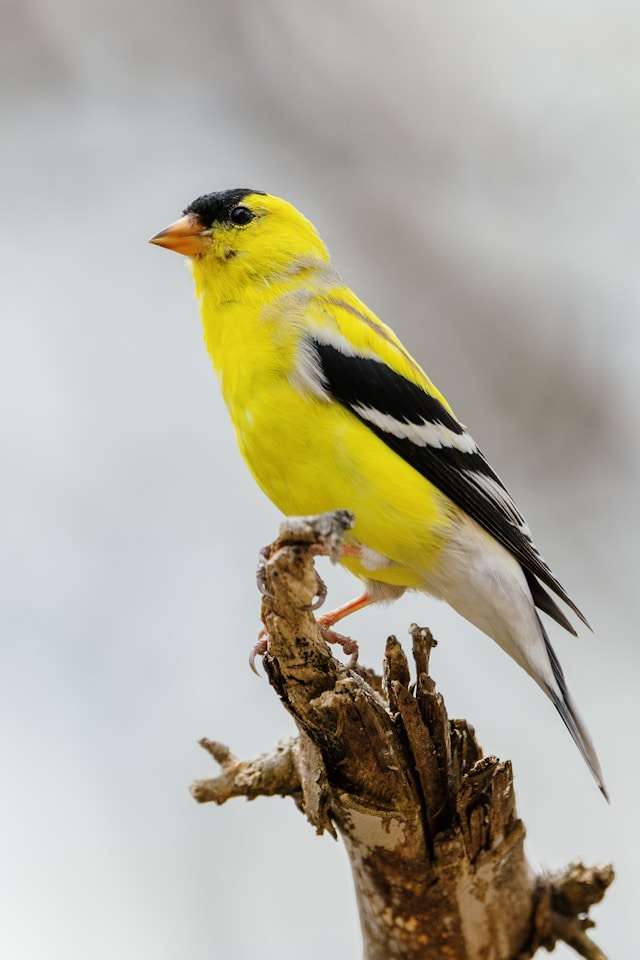
The state bird of Washington, the American Goldfinch, is a familiar sight in summer with the male's brilliant yellow and black plumage. While some move south, many remain in the state, becoming drabber olive-brown in winter. They are almost exclusively seed-eaters, often flocking to thistle and sunflower feeders.
Birds of South Dakota: Common Residents, Migratory Travelers, and Rare Visitors
Migratory Marvels: Seasonal Travelers of the Pacific Flyway
Migratory species rely on Washington for breeding, wintering, or as a crucial stopover point along the Pacific Flyway. Their seasonal comings and goings mark the changing of the seasons.
Rufous Hummingbird (Selasphorus rufus)
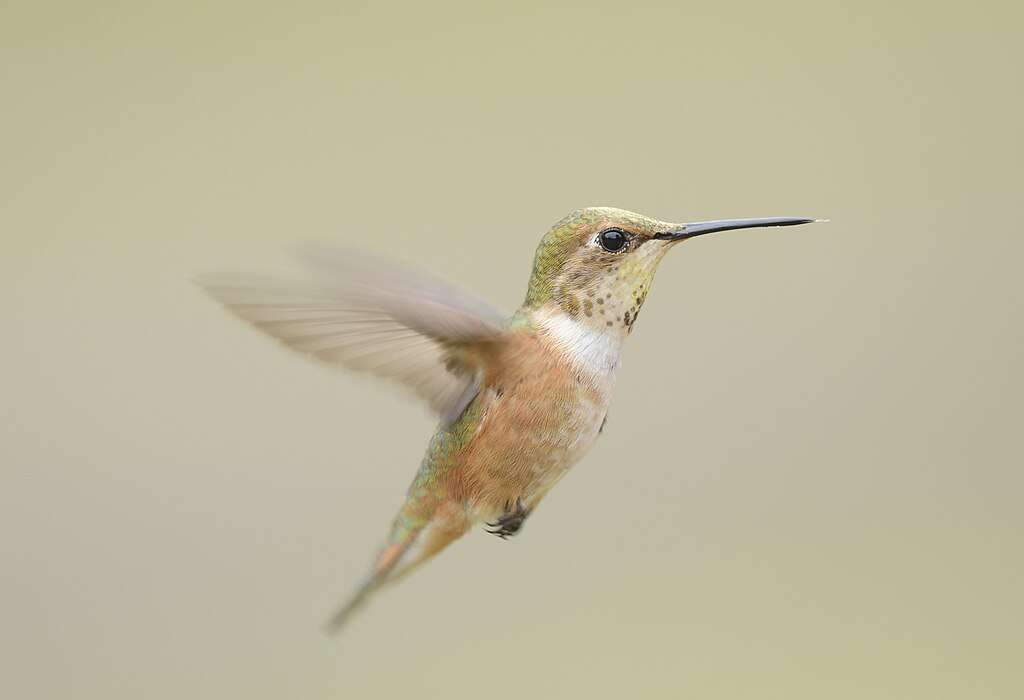
Known for its incredible journey, the Rufous Hummingbird breeds in Washington before undertaking one of the longest migrations, relative to body size, of any bird. Males are stunning with a fiery orange-red gorget (throat patch). They arrive in early spring, following flowering plants northward, and fuel their journey on nectar and small insects.
Western Sandpiper (Calidris mauri)
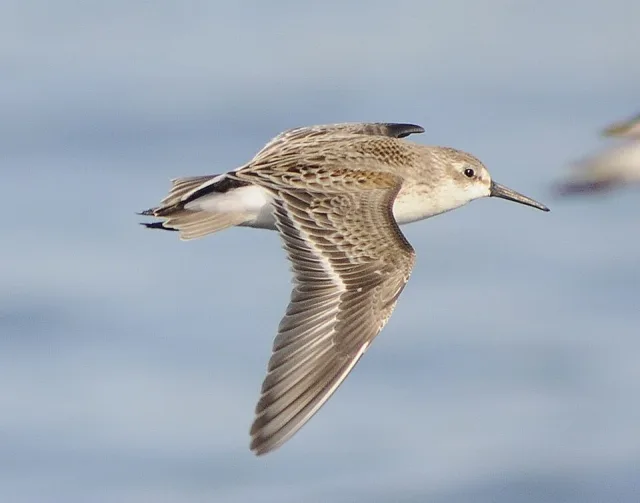
This small shorebird is an abundant spring and fall migrant, stopping in massive flocks at coastal estuaries like Grays Harbor. These stopovers are critical for them to refuel before continuing their journey between their Arctic breeding grounds and their wintering areas further south. Watching thousands of these "peeps" swirl in coordinated flight is a mesmerizing spectacle.
Snow Goose (Anser caerulescens)
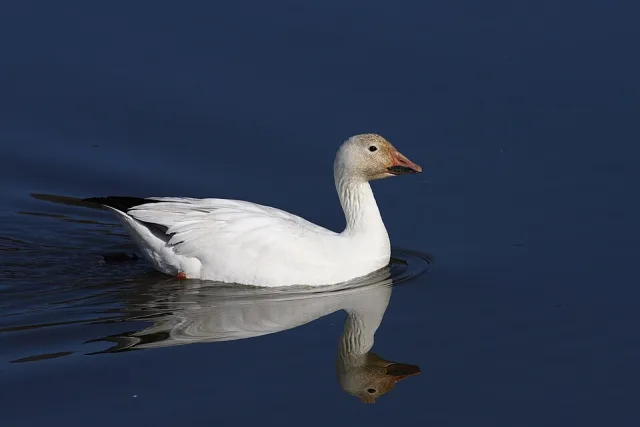
A winter resident, large flocks of Snow Geese descend upon the agricultural fields and wetlands of the Skagit and Snohomish river deltas. Their pure white bodies with black wingtips create a breathtaking sight as they forage on grasses and waste grain. These geese arrive from their Arctic breeding grounds and are a major attraction for winter birdwatchers.
Vaux's Swift (Chaetura vauxi)
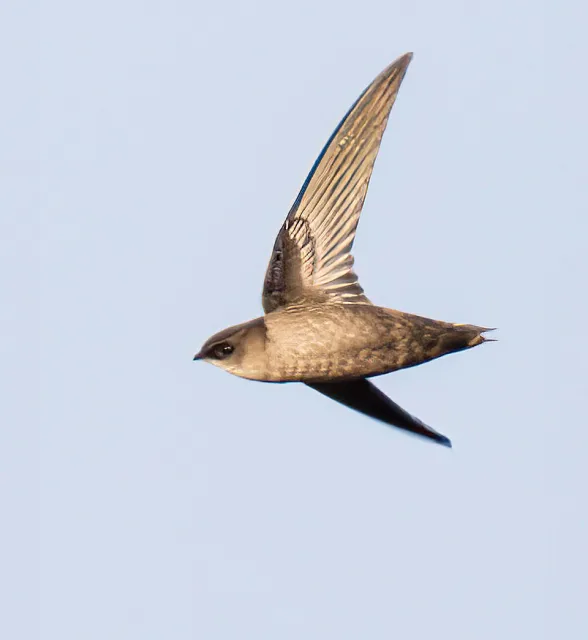
A small, cigar-shaped swift, the Vaux's Swift breeds in old-growth forests, nesting in hollow trees or snags. In late summer and early fall, these birds form massive communal roosts, often choosing large brick chimneys in urban areas, before migrating to Mexico and Central America. These incredible "chimney swarms" are a fleeting migratory phenomenon.
Western Tanager (Piranga ludoviciana)
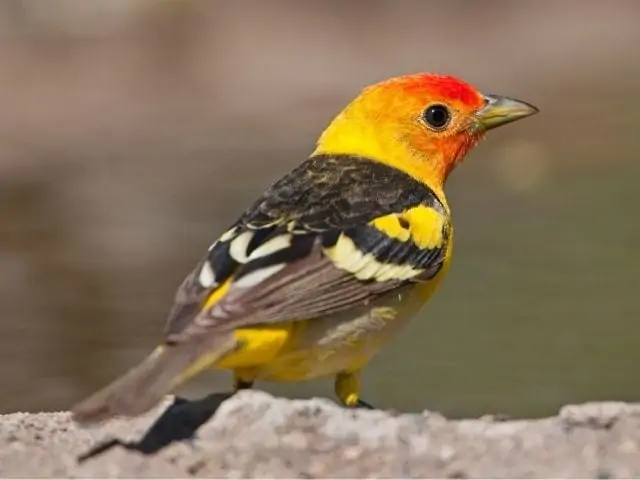
A vibrant splash of color in the canopy, the male Western Tanager boasts a bright yellow body, black back and wings, and a distinctive flaming red head in breeding season. They are neotropical migrants, spending the winter in Mexico and Central America, and their return to Washington's forests in late spring is a sign of warmer weather.
Rare & Elusive Birds: Treasures of the State
The category of rare birds includes species with extremely small, localized populations, those that are endangered, or those considered vagrants—species far outside their typical range.
Marbled Murrelet (Brachyramphus marmoratus)
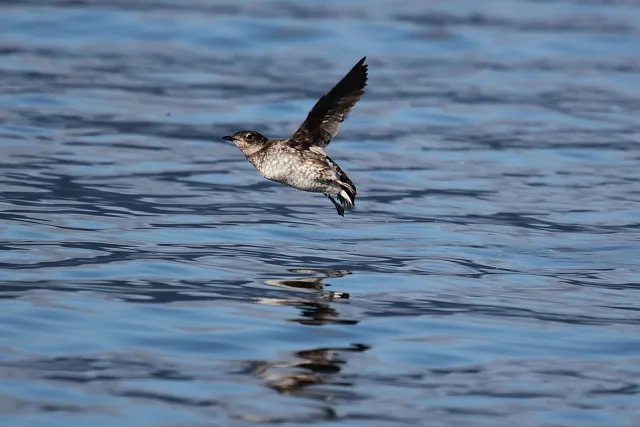
This highly threatened seabird is one of Washington's most elusive treasures. They spend most of their lives at sea but require large, old-growth coastal trees for nesting—a vanishing habitat. Its difficulty in observation, coupled with its dependence on a fragile ecosystem, makes every sighting significant.
Northern Spotted Owl (Strix occidentalis caurina)
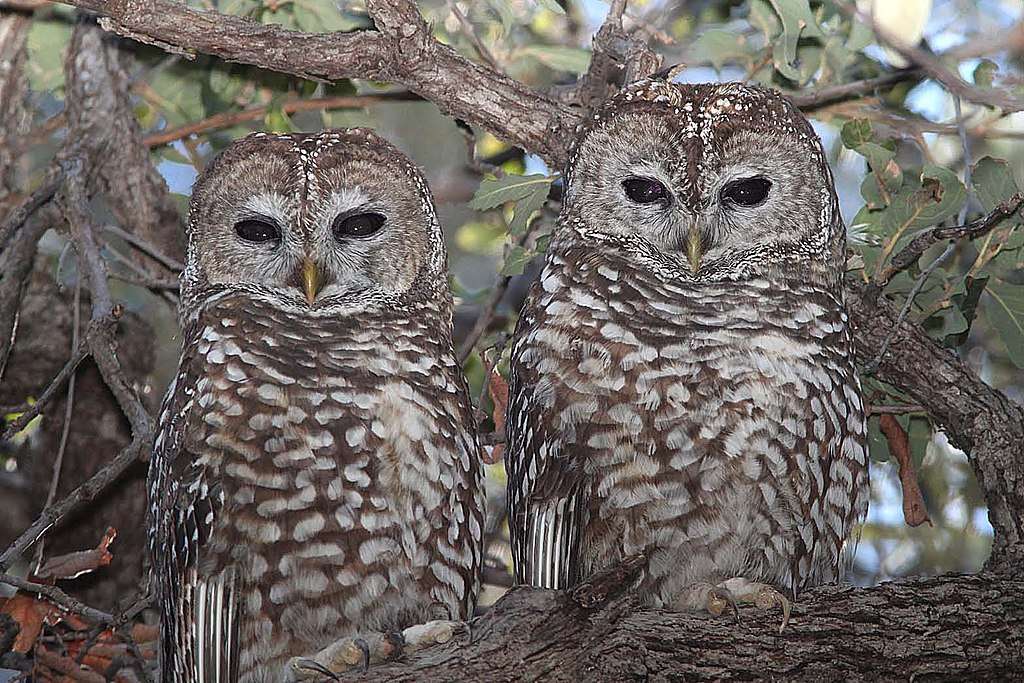
Another critically endangered bird, the Northern Spotted Owl is closely associated with old-growth coniferous forests, particularly in Western Washington. Its population has declined dramatically due to habitat loss and competition from the invasive Barred Owl. Efforts to protect the remaining small population are at the forefront of regional conservation debates.
Tufted Puffin (Fratercula cirrhata)
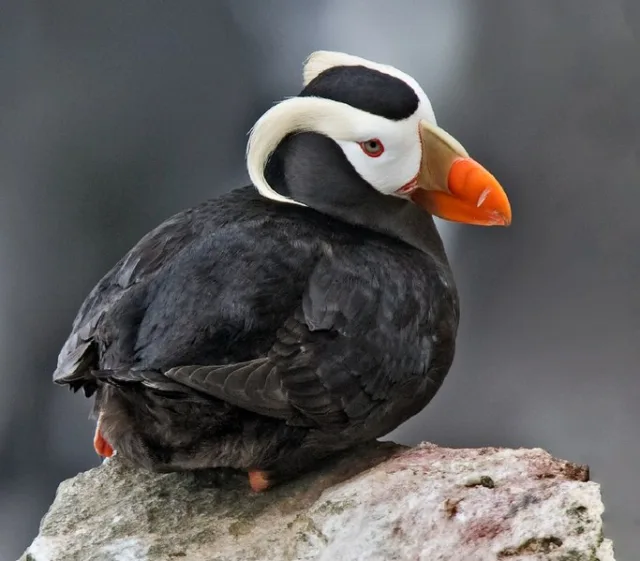
Instantly recognizable by its bright orange bill and long, yellow head plumes during the breeding season, the Tufted Puffin is a colonial seabird. While they once had numerous colonies, their population is struggling, and they are now limited to a few offshore islands in the Strait of Juan de Fuca and the outer coast. Watching these striking birds dive for fish is a special treat.
Columbian Sharp-tailed Grouse (Tympanuchus phasianellus columbianus)
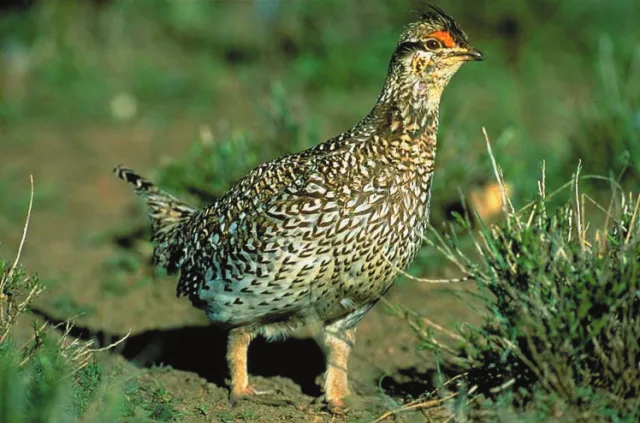
Once widespread, this subspecies of grouse is now extremely rare and localized in Washington's dwindling shrub-steppe habitat east of the Cascades. Its future depends on habitat restoration and protection, making it a species that requires intense conservation focus.
Yellow-billed Cuckoo (Coccyzus americanus)
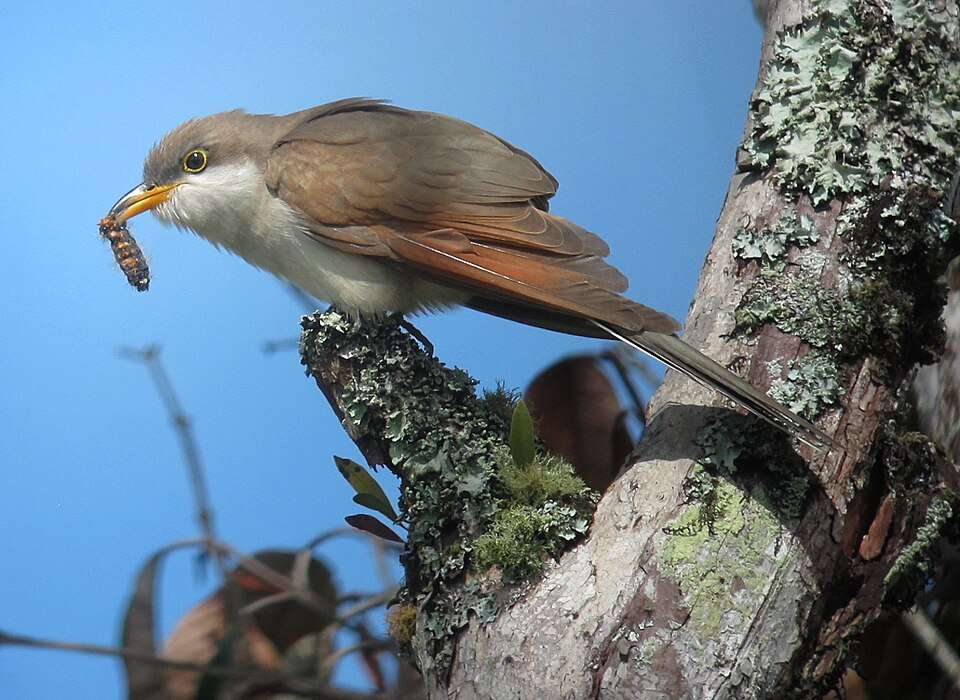
Though once a breeding resident, the Yellow-billed Cuckoo is now considered a very rare vagrant in Washington, with only occasional sightings. Its decline across the West is a result of riparian habitat loss. Known for its distinct, slow, knocking call and secretive nature, a sighting of this bird is a true rarity for Washington birders, underscoring the ongoing loss of vital riverbank ecosystems.
Conclusion: A State of Avian Wonders
From the backyard simplicity of the Black-capped Chickadee to the dramatic life cycle of the Marbled Murrelet, Washington State offers a spectacular cross-section of North American avifauna. The state’s position on the Pacific Flyway guarantees a continuous cycle of arrivals and departures, while its diverse geography provides specialized habitats for species both common and vanishingly rare. The continued conservation of these varied habitats is paramount to ensuring that Washington remains a beacon for birdlife for generations to come.
