
Virginia, the "Mother of States," is a land of extraordinary natural diversity, stretching from the sandy shores of the Atlantic to the misty peaks of the Blue Ridge Mountains. This geographic range—encompassing coastal plains, vast wetlands, deep forests, and high-altitude slopes—creates a rich tapestry of habitats that supports an equally diverse avifauna. With nearly 500 bird species recorded in the state, Virginia is a crucial stopover on the Atlantic Flyway and a permanent home for a host of captivating residents.
To appreciate the full spectrum of Virginia’s birdlife, one must look beyond the everyday backyard visitors and consider the spectacular seasonal travelers and the elusive, rarely-seen vagrants. Here, we explore 15 remarkable species, divided into three categories that highlight the breadth of the state's avian community.
Common Year-Round Residents (5 Species)
These are the familiar faces of Virginia's woods, fields, and suburban backyards, adapting to the state's mild climate and providing a constant presence regardless of the season.
1. Northern Cardinal (Cardinalis cardinalis)

As Virginia’s official state bird, the Cardinal is perhaps the most instantly recognizable resident. The males, with their striking crest and vibrant crimson plumage, are year-round beacons of color. They are easily drawn to backyard feeders, and their loud, whistled songs are a hallmark of both summer mornings and crisp winter days.
2. Carolina Chickadee (Poecile carolinensis)
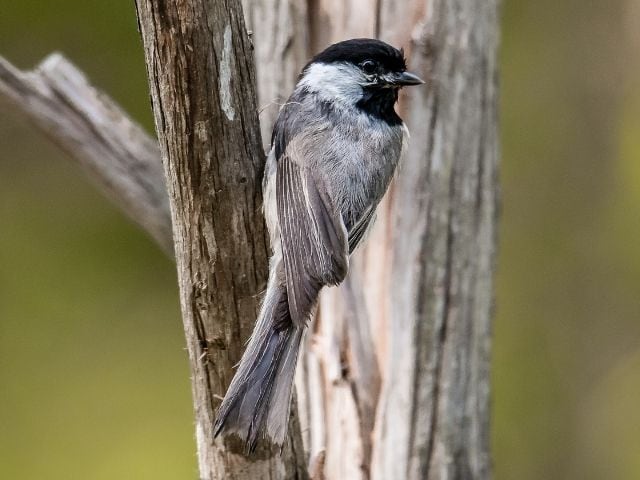
Small, energetic, and endlessly curious, the Carolina Chickadee is a staple of wooded and suburban areas. Their distinct "chick-a-dee-dee-dee" call gives them their name, and their ability to cache seeds for later consumption is key to their success as a non-migratory species. Their northern range limits, where they eventually transition to the Black-capped Chickadee, mark a subtle boundary in Virginia’s western mountains.
3. Tufted Titmouse (Baeolophus bicolor)
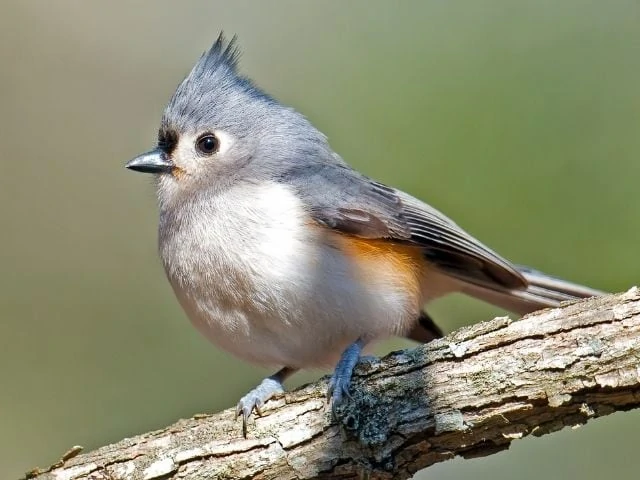
Often seen in the company of chickadees and nuthatches, the Tufted Titmouse is identified by its prominent gray crest, large dark eyes, and a loud, clear, repeated "peter-peter-peter" song. These birds are common across the state, utilizing tree cavities for nesting and providing a lively, acrobatic presence at feeders and in the forest canopy.
4. Carolina Wren (Thryothorus ludovicianus)

Pound for pound, the Carolina Wren may be the loudest bird in Virginia. This rusty-brown wren, easily distinguished by its bold white eyebrow stripe, has an outsized personality and a surprisingly complex array of songs and calls. A slight decline in severe winter weather over recent decades has helped these charming birds expand their presence further north within the state.
5. Red-bellied Woodpecker (Melanerpes carolinus)

A year-round resident, this medium-sized woodpecker is a common sight and sound in Virginia's forests. Despite its name, the "red belly" is notoriously difficult to see; the bird is much better identified by the striking black-and-white barring on its back and the brilliant red cap (extending to the nape in males) on its head. Its distinctive rolling call often echoes through parks and woodlands.
Neotropical and Seasonal Migrants (5 Species)
Virginia is a crucial corridor on the Atlantic Flyway, witnessing spectacular movements of species that breed in North America and winter in the Caribbean, Central, or South America.
6. Ruby-throated Hummingbird (Archilochus colubris)
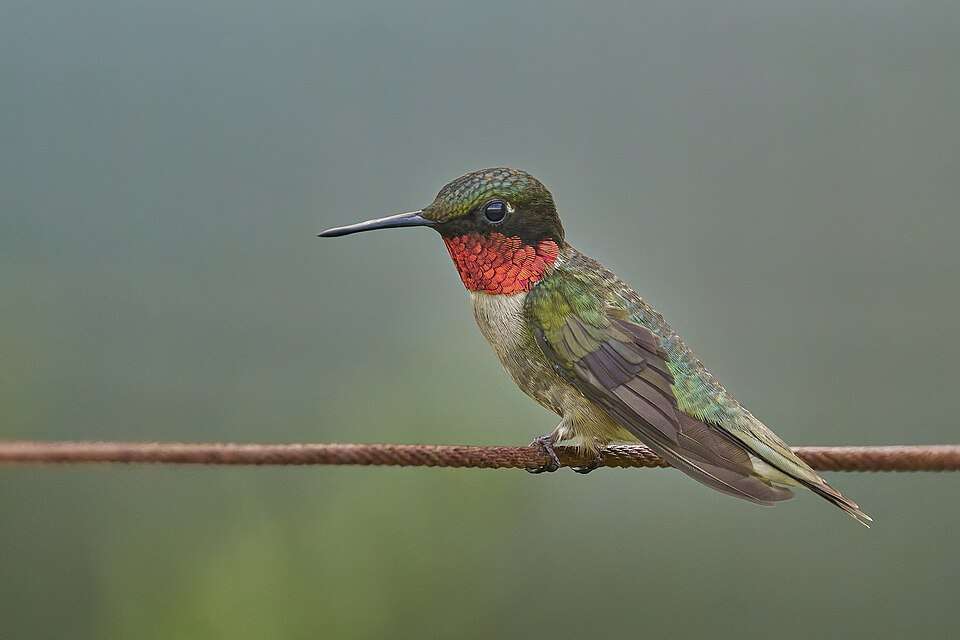
Virginia's smallest bird and sole breeding hummingbird species, the Ruby-throated Hummingbird arrives with the spring flowers, typically starting in April. Males flash a brilliant, iridescent red throat (gorget) as they buzz around tubular blooms and backyard feeders. They undertake an astonishing non-stop flight across the Gulf of Mexico during migration, departing from Virginia in early autumn.
7. Eastern Bluebird (Sialia sialis)
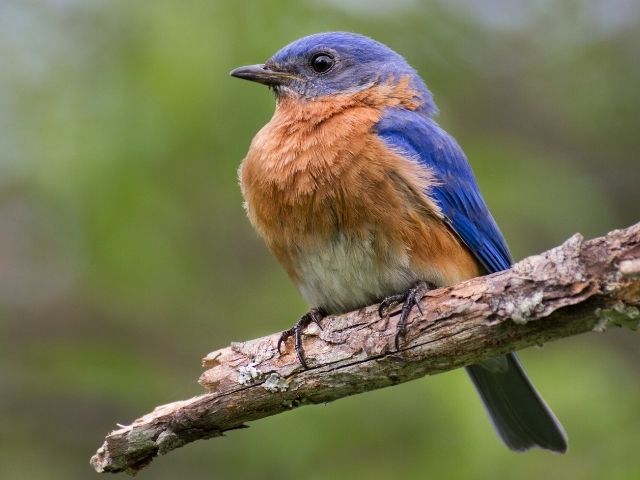
While some individuals remain year-round, many Eastern Bluebirds migrate south from Virginia's mountains and plateaus. Revered for their bright blue back, rusty chest, and soft, warbling song, these cavity-nesting birds have benefited immensely from conservation efforts, particularly the widespread placement of species-specific nest boxes in meadows and open woodlands.
8. Yellow Warbler (Setophaga petechia)
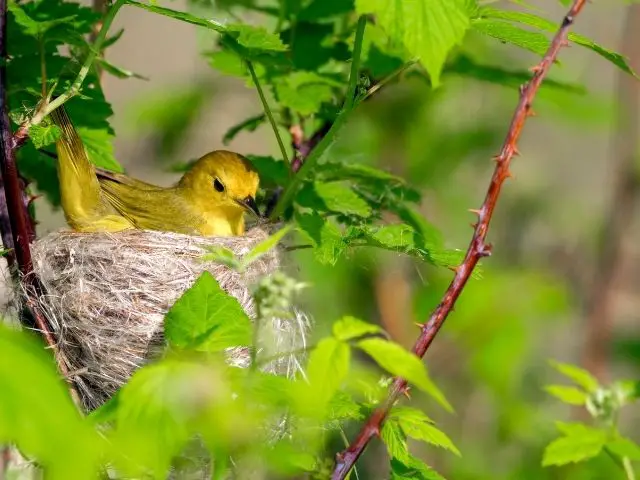
One of about 34 warbler species that pass through Virginia during the spring migration, the Yellow Warbler is a neotropical traveler that often chooses the Commonwealth for its breeding grounds. The males are unmistakable with their bright yellow plumage and subtle reddish streaks on the chest. They favor shrubs and small trees near water, where their cheerful "sweet-sweet-sweet, I'm so sweet!" song is a fixture of late spring.
9. Osprey (Pandion haliaetus)
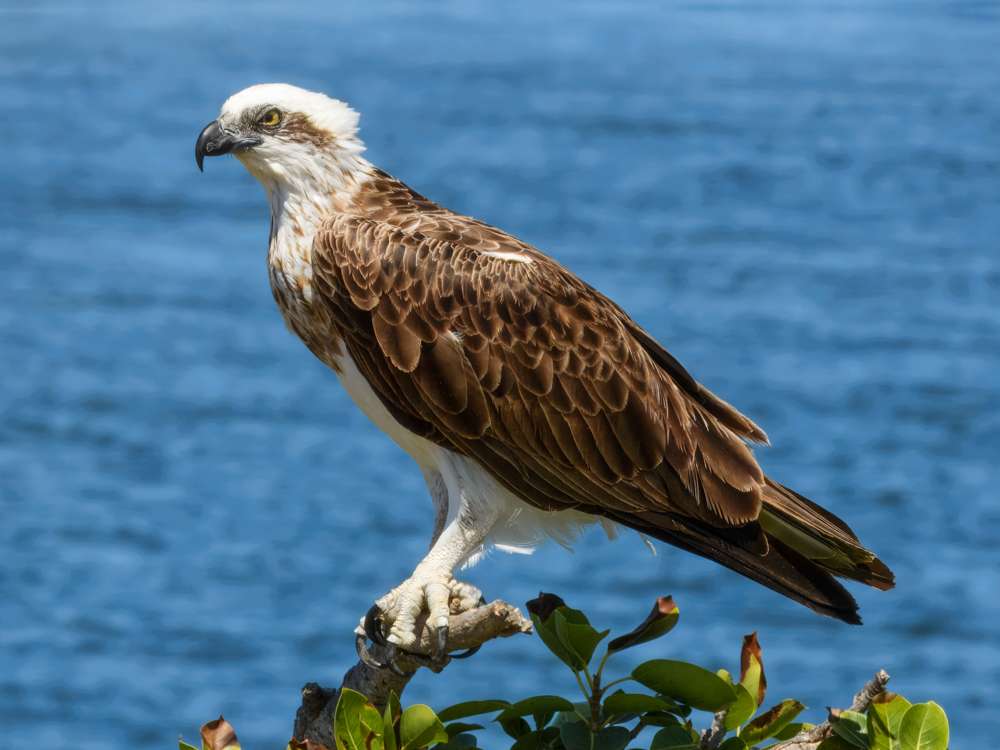
Known as the "fish hawk," the Osprey is a massive raptor that returns to Virginia's coastal areas and major river systems—like the Chesapeake Bay—each spring to nest. Their impressive stick nests, often perched atop navigational aids or dedicated platforms, are a common sight from March through September. The bird is recognizable by its white head with a dark stripe through the eye and its distinctive, angled "M" shape in flight.
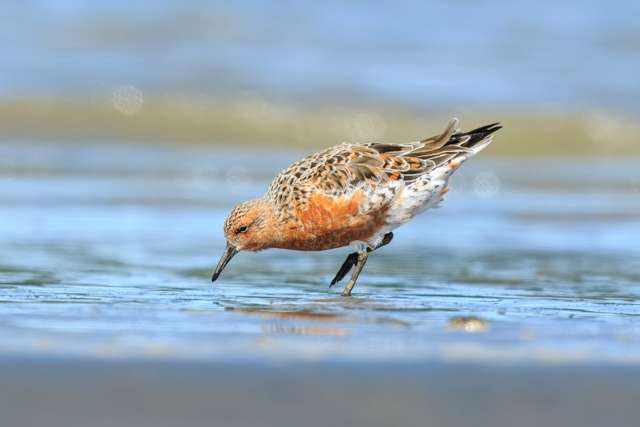
10. Red Knot (Calidris canutus)
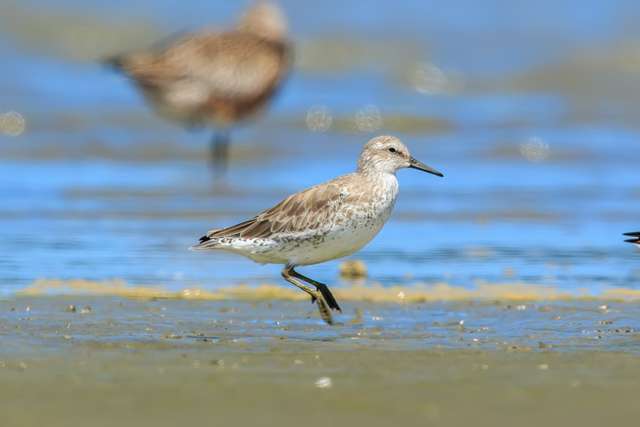
A true long-distance traveler, the Red Knot is a shorebird that migrates between its Arctic breeding grounds and wintering sites as far south as Tierra del Fuego. Virginia's Eastern Shore is a critical stopover point where thousands of knots refuel, often on Horseshoe Crab eggs, during their staggering annual journey. The birds are a conservation focus due to population declines along this flyway.
Rare and Accidental Visitors (5 Species)
These species highlight Virginia's location as a birding hotspot, attracting vagrants blown off course or extending their range in highly unusual ways. Sighting one of these is often a once-in-a-lifetime birding experience in the state.
11. Snowy Owl (Bubo scandiacus)
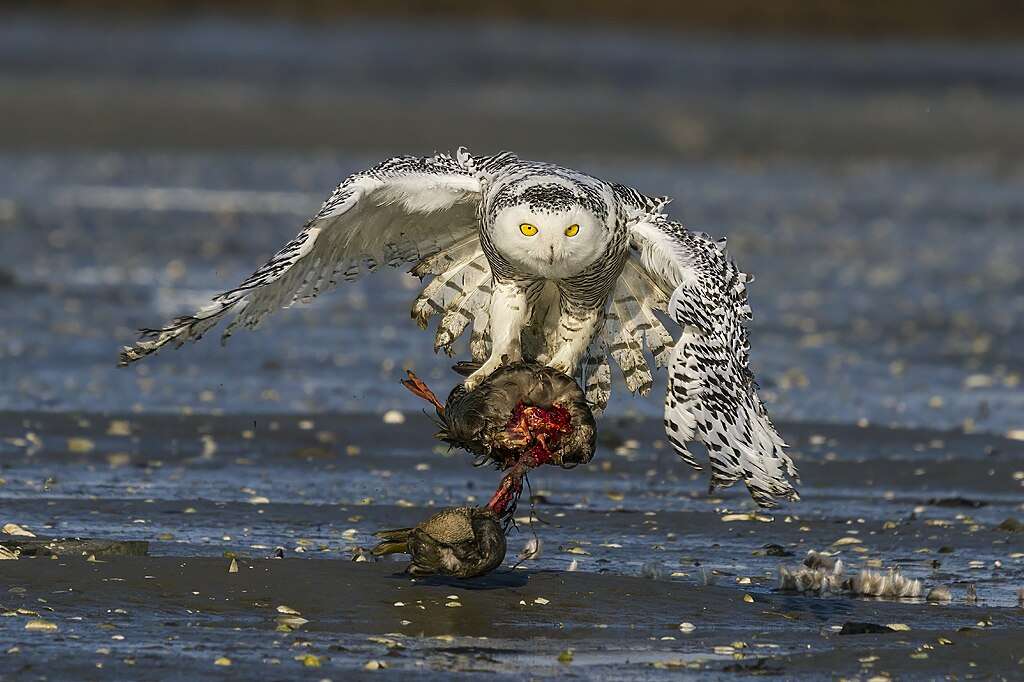
Typically a resident of the high Arctic tundra, the Snowy Owl appears in Virginia only during rare "irruption" years, when a shortage of prey on their northern breeding grounds forces them far south. These magnificent white owls are often spotted along the coast or in large open fields during winter, drawing dedicated birders from across the region.
12. Black-capped Chickadee (Poecile atricapillus)
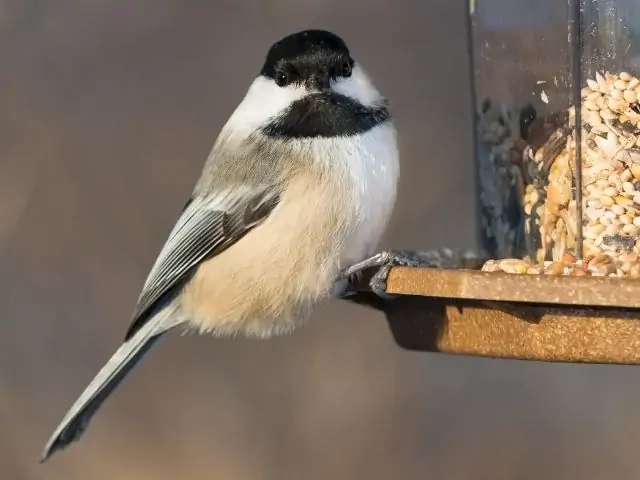
While the Carolina Chickadee is common across the state, the Black-capped Chickadee is considered a rare or accidental visitor, primarily restricted to the highest elevations of the Appalachian Mountains in the extreme west. Their presence is a delicate ecological marker, representing the southernmost edge of their typical range in North America, and their deeper, slower, "fee-bee" whistle contrasts subtly with their southern cousin.
13. Garganey (Spatula querquedula)
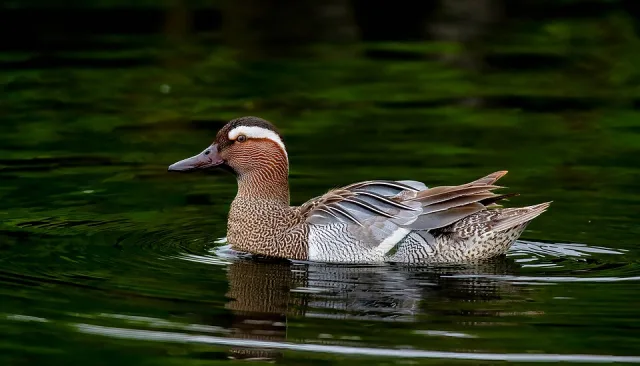
The Garganey is an Old World duck species, native to Europe and Asia. Its presence in Virginia is considered highly rare, bordering on accidental, occurring only when an individual bird is blown far off its normal migratory path across the Atlantic. A confirmed Garganey sighting, often at a coastal refuge like Chincoteague, is a major event for the state’s birding community and a testament to the unpredictable nature of avian travel.
14. Western Meadowlark (Sturnella neglecta)

The Eastern Meadowlark is a common sight in Virginia's open fields, but its western counterpart is a significant rarity. The Western Meadowlark, a species typically found in the central and western United States, occasionally wanders eastward. Identifying this vagrant requires keen eyes, as its plumage is nearly identical to the Eastern Meadowlark, forcing birders to rely on its distinct, melodic, and flutelike song.
15. Tropical Kingbird (Tyrannus melancholicus)
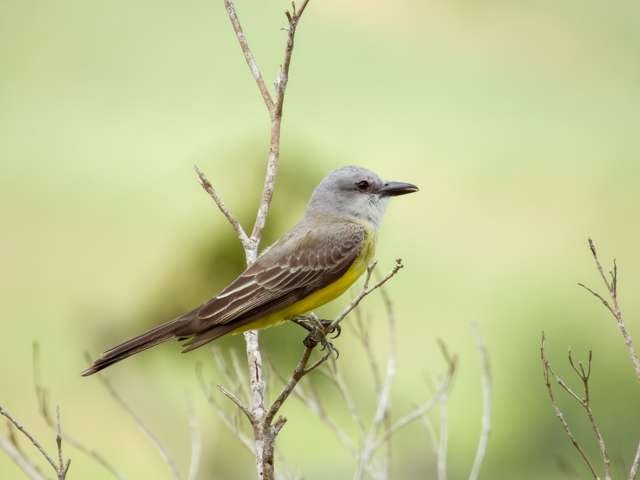
A vibrant flycatcher native to Central and South America, the Tropical Kingbird is a thrillingly rare vagrant to Virginia. These birds, recognizable by their bright yellow belly and slightly notched tail, appear only when extreme weather events or navigational errors push them thousands of miles north of their typical range. Their presence, occasionally recorded on the Eastern Shore, illustrates the potential for unexpected visitors along the Atlantic coast.
Virginia's avian community is a dynamic mix of the familiar and the foreign, the permanent and the transient. From the ubiquitous Northern Cardinal to the rarely-seen Tropical Kingbird, these 15 species—and the hundreds more that share their space—paint a vivid picture of a state whose diverse landscapes remain a vital sanctuary for the feathered world. Their presence serves as a constant reminder of the incredible forces of nature, from the cycles of the seasons to the mystery of long-distance migration, that unfold daily across the Commonwealth.
