
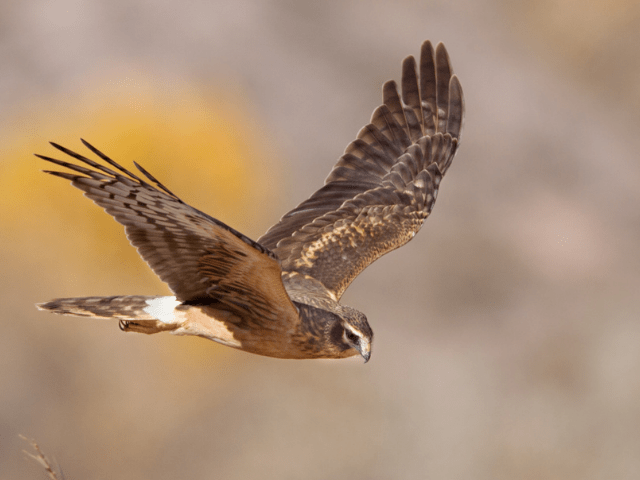
In the sun-drenched cherry orchards of California’s Central Valley and the sprawling vineyards of the Pacific Northwest, a prehistoric form of pest control is making a sophisticated comeback. Farmers, long reliant on chemical deterrents and noisy propane cannons, are increasingly looking to the skies for a more elegant solution. The deployment of raptors—birds of prey—is transforming modern agriculture, offering a sustainable, cost-effective, and remarkably efficient way to protect the nation's food supply.

For decades, the primary challenge for orchardists and growers has been "pest birds" and rodents. Species like the European Starling, American Robin, and various finches can decimate a cherry or grape crop in a matter of days, pecking at fruit and leaving it vulnerable to rot and disease. On the ground, California Ground Squirrels and Voles undermine soil integrity and gnaw on irrigation lines. While traditional methods like netting are effective, they are expensive to install and labor-intensive to maintain. This is where the "Raptor Reinforcement" comes in.
The Falconry Solution: Tactical Deterrence
One of the most high-tech applications of this ancient art is the use of professional falconry. In this model, master falconers are hired to fly trained birds over high-value crops during the critical weeks before harvest.
The Peregrine Falcon, the world’s fastest animal, is the primary athlete in this arena. Its mere presence in the air creates a "zone of danger" that triggers a primal fear response in smaller birds. Unlike a scarecrow or a recorded distress call—which birds eventually realize are harmless—the threat of a Peregrine is real and unpredictable.

However, the goal isn't necessarily for the falcon to hunt. In the world of agricultural falconry, the objective is "hazing." A single Saker Falcon or Gyrfalcon soaring above a vineyard can keep thousands of starlings at bay simply by being visible. The pests quickly learn that the orchard is "occupied territory," forcing them to seek forage elsewhere. This method is particularly popular in blueberry and wine-grape production, where even a 10% crop loss can equate to hundreds of thousands of dollars in lost revenue.
Resident Raptors: The Kestrel and the Barn Owl

While professional falconry is a tactical, short-term intervention, many farmers are investing in long-term, resident biological control. This involves installing nesting boxes to attract wild raptors to live on the farm year-round.
The American Kestrel, North America’s smallest falcon, has emerged as the MVP of the orchard. These colorful hunters specialize in large insects and small birds. Research from Michigan State University has shown that enticing kestrels into cherry orchards significantly reduces the presence of fruit-eating birds. Because kestrels are territorial, once a pair moves into a provided nesting box, they will patrol that specific "beat" tirelessly.
On the night shift, the Barn Owl takes over. Often called "nature’s mousetrap," a single family of barn owls can consume over 3,000 rodents in a single nesting season. In states like California, where rodenticides are increasingly regulated due to their secondary poisoning effects on wildlife, barn owls offer a clean alternative. By placing owl boxes along the perimeter of a field, farmers can manage Pocket Gophers and voles without the need for toxic baits that might otherwise enter the local ecosystem.
The Economic and Environmental Edge

The shift toward using birds of prey isn't just about environmental "goodwill"—it makes sound fiscal sense. The costs associated with chemical pesticides, including the equipment, labor, and the chemicals themselves, are rising. Furthermore, a growing segment of the American consumer market is demanding "pesticide-free" or "sustainably grown" labels.
Using raptors helps farmers meet these standards while reducing their carbon footprint. Netting, for instance, is often made of plastic that eventually ends up in landfills. In contrast, a nesting box for a Cooper’s Hawk or a Red-tailed Hawk is a one-time investment that pays dividends for years.
There is also the benefit of "ecological balance." When a farmer encourages a Great Horned Owl or a Swainson’s Hawk to stay on their land, they are supporting local biodiversity. These predators help maintain a healthy landscape where no single pest population can explode unchecked.
Challenges and Considerations

Integrating raptors into a farm is not without its hurdles. It requires a deep understanding of avian biology. For instance, farmers must ensure they aren't using certain types of rodenticides that could lead to secondary poisoning of the very owls they are trying to attract.
Furthermore, different crops require different "aerial specialists." A Harris's Hawk, known for its social hunting behavior, might be better for clearing out stubborn crows in a nut orchard, while a smaller falcon is better suited for the high-speed chases required in a berry field.
The Future of the Field
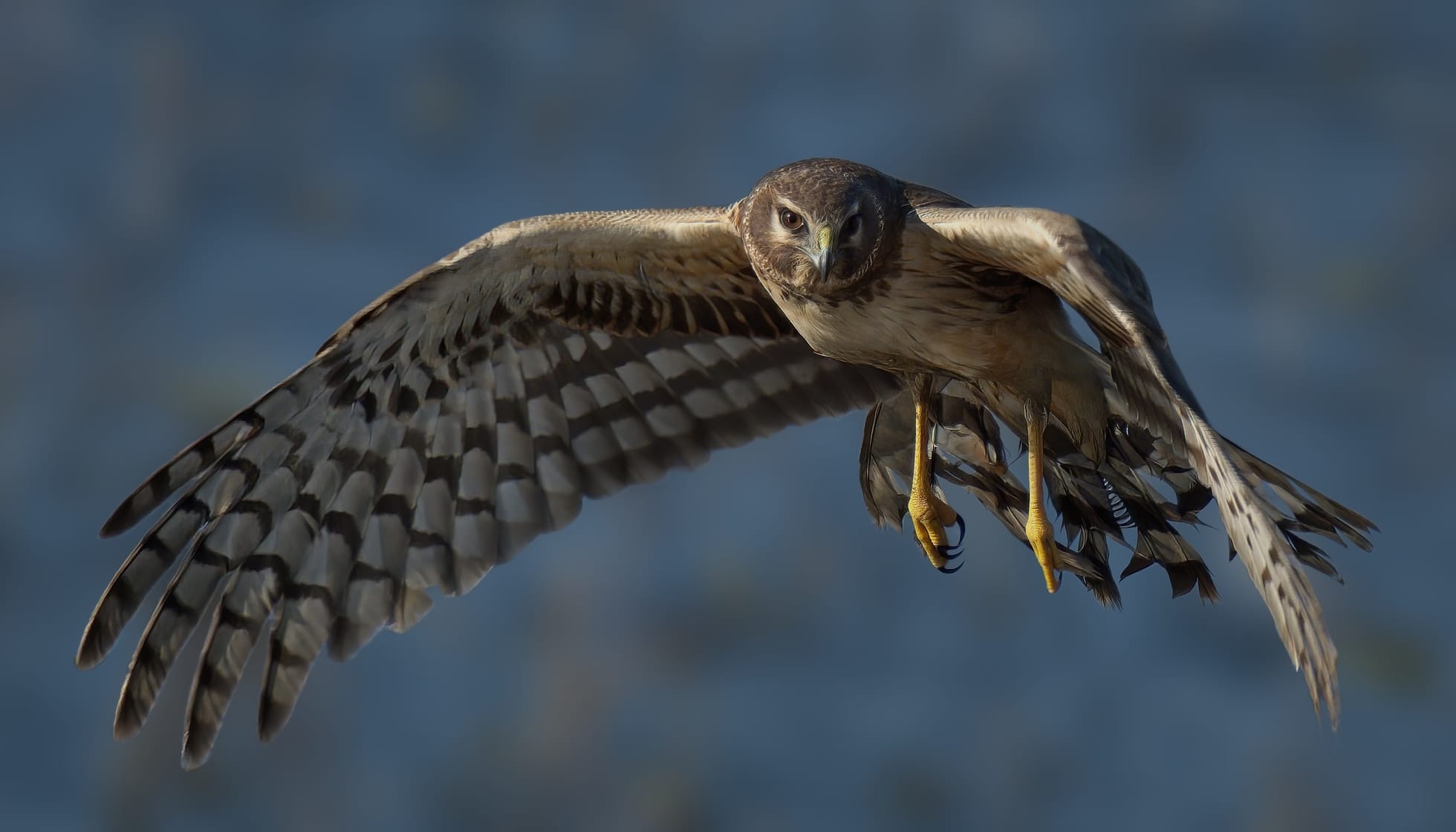
As we look toward the future of American agriculture, the silhouette of a hawk over a field is becoming a symbol of progress rather than a relic of the past. Innovative programs are currently mapping "raptor corridors" and using GPS tracking to see exactly how these birds move through agricultural landscapes.
From the Northern Harrier gliding low over grain fields to the Merlin darting through fruit trees, these birds are proving that the most advanced technology for crop protection was perfected by evolution millions of years ago. By partnering with these silent sentinels, American farmers are finding a way to work with nature to feed the world, one flight at a time.
