
New Jersey, though one of the most densely populated states, boasts a remarkably rich and varied birdlife. Positioned along the Atlantic Flyway, its diverse habitats—from the mountainous forests of the north to the sprawling Pine Barrens, and the critical coastal wetlands—make it a renowned birding hotspot, particularly the globally famous Cape May peninsula. Over 460 bird species have been documented here, a testament to the state's ecological significance.
To capture the essence of New Jersey’s avian world, we explore 15 species categorized by their residence status: common year-round residents, spectacular migratory visitors, and exciting, rare accidentals.
The Common Residents
These five birds form the soundtrack and backdrop of everyday life in the Garden State, adapting effortlessly to both suburban feeders and wilder woodlands.
Northern Cardinal (Cardinalis cardinalis)
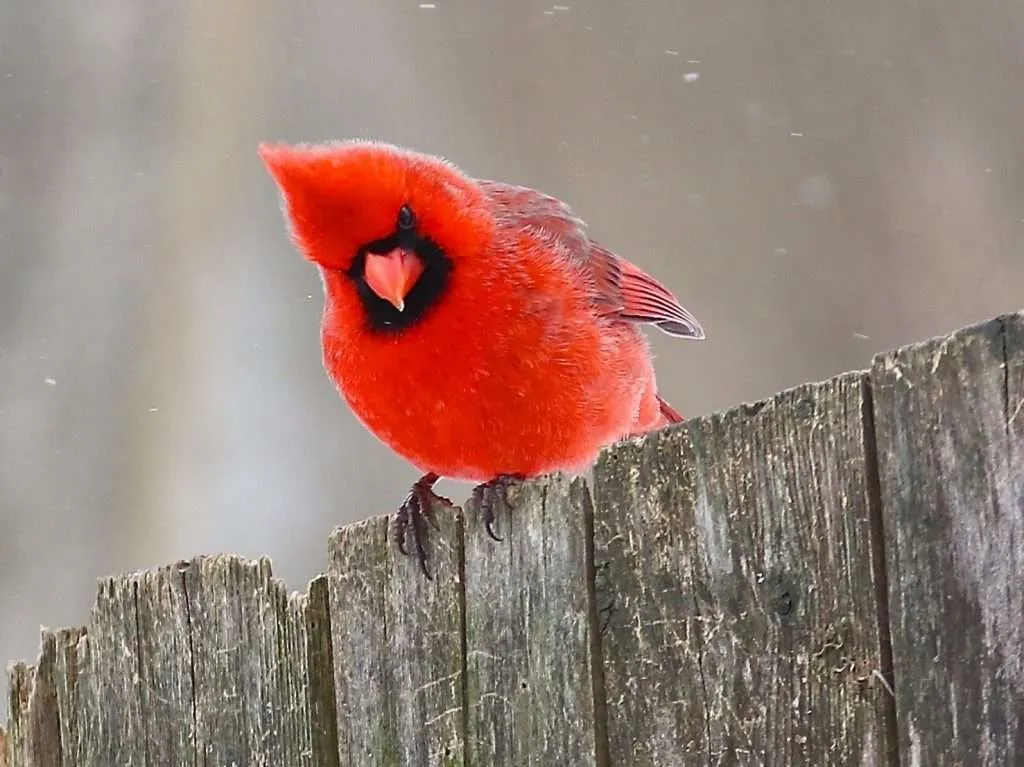
An unmistakable symbol of winter beauty, the male's brilliant red plumage is striking against snow. Cardinals are non-migratory and their cheery, loud whistling song is heard year-round in backyards and parks across the state. They are frequent feeder visitors, particularly favoring sunflower seeds.
Black-capped Chickadee (Poecile atricapillus)
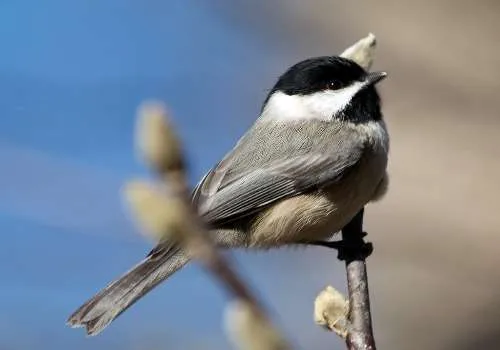
Small, energetic, and highly acrobatic, the chickadee is identifiable by its distinctive black cap and bib, and white cheek patches. Its namesake call, "chick-a-dee-dee-dee," is a common sound in New Jersey's forests and suburbs, and it is highly resilient to cold weather.
Tufted Titmouse (Baeolophus bicolor)
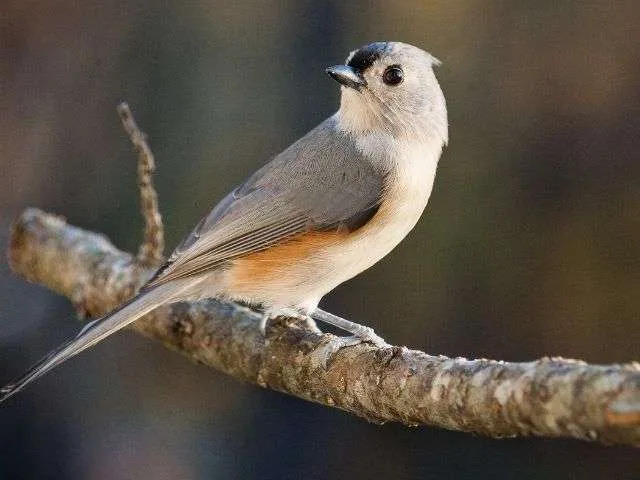
A curious and vocal songbird, the Tufted Titmouse is easily recognized by its pointed gray crest and large black eyes. Its repeated, clear whistle, "peter-peter-peter," is a common spring and summer sound, though they remain year-round. Like chickadees, they readily visit suet and seed feeders.
American Goldfinch (Spinus tristis)
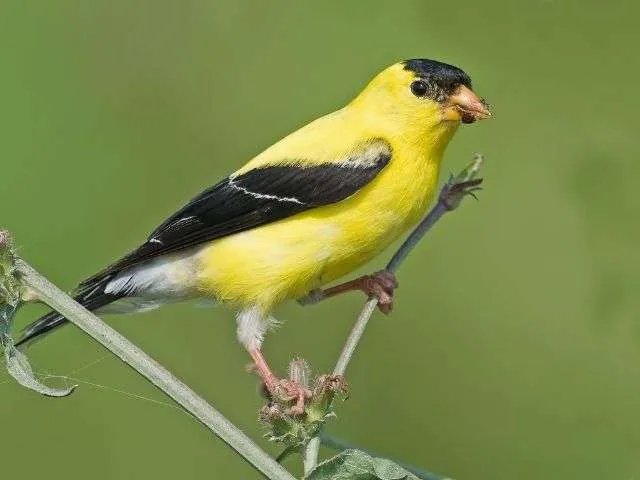
The state bird of New Jersey, the goldfinch transforms seasonally. Males are brilliant yellow with black wings in summer, fading to a duller olive-yellow in winter. They are often seen feeding on thistle seeds and fly in an undulating, bouncy pattern while singing, "per-chick-o-ree."
Red-bellied Woodpecker (Melanerpes carolinus)
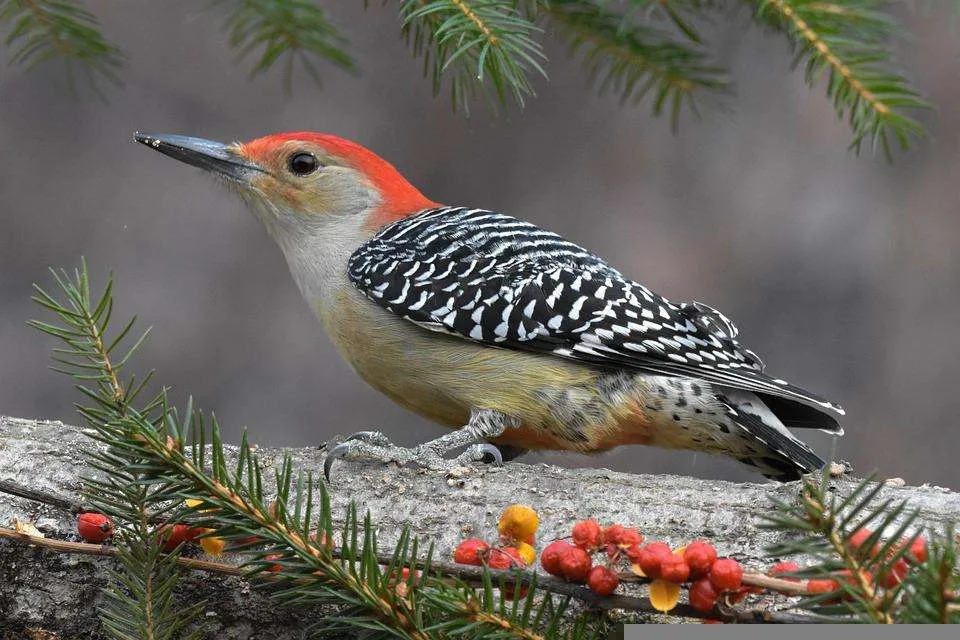
Increasingly common, this striking woodpecker has a distinctive zebra-striped back and a subtle reddish wash on the belly (hard to see) and a bright red crown/nape patch (full cap on males, nape-only on females). They are vocal and often heard before they are seen, emitting a loud, rolling “churr-churr.”
The Migratory Spectacles
New Jersey’s location on the Atlantic Flyway makes it a critical stopover point for species traveling between Arctic breeding grounds and Southern or Central American wintering grounds.
Osprey (Pandion haliaetus)
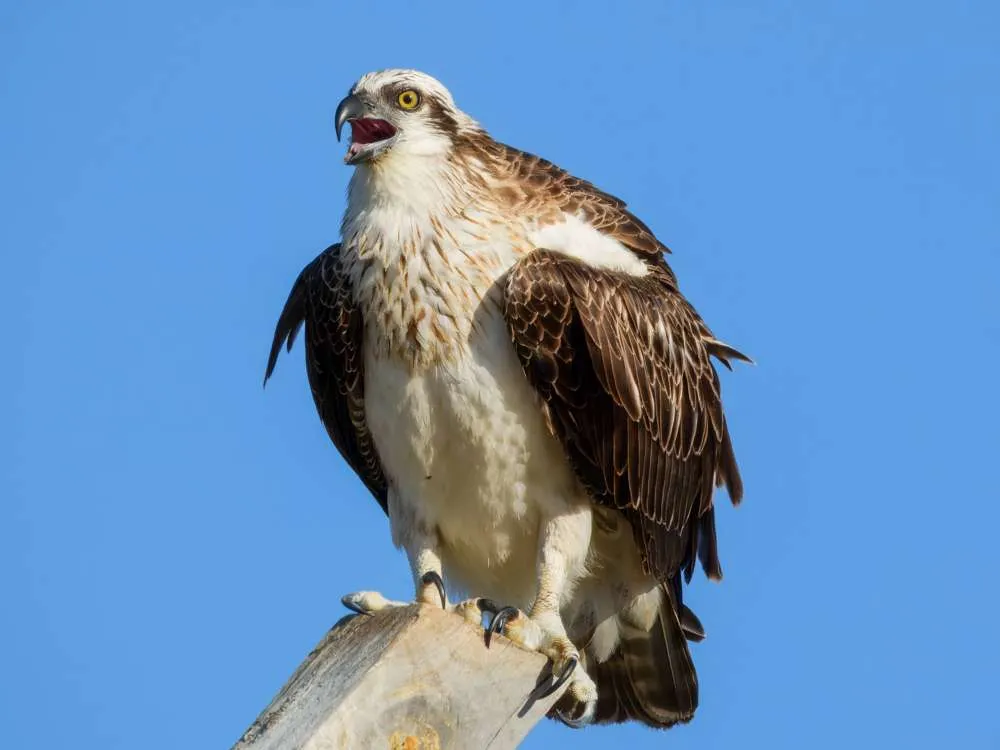
A majestic raptor and a conservation success story in New Jersey, the Osprey is a summer resident. They build massive stick nests high on platforms or dead trees near water and are specialist fish-eaters, often seen plunging feet-first into bays and rivers to snatch prey. They migrate south to Central and South America for the winter.
Red Knot (Calidris canutus)
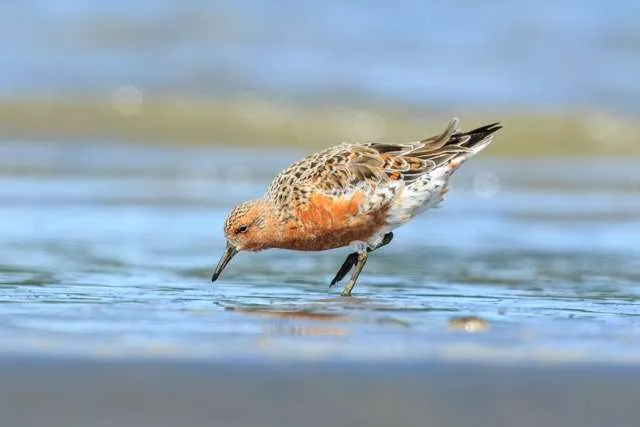
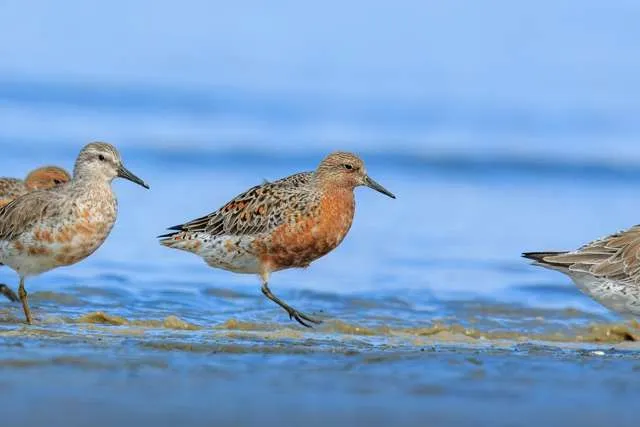
This medium-sized shorebird is an icon of global migration. Twice a year, it makes one of the world's longest migrations, flying over 9,000 miles from its wintering grounds in Tierra del Fuego to its Arctic breeding grounds. Their critical stopover in the Delaware Bay each May, where they gorge on nutrient-rich horseshoe crab eggs, is a globally significant wildlife spectacle. Red Knots are currently listed as a threatened species.
Snow Goose (Anser caerulescens)

These brilliant white geese visit New Jersey in massive flocks during the non-breeding season, primarily in fall and winter. They descend upon coastal marshes and farm fields, creating a mesmerizing spectacle as they lift off together in a flurry of white wings.
Ruby-throated Hummingbird (Archilochus colubris)
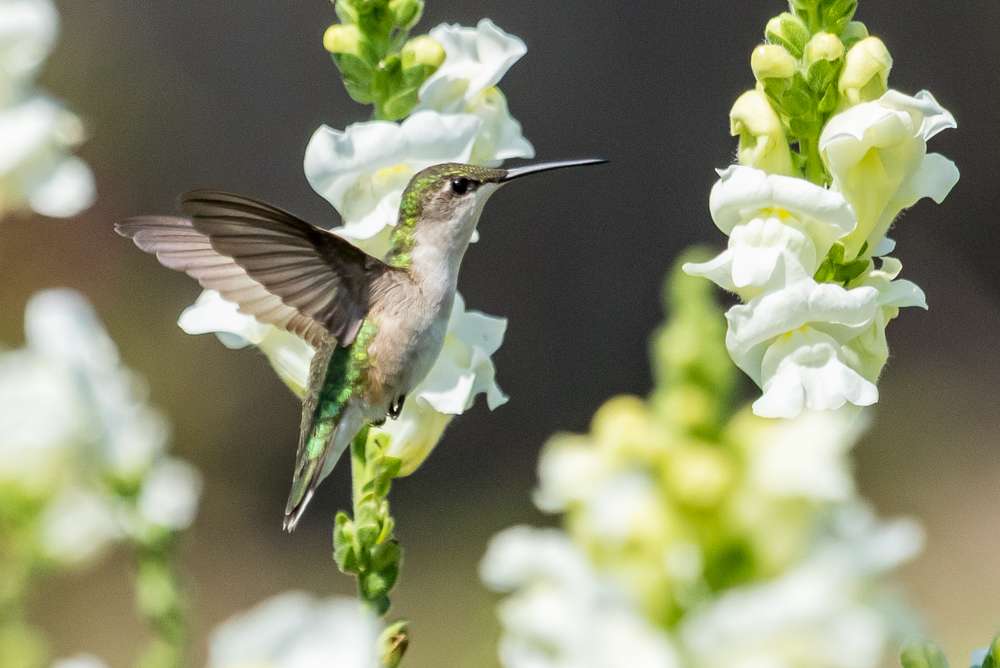
The only hummingbird species that regularly breeds in eastern North America, this tiny jewel arrives in New Jersey gardens in spring. Males have an iridescent ruby-red throat (gorget) that flashes in the sun. They undertake an astounding migration, often crossing the Gulf of Mexico non-stop.
Scarlet Tanager (Piranga olivacea)
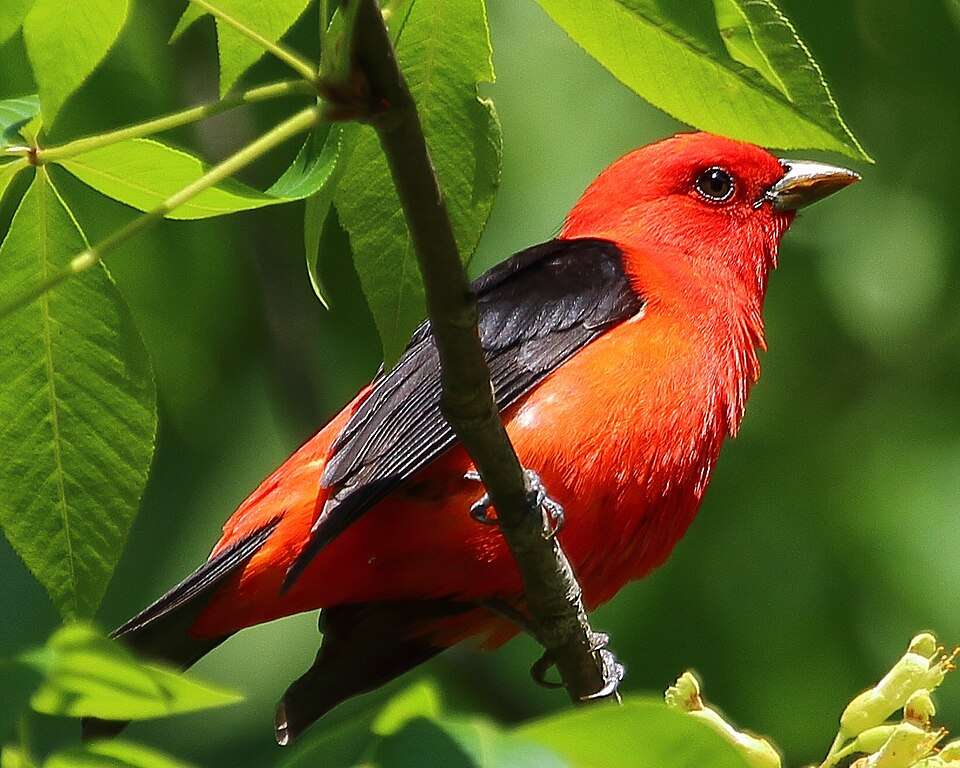
A striking Neotropical migrant, the male is brilliant scarlet red with jet-black wings and tail. They breed in New Jersey's mature deciduous forests in the summer, but their vibrant color makes them a prized sighting during spring and fall migration before they return to South America.
The Rare and Accidental
New Jersey’s coastal exposure and geographic funneling effect occasionally lead to extraordinary sightings of birds blown off course, known as "accidentals" or "vagrants."
Wood Stork (Mycteria americana)

Primarily a resident of Florida and the Gulf Coast, this large wading bird has been sighted in New Jersey as a rare post-breeding wanderer. Its distinctive bare, scaly head and massive bill make it an unmistakable—and exciting—sight when it appears in northern marshes.
Pacific Diver (Gavia pacifica)
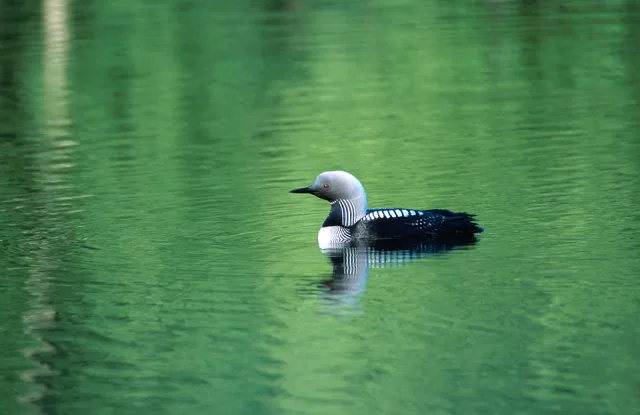
As its name suggests, this loon is typically found along the Pacific coast of North America and Asia. Its occasional appearance in New Jersey waters, usually in winter, represents a significant overshoot or navigational error, causing a stir among the local birding community. It's identifiable by its smaller size and distinctive non-breeding plumage compared to the more common Common Loon.
Ash-throated Flycatcher (Myiarchus cinerascens)
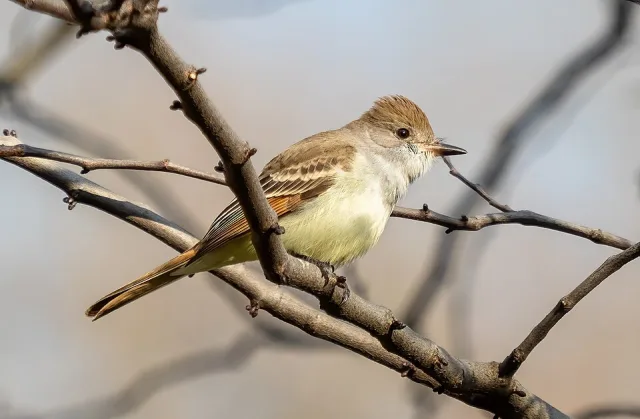
A western species of flycatcher, its appearance on the East Coast, particularly at famous migratory funnels like Cape May, is a very rare event. Identifying this vagrant requires an expert eye, often relying on subtle plumage details and wing pattern.
Black-bellied Whistling-Duck (Dendrocygna autumnalis)

A tropical species normally found in the southern United States, Mexico, and Central America, this duck has become an increasingly frequent, albeit still rare, sight in New Jersey. Their unique upright posture and pink bills make them stand out from native waterfowl.
Snowy Owl (Bubo scandiacus)
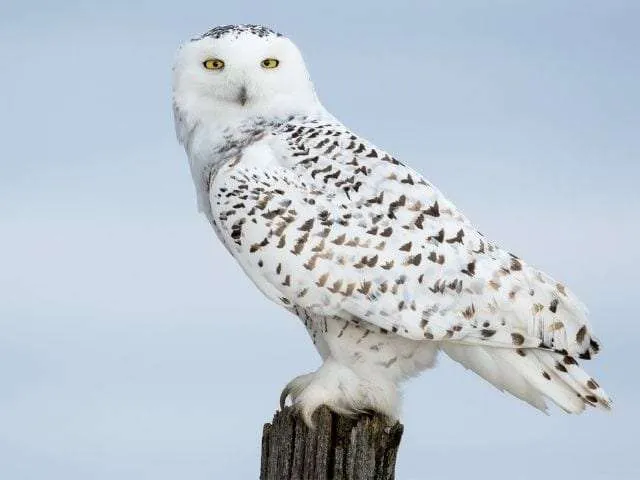
While not a permanent resident, the Snowy Owl appears in New Jersey during "irruptive" years, when food scarcity drives them south from their Arctic breeding grounds in large numbers. These majestic, white owls can be seen resting on dunes or pilings along the coast, offering birders a truly spectacular, though irregular, winter treat.
New Jersey's remarkable blend of habitats ensures that its avian population offers something for every enthusiast, from the cheerful backyard mainstays to the globetrotting migrants and the thrilling, unexpected visitors from distant lands. It remains a crucial nexus on the Atlantic Flyway, a state where every field, forest, and shoreline holds the potential for a world-class birding experience.
