

Michigan, the Great Lakes State, boasts an astonishing diversity of habitats—from northern boreal forests and vast freshwater shorelines to southern deciduous woodlands and urban parks. This ecological richness makes it a prime location for birdwatching, hosting over 450 recorded species. The state's position along major North American flyways ensures a spectacular influx of migratory birds each spring and fall, while its resident species endure the snowy winters. Understanding Michigan's avian inhabitants means appreciating the full spectrum of its birdlife, from the most frequently seen backyard guests to the rarest, most conservation-dependent species.
This article highlights fifteen significant bird species of Michigan, categorized by their typical status in the state: Common Residents, Seasonal Migrants, and Rare or Endangered Species, offering a snapshot of the state’s complex and beautiful ornithological landscape.
Common Residents: Year-Round Staples
These species are the familiar faces of Michigan's birdlife, often seen throughout the year in a variety of habitats, including backyards and urban areas. They have adapted to survive the state's cold winters.
1. Northern Cardinal (Cardinalis cardinalis)
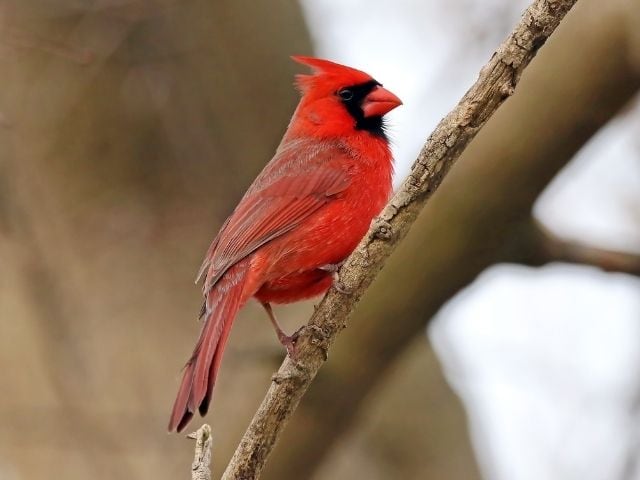
A favorite state resident, the Northern Cardinal is instantly recognizable. The male is a striking, bright red with a black mask and a prominent crest, while the female is a rich reddish-brown. Their cheerful, whistling song is a constant in all seasons. Cardinals don't migrate and are frequent visitors to bird feeders, providing a splash of color against winter snows.
2. Black-capped Chickadee (Poecile atricapillus)
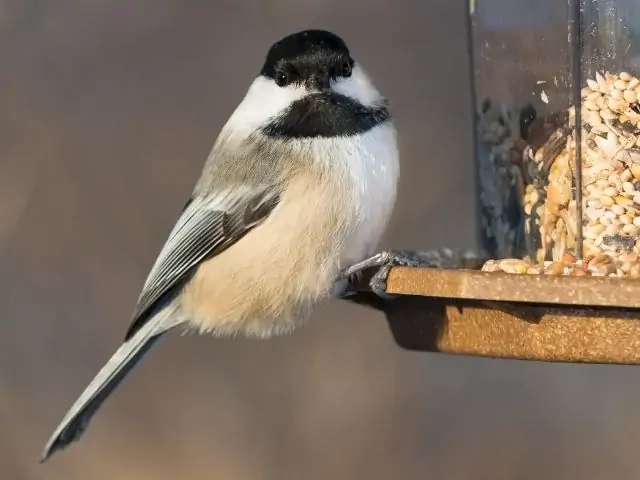
The Black-capped Chickadee is a small, energetic, and highly acrobatic bird with a black cap, white cheeks, and a tiny body. Known for its distinct "chick-a-dee-dee-dee" call, this species is a symbol of hardiness, remaining in Michigan year-round. They utilize tree cavities for nesting and roosting and are masters at finding dormant insects and seeds, often caching food for later.
3. Blue Jay (Cyanocitta cristata)

Loud, intelligent, and vibrantly blue, the Blue Jay is impossible to ignore. They are known for their complex social structure and their ability to mimic the calls of raptors, particularly the Red-shouldered Hawk. They are partially migratory in Michigan, with many individuals moving south in large flocks during the fall, while others remain as year-round residents.
4. Downy Woodpecker (Dryobates pubescens)
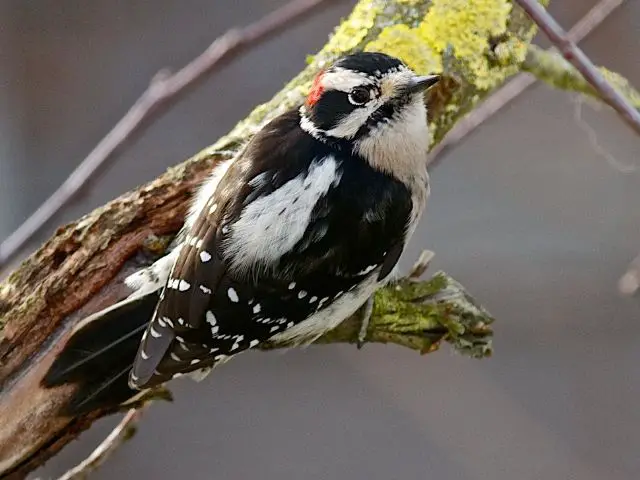
North America's smallest woodpecker, the Downy Woodpecker, is a permanent resident throughout the state. It has a black-and-white checkered pattern, and the male sports a small red patch on the back of its head. They are often seen hitching up tree trunks and branches, pecking for insects, and are easily attracted to suet feeders in winter.
5. Mourning Dove (Zenaida macroura)
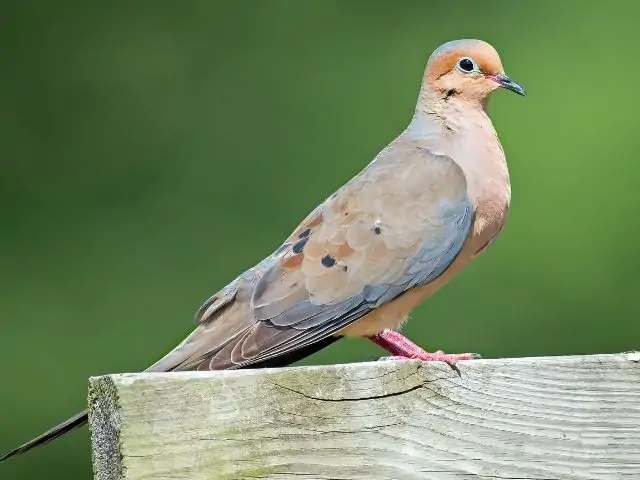
Common in open areas, suburbs, and farms, the Mourning Dove is a sleek, gray-brown bird with a long, pointed tail. Their gentle, mournful cooing is a familiar sound of spring and summer. While some flocks migrate south, many individuals remain in the southern Lower Peninsula throughout the winter.
Seasonal Migrants: Travelers of the Flyway
Michigan lies on one of the continent's major migration corridors, making it a critical stopover and breeding ground for millions of birds traveling between North and South America. These species spend their breeding season (summer) in Michigan and then journey south for the winter.
6. American Robin (Turdus migratorius)

While often considered a common resident in southern Michigan, the American Robin is one of the most visible harbingers of spring, as massive waves of migratory individuals return to breed. Their familiar red breast and cheerful song are synonymous with the warm months. They primarily winter in the southern U.S. and Mexico.
7. Ruby-throated Hummingbird (Archilochus colubris)

The only hummingbird species to regularly breed in eastern North America, the Ruby-throated Hummingbird arrives in Michigan in late spring after an incredible non-stop flight across the Gulf of Mexico. The males sport an iridescent, metallic red throat patch. They are highly sought-after by backyard enthusiasts and depart quickly in early fall.
8. Common Nighthawk (Chordeiles minor)

A mysterious aerialist, the Common Nighthawk is a nocturnal insectivore often seen at dusk and dawn. Despite its name, it's not a hawk but a member of the nightjar family. They migrate in large, loose flocks during the fall, often following the Great Lakes shorelines. They are listed as a Species of Special Concern in Michigan.
9. Yellow Warbler (Setophaga petechia)
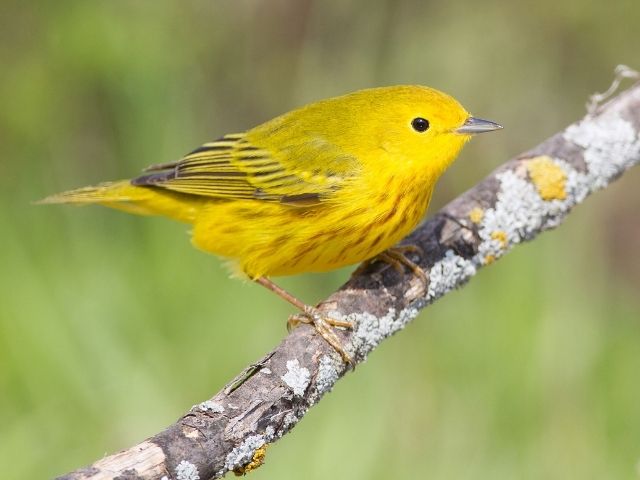
One of the most widely distributed and common warblers in North America, the Yellow Warbler is a small, brilliant yellow bird with subtle reddish streaks on the breast (on the males). They arrive to breed in shrubby habitats across Michigan in spring and depart early for their wintering grounds in Central and South America.
10. Sandhill Crane (Antigone canadensis)
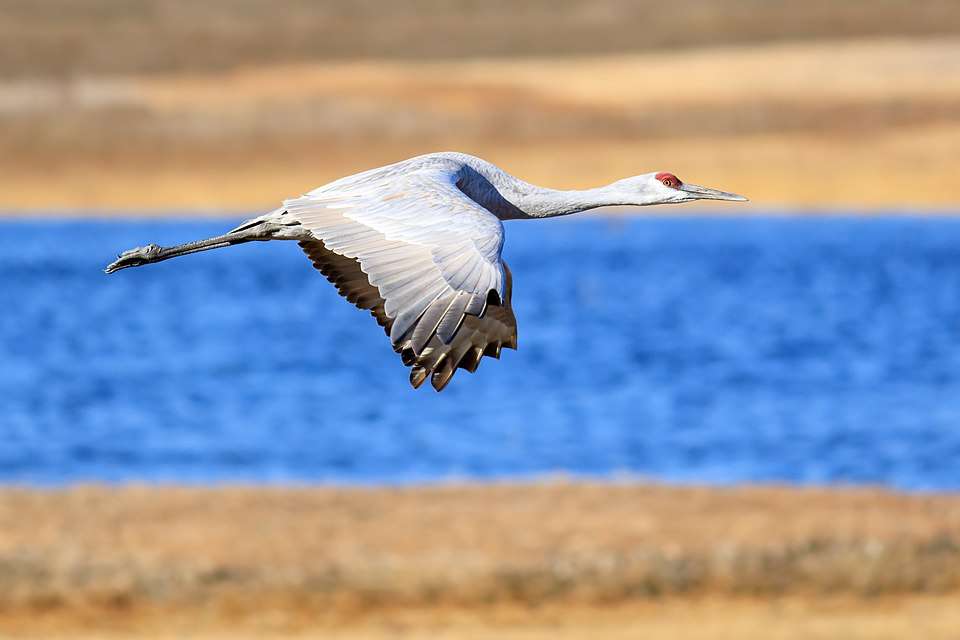
Standing nearly five feet tall, the Sandhill Crane is a magnificent sight. Its all-gray plumage and red forehead patch make it unmistakable. These stately birds breed in Michigan's wetlands and are known for their loud, bugling calls and elaborate, dancing courtship rituals. They gather in impressive "staging" flocks in wetlands before migrating south in the fall.
Rare and Protected Species: Jewels of Conservation
These species face significant challenges, often due to habitat loss or other environmental pressures, and represent some of Michigan's most treasured and carefully monitored avian inhabitants.
11. Kirtland's Warbler (Setophaga kirtlandii)
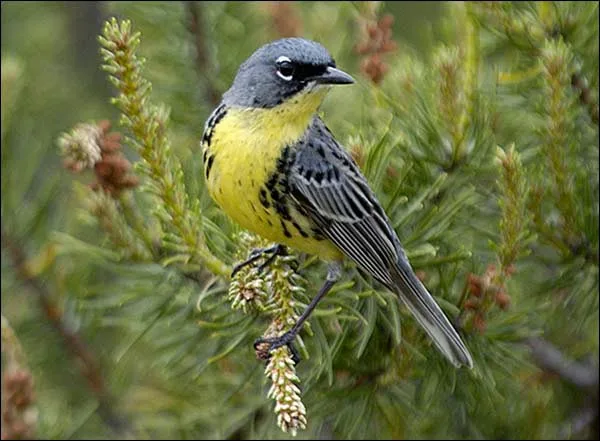
The Kirtland's Warbler is perhaps Michigan’s most famous avian icon. It's a striking yellow and gray songbird with a distinctive tail-wagging habit. It breeds almost exclusively in the young, regenerating stands of Jack Pine forest in a small area of the northern Lower Peninsula. Due to intensive conservation efforts—including habitat management—its population has recovered significantly, leading to its delisting from the federal endangered species list. However, it remains a conservation-reliant species.
12. Piping Plover (Charadrius melodus)

The Great Lakes population of the Piping Plover is federally listed as Endangered. This tiny, pale shorebird nests on the open, sandy beaches of the Great Lakes, primarily along the shores of Lakes Michigan and Superior. Its vulnerability stems from human disturbance and development on its nesting habitat. Conservation teams work tirelessly to monitor and protect the few dozen nesting pairs that return each summer.
13. Snowy Owl (Bubo scandiacus)
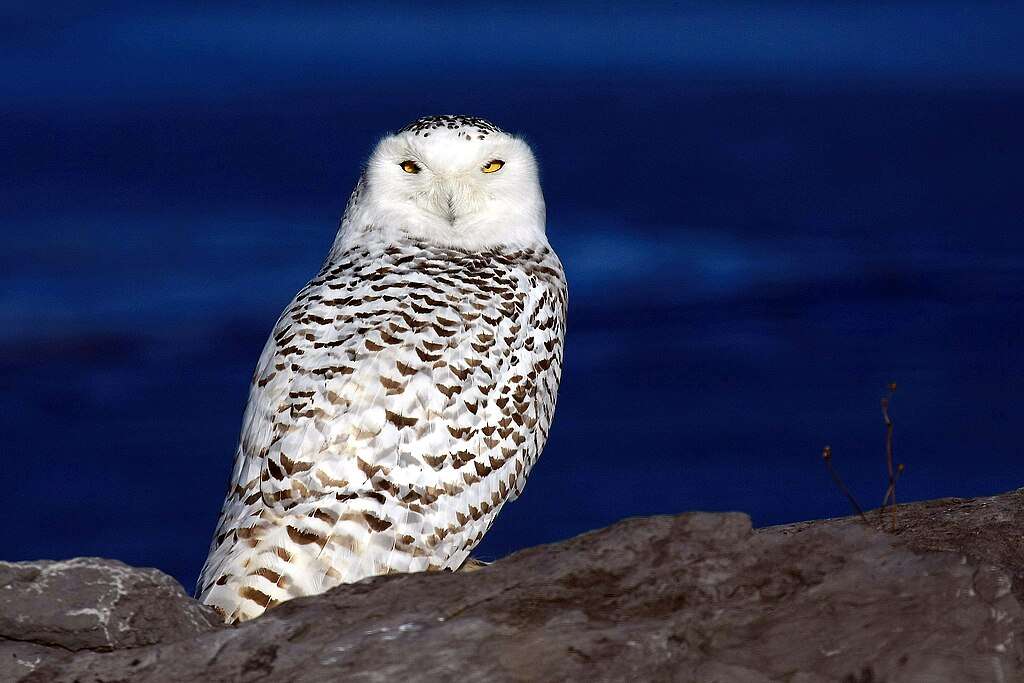
The Snowy Owl is a breathtaking, large white owl from the Arctic Tundra. It's an irruptive migrant, meaning it occasionally moves far south into Michigan during winter, particularly in years when its primary food source (lemmings) is scarce in the Arctic. When they appear, they are often found in open areas resembling the tundra, such as agricultural fields and near the Great Lakes shorelines.
14. Spruce Grouse (Canachites canadensis)
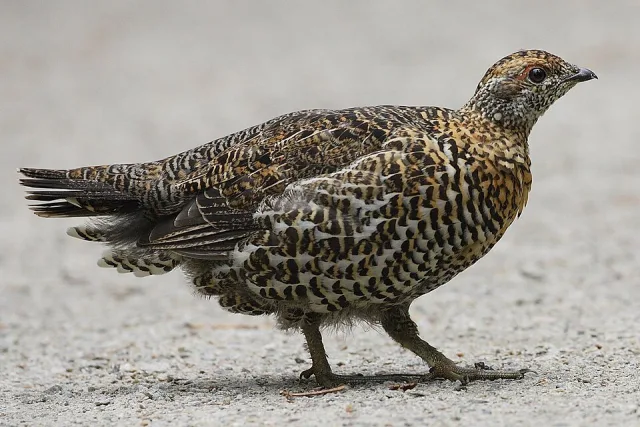
An uncommon to rare permanent resident, the Spruce Grouse is a shy bird of Michigan's remote northern boreal and mixed-conifer forests, especially in the Upper Peninsula. Males have striking red wattles above their eyes. Their camouflage is superb, and they are notorious for their tameness (a trait that makes them vulnerable to predators and humans), leading to the nickname "Fool Hen."
15. King Rail (Rallus elegans)
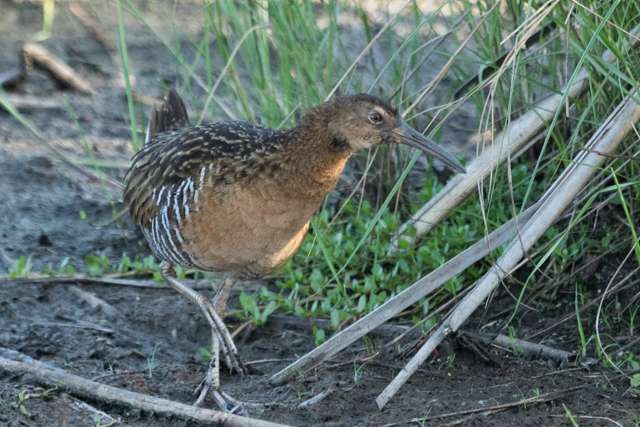
The King Rail is Michigan’s largest rail species and is listed as Endangered in the state. This secretive marsh bird is extremely difficult to spot, preferring dense freshwater wetlands. Its loud, rhythmic "bup-bup-bup" call is often the only clue to its presence. Habitat degradation and loss of large, pristine wetlands are the primary threats to its survival in Michigan.
A State of Avian Wonders
Michigan's birdlife is a vibrant reflection of its diverse geography and rich conservation history. From the ubiquitous Northern Cardinal singing in a snowy suburban yard to the critically monitored Piping Plover raising chicks on a remote dune, these fifteen species represent the dynamic avian tapestry of the Great Lakes State. Their presence underscores the importance of Michigan's varied ecosystems and the continuous, dedicated efforts required to protect the state's spectacular feathered inhabitants. Birdwatching in Michigan offers not just a chance to see beautiful animals but a front-row seat to the massive, ancient phenomenon of continental migration and the delicate, vital work of species conservation.
